13 Lesser-Known UNESCO World Heritage Wonders That Will Amaze You
Did you know that there are more than 1,223 UNESCO World Heritage Sites worldwide, many of which are only starting to become known to travelers? While millions of people will flock to the likes of the Pyramids of Giza or the Great Wall of China, thousands of hidden gems are just waiting to be uncovered.
These impeccable sites offer cultural significance, natural beauty, and jaw-dropping history. If you love to swap the beaten path for the unexplored, read on to find your next adventure.
Prehistoric Pile Dwellings Around the Alps (Europe)
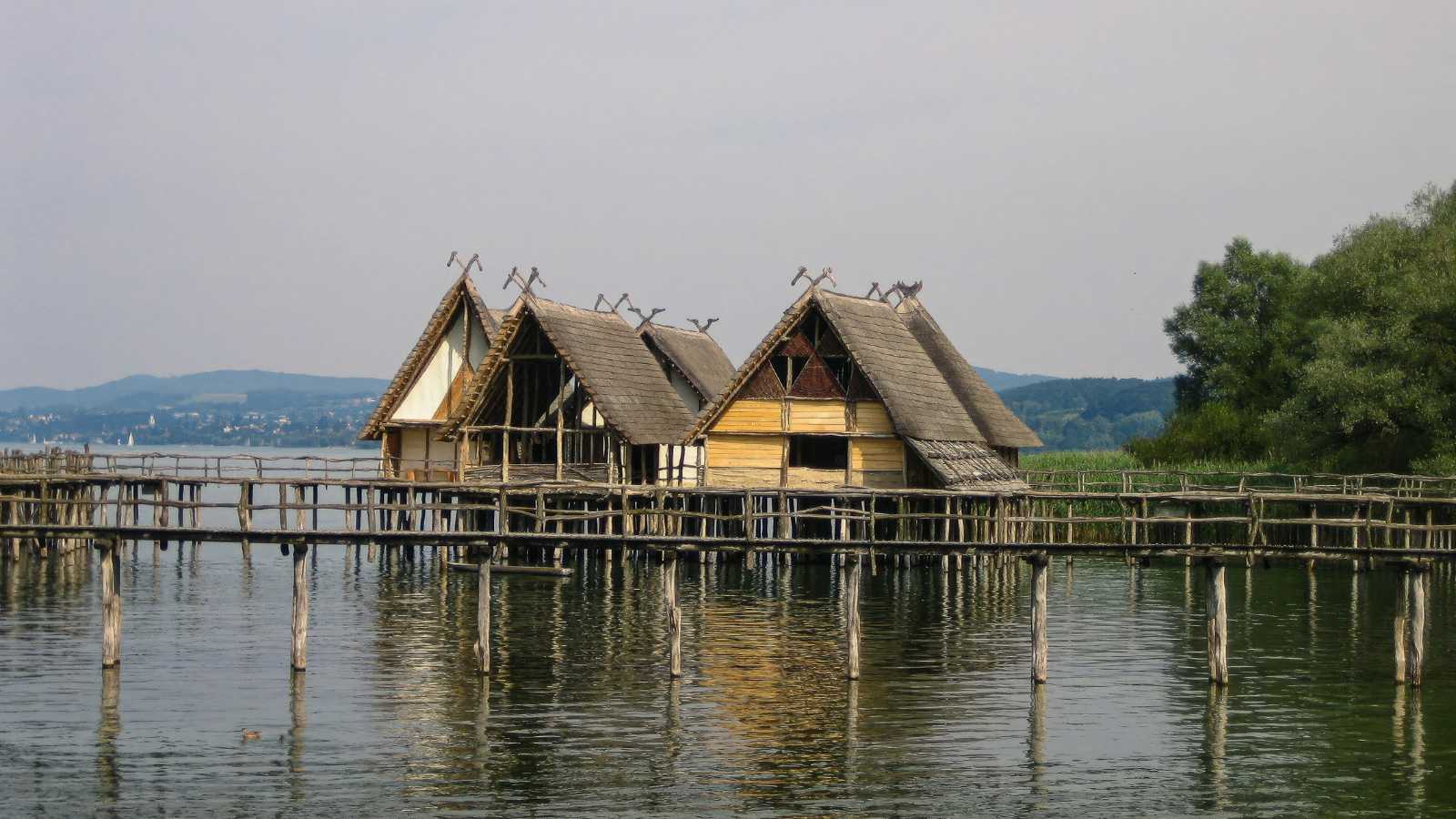
Imagine stepping into history from 5,000 years ago. Submerged prehistoric settlements in and around the Alps, in lakes and wetlands, provide fantastic insight into early agricultural practices.
Scattered across six countries—including Switzerland, Germany, and Italy—these “pile dwellings” are remnants of ancient wooden homes built above water. Tools, pottery, and seeds unearthed at these sites provide evidence of the ingenuity of early societies, as archeologists have found.
Rani Ki Vav (India)

Just beneath the surface of Gujarat, India is an intricately designed stepwell. Rani Ki Vav, which dates back to the 11th century, contains over 500 primary and 1000 minor sculptures of Indian mythology.
The engineering brilliance of this architectural marvel, built originally to offer water in times of drought, has been recognized, and it has become a symbol of engineering brilliance. And don’t miss the last chamber with a statue of Lord Vishnu, a striking combination of function and art.
The Rock-Hewn Churches of Lalibela, Ethiopia
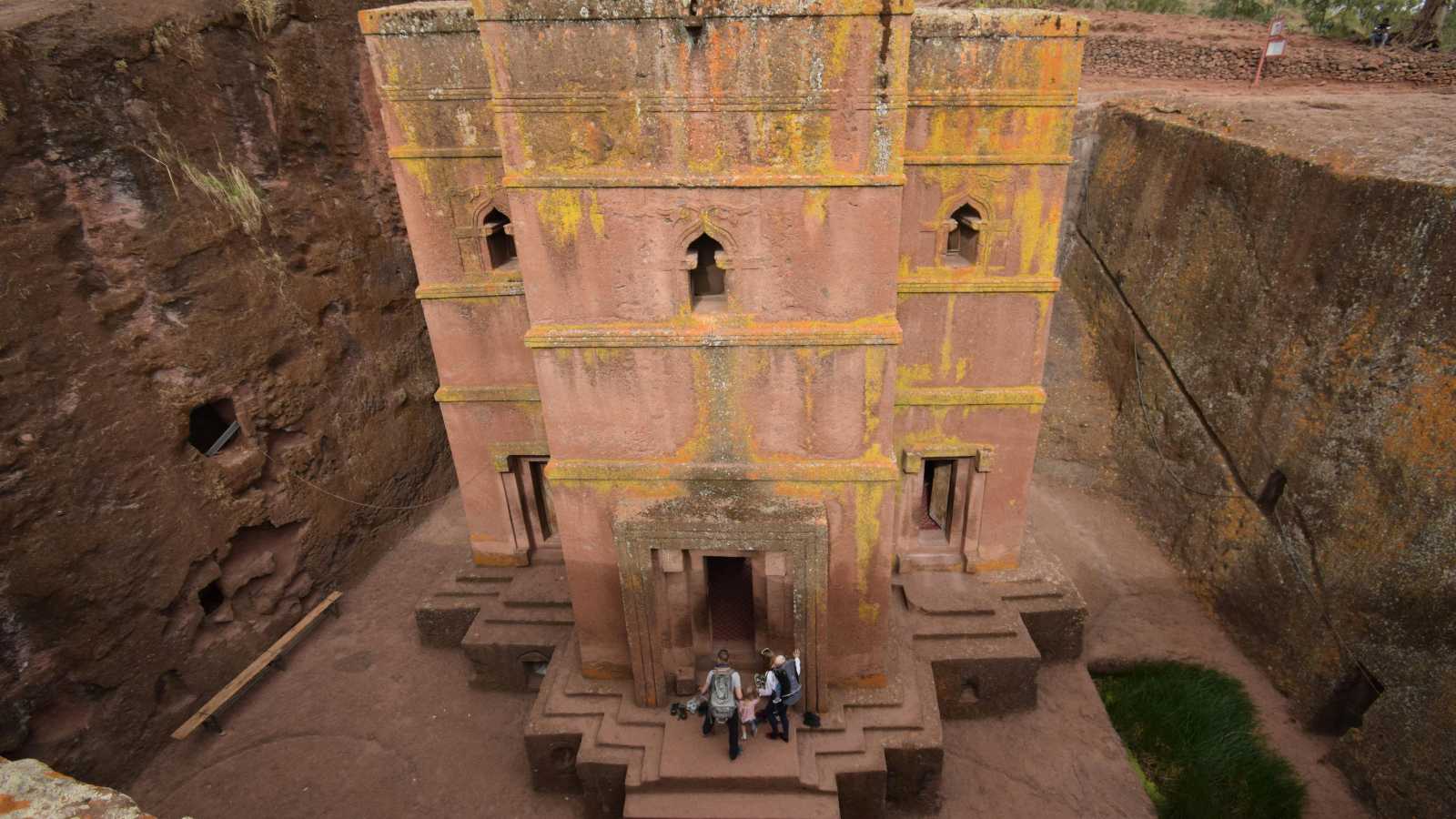
Lalibela is a place people visit for religious reasons and is an important pilgrimage of the Ethiopian Orthodox Church.
Given its shoals of intricate carvings and labyrinthine underground paths, its mystical architecture is something you must see to believe.
Sansa, Buddhist Mountain Monasteries (South Korea)

The Sansa monasteries—nestled high up on South Korea’s forested mountain ranges—surround visitors with an aura of serenity and history. This collective site consists of seven Buddhist monasteries dating from the 7th century.
Here, monks continue to live according to ancient teachings, and even today, they offer visitors stunning temple architecture and the rare possibility to participate in ancient traditions.
Cultural Landscape of the Orkhon Valley (Mongolia)

Mongolia’s Orkhon Valley will attract you if you have a sense of adventure to sprawling grasslands and ancient ruins. It is a UNESCO site featuring former Mongolian Empire capitals and ancient nomadic encampments.
Its principal features are Karakorum’s ruins and the legendary capital of Genghis Khan. Mongolia’s traditional horse-riding culture allows for yet more living heritage to be explored.
Okinoshima Island, Japan (in Peril)

Okinoshima is a sacred, restricted heritage site. Once, this tiny island of Japan was the center of the Shinto rituals for praying for maritime safety.
Only 200 male visitors are admitted each year. But you can still marvel at its importance from afar while respecting how its history is being preserved through protective conservation methods that help keep it original.
Bahla Fort (Oman)
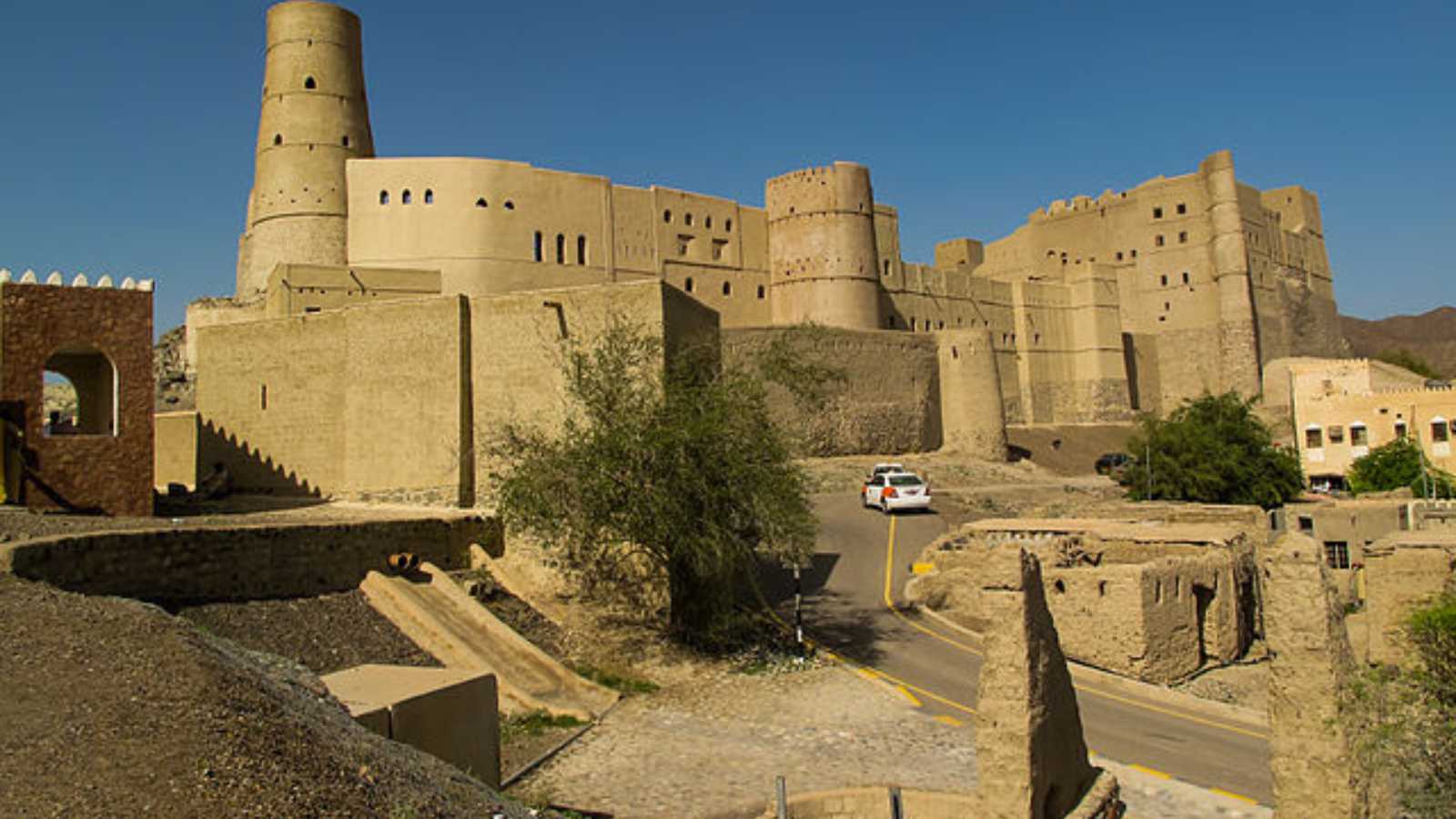
If you ever want to experience life in a medieval Arabian city, you’ll love this. Visitors to the striking mud-brick fortress in Oman, Bahla Fort, are taken back to the 12th century. This architectural wonder, surrounded by a 7-mile defensive wall, was an important trading hub.
Kujataa Greenland (Denmark)

The Norse and Inuit cultures blend in Kujataa and remain spellbinding. This unique archaeological area is located in southern Greenland, where these two groups have farmed the Arctic environment sustainably for centuries. Yet, it is a photographer’s dream, especially if you’re lucky to venture onto Norse ruins in bleak landscapes.
Nan Madol (Micronesia)

Nicknamed the “Venice of the Pacific,” Nan Madol is an awe-inspiring site featuring over 90 artificial islets connected through canals.
This ceremonial hub built of basalt and coral rock was the center of the ancient Saudeleur Dynasty. The structures outsized on a remote Micronesian island will astound you.
Tiya (Ethiopia)

Though Tiya is tiny, it’s mighty and yet another of Ethiopia’s archaeological gems you won’t find in a guidebook.
This site, with 40 carved megaliths, is a collection of such carvings said to be a burial ground. Besides being such a stunning site, these standing stones have unique engravings and hint at mysterious rituals and stories from the past, so it’s a must for the history lover!
Valongo Wharf (Brazil)

Discover the untold history of the transatlantic slave trade at Rio de Janeiro’s Valongo Wharf. But this site marks the arrival of the most prominent enslaved Africans to the Americas.
Discovered in 2011, the wharf is a hauntingly vital reminder of humanity’s darker past as a mirror of the cultures and lives uprooted during this time.
San Gimignano (Italy)
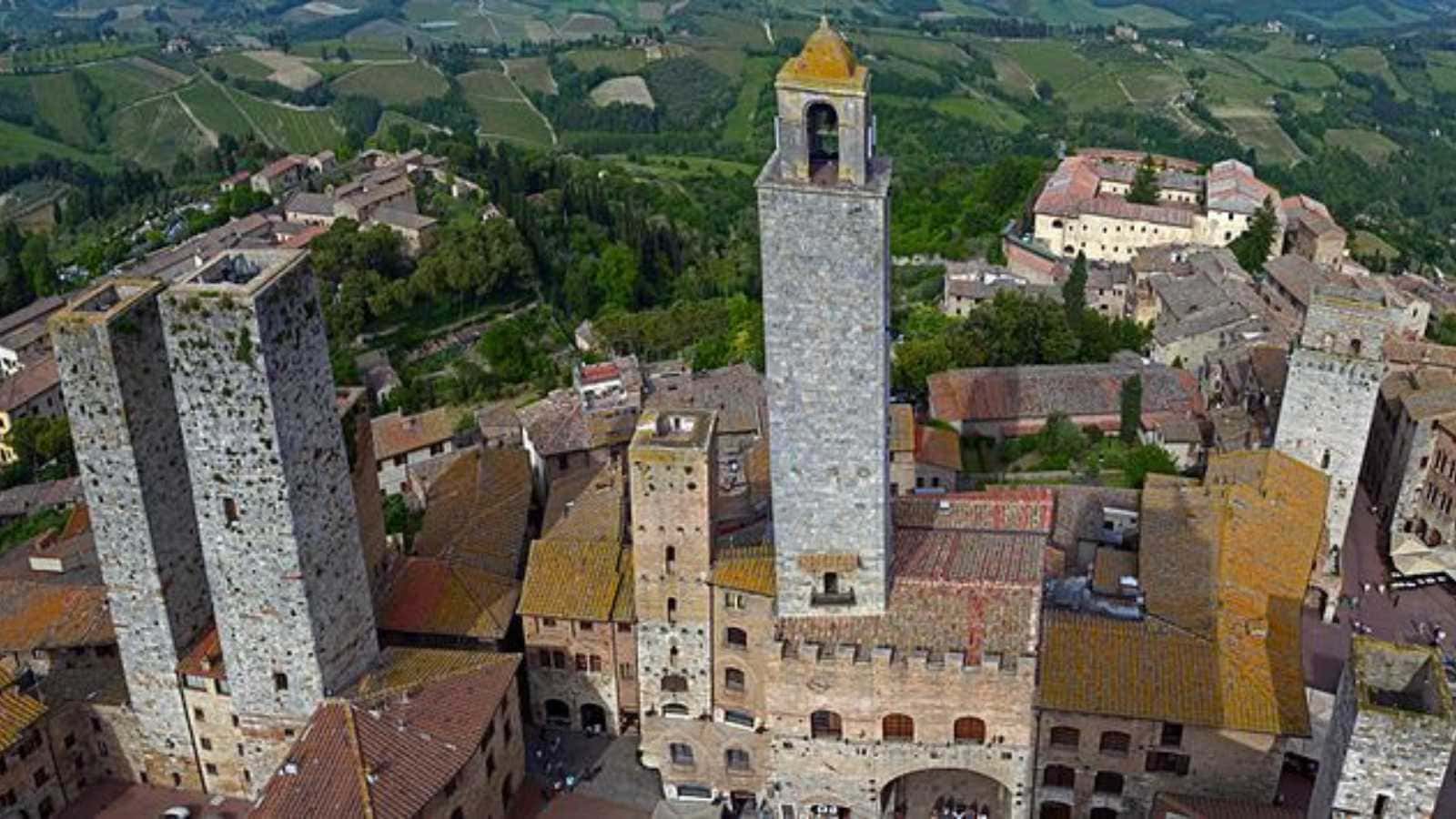
Florence and Siena often overshadow this Tuscan town, but it’s a masterpiece of medieval architecture. San Gimignano is dotted with 13 remaining medieval towers, from which it gets its characteristic skyline.
It also has cobbled streets, fresco-lined churches, and locally famous wine. San Gimignano is a slice of medieval Italy frozen in time. In the 1300, San Gimignano had 72 towers.
Syria – Ancient Villages of Northern Syria
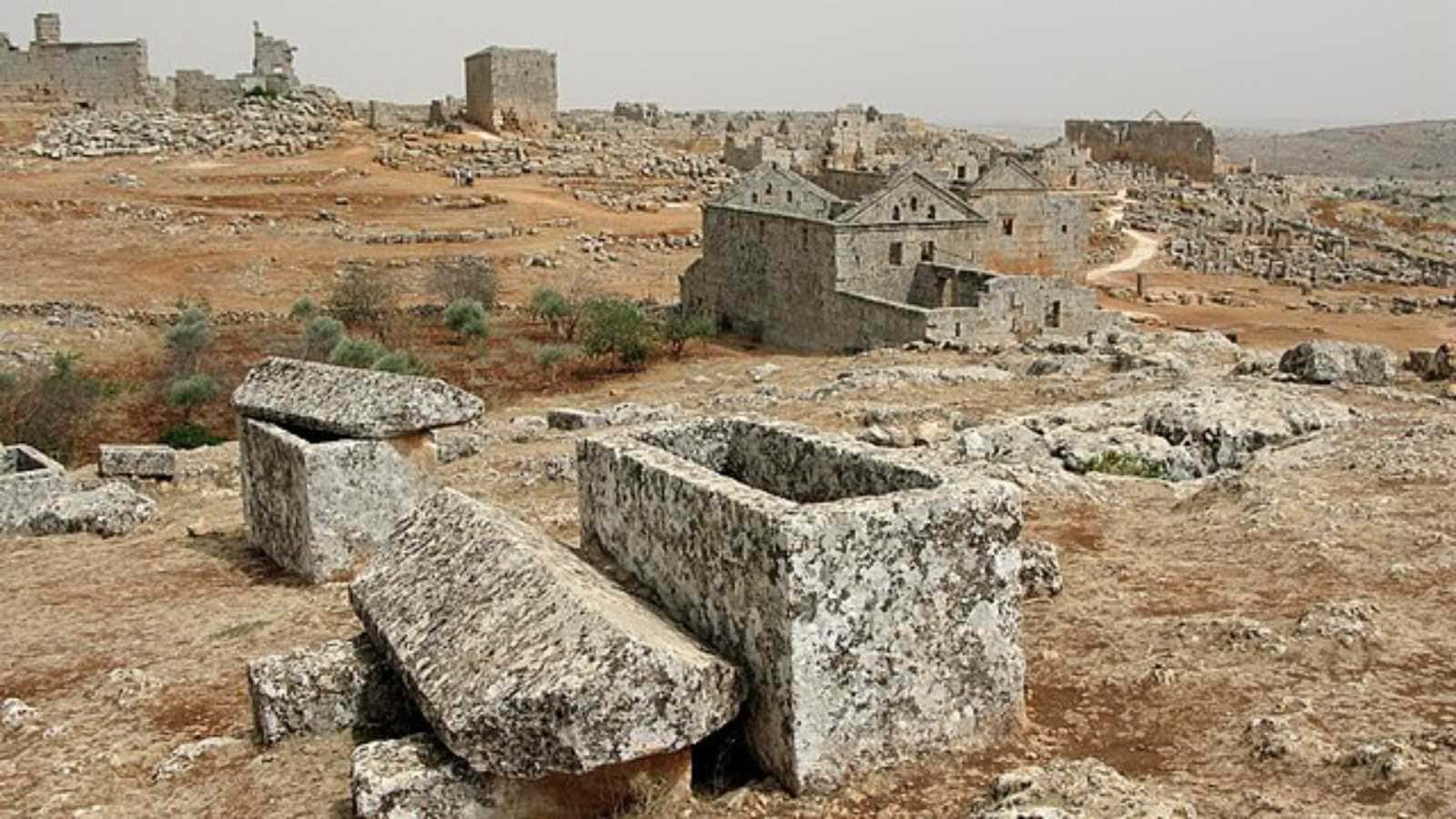
Known as the “Dead Cities,” these well-preserved villages date back to the 1st century AD. They were once thriving agricultural communities and trade centers.
Visitation has taken on an added urgency for those lucky enough to visit; their limestone ruins are a richly layered history in a region riven by conflict.
Disclaimer – This list is solely the author’s opinion based on research and publicly available information.
The 10 Most Dangerous Waterfalls in the World. Would You Venture?
The 10 Most Dangerous Waterfalls in the World. Would You Venture?
15 Best Countrıes to Vısıt in Afrıca

15 Best Countrıes to Vısıt in Afrıca
15 Most Beautiful Beaches in the World

15 Most Beautiful Beaches in the World