12 Popular Dishes You May Not Know Were Invented in America
You may think of American food as all burgers, fries, and barbecues. But many dishes you’ve probably pegged as international started in U.S. kitchens. Some were created by accident, others out of necessity, and a few were pure geniuses from the get-go.
You might be surprised to learn your go-to “Italian” meal or that side you swear came from Europe has American roots. Whether born in diners, delis, or test kitchens, these dishes are now everyday staples. Ready for a little culinary plot twist?
Caesar Salad
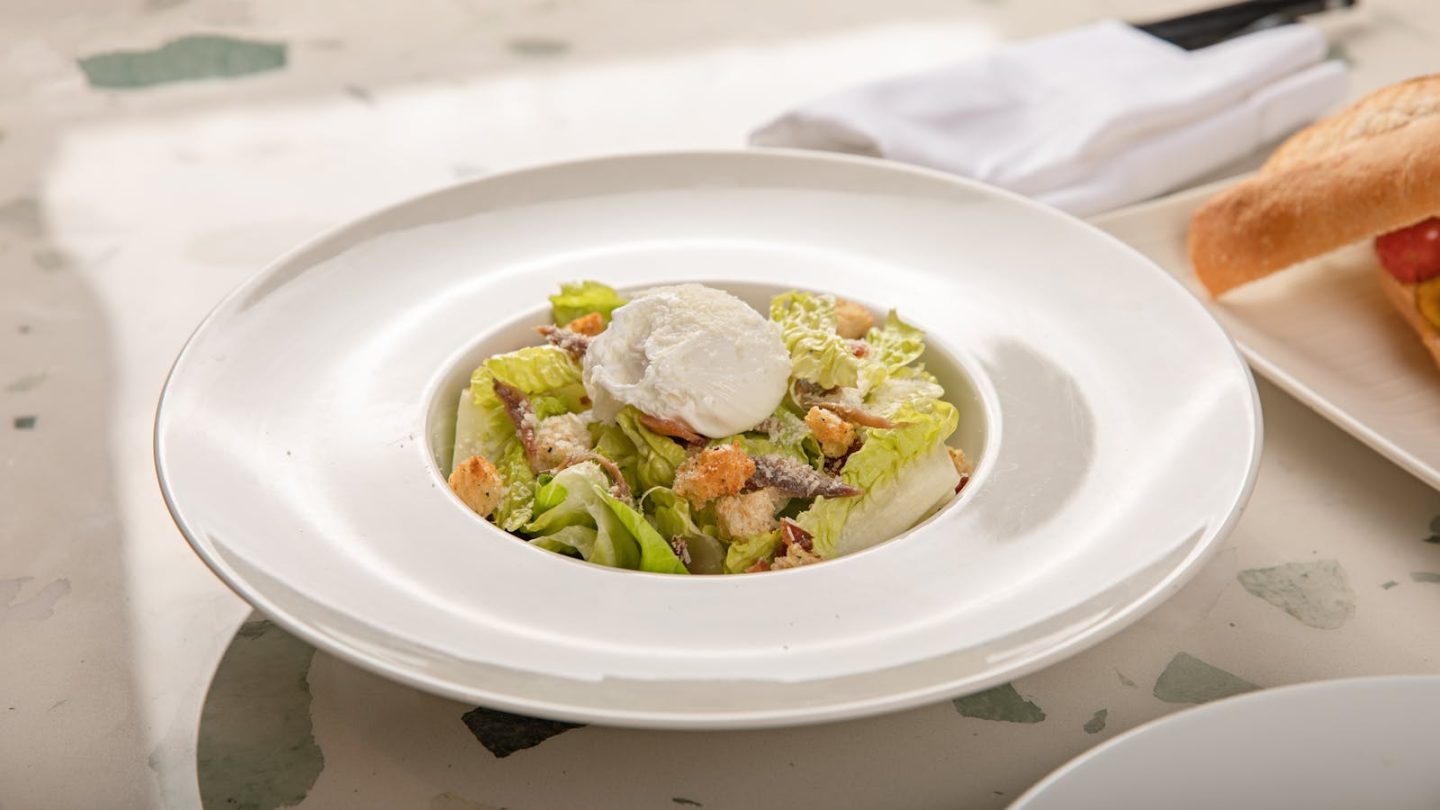
Despite its Roman-sounding name, Caesar salad was created in Tijuana, Mexico, by an Italian-American named Caesar Cardini in the 1920s. However, the dish quickly gained popularity in California and became a classic throughout the United States. Anchovies are optional, but the garlic-lemon punch? That’s non-negotiable.
German Chocolate Cake
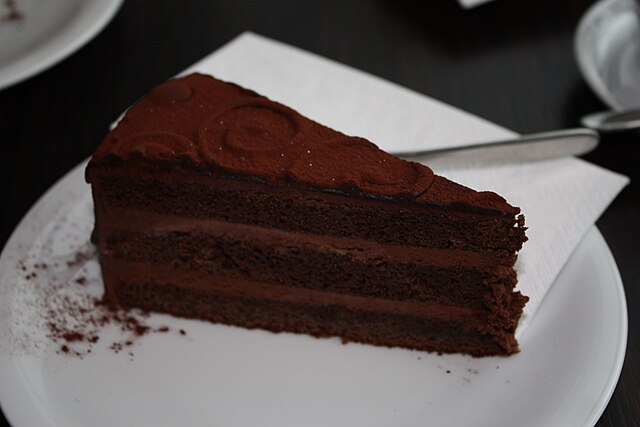
German chocolate cake isn’t from Germany. It’s named after Samuel German, an American chocolatier who developed a type of dark-baking chocolate for Baker’s Chocolate Company. The cake, layered with sweet coconut and pecan frosting, was a hit in the 1950s and has confused birthday party guests ever since.
Fortune Cookies
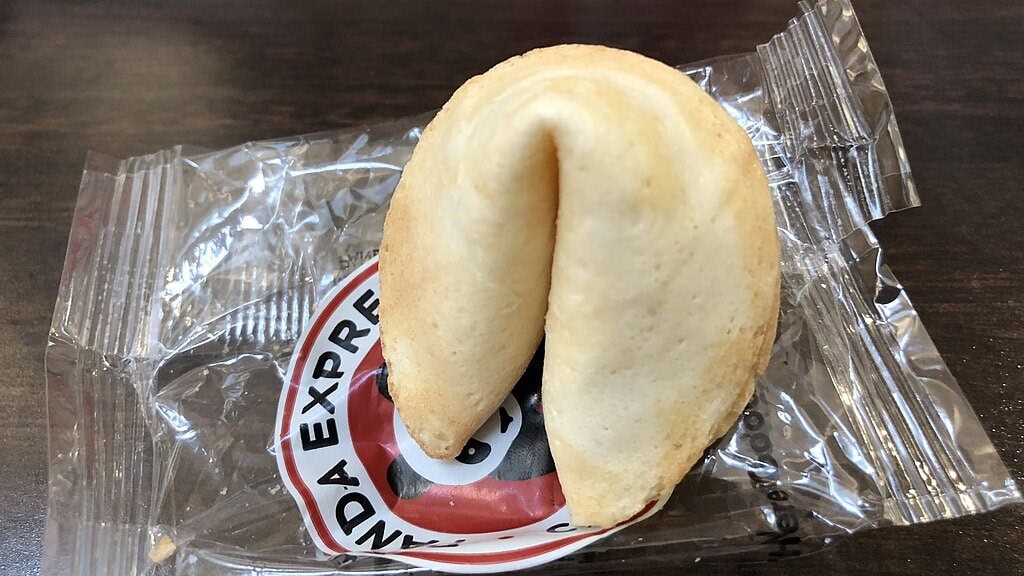
If you’ve opened one fortune cookie after your Chinese takeout and thought, “This feels kinda…American,” you’re not wrong. These crunchy little messages were invented in California, likely by Japanese-American bakers in the early 1900s. The Chinese part came later, primarily through restaurants adapting to American expectations.
Chimichangas
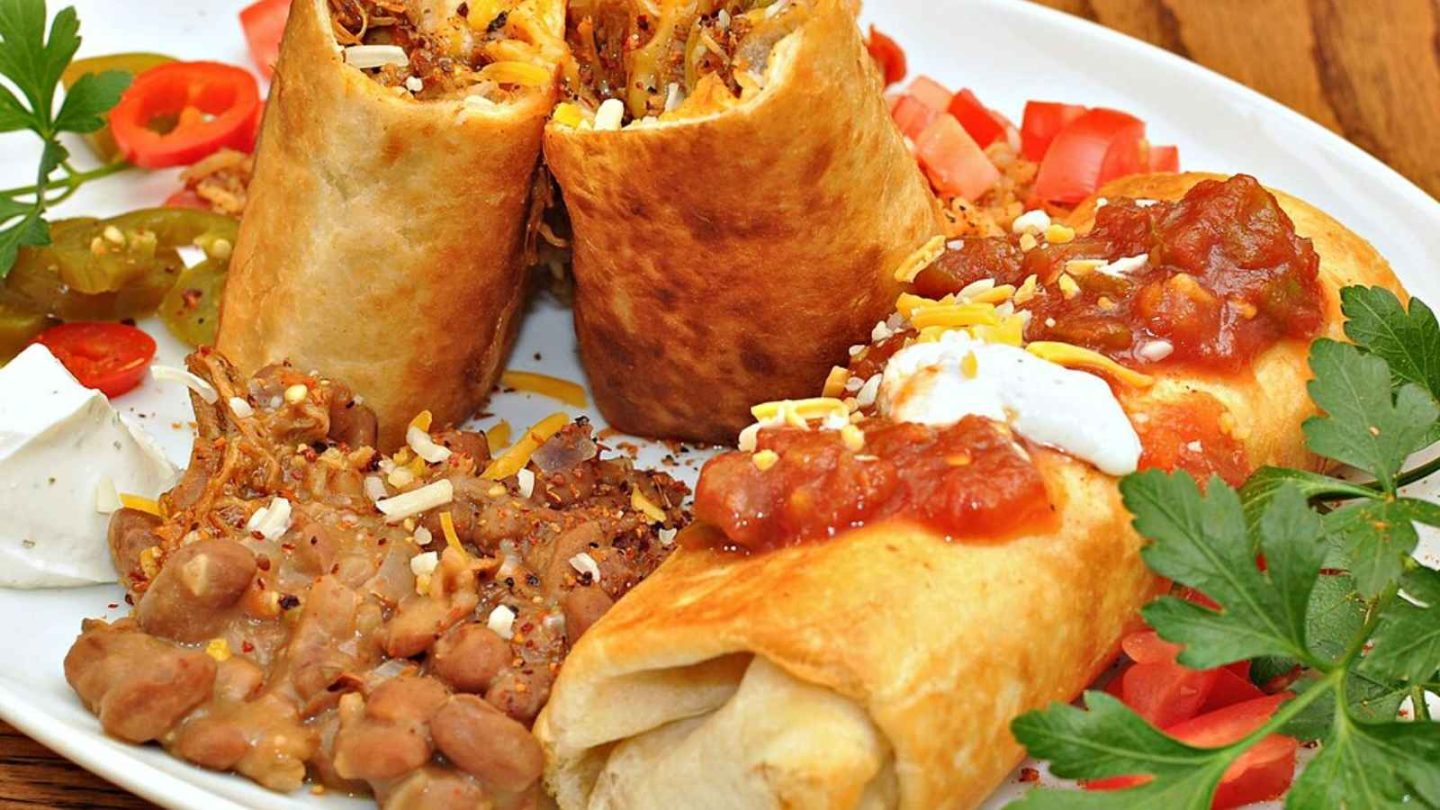
Legend has it this deep-fried burrito was the result of a kitchen accident in Arizona. A cook dropped a burrito in hot oil, cursed loudly (in Spanish), then decided to roll with it. The name “chimichanga” was her way of cleaning up the language for customers.
English Muffins
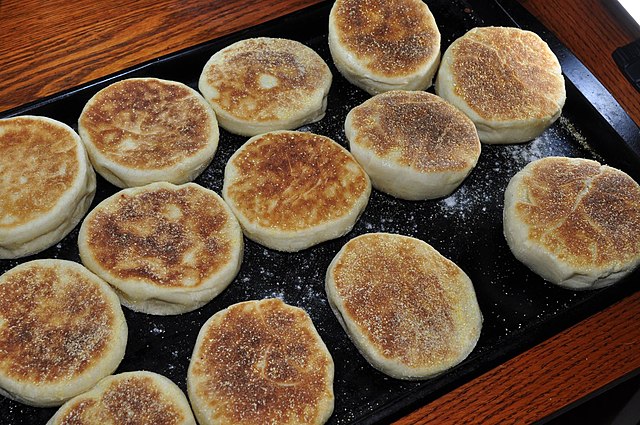
Thomas’ English Muffins might sound like they belong in a quaint London café, but they were created by Samuel Bath Thomas in New York City in the late 1800s. He called them “toaster crumpets” before settling on the name we use today. Those nooks and crannies? Very American.
French Dressing
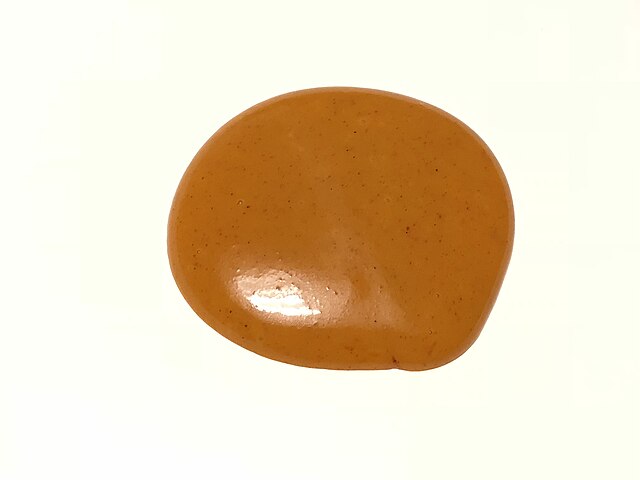
French dressing appears to be a tangy, sweet, bright orange dressing, but it is 100% American. It appeared in early 20th-century cookbooks and became a staple of salad bars. The name likely aimed to give it a fancy flair, but actual French cuisine wouldn’t recognize it.
Spaghetti and Meatballs
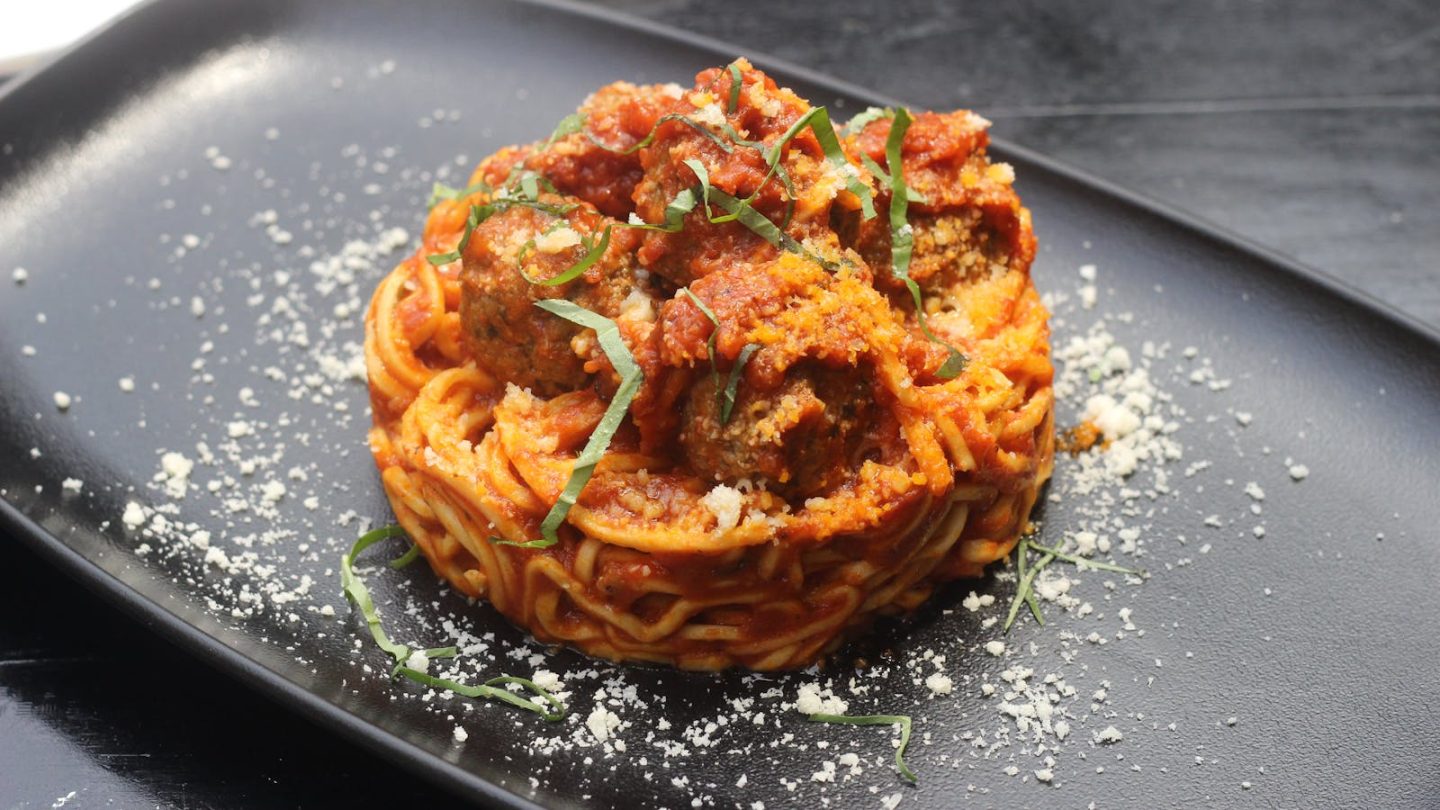
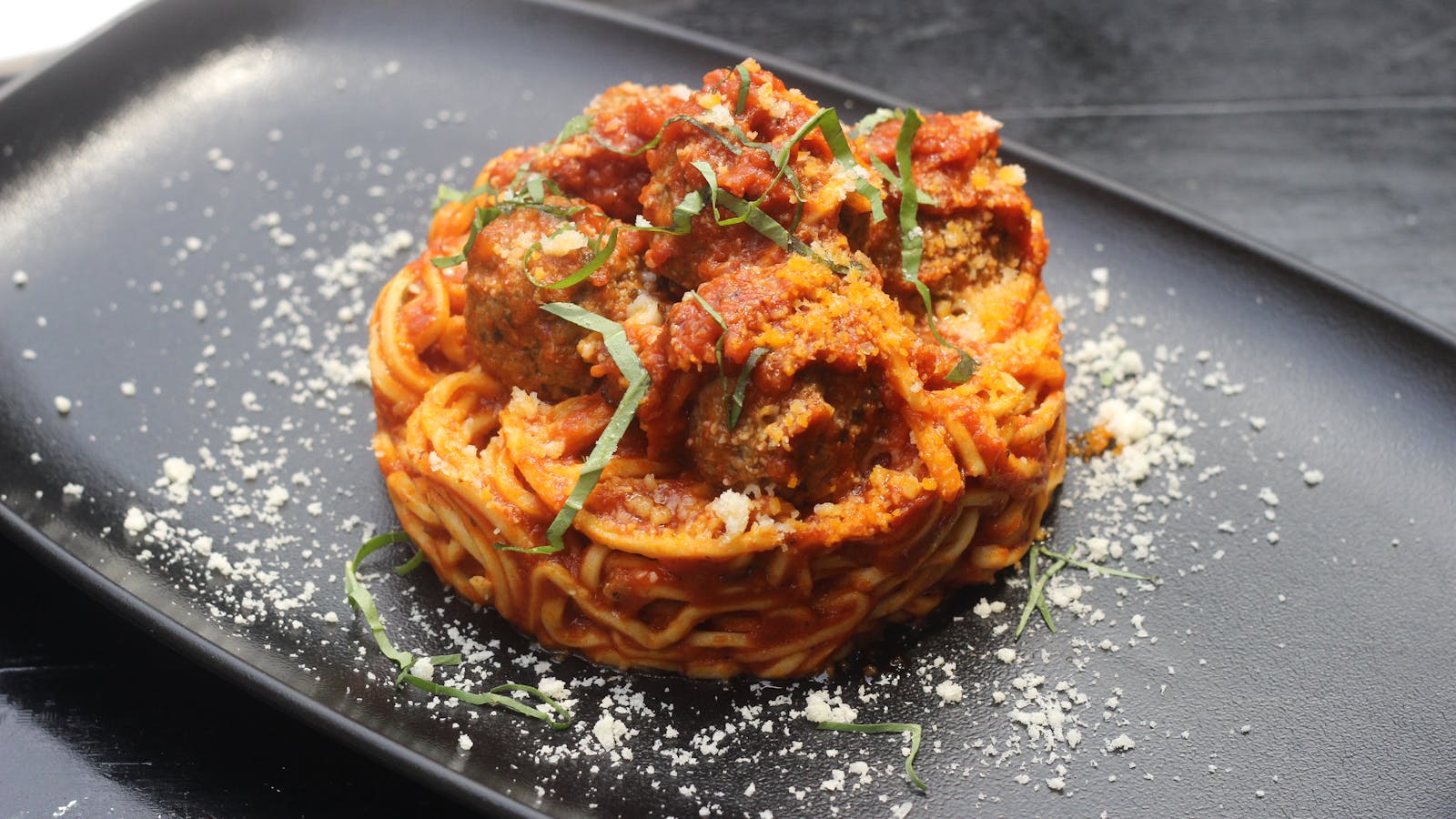
This comforting combo didn’t come from Nonna’s kitchen in Naples. Italian immigrants in the U.S. combined familiar ingredients like pasta and meat but used what was affordable and plentiful here. The result was bigger meatballs and tomato sauces that could feed a crowd.
Cuban Sandwich
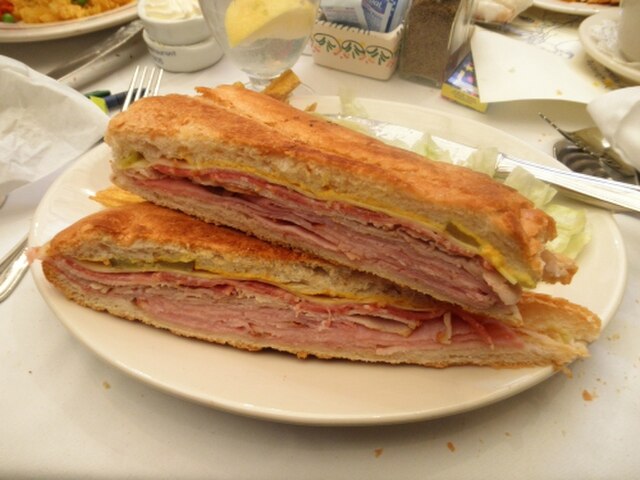
The original sandwich was made for Cuban workers in Tampa and Key West. The American twist came with the addition of pickles, mustard, and Swiss cheese, creating something entirely new. If you’ve had one in Miami, you know it’s a serious sandwich that deserves respect.
California Roll
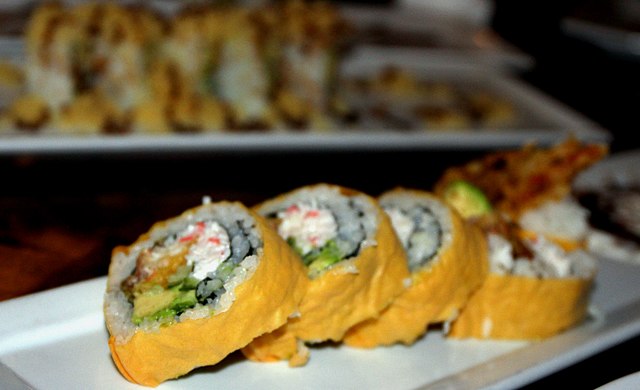
The gateway sushi roll for many Americans wasn’t born in Tokyo. It came from Los Angeles in the 1960s or 70s. Chefs swapped raw fish for cooked crab or imitation crab and used avocado for creaminess. It helped sushi go mainstream in the U.S.
Chop Suey
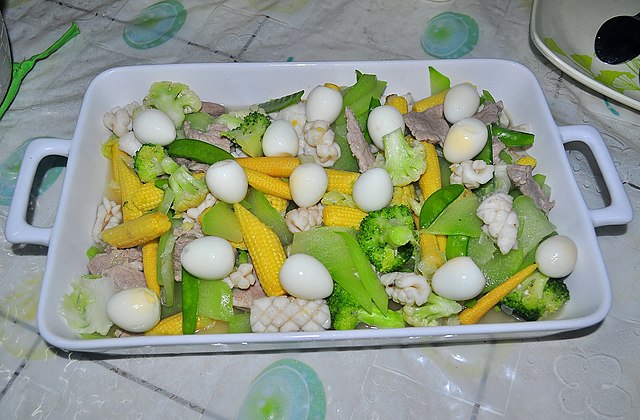
This dish may sound Chinese, but it’s likely an American invention created by Chinese immigrants who used available vegetables and meat scraps. It became a menu staple, helping to introduce Chinese-style cooking to a wider American audience.
Macaroni Salad
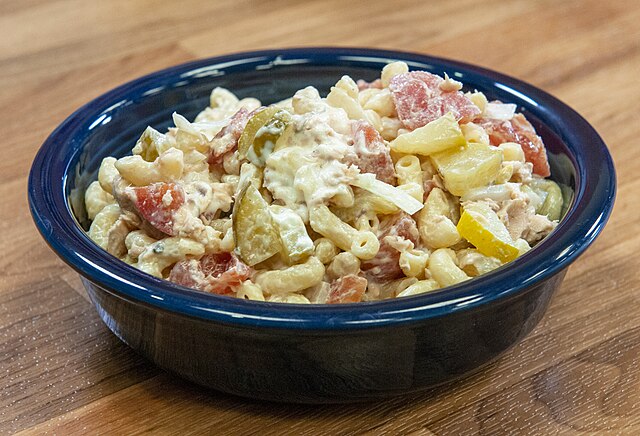
While pasta originated in Italy, mixing it with mayonnaise, vinegar, and vegetables for a cold salad was pure American potluck magic. It’s been a picnic favorite for generations and shows up faithfully at every summer barbecue.
Crab Rangoon
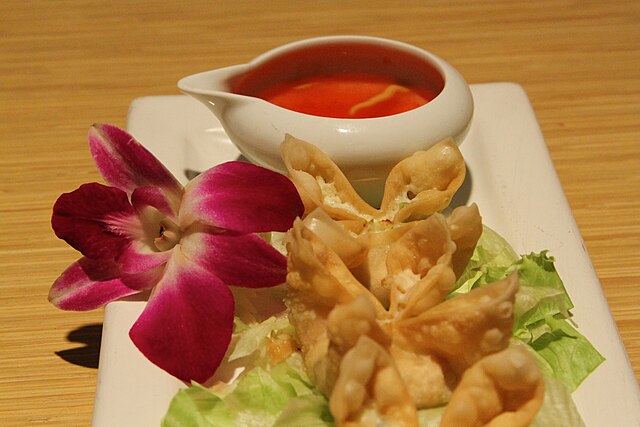
You won’t find this cream cheese-filled appetizer in traditional Burmese or Chinese kitchens. Crab rangoon was invented in the 1950s, probably by a Polynesian-themed restaurant in San Francisco. It’s fried, rich, and American in spirit.
Disclaimer: This list is solely the author’s opinion based on research and publicly available information.
Read More:

- Ultimate Guide To Picking The Best Travel Credit Card
- The 5 Best Budget Airlines in the United States
- 15 Best Countrıes to Vısıt in Afrıca