12 Landmarks Where Black History Was Made
The story of Black history is threaded through places where courage reshaped America. These landmarks offer more than snapshots. They connect you to moments that mattered. Some inspire tears. Others provoke uncomfortable reflection. All leave you changed.
They echo in speeches, church pews, schoolbooks, and street corners. These places are proof that the past isn’t just in textbooks. You can stand where legends stood. Feel the weight of what they risked. And carry a piece of that history forward.
Legacy Museum and National Memorial for Peace and Justice
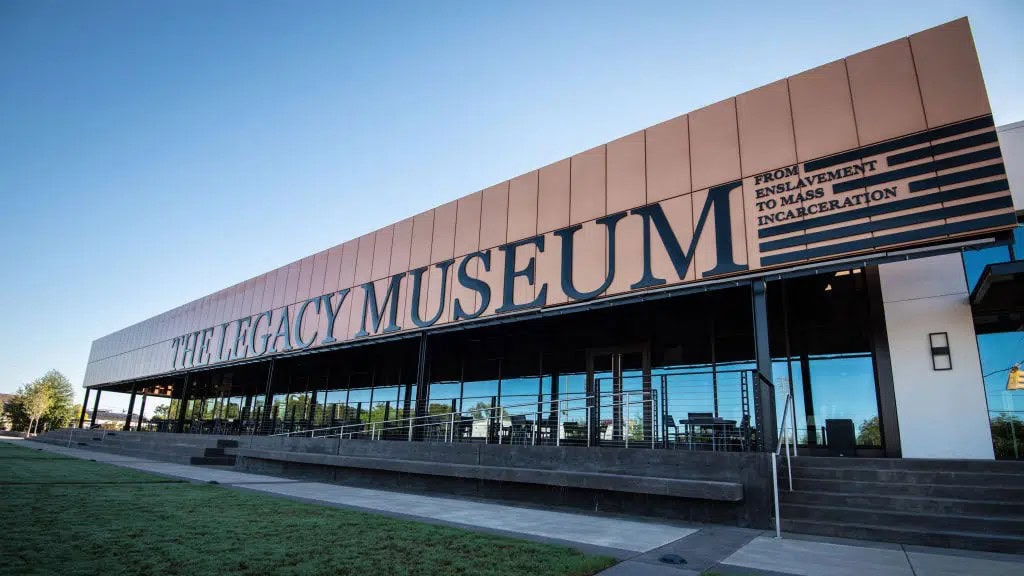
Built by the Equal Justice Initiative, this Montgomery site forces visitors to reckon with America’s violent racial past. One part museum, one part memorial, it traces a painful line from slavery through Jim Crow to mass incarceration. The memorial’s hanging steel columns represent over 4,400 lynching victims, each marked with a county and a name.
National Museum of African American History and Culture
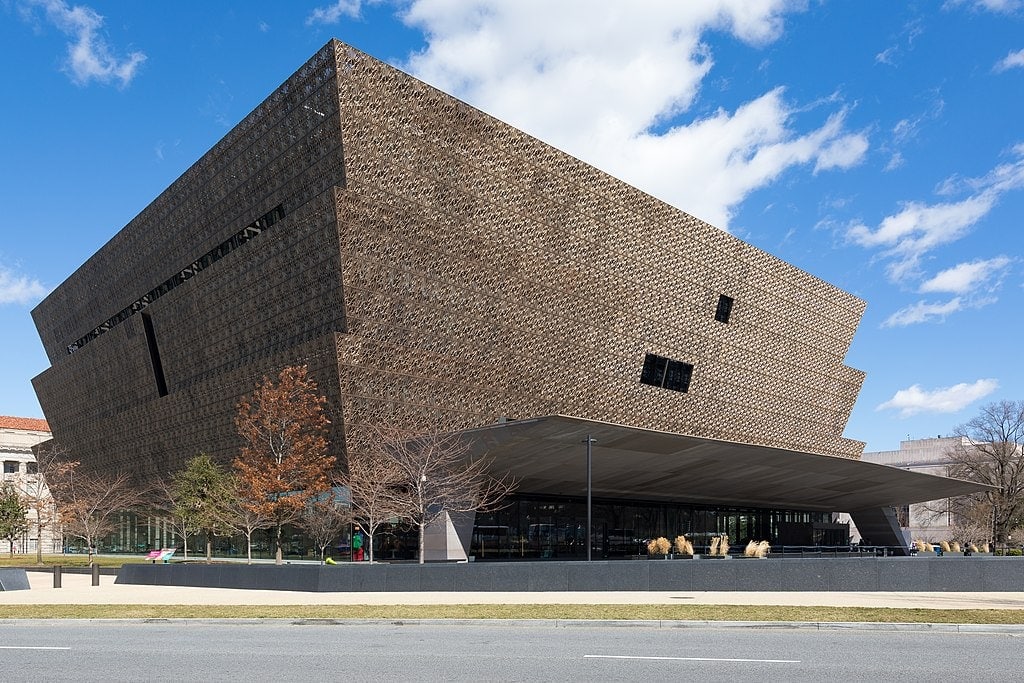
The Smithsonian museum in Washington, D.C., spans 400,000 square feet and houses over 40,000 artifacts. From slave shackles and Emmett Till’s casket to Chuck Berry’s Cadillac, the collection hits hard and spans centuries. Beyoncé, Oprah, and President Obama have all spoken publicly about how deeply this space moved them. It’s free to enter, though timed entry passes are required.
Freedom Rides Museum
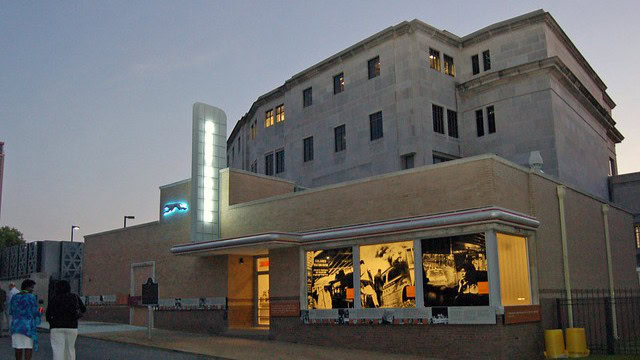
Once a segregated Greyhound station, this small building in Montgomery holds a big story. In 1961, Freedom Riders were beaten here by a mob for daring to sit together, Black and white. The FBI opened an investigation; federal troops were called in. Now, the museum displays original signage, mugshots, and firsthand accounts. It’s part of the U.S. Civil Rights Trail.
National Monument to Freedom

This new monument in Montgomery features the names of over 120,000 people freed from slavery after the Civil War, carved onto a massive stone sculpture in the shape of an open book. It’s part of a growing effort to correct the record; memorializing the enslaved, not the enslavers. The installation sits on a former plantation site, adding weight to every step. It’s open-air and free to the public, perfect for slow, quiet reflection or a family teachable moment.
16th Street Baptist Church

On a September morning in 1963, a bomb planted by white supremacists killed four little girls here. The church served as a hub of the civil rights movement and a frequent meeting place for leaders, including Dr. King. Now a National Historic Landmark, it hosts tours, exhibits, and powerful retellings of that dark day. Donations support church upkeep; consider supporting through your visit or online.
Brown Chapel A.M.E. Church

This modest church in Selma served as a launching pad for the Selma to Montgomery marches. It was here that activists gathered before Bloody Sunday, where police brutally beat marchers on the Edmund Pettus Bridge. That day helped pass the Voting Rights Act of 1965. Although currently under renovation, the church remains visible from the outside, and interpretive signs provide context. Civil rights groups often hold remembrance events here, especially around March.
Martin Luther King Jr. National Historical Park

In Atlanta’s Sweet Auburn neighborhood, this park includes Dr. King’s boyhood home, the Ebenezer Baptist Church, and his burial site. Park rangers give walking tours filled with personal stories, like how young Martin refused to accept being told “you can’t” just because he was Black. There’s also The King Center, where Coretta Scott King’s legacy lives on. Over 850,000 people visit yearly, making it one of Georgia’s top free attractions.
Harriet Tubman Underground Railroad National Historical Park
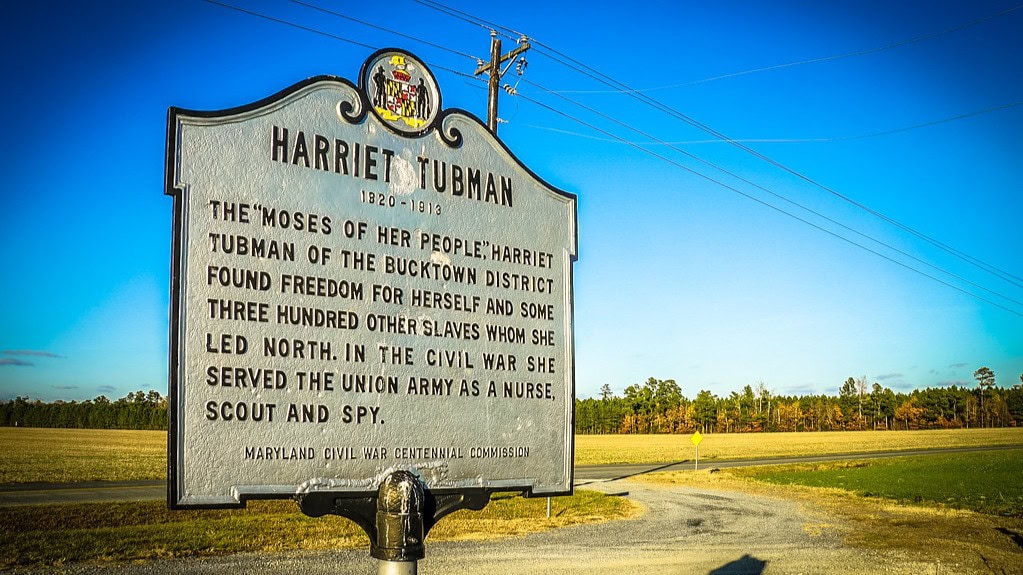
This Maryland park follows Harriet Tubman’s journey from enslaved child to fearless conductor of the Underground Railroad. Walking trails, marshland boardwalks, and preserved cabins immerse visitors in the geography she once used to lead others to freedom. Many come in groups for educational retreats or heritage tours. Park rangers recommend visiting at sunrise because it’s quiet, wild, and haunting.
African Meeting House

Built in 1806, this Boston landmark is the oldest surviving Black church in the U.S. It was once a safe haven, school, and rallying ground for abolitionists. Frederick Douglass gave fiery speeches here; William Lloyd Garrison helped build anti-slavery momentum within its walls. Now part of the Museum of African American History, the site hosts rotating exhibits and lectures. It’s a short walk from the Freedom Trail, making it a must-stop for history buffs and culture lovers.
Charles Young Buffalo Soldiers National Monument
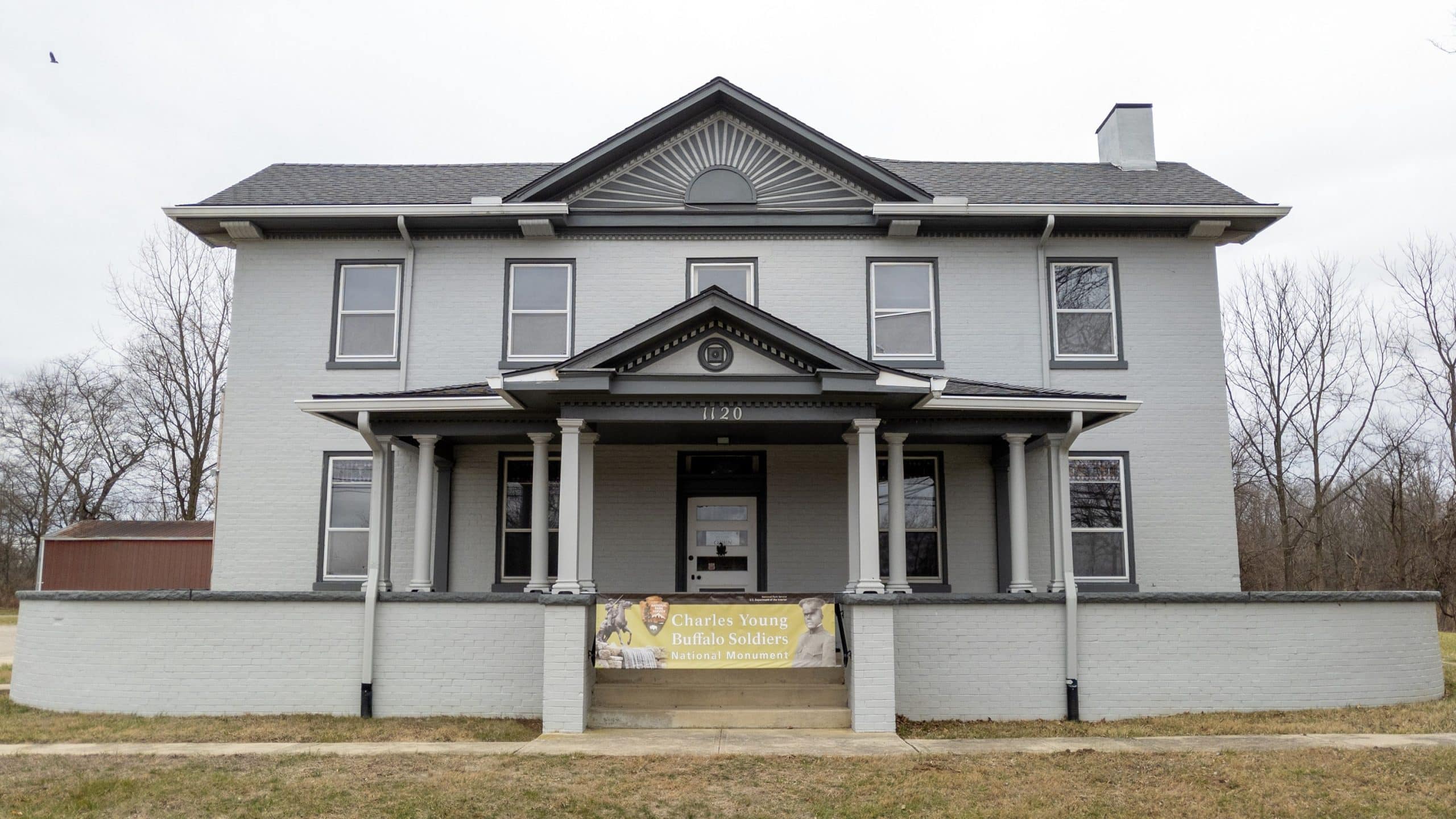
Tucked in Wilberforce, Ohio, this monument honors Colonel Charles Young, a trailblazer in the U.S. Army and one of the first Black national park superintendents. The site includes his home, which served as a gathering place for students, officers, and activists. Young taught at Wilberforce University and mentored hundreds of Black soldiers. His story helps shed light on Black contributions to military service and environmental stewardship, two topics often overlooked in textbooks.

Louis Armstrong House Museum

In Queens, New York, this unassuming brick house was home to jazz legend Louis Armstrong and his wife Lucille for nearly 30 years. It’s preserved just as they left it with mid-century furniture, kitchen gadgets, even Satchmo’s trumpet collection. The museum offers guided tours with music clips and anecdotes. One highlight? Armstrong’s private recordings, where he muses about racism, fame, and joy. Jazz lovers and culture travelers alike call it one of NYC’s best under-the-radar stops.
Congo Square
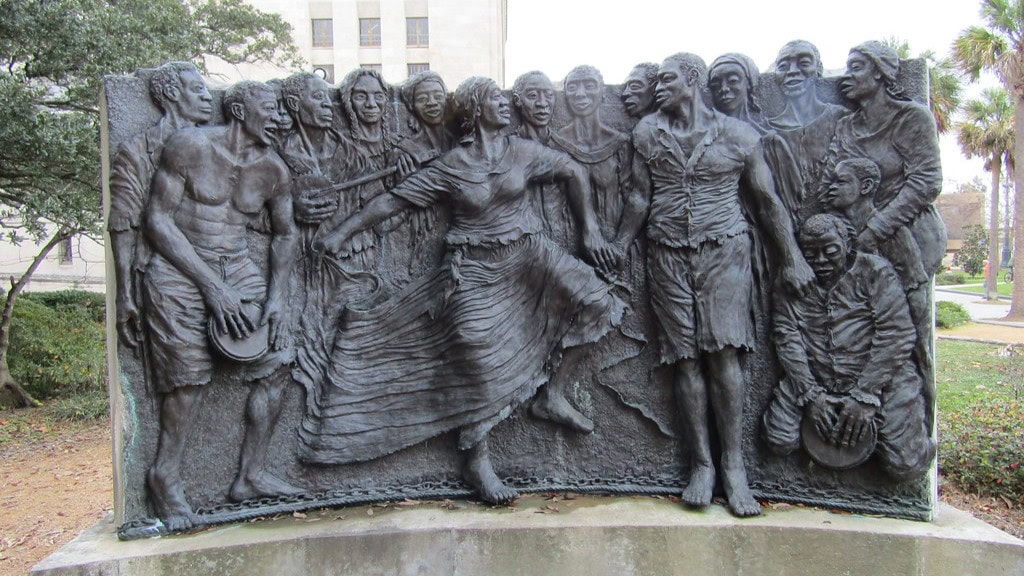
Long before jazz clubs, Congo Square in New Orleans pulsed with drumbeats, dance, and resilience. Enslaved Africans gathered here on Sundays, keeping cultural traditions alive despite harsh laws. Music historians credit it as one of the places that birthed jazz. Today, the square is located within Louis Armstrong Park and frequently hosts festivals, second-line parades, and impromptu drum circles. If you’re taking a cruise out of New Orleans, plan a stop; it’s walkable from the French Quarter.
Mitchelville Freedom Park
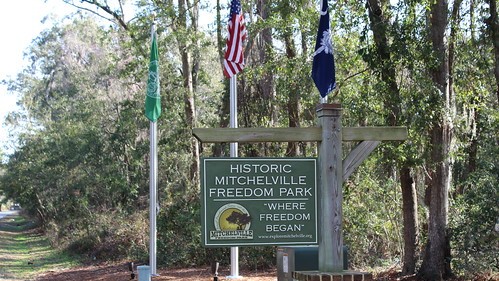
On Hilton Head Island in South Carolina, Mitchelville was the first self-governed town of formerly enslaved people in the U.S. Established during the Civil War, it had elected leaders, public schools, and land ownership. Today, Freedom Park honors this legacy with outdoor exhibits, walking trails, and Juneteenth celebrations. A new interpretive center is under construction.
Disclaimer: This list is solely the author’s opinion based on research and publicly available information.
Read More:

- Ultimate Guide To Picking The Best Travel Credit Card
- The 5 Best Budget Airlines in the United States
- 15 Best Countrıes to Vısıt in Afrıca


