10 Wild Animals in Florida That Are on the Edge
Florida’s wilderness is full of surprises. Beyond the sunny beaches and theme parks, it shelters animals fighting for survival. These creatures face shrinking habitats, climate shifts, and human pressures that push them closer to the edge.
You might think of alligators when imagining Florida wildlife, but many other species also teeter on the brink. Their stories reveal how fragile nature can be and why protecting these animals matters for the future.
Florida Panther
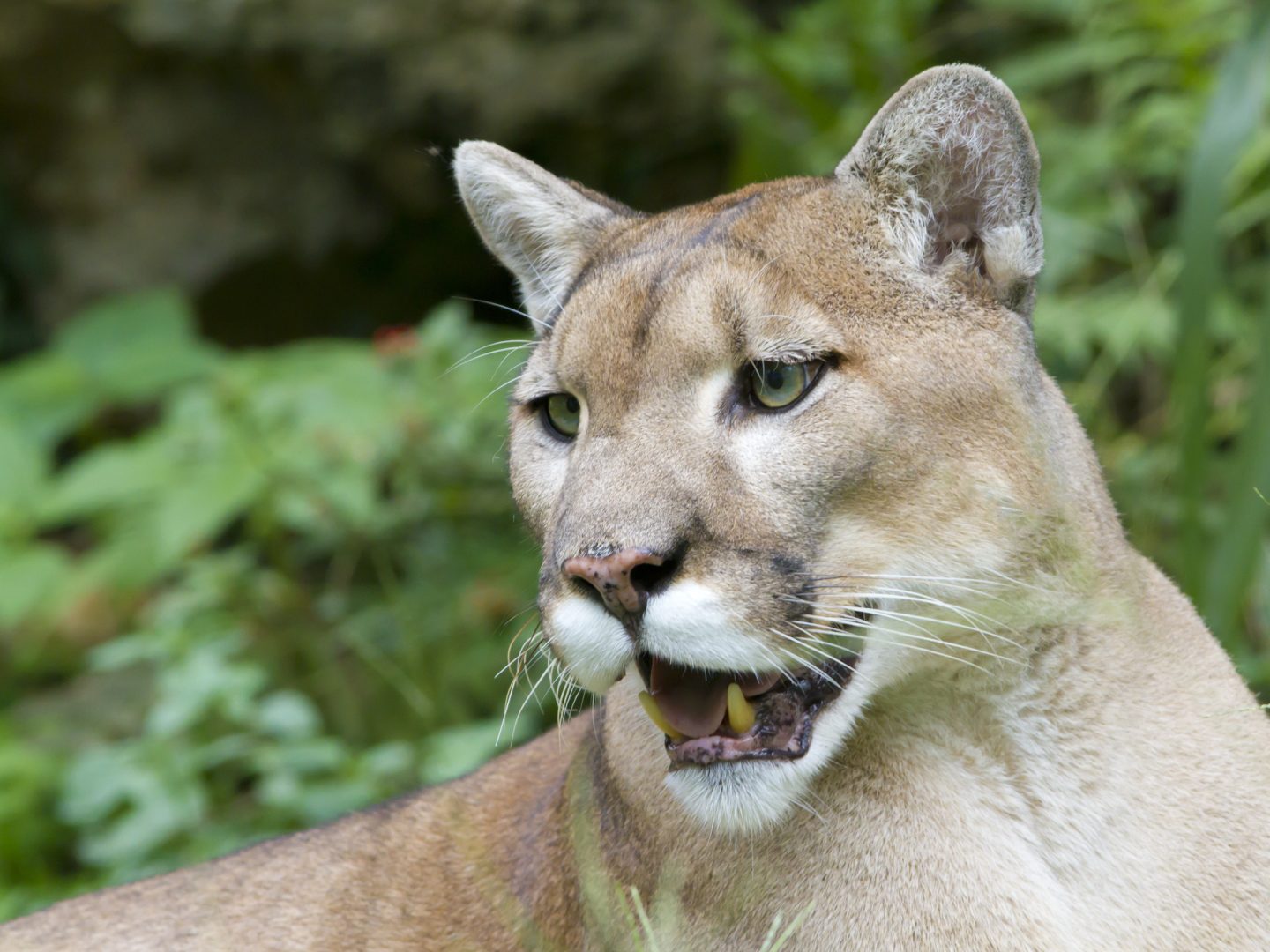
The Florida panther is a symbol of Florida’s wild soul. Once widespread, its numbers dropped drastically due to habitat loss and collisions with cars. Roughly 120 panthers roam in the southern part of the state. Conservation efforts focus on creating wildlife corridors, allowing these cats to roam safely without encountering roads.
West Indian Manatee
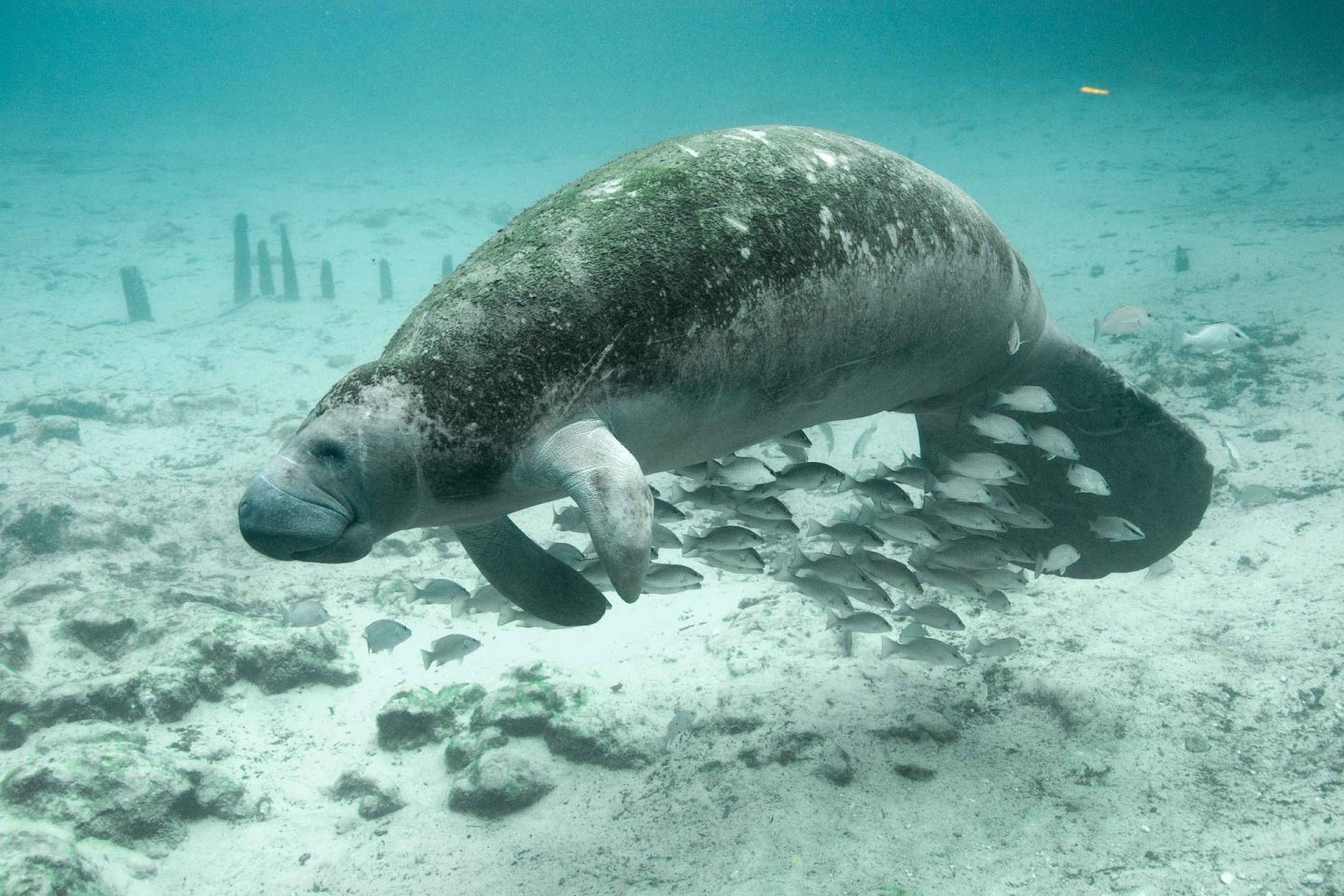
The West Indian manatee, known as “sea cows,” glides slowly through Florida’s warm waters. Boat strikes and the loss of warm-water refuges threaten their survival. Manatees rely on freshwater springs and power plant outflows during cold spells. Watching one swim close feels like meeting an ancient gentle giant.
Florida Scrub-Jay
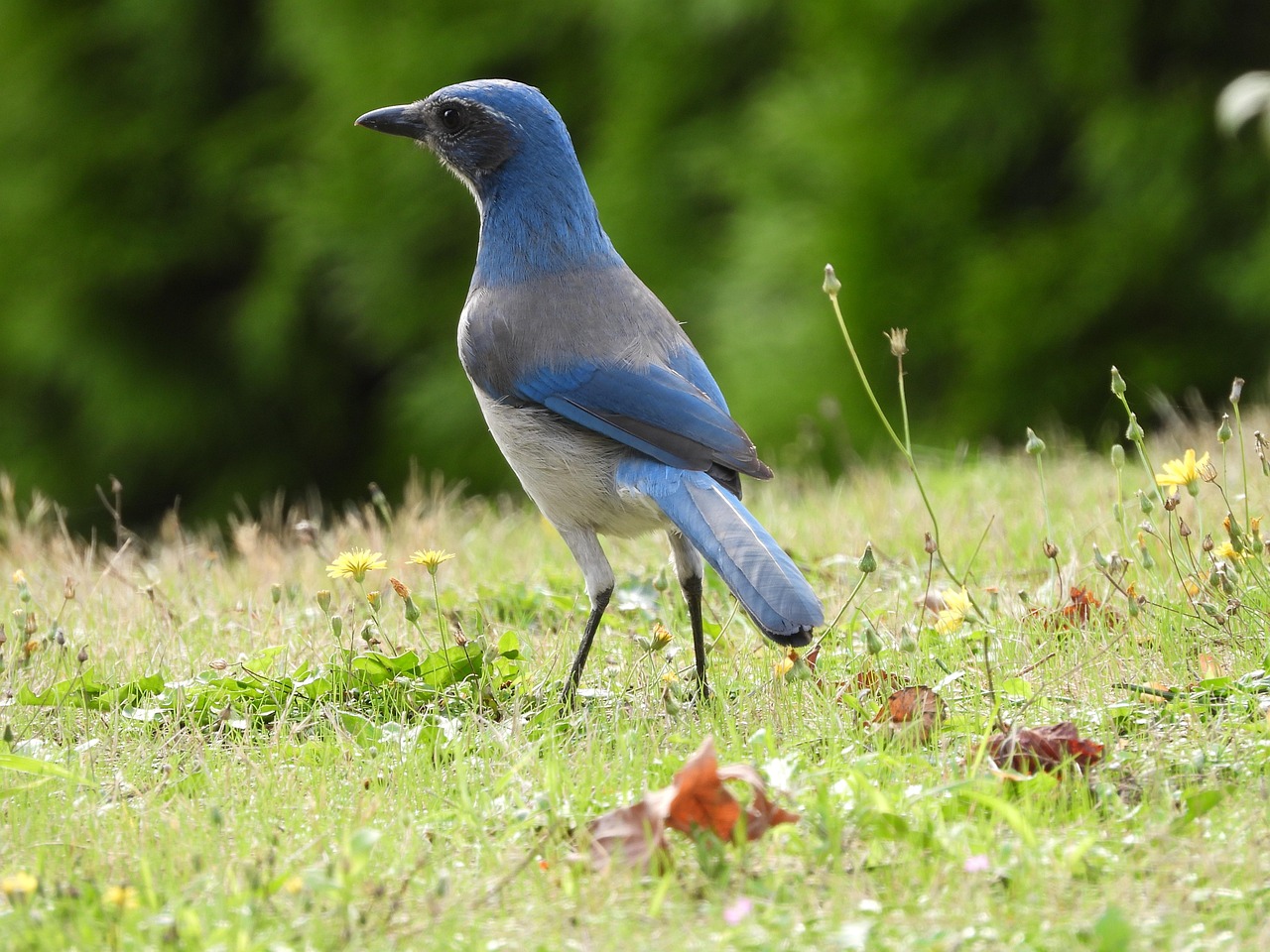
The Florida scrub jay lives only in Florida’s scrub habitats, areas with sandy soil and low shrubs. Urban growth and wildfires have reduced the size of these habitats, putting the scrub jay at risk of extinction. These birds have strong family bonds and unique calls, making them a favorite among birdwatchers.
Gopher Tortoise
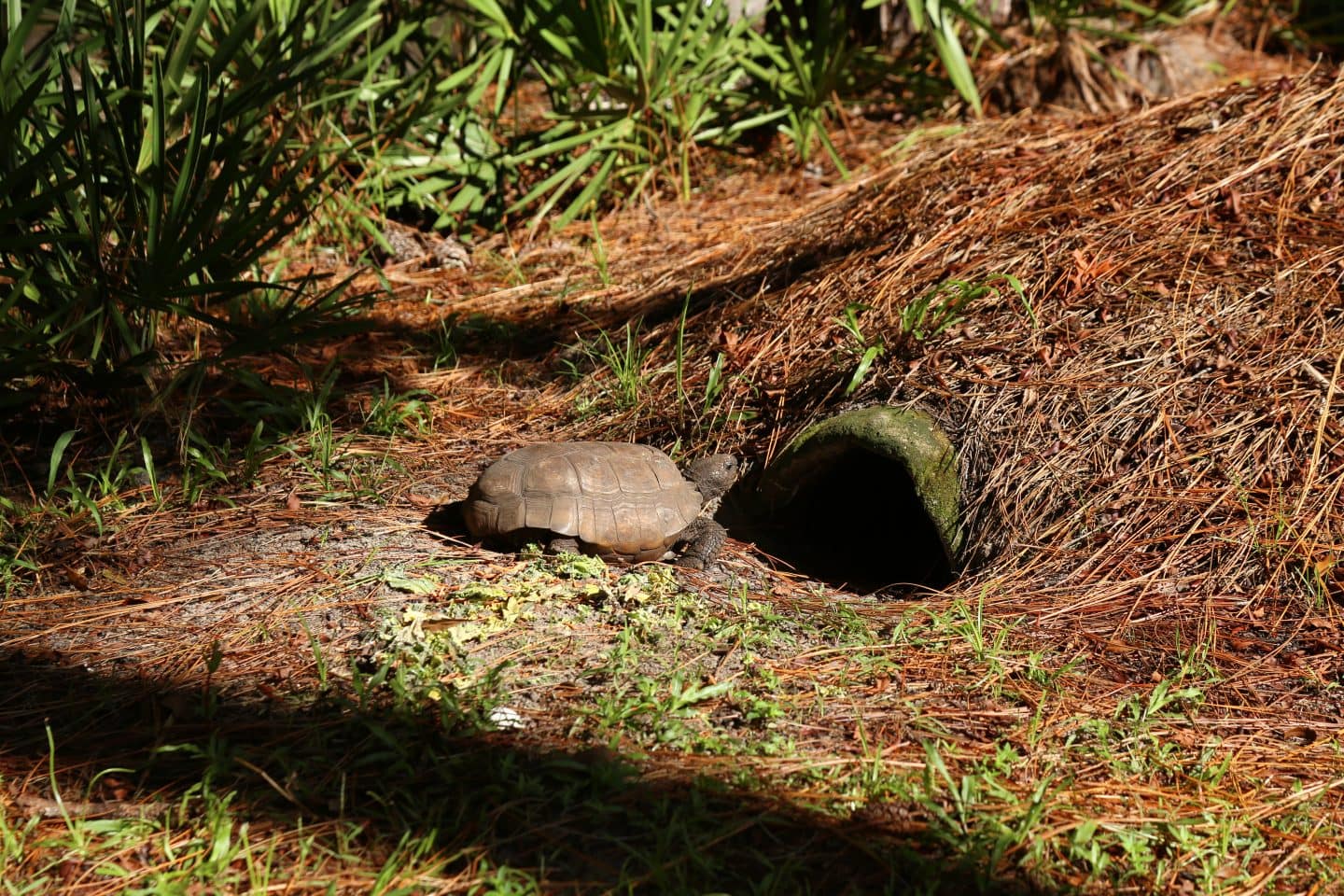
The gopher tortoise is a burrowing animal by nature and digs tunnels that shelter many other species. Its habitat has been lost to development and agriculture. Protecting these tortoises helps an entire underground community, including snakes and burrowing owls, survive.
Key Deer
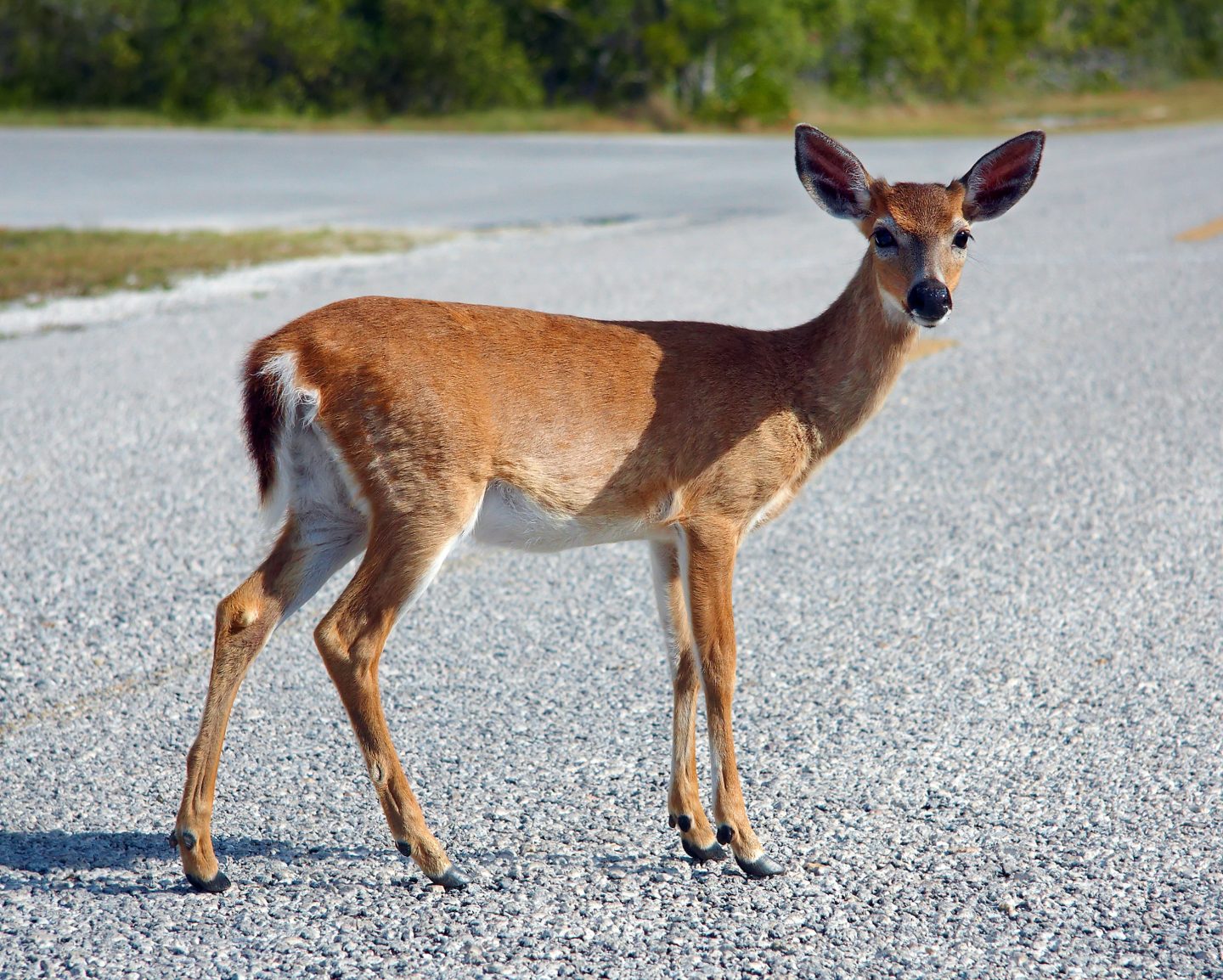
The Key deer, smaller than typical deer, lives only on the Florida Keys. This rare animal is a special spot in Florida’s wildlife. Their population faces threats from vehicle collisions and habitat fragmentation. Driving carefully on the Keys can help prevent accidents involving these tiny, endangered deer.
Eastern Indigo Snake
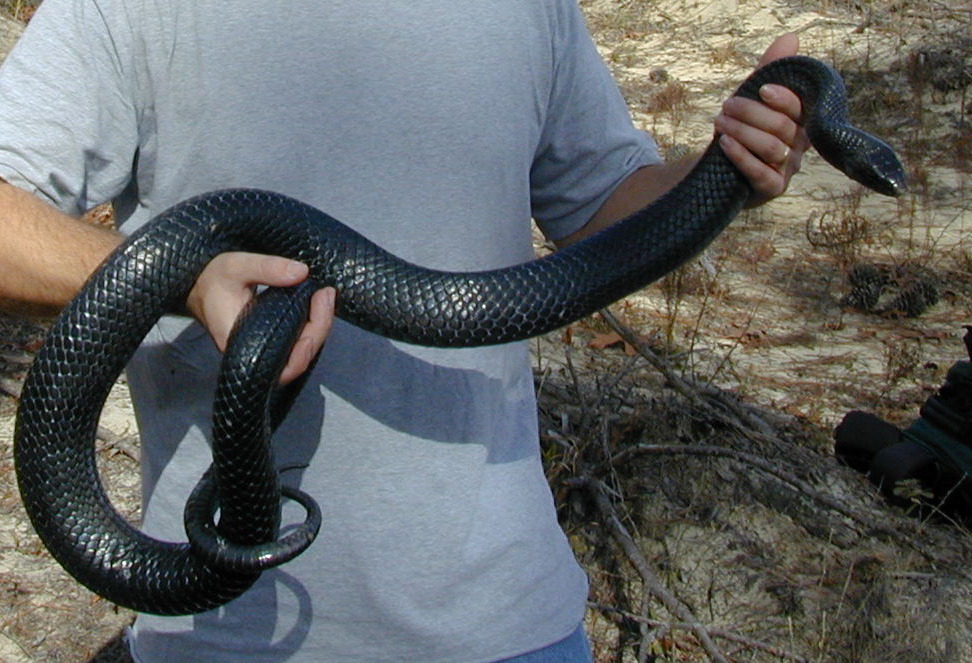
The eastern indigo snake is Florida’s longest native snake species. It controls populations of harmful rodents and venomous snakes. The loss of longleaf pine forests and gopher tortoise burrows limits its habitat. Seeing one in the wild is rare and exciting for snake enthusiasts.
Wood Stork
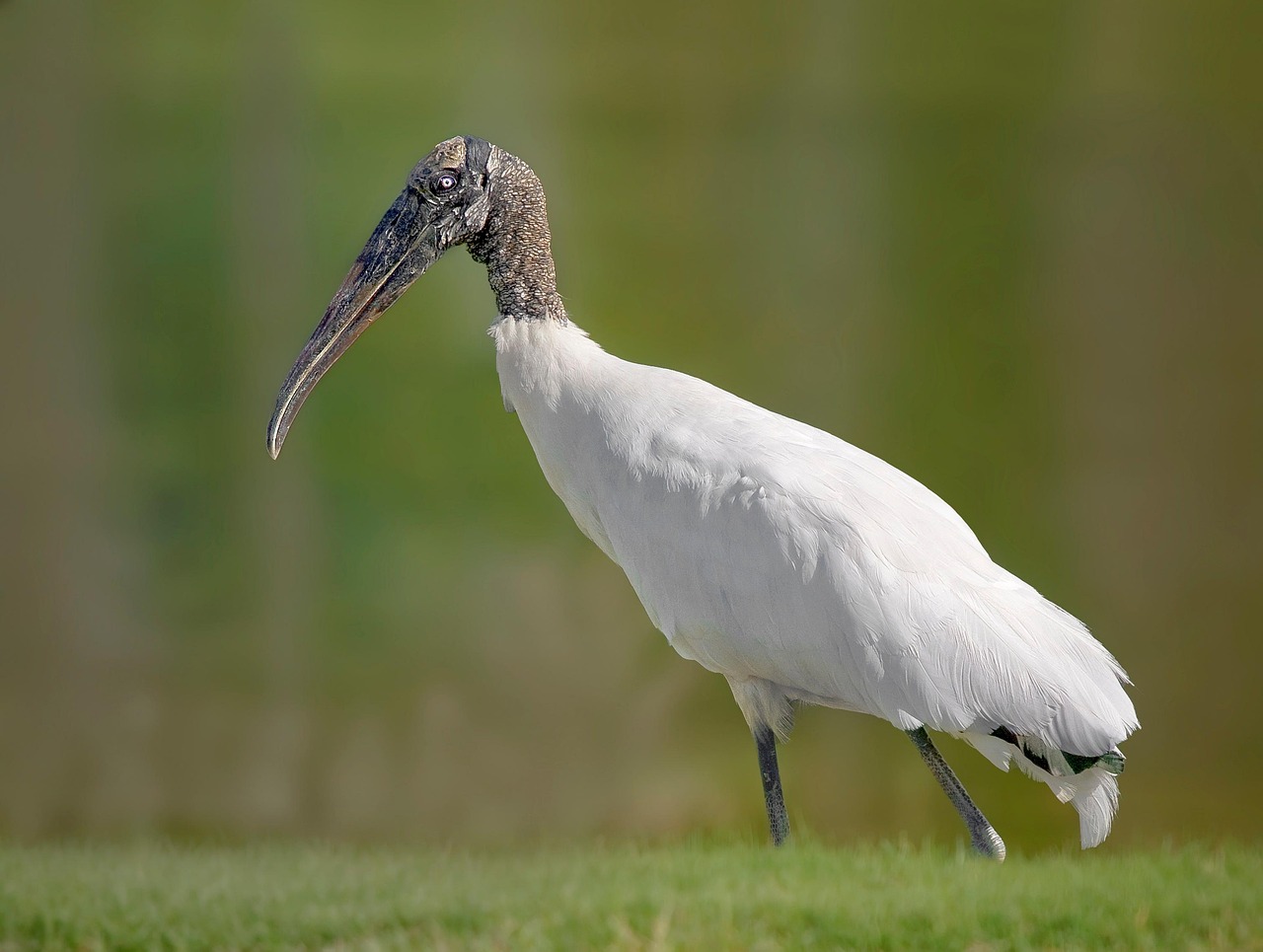
The wood stork feeds in wetlands that have been drained or altered for farming and development. Water pollution and changes in water flow hurt its ability to find food. Wetland restoration projects aim to bring back the ideal feeding grounds for these graceful birds.
Reticulated Flatwoods Salamander
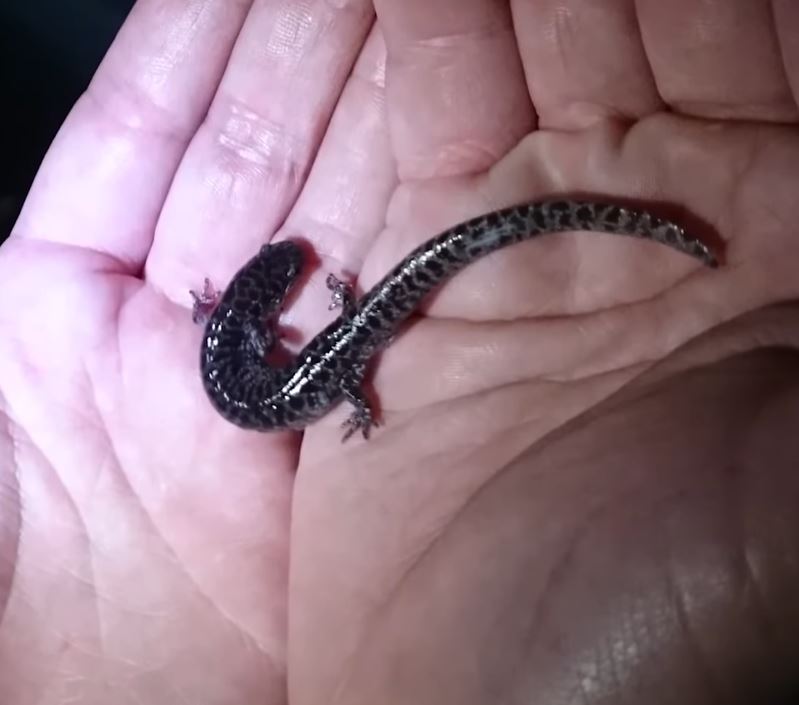
The reticulated flatwood salamander is a secretive amphibian living in pine flatwoods and depends on seasonal wetlands. Changes in fire management and water drainage disrupt its breeding sites. Its survival shows how fire and water cycles shape Florida’s ecosystems.
Panhandle Beach Mouse
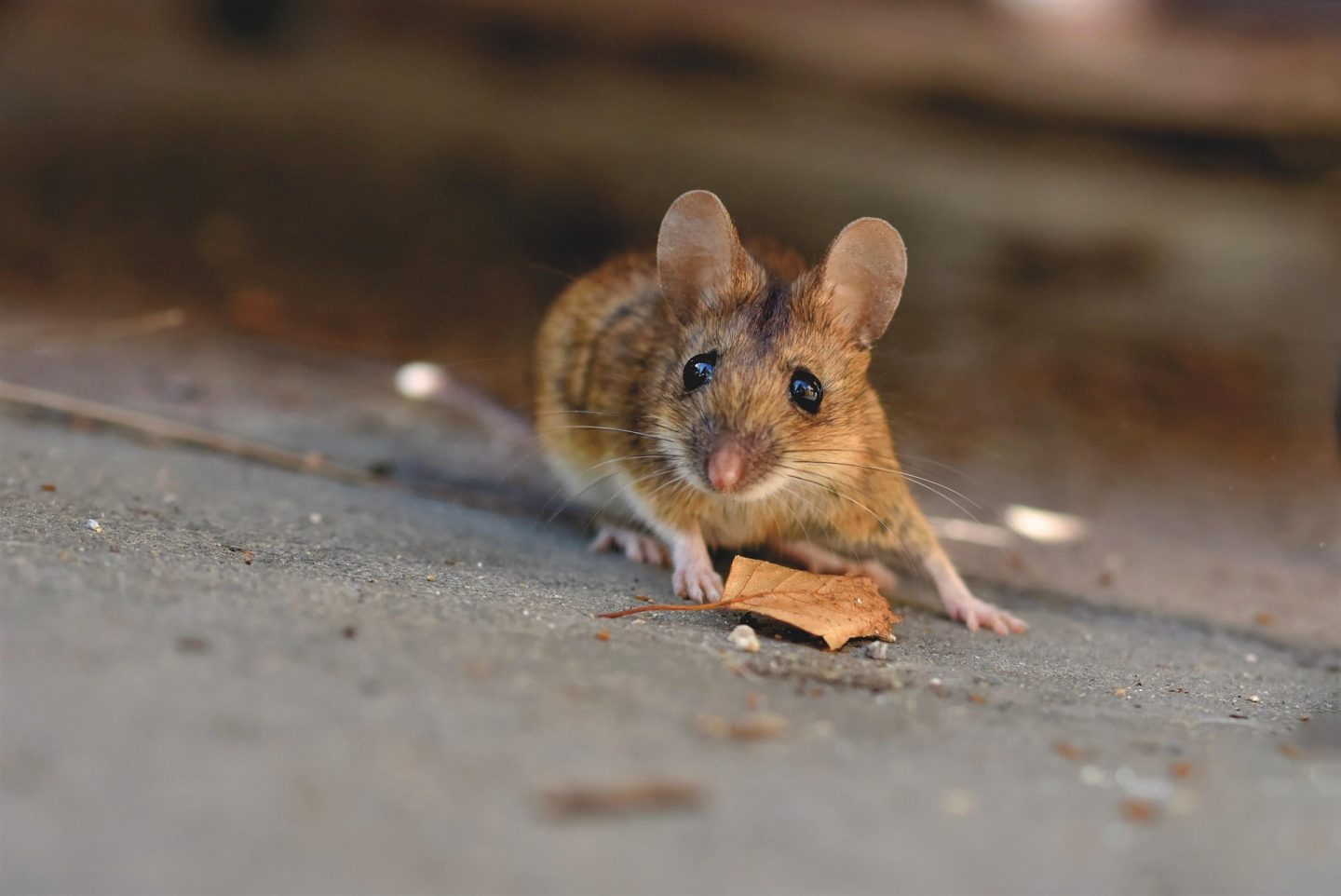
The U.S. panhandle beach mouse, found along Florida’s Panhandle coast, hides in dune grasses. Beach erosion and human disturbance put its home at risk. Protecting dunes helps save the beach mouse and shields the coastline from storms.
Snail Kite
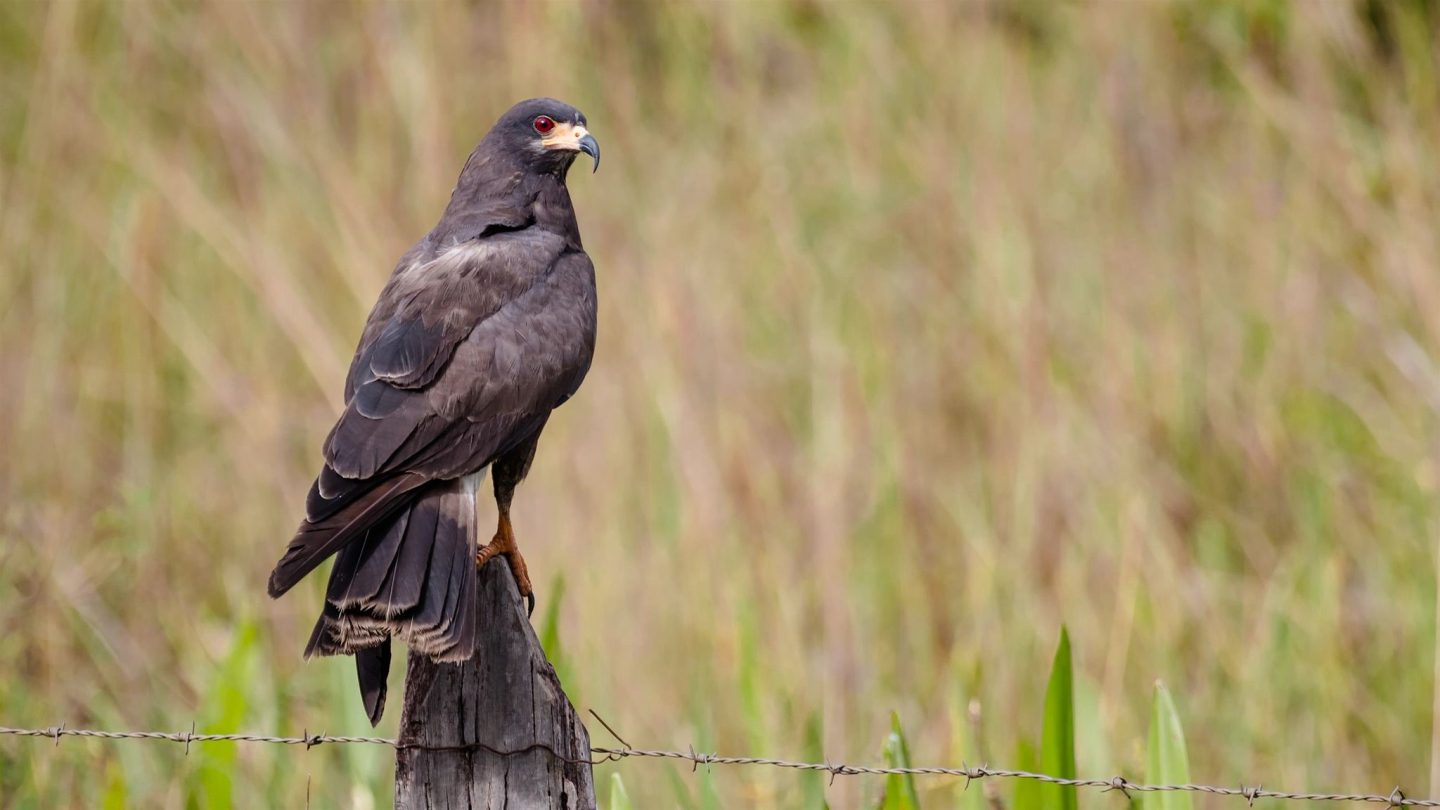
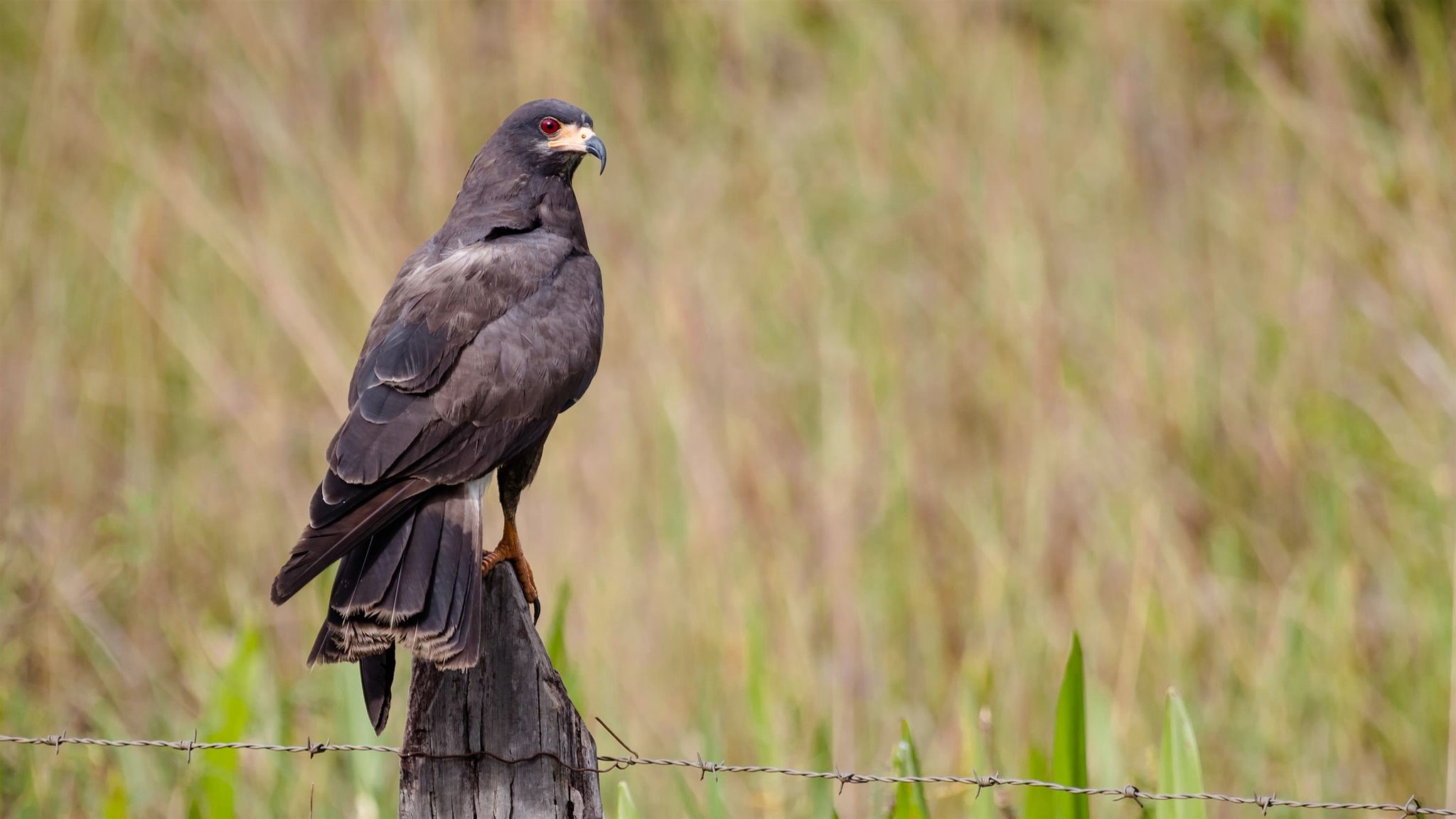
The snail kite is a bird of prey that feeds mainly on apple snails in freshwater marshes. Habitat loss and water pollution reduce snail populations, which in turn affects the kite’s food supply. Monitoring water quality and marsh health supports this specialist hunter.
Disclaimer: This list is solely the author’s opinion based on research and publicly available information.
Read More:

- Ultimate Guide To Picking The Best Travel Credit Card
- The 5 Best Budget Airlines in the United States
- 15 Best Countrıes to Vısıt in Afrıca
Disclaimer: This list is solely the author’s opinion based on research and publicly available information.