
10 Weird Italian Superstitions Locals Still Swear By
Italy isn’t just about pasta, art, and Vespa rides through cobblestone alleys. It’s also home to a deep well of superstitions that many locals still follow like gospel. These beliefs may seem unusual to outsiders, but they carry significant weight in everyday Italian life. Forget breaking a mirror or walking under a ladder, some of these will catch you off guard.
Ask a local about them and you won’t just get a yes or no. You’ll get a story. Maybe about a cousin’s wedding that went south because of a spilled salt shaker. Or how a friend missed out on love because they slept with their hat on. Curious? You should be.
Don’t Toast With Water

Raising a glass is a big deal in Italy. The clink matters, whether it’s wine, prosecco, or even sparkling water. But clinking glasses with just plain water? That’s seen as calling bad luck onto yourself or even wishing death. It might sound dramatic, but Italians take it seriously. Toast with water at your own risk, and expect some glares.
Never Gift Yellow Flowers

Flowers are big on symbolism, and color makes all the difference. Yellow flowers, especially yellow chrysanthemums, are tied to funerals and betrayal. Hand someone a yellow bouquet and you might as well be saying, “I hope this friendship dies.” Go for red or white if you’re aiming for romance or respect.
Beware the Number 17

In the U.S., 13 has a bad rap. In Italy, it’s 17. Why? Because the Roman numeral for 17, XVII, can be rearranged to spell “VIXI,” which translates from Latin to “I have lived.” That’s a poetic way of saying someone is dead. So don’t be surprised if buildings skip the 17th floor or folks get jittery on the 17th, which falls on a Friday of any month.
Don’t Sleep With a Hat on the Bed

Italians believe placing a hat on a bed, especially a new one, invites misfortune. Some say it’s because priests used to leave their hats on deathbeds. Others say it messes with the bed’s energy. Either way, hats belong on your head or on a hook, never on your mattress.
Touch Iron, Not Wood

In the U.S., people say “knock on wood” to avoid jinxing something. In Italy, you’re supposed to “touch iron” instead. The idea is the same: to protect yourself from tempting fate, but the material is different. If you can’t find iron nearby, some Italians give their private parts a quick touch. No, really. It’s a thing.
Red Underwear for New Year’s Eve

Want luck in love and life for the new year? Then you better be wearing red underwear when the clock strikes midnight on December 31. But there’s a catch: it has to be a gift from someone else. And you’re supposed to toss it the next day. Keeping it means keeping the past year’s energy, good or bad.
Spilled Salt Means Trouble
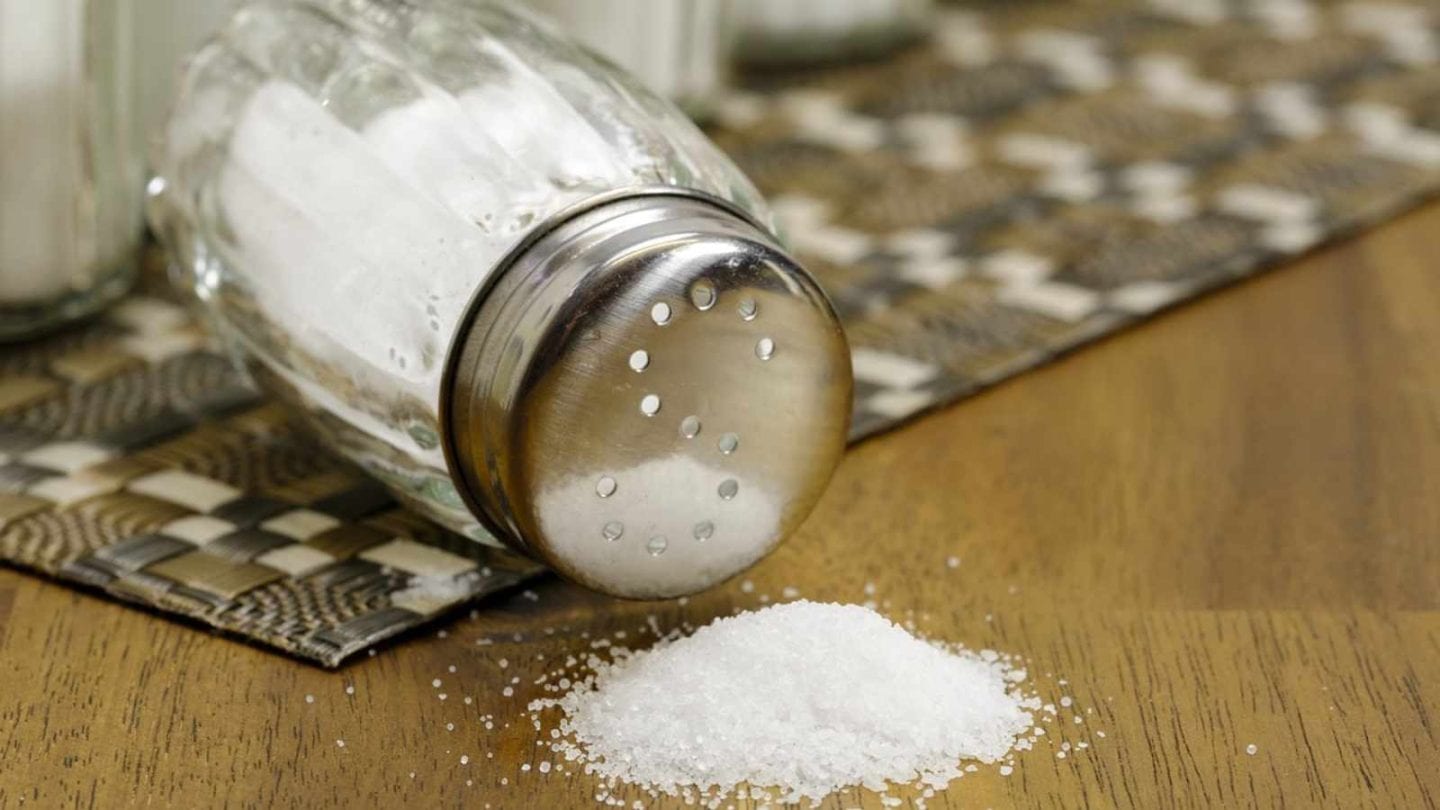
Salt used to be rare and expensive. Wasting it was a big deal, which might be why spilling it is still considered bad luck. If you do knock over the salt shaker, there’s a fix: toss a pinch of it over your left shoulder. That’s where the devil supposedly waits. Give him a salty surprise and move on with your day.
Pregnant Women Should Avoid Funerals

Many Italians believe death and new life shouldn’t mix. Pregnant women are often told to skip funerals to protect the unborn baby from sad or negative energy. It’s not medical advice; it’s more about vibes and tradition. Even modern Italian moms-to-be will sometimes follow this one, just in case.
Itchy Hands Predict the Future

Got an itch on your right palm? That means money is coming your way. Left palm? You’ll be spending it. Some even say the left means someone’s talking about you. It’s kind of like the Italian version of a financial forecast, with no spreadsheets needed. Locals will smile and nod knowingly if you mention it.
Don’t Place Bread Upside Down
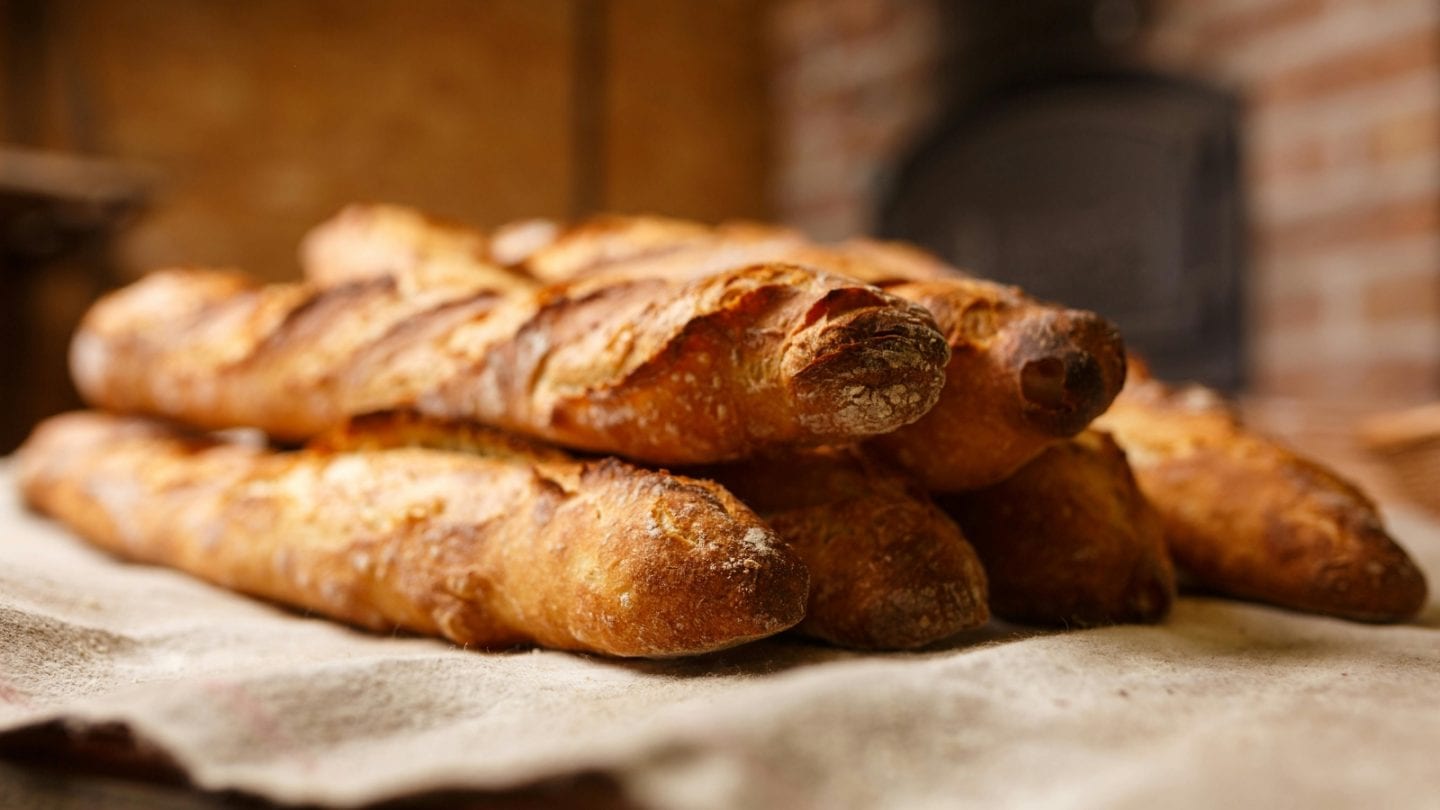
Bread holds deep meaning in Italian homes. It represents life, nourishment, and even the sacred. So, placing a loaf upside down is like flipping life on its head, disrespectful and unlucky. You’ll often see bakers in Italy flipping loaves upright if they notice one resting the wrong way. It’s second nature.
Disclaimer: This list is solely the author’s opinion based on research and publicly available information.
You Might Also Like:

How To Stick To Your Holiday Budget and Avoid Debt: With the holiday season in full swing, many find themselves facing high expenses. The anticipation of gift-giving, coupled with the desire to create unforgettable moments, often leads to the common tradition of seasonal spending, with the average holiday budget reaching a considerable sum.