10 Things Some Americans Do That Annoy the Rest of the World
Every country has its quirks, and Americans are no exception. Traveling abroad can be eye-opening, especially when habits you barely notice at home suddenly stick out like a sore thumb. What feels normal in the U.S. can come off as strange, loud, or even disrespectful in other places.
No one’s trying to offend anyone. It’s more about cultural habits that clash. But if you’re heading overseas anytime soon or just curious about how the rest of the world sees us, here are ten things Americans often do that rub people the wrong way.
Talking Loudly in Public Spaces

Americans are known for being expressive, but in many countries, quiet tones are a sign of respect, especially in places like trains, cafes, or museums. That booming voice at the next table might be normal back home, but in Tokyo or Paris, it turns heads for all the wrong reasons.
Assuming Everyone Speaks English

English might be widely spoken, but it’s not universal. When Americans visit non-English-speaking countries and get frustrated that people don’t understand them, it can come off as arrogant. A few basic phrases in the local language go a long way and show that you care enough to try.
Tipping When It’s Not Expected
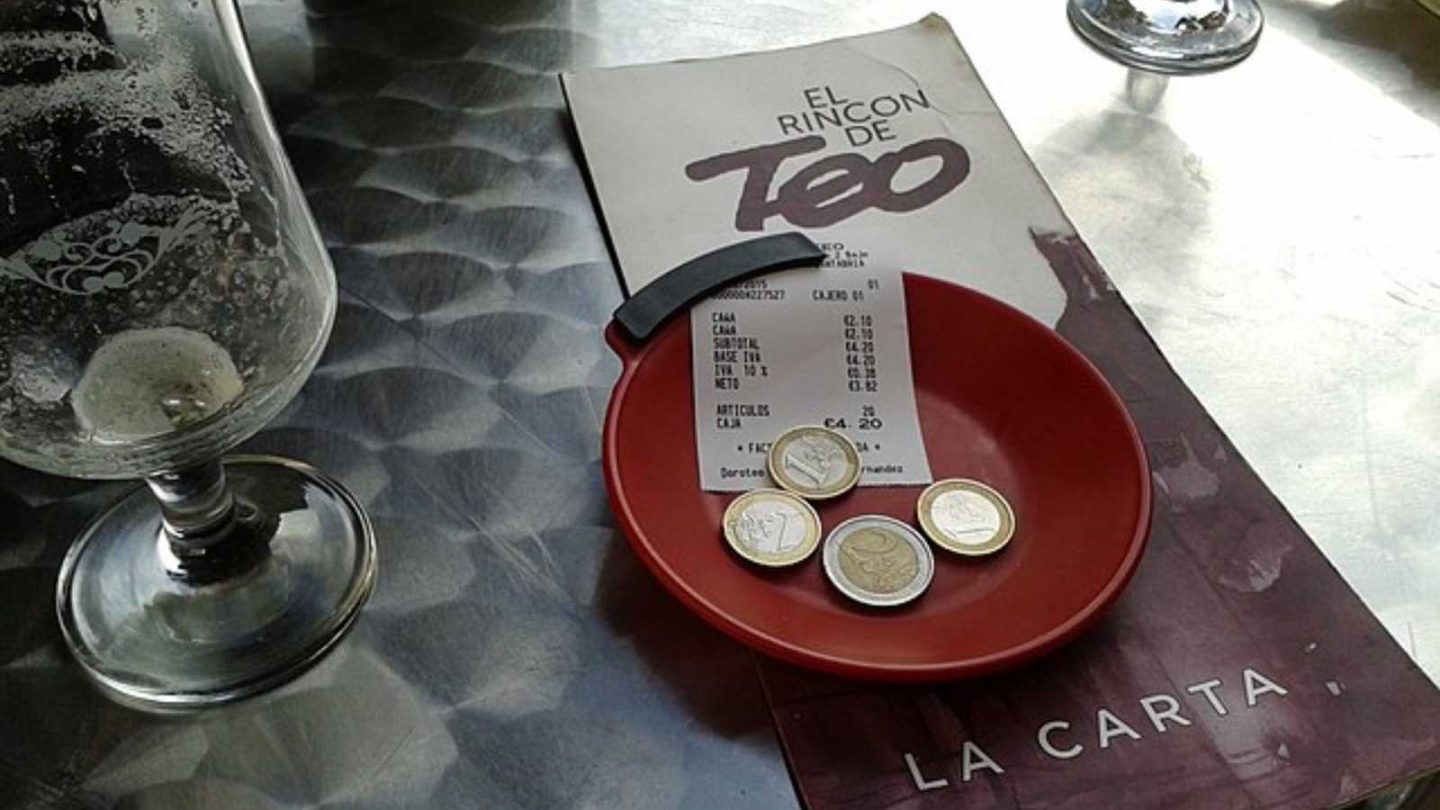
In the United States, tipping is a standard part of the service culture. However, in places like Japan or Australia, tipping can be confusing or even offensive to staff. It’s seen as unnecessary or implies the worker wasn’t paid fairly. Always check the local customs before reaching for your wallet.
Over-sharing Personal Details

Americans often strike up conversations with strangers, sharing stories about work, relationships, or health like it’s no big deal. In many cultures, especially in Europe or Asia, that level of openness is seen as too much too soon. A little mystery can be more polite.
Dressing Too Casually

Wearing gym shorts and flip-flops to a nice restaurant might fly in Florida, but in places like Italy or France, it’s frowned upon. Locals often view it as lazy or disrespectful, especially in sacred places such as churches or formal venues. When in doubt, neat and modest wins.
Being Obsessed With Ice

Ask for water in a restaurant in Europe, and you’ll probably get it at room temperature with no ice. Americans, on the other hand, love drinks filled to the brim with cubes. Some locals find it bizarre, especially in colder countries. It’s a small difference, but one that stands out.
Expecting Free Refills

Unlimited soda refills are a common perk in U.S. diners, but not so much abroad. Many places charge per drink, and asking for more can feel like you’re pushing it. It’s not rude to want a refill, but acting surprised when it costs extra can come across as entitled.
Measuring Everything Differently

Fahrenheit, inches, pounds, and gallons can be confusing for many people outside the U.S. Most of the world uses the metric system. What’s a few degrees Celsius between friends? Well, it can cause headaches if you’re trying to follow a recipe or discuss the weather and you’re on completely different scales.
Bragging About America Being “The Best”

Patriotism is fine, but saying “America is the greatest country” while visiting someone else’s home can feel dismissive. Every country has something it’s proud of. Instead of comparing, it’s often better to listen, learn, and appreciate what makes each place special.
Saying “How Are You?” But Not Meaning It

In the U.S., “How are you?” is a quick greeting. Most times, people don’t expect a real answer. But in other cultures, it’s taken literally. Someone might start telling you about their day or health, only to be met with confusion when you’ve already moved on. It can feel insincere if you’re not prepared to listen.
Disclaimer: This list is solely the author’s opinion based on research and publicly available information.
You Might Also Like:

How To Stick To Your Holiday Budget and Avoid Debt: With the holiday season in full swing, many find themselves facing high expenses. The anticipation of gift-giving, coupled with the desire to create unforgettable moments, often leads to the common tradition of seasonal spending, with the average holiday budget reaching a considerable sum.