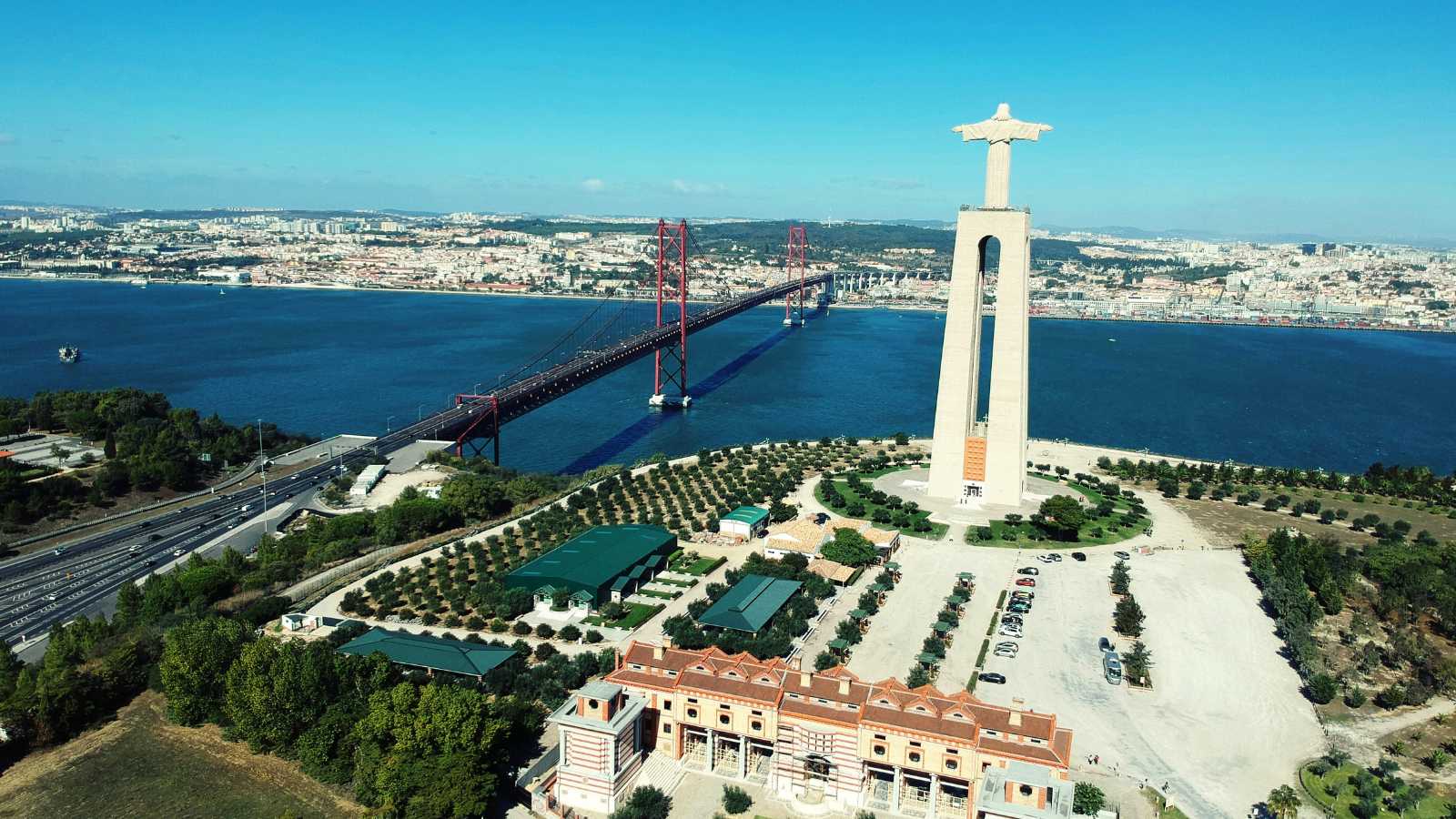
10 of the Most Stunning Walkable Destinations Around the World
Traveling on foot changes the pace. It slows things down. You notice the uneven bricks in a centuries-old street. You hear the echo of your steps between stone walls. The world doesn’t blur past; it unfolds under your feet. Some places are made for this kind of travel. Their charm shows up block by block, corner by corner. You don’t need a car or a tour bus: just comfortable shoes and a little curiosity.
These cities don’t punish you for walking; they reward you. Wide sidewalks, pedestrian zones, lively street corners, and sudden surprises like a violinist in an alley or a bakery giving out samples. These places are easier to fall for because they welcome your pace. Here are ten destinations where walking isn’t just possible; it’s the best way to see everything that matters.
Kyoto, Japan
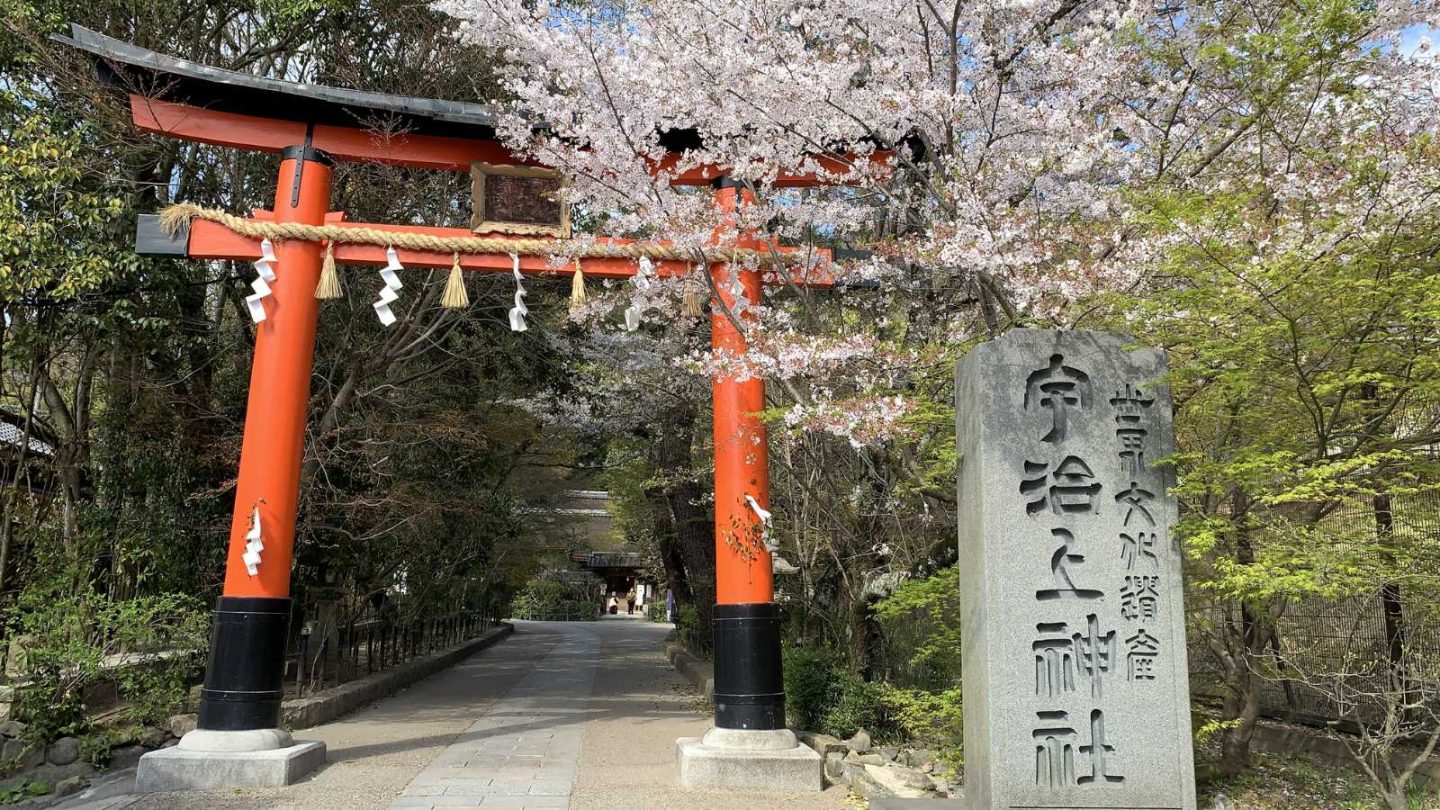
Wander through Kyoto, and you’ll find yourself time-traveling. One minute, you’re crossing a quiet canal lined with cherry trees. The next, you’re ducking into a centuries-old teahouse. The city strikes a balance between old and new without forcing them to compete with each other. Side streets lead to shrines. Markets buzz with locals buying handmade sweets and pickles. Walking here feels like a calm conversation with the past.
Florence, Italy
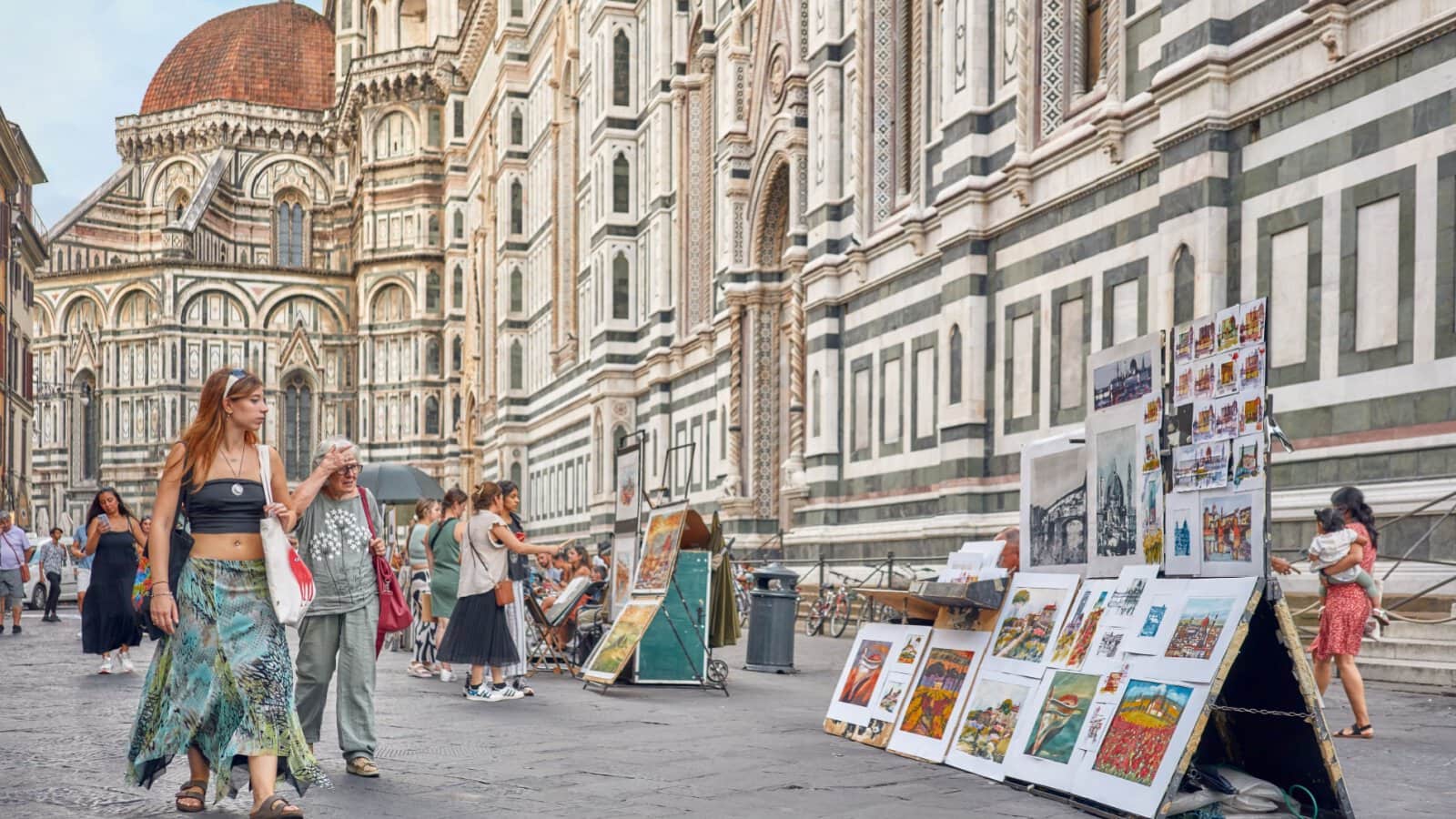
Florence doesn’t need directions. Everything seems to spill out naturally from the Duomo. Art, architecture, and gelato shops are never more than a few steps apart. It’s one of those cities where getting lost is more fun than sticking to a plan. You’ll turn a corner and spot a statue you’ve seen in books. Or maybe just a cozy piazza with perfect people-watching potential. The cobblestone streets may wear out your soles, but your curiosity won’t get a break.
Lisbon, Portugal
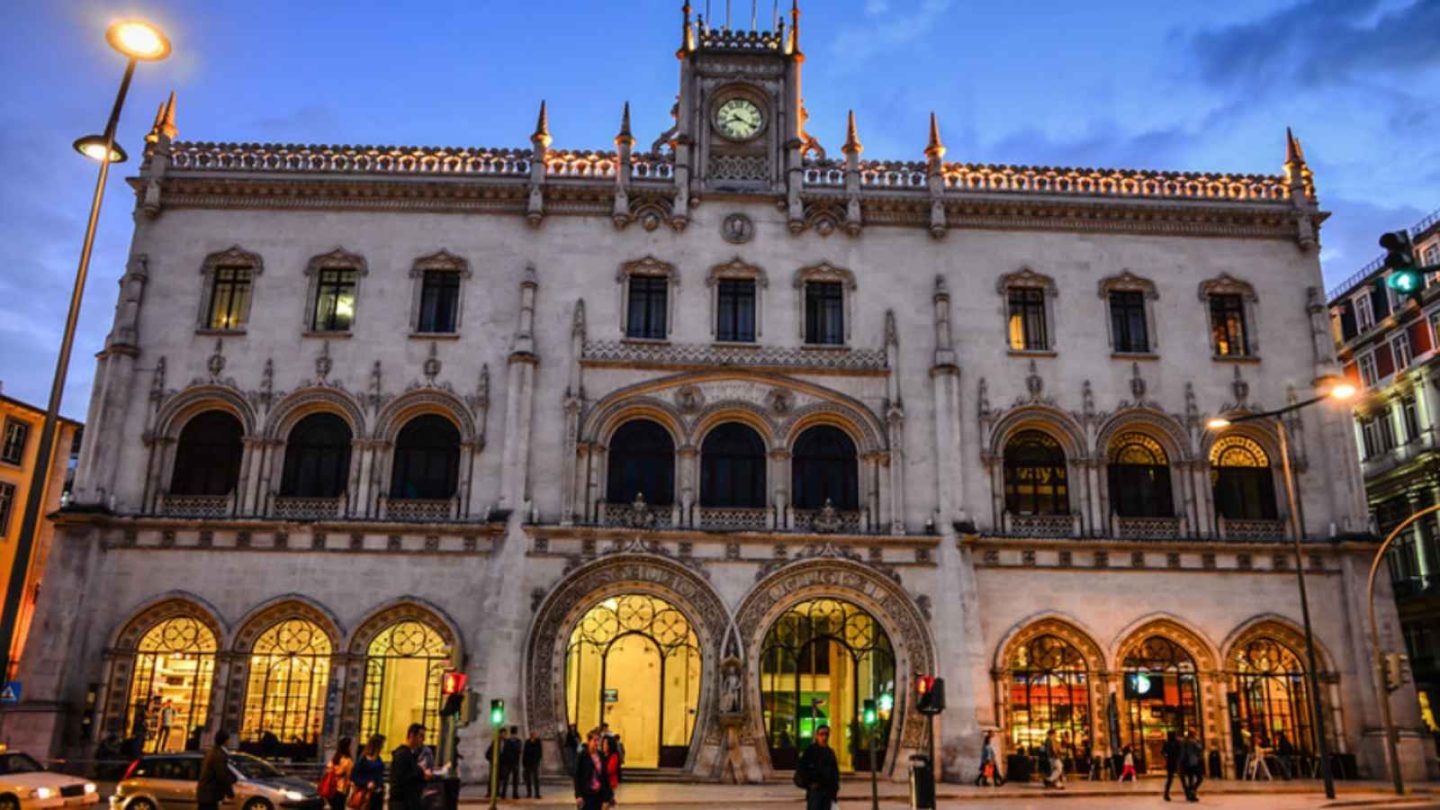
Lisbon makes you work for the view, but it’s worth it. Hills, trams, tiled facades, and sea breezes mix into something you don’t forget. The city’s seven hills work your legs, but the pastel buildings and golden light distract you from the burn. Each neighborhood feels like its own small town. Alfama is all winding alleys and guitar music. Bairro Alto wakes up late and sings into the night. Walking here feels like flipping pages in a book written just for you.
New York City, USA
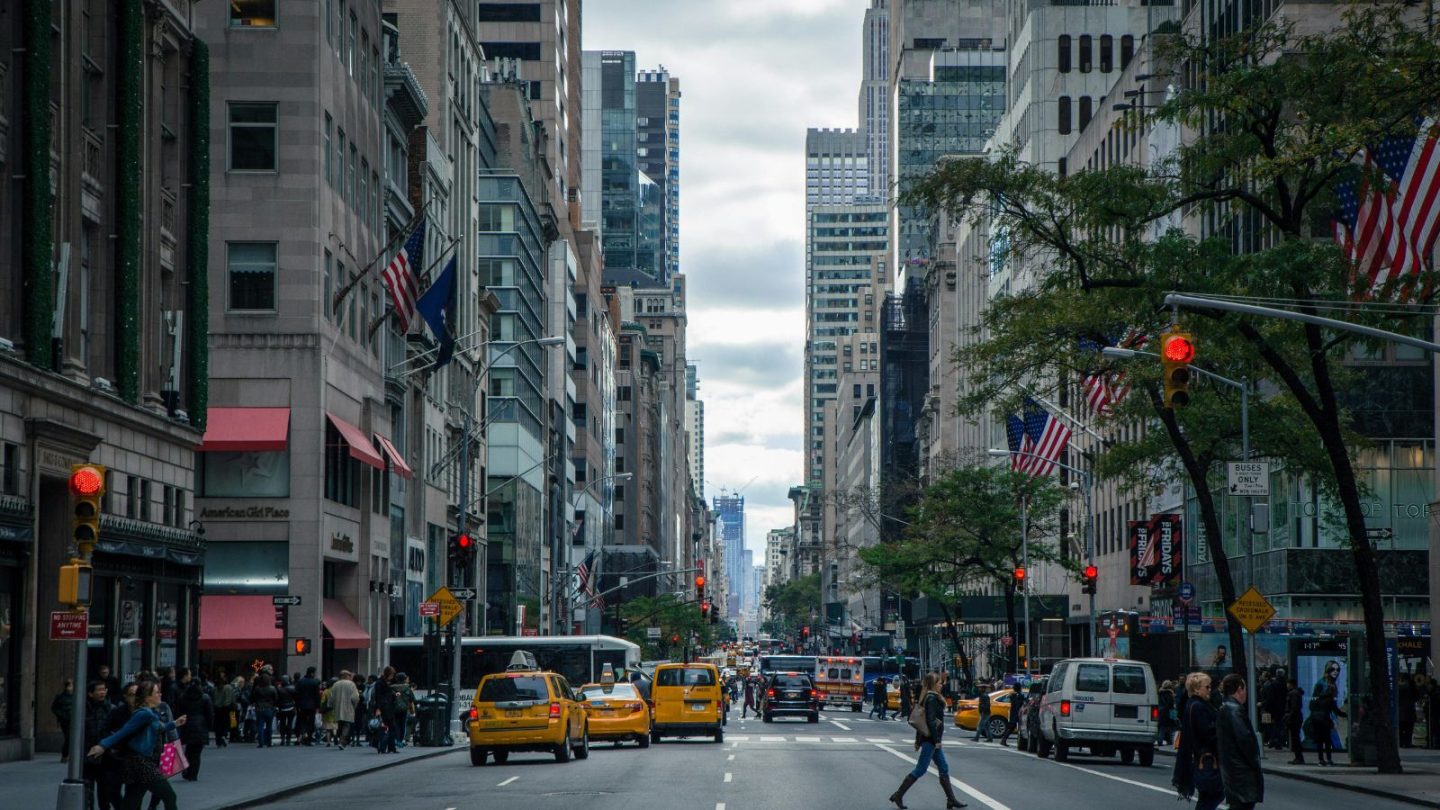
It might seem obvious, but it’s true: New York is made for walking. The grid makes it easy. The energy makes it addictive. Street corners become theaters, delis become landmarks, and every subway exit drops you into a new scene. Central Park offers breathing space. Downtown throws you into a rush. Brooklyn whispers with murals and food trucks. You can walk from breakfast to bedtime without repeating a street or a mood.
Buenos Aires, Argentina
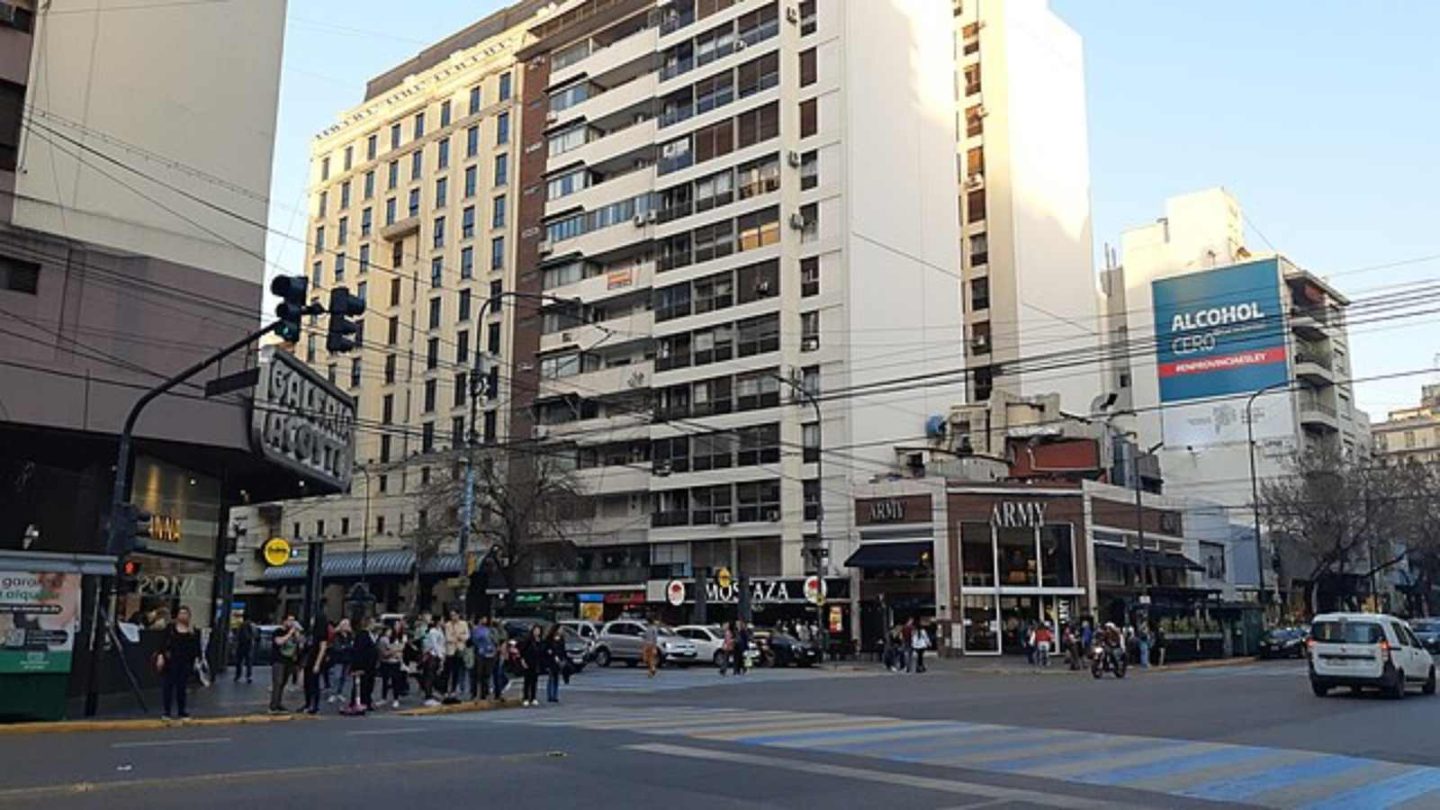
This city feels like a dance—not just because of tango but because of the way people move. Walking through Buenos Aires means catching the rhythm of its neighborhoods. Recoleta offers a quiet charm with its flower-filled parks. Palermo is all street art and late-night cafes. San Telmo features cobblestone streets and antique markets. The city rewards those who wander with unexpected bookstores, leafy plazas, and the smell of fresh empanadas at every turn.
Barcelona, Spain

Barcelona mixes Gothic alleys with beach boardwalks. You can stroll past Gaudí’s wild buildings in the morning, then grab churros by the sea in the afternoon. The sidewalks are wide. The neighborhoods flow into each other. Each one has its flavor, literally and figuratively and the Gothic Quarter? It feels like a maze built by poets. Walking here means shifting between centuries like it’s no big deal.
Paris, France
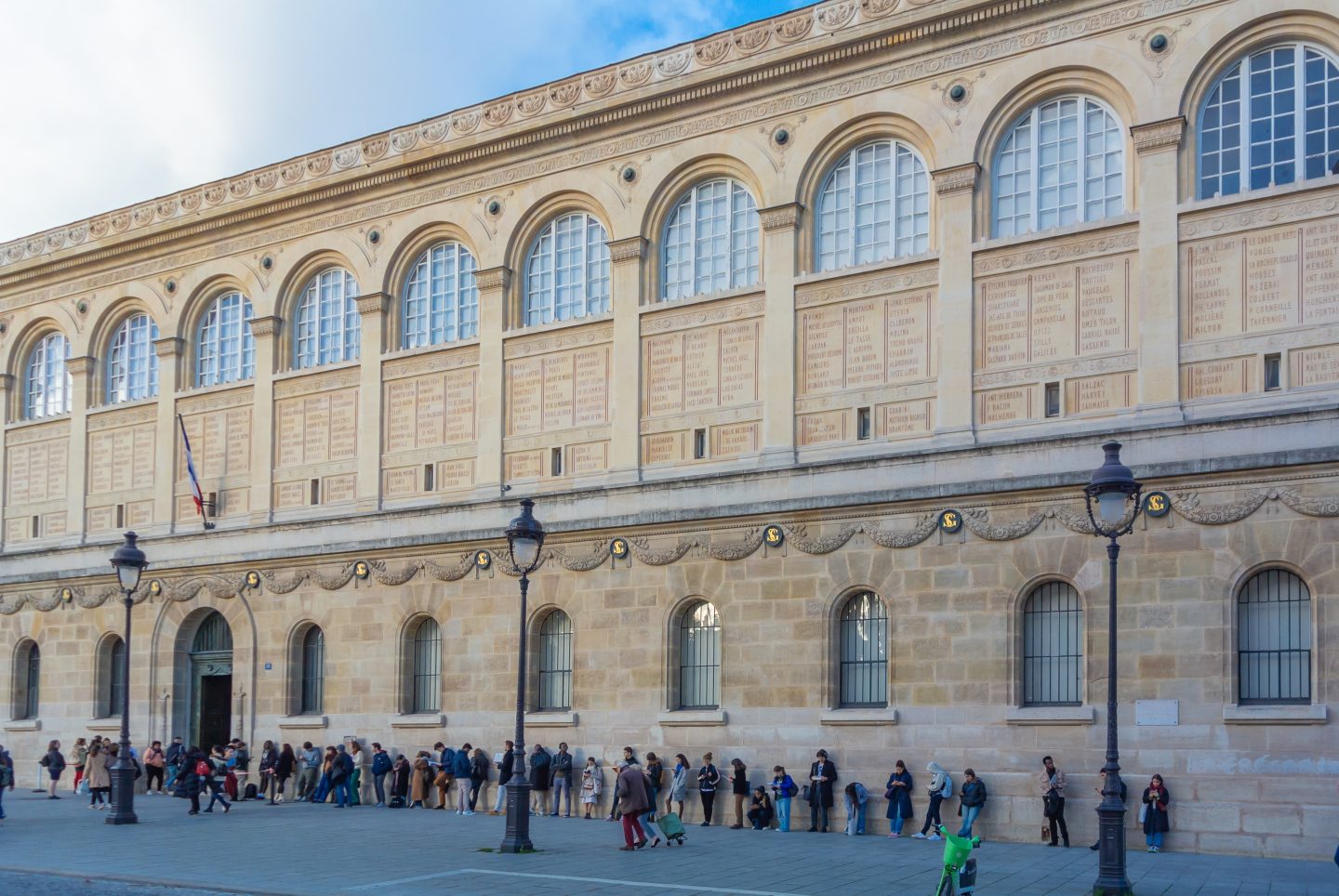
Paris is synonymous with walking, especially on the Left Bank. This area is packed with bookshops, cafés, and river views. Recent data shows that pedestrian zones have increased, encouraging more locals and visitors to explore on foot. It’s a perfect spot to practice your French or watch the world go by at a sidewalk café.
Amsterdam, Netherlands

Amsterdam’s canal belt is a UNESCO World Heritage site, famous for its ring of waterways and historic houses. Amsterdam on foot lets you slow down enough to notice things. Like the curves of a bridge, the gleam of a canal, or the way locals peek through café windows. The city is cozy and compact, and every street feels like a postcard. The Jordaan district pulls you in with calm corners and courtyard gardens. The city center buzzes with tourists, but take a turn, and it’s just you and the water.
Charleston, USA
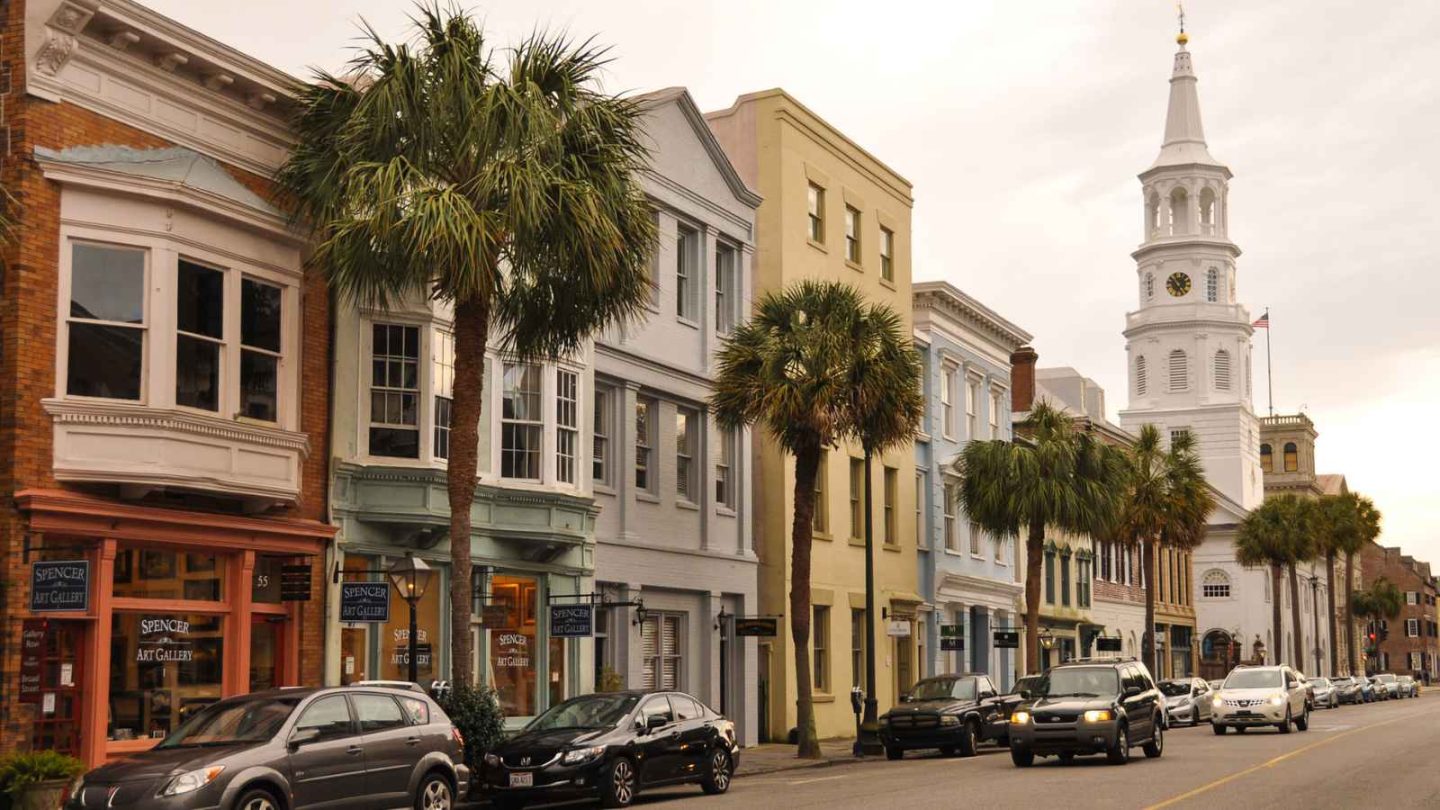
Charleston is a walkable city. The humidity might slow you down, but it’s part of the charm. Brick sidewalks lead past pastel houses with shutters that wink at you. Oak trees spread out like umbrellas. History sits on porches and leans into conversations. It’s a city that invites you to walk, stop, and walk again. Thanks to a side street with an irresistible antique shop or bakery, you might plan a quick route and find yourself an hour late.
Edinburgh, Scotland
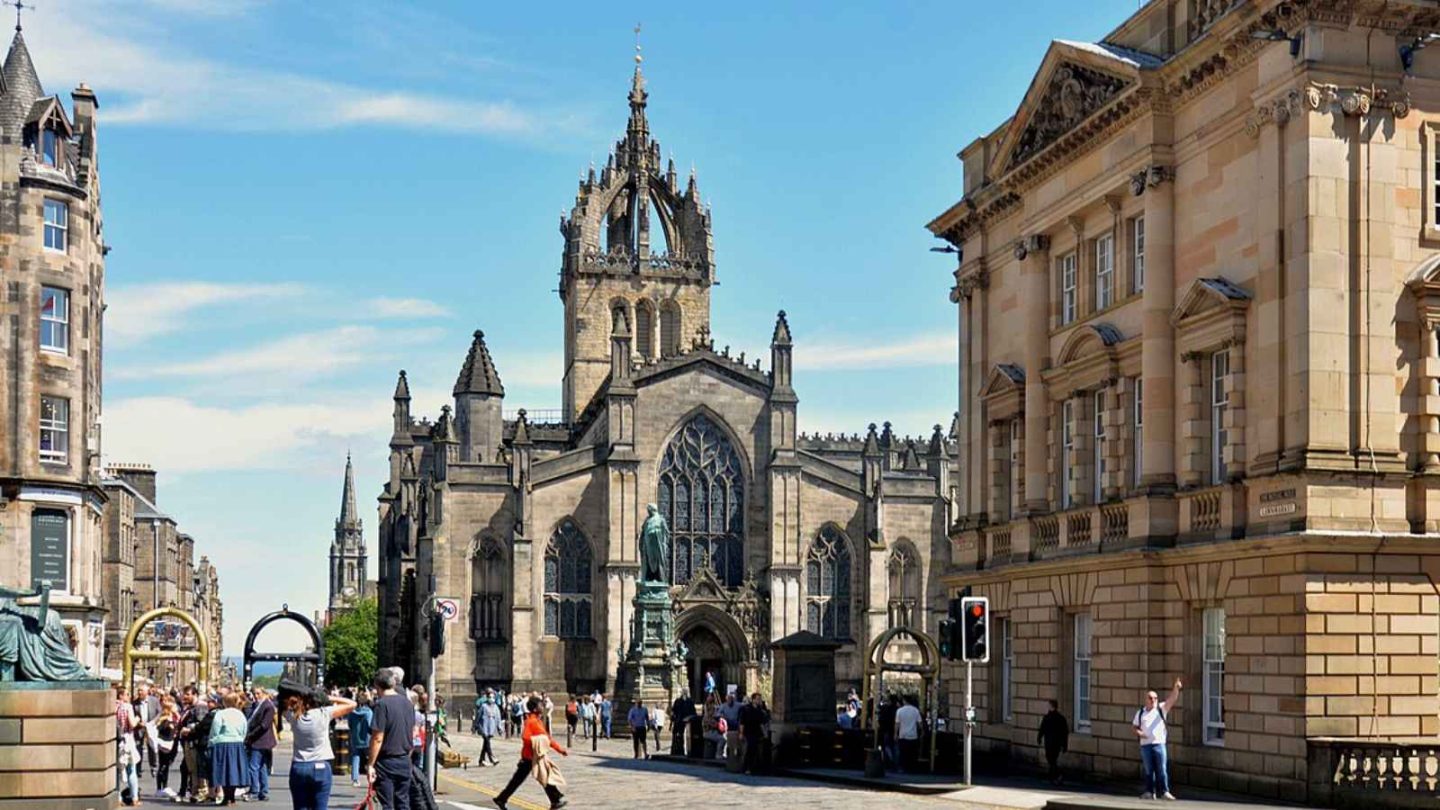
This city is made of layers. Stairs wind up and down like the city can’t decide how to grow. Edinburgh’s Royal Mile runs from Edinburgh Castle down to Holyrood Palace. The weather keeps things interesting, but even in the drizzle, the views are worth it. A walk up Arthur’s Seat, an ancient volcano in Edinburgh, gives you a skyline that explains everything. Edinburgh works best when you move slowly enough to notice its moods.
Melbourne, Australia
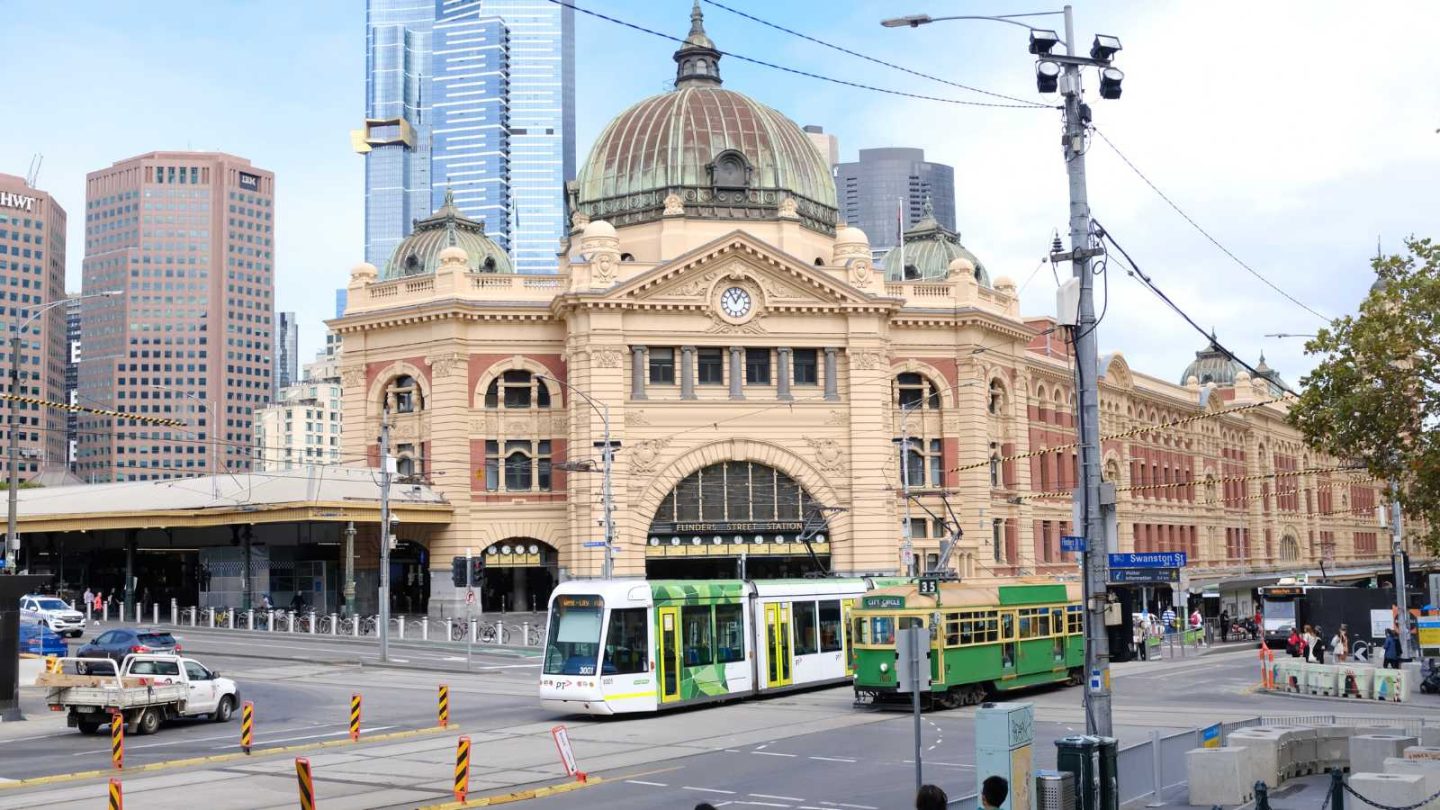
Melbourne doesn’t flaunt its charm, but once you start walking, you realize the best stuff isn’t on the main street. It’s in laneways packed with street art. In arcades with old bookstores and oddball shops. In parks filled with people who know how to stretch a lunch break. Each neighborhood shifts its tone without losing its personality. Walking here is like piecing together a giant puzzle, one café, one mural, one side street at a time.
Disclaimer: This list is solely the author’s opinion based on research and publicly available information.
You Might Also Like:

How To Stick To Your Holiday Budget and Avoid Debt: With the holiday season in full swing, many find themselves facing high expenses. The anticipation of gift-giving, coupled with the desire to create unforgettable moments, often leads to the common tradition of seasonal spending, with the average holiday budget reaching a considerable sum.