
10 Countries the US Government Advises its Citizens Not to Enter
The U.S. Department of State’s travel advisories contain essential information when you design your international travel plans. The alerts serve to educate citizens about different risk levels including health issues and political risks which exist in multiple countries. The majority of travel destinations receive safe status from experts but others receive top alert warnings because of extreme risks.
The State Department classifies travel advisories into four levels: Travelers should follow four distinct alert levels: The State Department classifies travel advisories into four levels: Level 1 (Exercise Normal Precautions), Level 2 (Exercise Increased Caution), Level 3 (Reconsider Travel), and Level 4 (Do Not Travel). Countries designated as Level 4 are considered particularly hazardous, and U.S. citizens are strongly discouraged from visiting them. A closer look at these nations will reveal why specific advisories have been issued.
Afghanistan
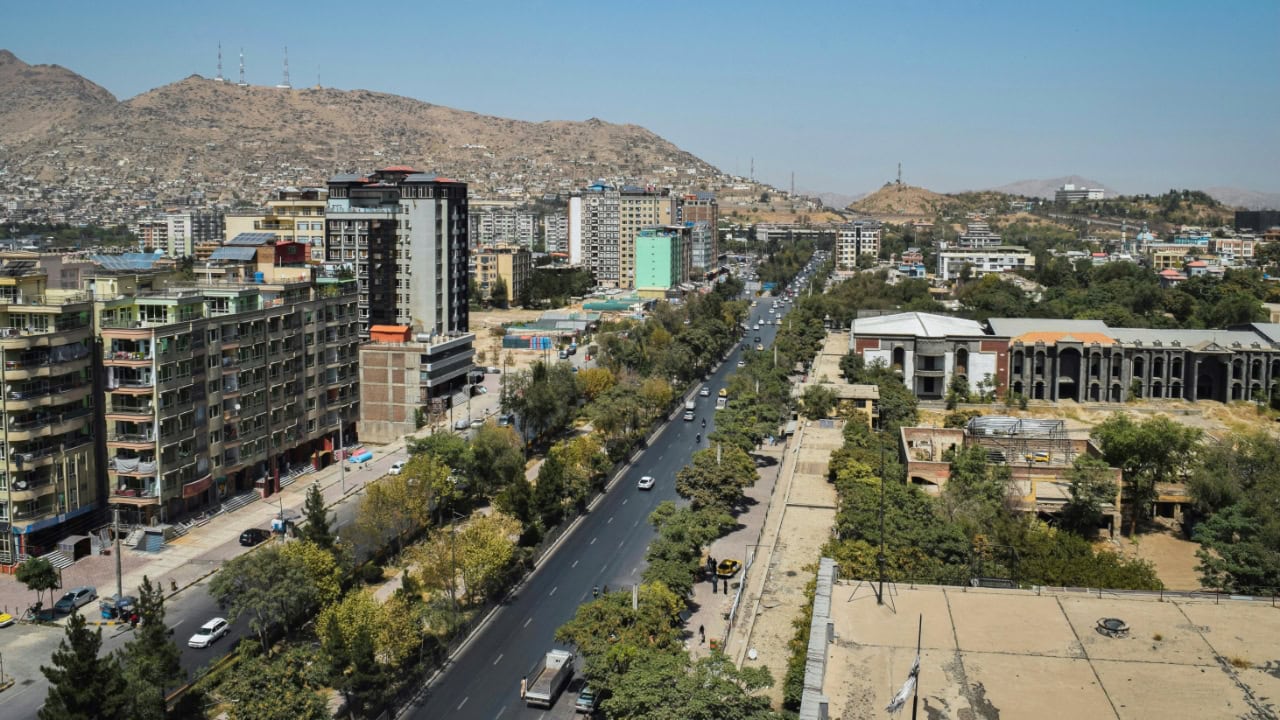
The reputation of Afghanistan revolves around constant violent conflict and political frailty. The nation remains dangerous because of constant terrorist activity along with frequent kidnapping incidents and widespread armed clashes. The U.S. government faces restrictions when responding to emergencies for citizens on domestic soil. All trips to Afghanistan must be avoided because of several serious dangers.
Syria

Extensive civil conflict in Syria creates both widespread violence throughout the nation and significant damage to its infrastructure. Terrorist organizations operating in Syria increase danger alongside chemical warfare risks. American travelers received restricted consular support when the U.S. Embassy in Damascus stopped operations in 2012. The combination of current risks makes travel to Syria strongly inadvisable.
North Korea

North Korea’s strict government controls and unpredictable policies pose significant challenges for travelers. The U.S. Department of State has prohibited Americans from traveling to North Korea with U.S. passports because of the high risk of arrest and extended detention. Approval for exceptions occurs only in extremely restricted situations.
Iran
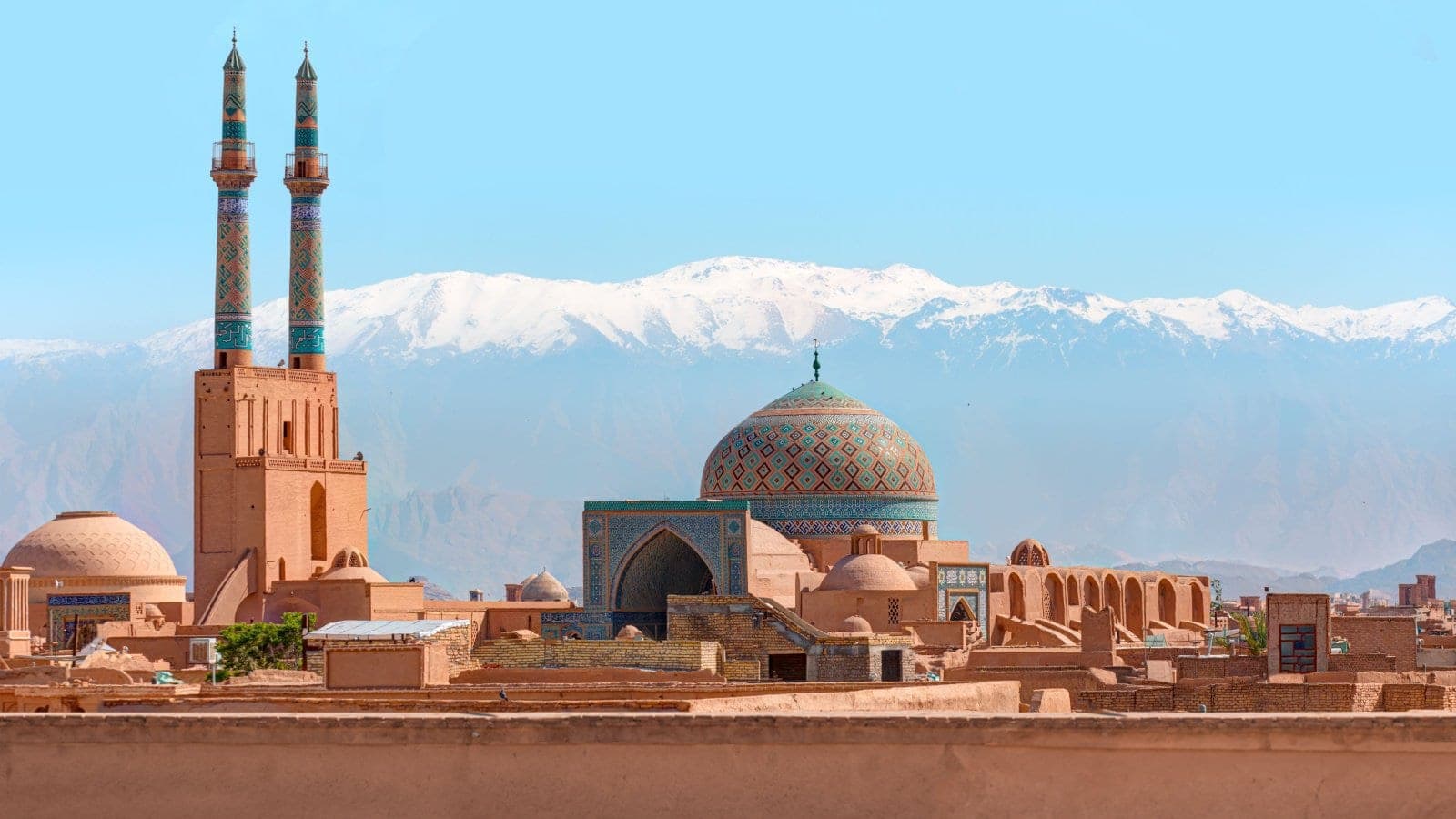
Tensions between the U.S. and Iran have led to concerns over arbitrary detention and harassment of U.S. citizens. U.S.-Iranian citizens face detention because the Iranian government denies dual nationality while forbidding access to U.S. consular services. The U.S. government recommends its citizens avoid traveling to Iran because of the existing risks.
Yemen

A severe humanitarian crisis challenges Yemen while fighting continues throughout the nation. The combination of terrorism threats and civil disturbances alongside health risks and landmine dangers creates an extremely dangerous environment. The U.S. Embassy in Sana’a closed its doors to operations during 2015 which restricted support services for American citizens. The U.S. government advises all travelers to avoid going to Yemen.
Libya

Years of civil conflict have left Libya in a continuous state of instability. Multiple armed factions dominate different regions throughout the country while common violent crimes such as kidnapping and carjacking take place. In 2014, the U.S. Embassy in Tripoli stopped its operations and limited consular services. Travelers should avoid visiting Libya because of dangerous conditions in the country.
Somalia
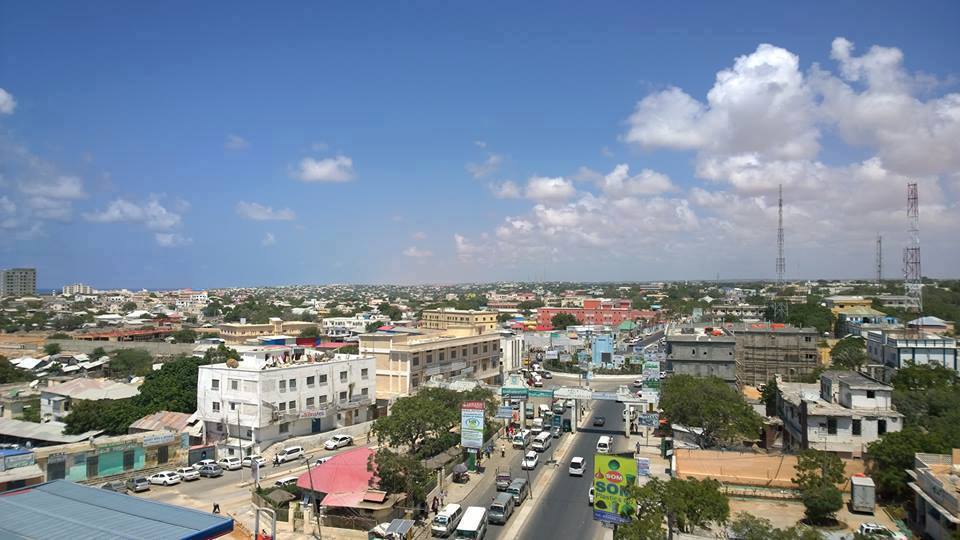
Somalia deals with multiple severe problems such as terrorist threats and maritime piracy along with civil disturbances. The terrorist group, Al-Shabaab maintains a campaign of attacks throughout multiple regions of the country. Security concerns arise because the nation exists without proper rule from a central government. American officials recommend U.S. citizens avoid traveling to Somalia.
South Sudan

South Sudan has suffered from continuous civil war and intercommunal violence following its independence in 2011. Various criminal activities including carjacking, together with home invasions show high occurrence rates. The U.S. Embassy faces limited assistance capabilities because of existing security concerns. The U.S. government advises travelers to avoid visiting South Sudan.
Mali

Northern and central regions of Mali face persistent terrorist attacks. The U.S. government faces restrictions in delivering emergency assistance to Westerners who encounter attacks. Travelers should avoid visiting Mali because of present threats.
Central African Republic

The Central African Republic faces ongoing violent crime, and armed conflict, alongside civil unrest. Armed groups over several territories within the Central African Republic leave civilians facing a very increased risk of violence. Emergency support options from the U.S. Embassy remain restricted. All travel to the Central African Republic should be avoided according to traveler advisories.

Disclaimer: This list is solely the author’s opinion based on research and publicly available information.
Read More:

- Ultimate Guide To Picking The Best Travel Credit Card
- The 5 Best Budget Airlines in the United States
- 15 Best Countrıes to Vısıt in Afrıca


