10 Cities Where Natural Disasters Could Wipe Out Your Investment
Buying property is a smart move. You get the keys and the promise of cozy nights or rising rent checks and start planning a future.
That dream can unravel fast if disaster strikes. Nature doesn’t care about your down payment or remodeling plans. Some cities carry serious risks that may not always be apparent in the listings. Floods, fires, hurricanes, and earthquakes can turn your home into a liability.
Miami, Florida

Miami faces constant threats from hurricanes and rising sea levels. Storm surges regularly flood roads and neighborhoods. Hurricane Andrew in 1992 caused over $27 billion in damage. Property values remain high, but insurance rates and long-term climate risks make the market risky.
San Francisco, California

San Francisco sits directly on the San Andreas Fault. Earthquake danger hangs over every property. The 1906 quake destroyed much of the city, and experts say another major one is overdue. Even homes with structural upgrades still face major risks from ground movement.
New Orleans, Louisiana

New Orleans lies below sea level, depending on levees and pumps to stay dry. Flooding remains a constant threat. Hurricane Katrina demonstrated how quickly things can spiral out of control, and many parts of the city never fully recovered. Each storm season brings new worries, and insurance costs reflect that.
Houston, Texas

Houston suffers from heavy rainfall and poor drainage. Hurricane Harvey in 2017 dumped over 50 inches of rain and flooded thousands of homes, many outside flood zones. Rapid urban development has outpaced infrastructure, increasing the flood risk for more neighborhoods.
Los Angeles, California

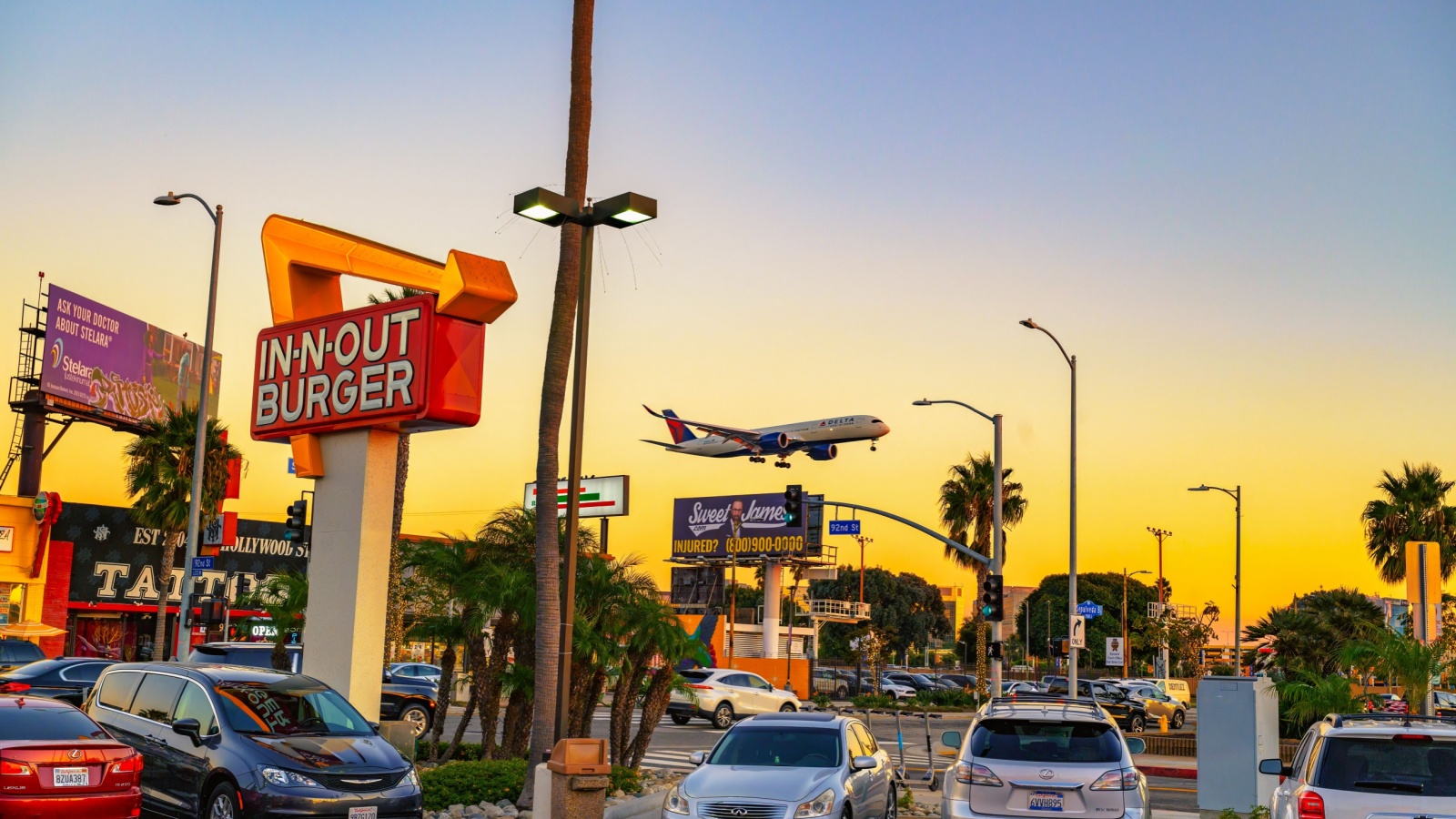
Los Angeles faces serious wildfire and earthquake risks. Dry brush and heat make the city vulnerable to fast-moving fires that threaten homes every year. Earthquakes, such as the Northridge quake in 1994, caused billions of dollars in damage and left lasting scars on the housing market.
Phoenix, Arizona
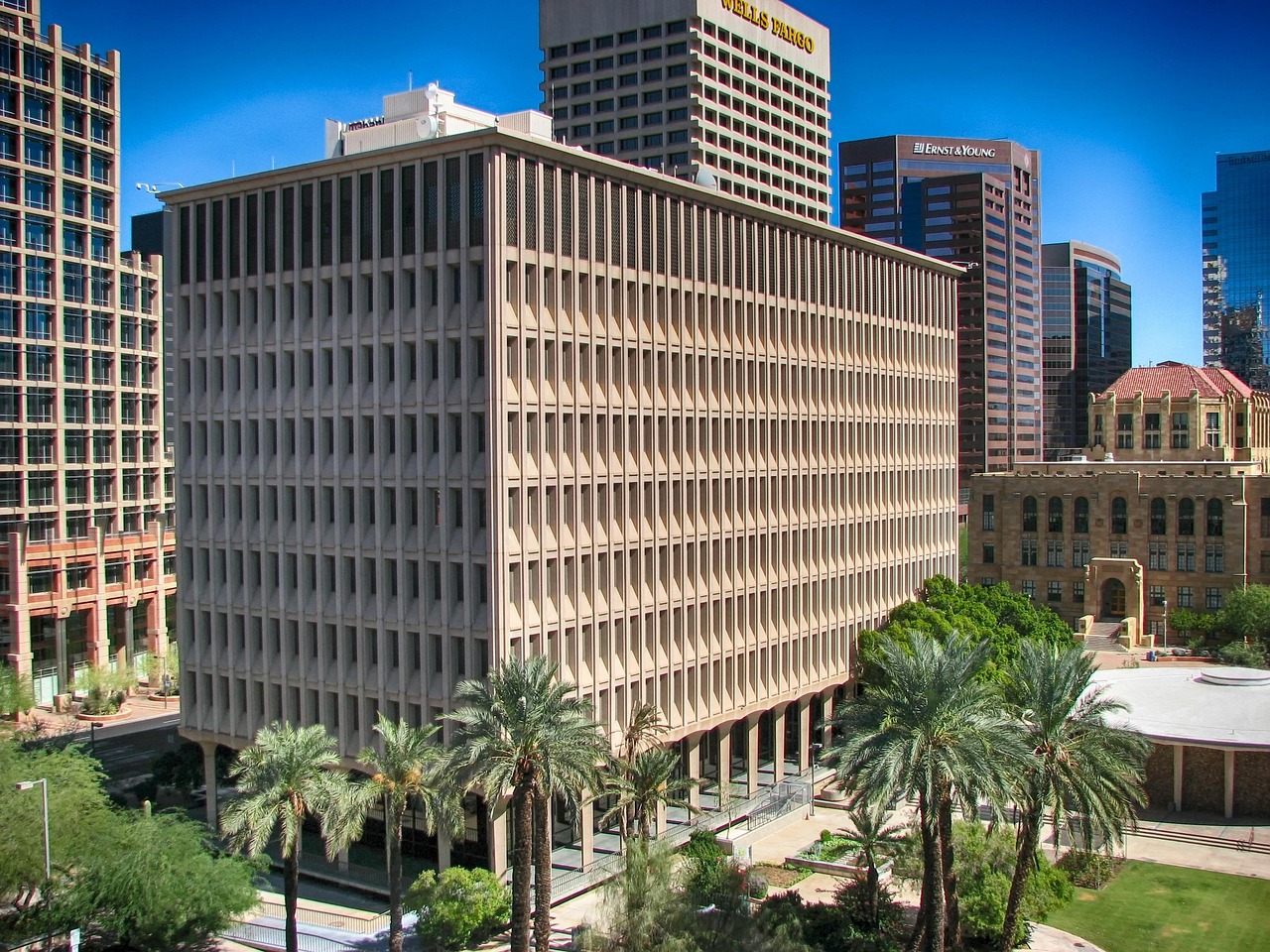
Phoenix experiences extreme heat, flash floods, and prolonged water shortages. High temperatures put stress on infrastructure, while rare storms cause sudden flooding. The shrinking Colorado River adds to the uncertainty, making long-term investments less secure.
Charleston, South Carolina
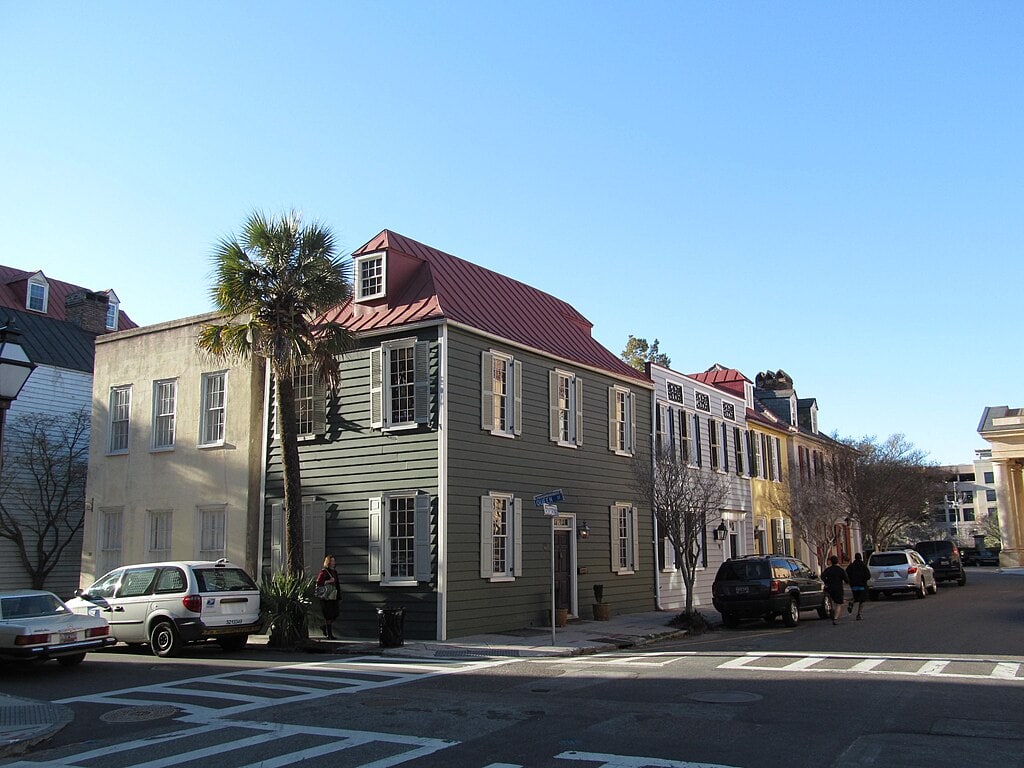
Charleston struggles with regular flooding and hurricane threats. High tides can flood downtown streets even on sunny days. Storms from the Atlantic often hit, damaging older buildings and driving up maintenance and insurance costs.
Anchorage, Alaska
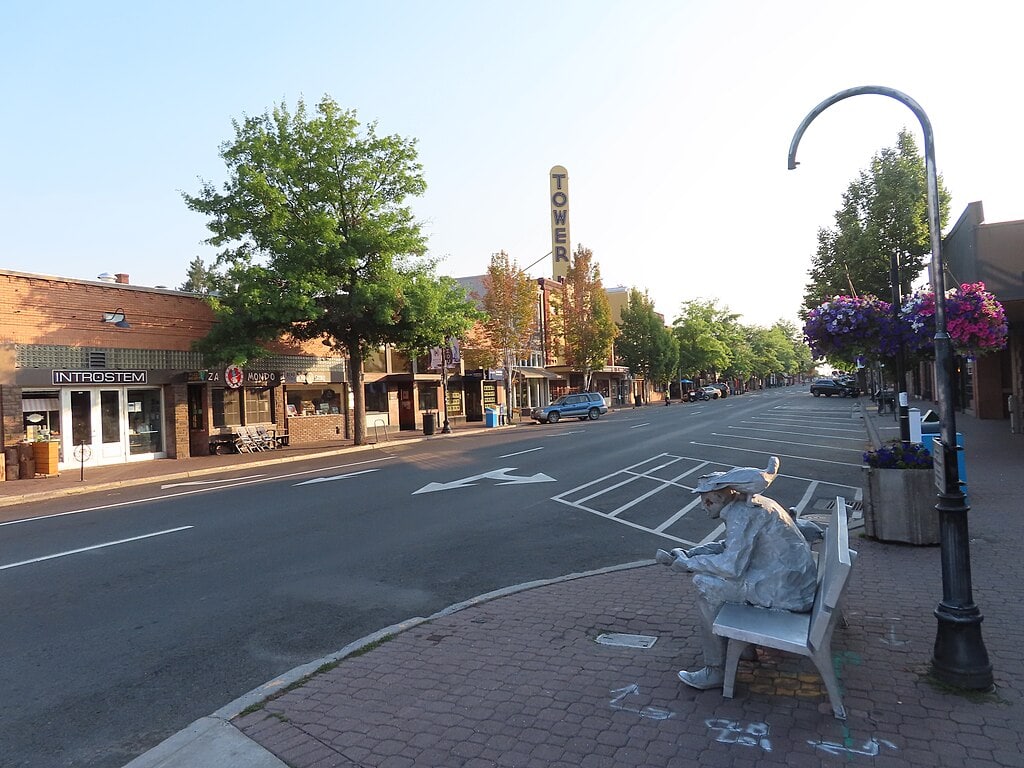
Anchorage faces frequent earthquakes in the U.S., with a major 7.1 magnitude quake in 2018 damaging roads and homes across the city. Cold winters delay repairs, and construction remains expensive due to limited access and high shipping costs.
Honolulu, Hawaii

Honolulu faces threats from tsunamis, earthquakes, and volcanic activity on nearby islands. Recovery costs are steep due to its remote location. Shipping delays and high insurance premiums make rebuilding a slow and expensive process.
Memphis, Tennessee
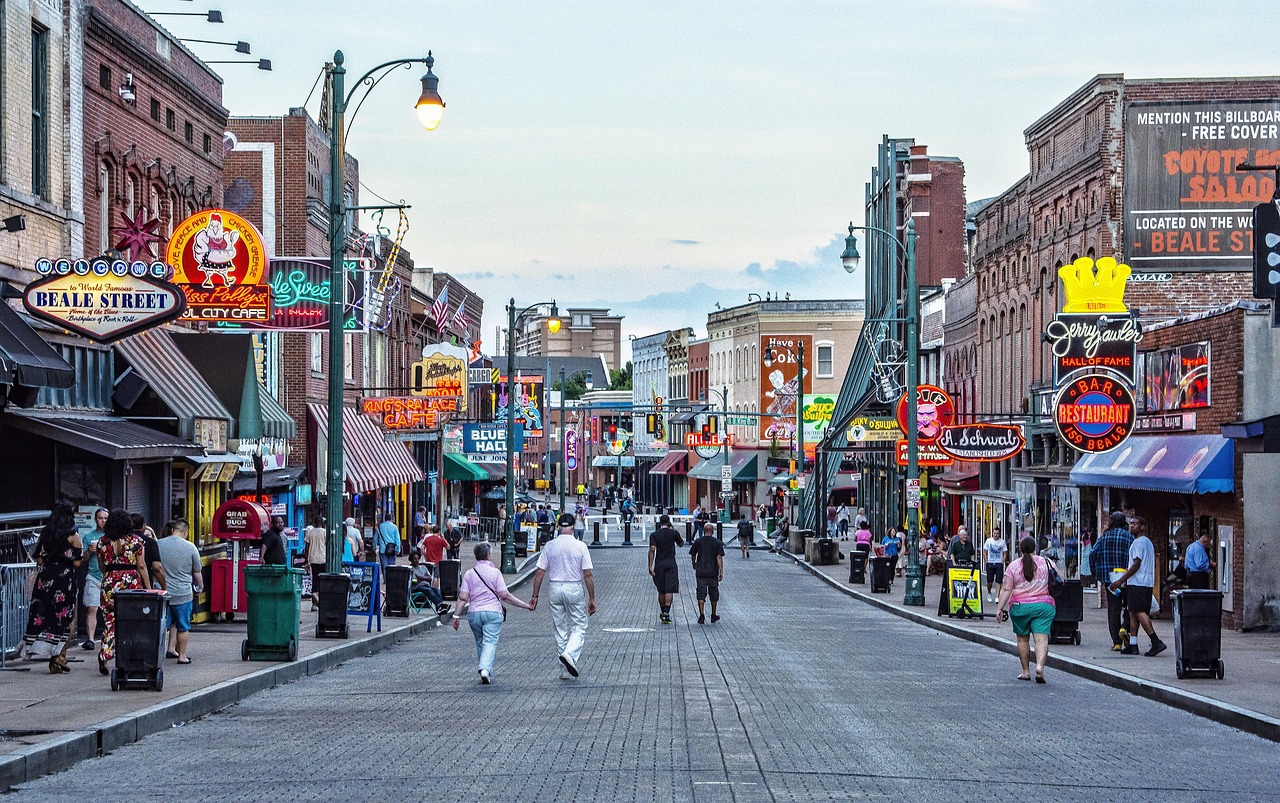
Memphis lies in the New Madrid Fault Zone, home to some of the most powerful quakes in U.S. history. In the early 1800s, the region experienced tremors so strong that they altered the Mississippi River’s flow. Many buildings today aren’t built to handle another major quake.
Disclaimer: This list is solely the author’s opinion based on research and publicly available information.
Read More:

- Ultimate Guide To Picking The Best Travel Credit Card
- The 5 Best Budget Airlines in the United States
- 15 Best Countrıes to Vısıt in Afrıca
Disclaimer: This list is solely the author’s opinion based on research and publicly available information.