10 Changes to U.S. Parks and Roads That Could Impact Your Next Road Trip
Road trips are an integral part of American life. Picture the open road, your favorite tunes, and a cooler packed with snacks. However, parks and roads are shifting in ways that could alter your next journey.
From new vehicle bookings to more electric charging stations, changes are rolling out. Some aim to ease crowds. Others affect your wallet or route. Let’s break it down.
Timed Entry Reservations Needed At Major Parks

Yosemite, Glacier, Rocky Mountain, Arches, and Acadia now require vehicle or entry reservations during peak times. You’ll need to book windows weeks in advance; peak slots often sell out quickly. Plan early and check park websites before you roll.
NEVI Standards Set For Highway Chargers
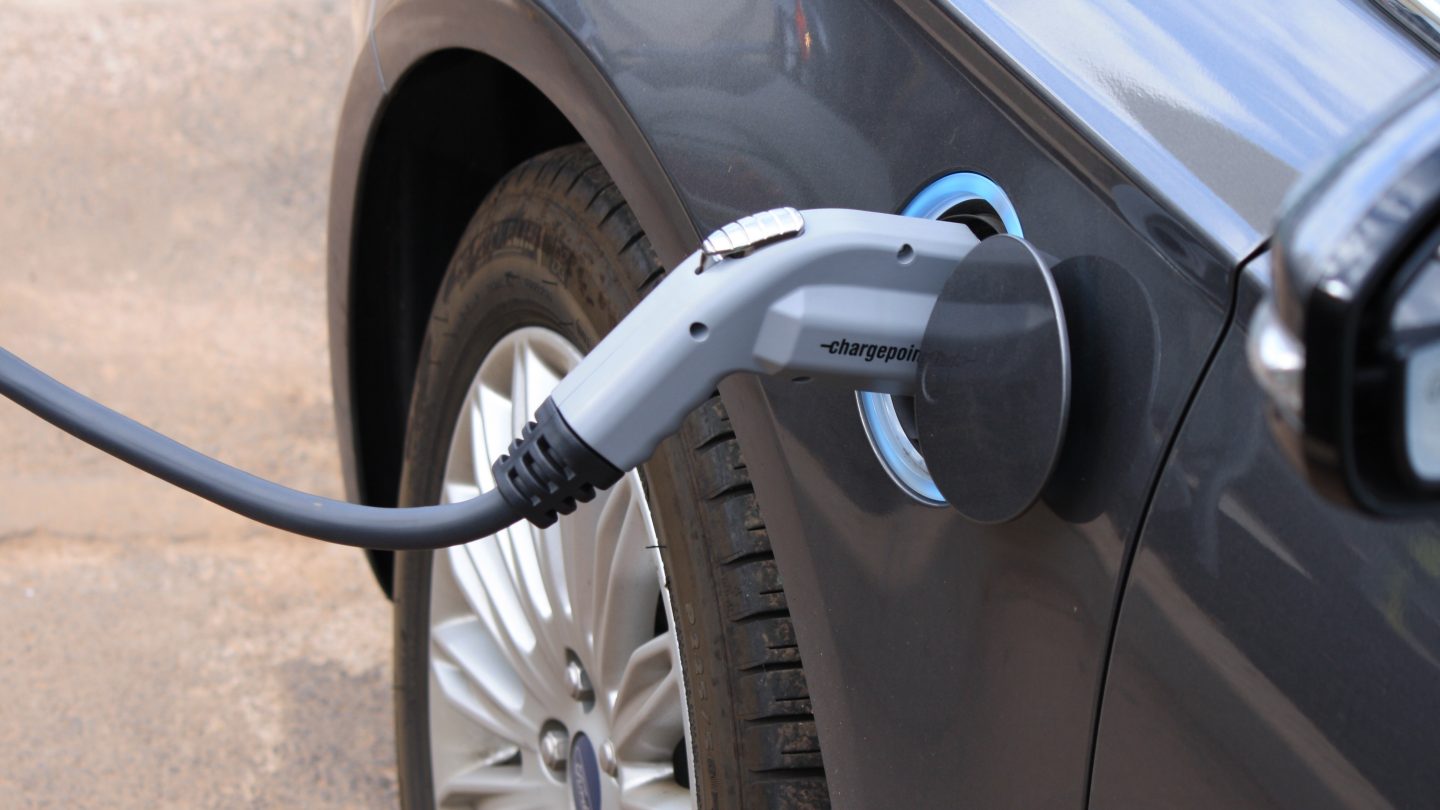
Federal rules for chargers on highways now require at least four ports per station, CCS connectors, a minimum of 150 kW of power, 24/7 access, contactless credit card payment, and 97% uptime. These rules aim to make charging predictable and accessible, even on remote trips.
Less Staffing In National Parks

Staff cuts have led to fewer trail workers and waste crews. Expect more unmaintained paths, trash buildup, and delayed search and rescue. A recent NPCA report noted a $23 billion maintenance backlog. Adopt leave-no-trace habits and bring extra survival gear.
Going-to-the-Sun Road Timed Access

Glacier National Park’s iconic Going-to-the-Sun Road now needs timed vehicle entry from West Glacier and North Fork entrances between 7 a.m. and 3 p.m., through Sept 28, 2025. Shuttle service starts on July 1; arrive early to avoid long waits.
New Logging & Road Building In Forests

Recent federal moves reversed the Roadless Rule on about 59 million acres of forest. That could open areas in Alaska, Montana, and Utah to logging and new roads. More routes may seem handy, but wildlife, water quality, and fire risk could be affected.
EV Charging Expansion Along Highways & Parks

There were nearly 196,000 public EV charging ports in the U.S. as of January 2025, a sixfold rise since 2016. Level 2 and DC fast chargers are being installed at park entrances and nearby towns. In April 2025, 300 new CCS stations with 986 charge points were installed. Bring your adapter and credit card; it’s the electric era of travel.
Faster Road Safety Ratings For New Cars
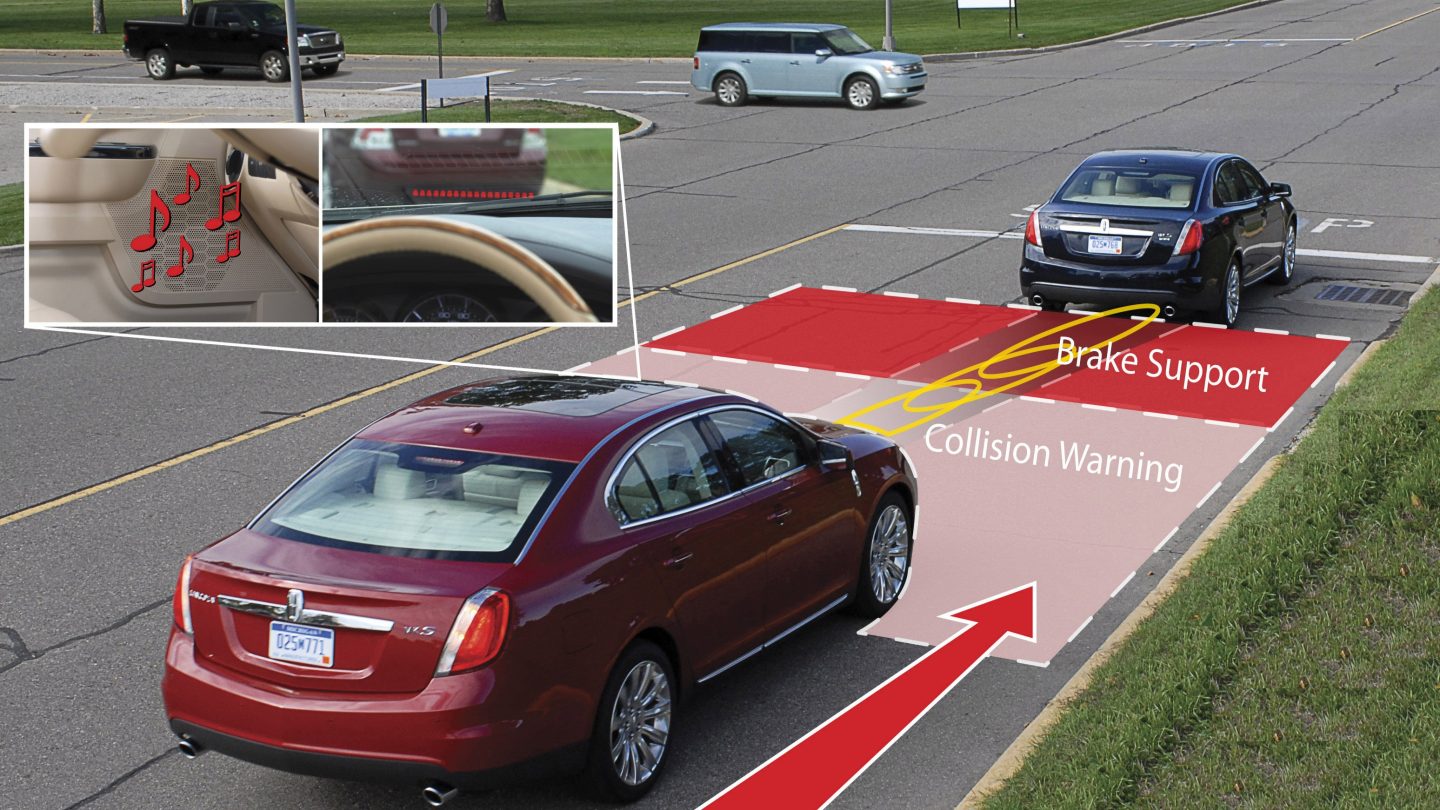
A significant update to the NHTSA 5‑Star Safety Ratings launched on November 18, 2024. Now, cars are rated on their crash avoidance technology. This tech could help prevent 360 deaths and 24,000 injuries yearly. Consider safety ratings when picking a rental car or checking your own.
AI And Smart Tech On City Streets

Cities like New York and San Francisco are utilizing AI, cameras, and data to identify high-risk intersections in real-time. If your route passes through urban areas, expect smoother traffic and safer crossings, thanks to brighter lights and improved signage.
More Traffic on Newly Opened Forest Roads

Logging roads built post-2025 may boost access in remote areas, but also increase traffic. Scenic solitude might give way to commercial vehicles. Weigh the appeal of backroad discoveries against slower drives and dust.
Cashless Parks: No More Bills

Over 20 national parks now accept only credit or debit cards for entrance fees. If you’re accustomed to paying cash, leave it at home and bring a credit card instead. Some state bills are trying to require cash acceptance, but until then, plastic is king.
Disclaimer: This list is solely the author’s opinion based on research and publicly available information.
You Might Also Like:

How To Stick To Your Holiday Budget and Avoid Debt: With the holiday season in full swing, many find themselves facing high expenses. The anticipation of gift-giving, coupled with the desire to create unforgettable moments, often leads to the common tradition of seasonal spending, with the average holiday budget reaching a considerable sum.