13 Grocery Items That Are Way Too Expensive for What They Are
Each time you go to the grocery store, you notice escalating prices that make you wonder what is causing the increase. Indeed, there are other factors, such as supply chain and inflation, but are some of them worth the sky-high price, or are we being tricked by an elaborate marketing campaign?
According to the USDA, grocery prices (food at home) increased 2.2% from May 2024 to May 2025, further squeezing budgets. Consider pre-cut fruit; it is convenient, but it is usually much more expensive than buying whole fruit and cutting it at home, often being twice or three times the price.
The million-dollar question is, do these products justify the high prices attached to them? The following is a list of 13 way overpriced groceries. How many of these do you have on your shopping list?
Pre-Cut Fruits and Vegetables
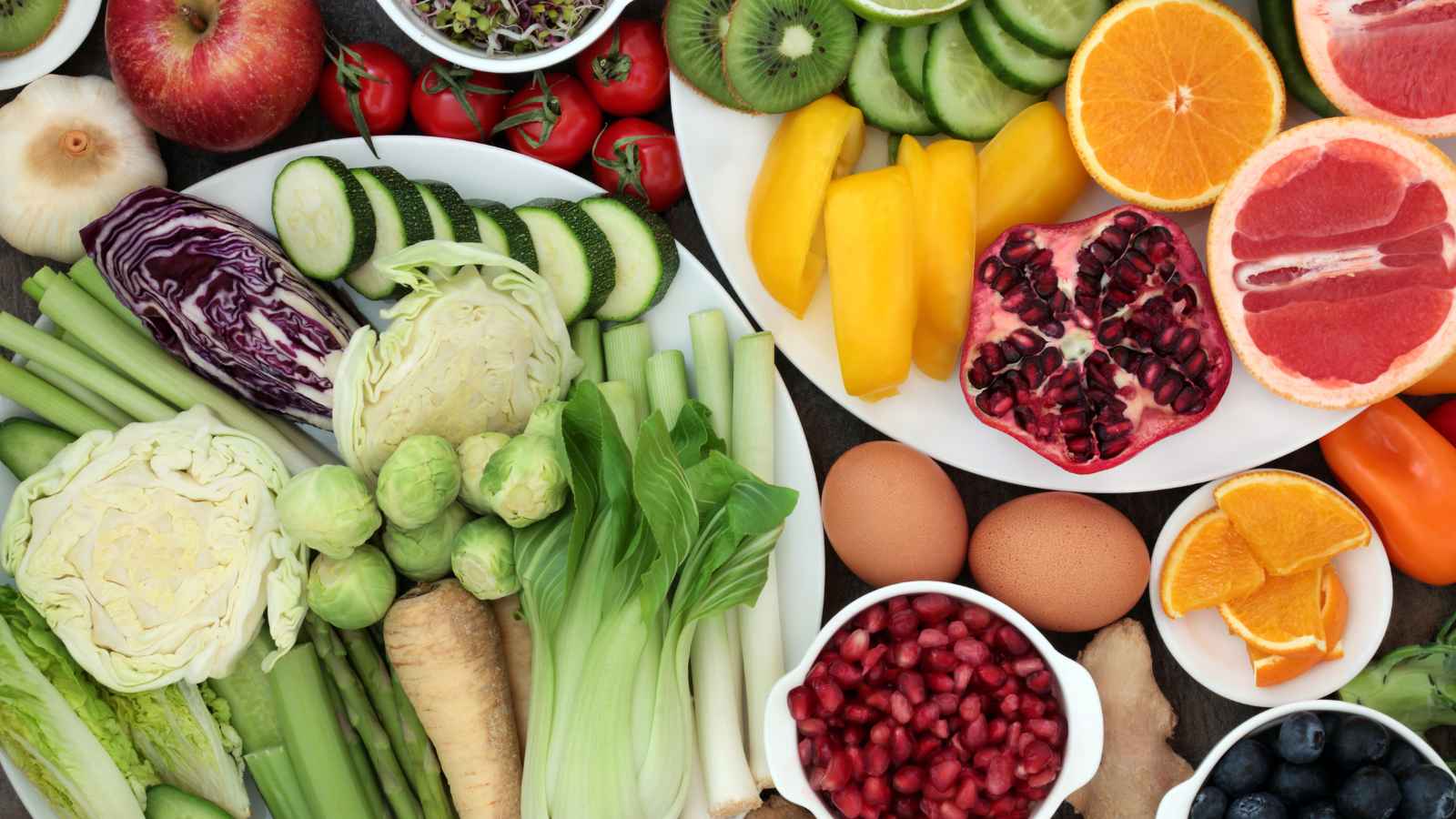
Yes, using ready-cut fruits and vegetables is more convenient, saving you time. However, are those perfectly cut cubes of mango or carrots that cost twice (or even three times) as much as the whole vegetable or fruit worth it?
The cost of convenience is not the only reason behind the markup. Additional packaging and labor costs are also factored into the price. Why not get a sharp knife and DIY? You will not only save money, but also most fruits last longer when they are not cut.
Snack Packs for Kids

The small, individually packaged bags of crackers, cookies, or sliced meats are so adorable, and supposedly portion-controlled, so the price may seem high. These small-sized servings are generally expensive than purchasing the same snack in a family package box or a bulk pack.
You’re essentially paying for the extra packaging, and let’s face it, they aren’t eco-friendly either. According to the Research And Markets report, the global packaged food market size reached $2.61 trillion in 2024. It is estimated to reach $4.70 trillion by 2033.
Instead, buy in bulk and distribute them yourself into reusable containers. It’s a small thing that can save you a lot of money in the long run, particularly if you have children at home.
Bottled Salads Dressings

A basic vinaigrette of oil, vinegar, and spices shouldn’t cost as much as fancy coffee, but many salad dressings do. Popular brands drive up prices with fancy labels or “artisan” claims.
Some even charge nearly 500 percent more than it costs to make at home with pantry staples like olive oil, balsamic vinegar, and a splash of lemon. Making it yourself is healthier, fresher, and customizable to your taste.
Specialty Coffees and Creamers

It’s easy to be swayed by oat milk pumpkin spice creamers or cold brews that claim to be steeped with nitrogen. It is even more challenging to justify their price tags when coffee brewed at home costs only a few pennies. Not to mention that some specialty coffee brands offer a single bottle at a price of up to $8!
Homemade flavored creamer can be made with simple ingredients, such as condensed milk and a flavor extract of your choice, to create a personalized blend. Next time you want coffee at home, brew it yourself and get a frother. It’s worth skipping overpriced coffee shop stores.
“Health” Drinks Like Kombucha

Kombucha has a cult following, but paying $4 to $5 for a bottle of fermented tea doesn’t yield a quick return. While brands advertise probiotics and gut health benefits, you can make your own Kombucha for less per serving.
The same goes for trendy green juices, which often cost over $10 per bottle. If you drink these beverages regularly, consider making them at home. With minimal ingredients and a bit of time, you can save money and make healthier choices.
Breakfast Cereals
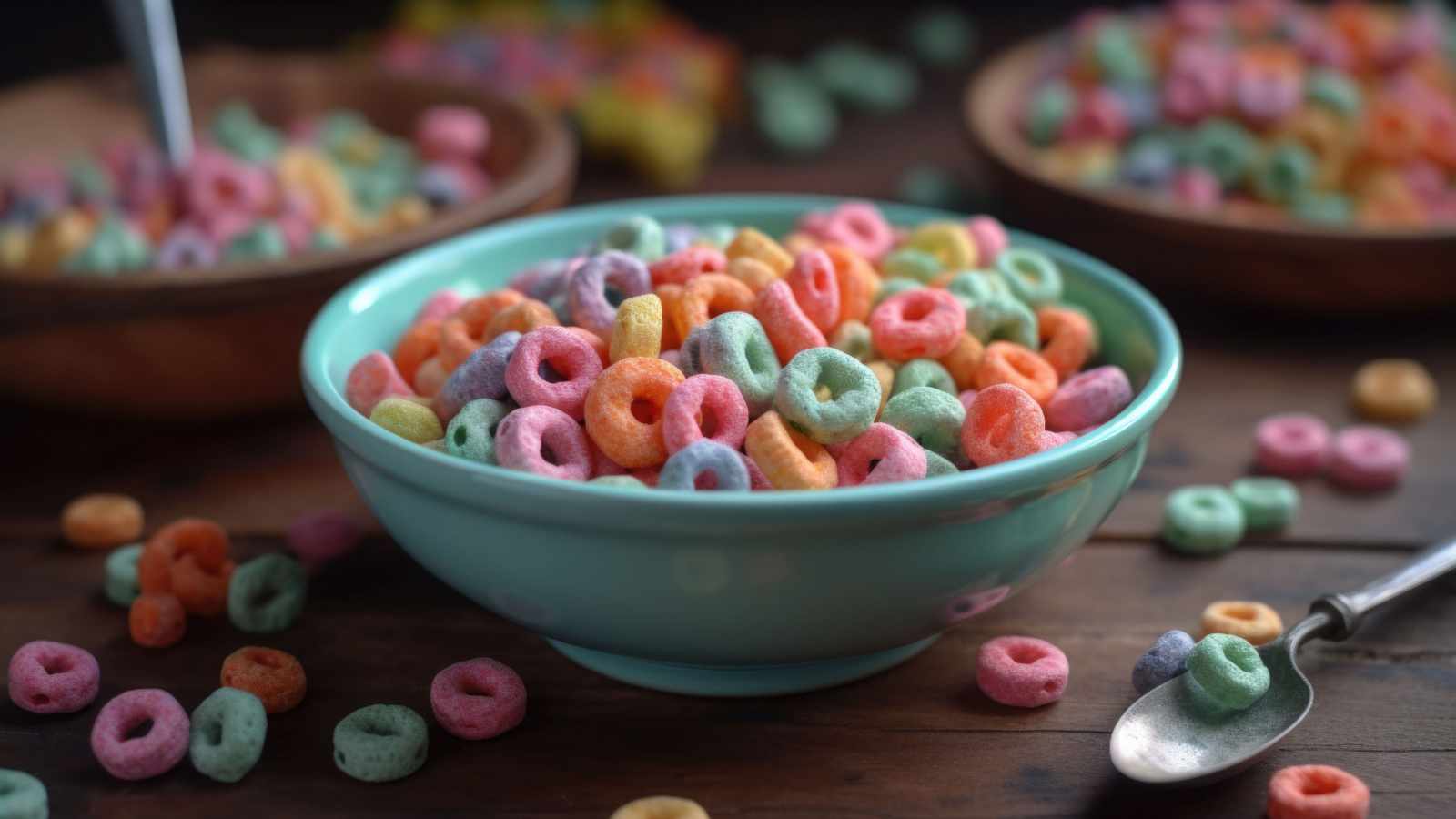
Some cereals are outrageously expensive. Worse still, most of them contain loads of sugar instead of the nutrients they claim to contain. Cereals with name brands can be as much as 40 percent higher in price than generic or store brands, even though they are virtually the same in taste.
Replace the store-bought granola with your homemade version made with oats, nuts, and a hint of honey. You will save money and your breakfast will consist of many fewer ingredients that are not pronounceable.
Frozen Smoothie Kits

Frozen smoothie kits often come with ridiculous markups simply for including pre-portioned ingredients. Healthline reports that a single smoothie can cost up to $8, whereas using the same fresh or frozen ingredients would cost less than $4.
Buy your frozen fruits and greens, portion them into freezer bags, and save money while enjoying the freedom to create custom flavors.
Gluten-Free Foods

It is fantastic that nowadays gluten-free products are sold everywhere, but they are not always worth their price. As a case in point, gluten-free pasta may cost up to 80 percent more than ordinary pasta; however, most brands typically replace wheat with corn or rice, which are generally cheaper options.
If you follow a strict gluten-free diet, consider purchasing staples in large quantities from specialty stores or try out some recipes to make your own pasta or bread. There are times when the exchange of the smallest items saves the most.
Canned Soups and Broths
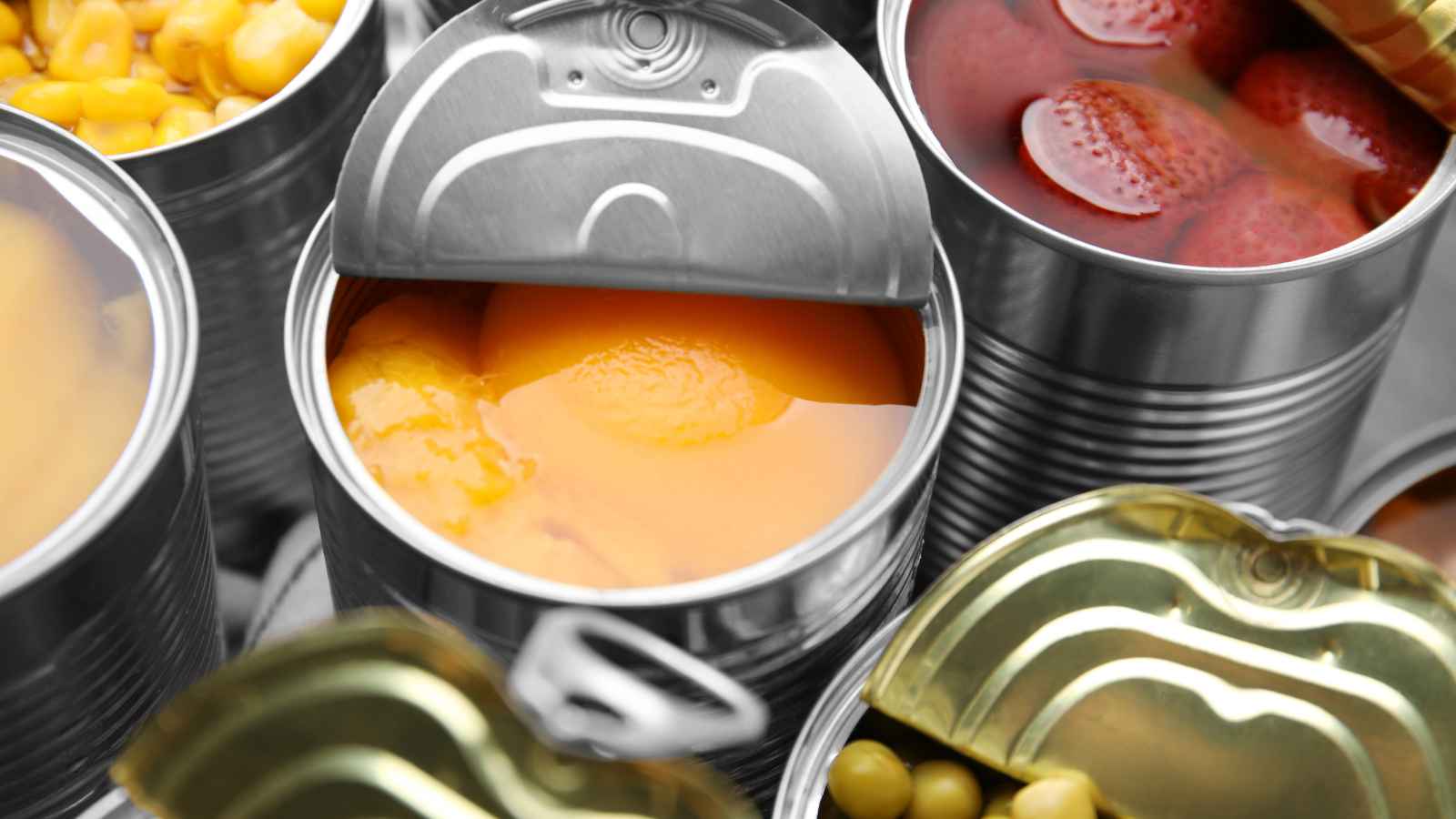
Canned soups seem to be an economical choice to make, but when you think of how simple it would be to make broth or soup at home, the cost becomes deceiving. A soup can purchased in a store costs $1.50, whereas making it yourself can cost much less and yield more servings.
Make a batch of soup on the weekend and freeze it for those busy days. Not only will you avoid extra preservatives, but you will also spend less money and get heartier, fresher food.
Pre-Made Guacamole

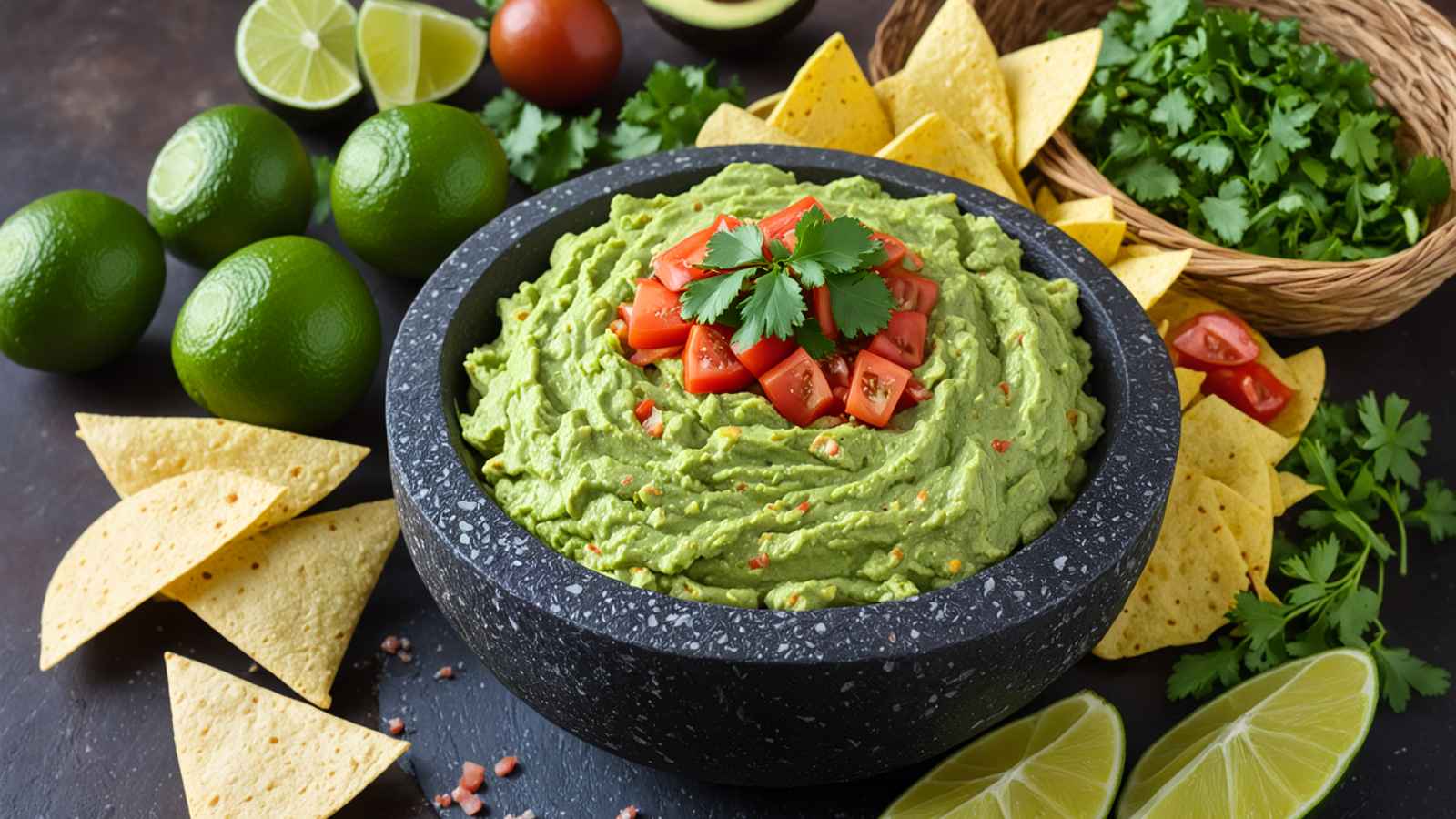
Guacamole is truly delicious! But think about whether that tub is worth it. Pre-made guacamole can be quick and handy, but it’s often more expensive than buying fresh avocados and making your own. Additionally, many brands add preservatives that can detract from the fresh, homemade flavor we love in this creamy dip.
The real, authentic guacamole requires only a few ingredients: avocados, lime, and a pinch of salt. And it’s even better if you spice it up with some chopped onions or cilantro, simple, fresh, and so tasty!
Bottled Water
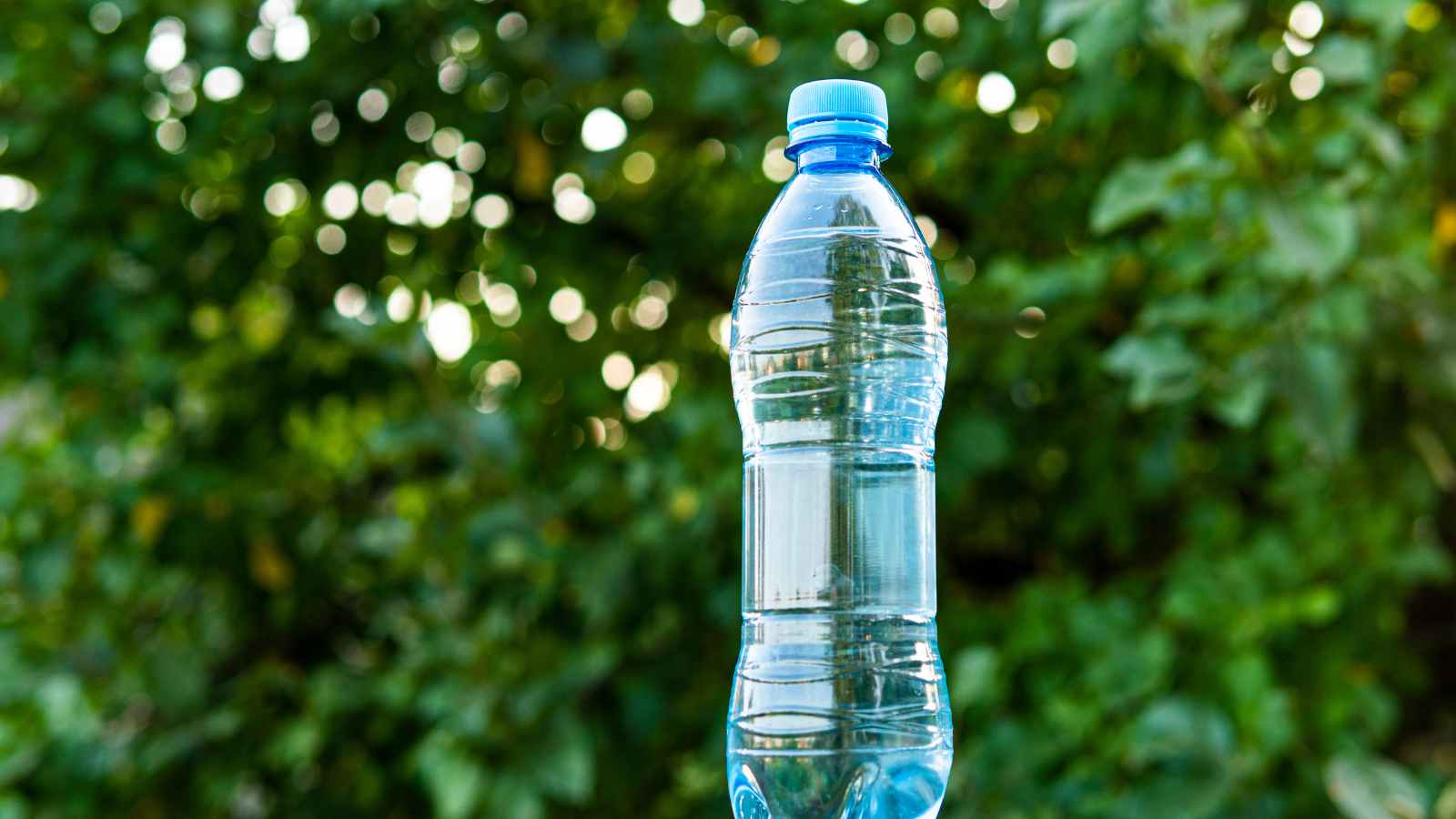
One of the most widely purchased grocery products is bottled water, and the cost attached to it sometimes does not reflect the price. According to the Food & Water Watch organization, bottled water can cost anywhere from 240 to 10,000 times more than tap water.
Most individuals buy bottled water out of convenience or because they believe it is pure. Approximately 64% of the bottled water is obtained from municipal tap water.
Rather than spending high prices, investing in a reusable water bottle and a quality water filter is a cost-effective option that will save you money in the long term and limit the negative impact on plastic waste.
Pre-marinated Meats

Pre-marinated meats tempt shoppers with convenience but cost 20-30% more than plain cuts. They also contain added sugars, sodium, and artificial ingredients. Some contain sodium, nearly 20% of your recommended daily intake.
Instead, buy plain cuts of meat and whip up your marinade with olive oil, vinegar, herbs, and spices. In just 5-10 minutes, you can control the flavor, reduce sodium, save money, and create healthier, personalized meals.
Pre-shredded cheese

Pre-cut cheese offers a convenient option for preparing meals quickly, but it costs more than block cheese. Pre-shredded cheese typically costs 20-30 percent more per ounce than block cheese because it includes labor, packaging, and anti-caking agents to prevent clumping.
For example, a one-pound cheddar block costs about $4.50 to $5.00, while pre-shredded cheddar costs between $5.50 and $6.00. While convenient, buying block cheese and shredding it at home is more economical.
Shredded cheese also melts more easily and tastes purer, as pre-shredded varieties often contain added substances.
Disclaimer – This list is solely the author’s opinion based on research and publicly available information. It is not intended to be professional advice.
Read More:

- 10 Extreme Measures People Took To Travel on the Cheap
- Do You Need A Passport To Go on A Cruise
- 15 Best Countrıes to Vısıt in Afrıca