11 Walking Tours That Explore Black Heritage in U.S. Cities
A walking tour lets you connect with history through your feet. Every street and building tells a story of people who shaped communities. For Black heritage tours, those stories pulse with triumph, resilience, faith, humor, and sometimes tears.
These tours offer travel experiences that go beyond sightseeing. You’ll wander through neighborhoods and landmarks, connecting past and present. Some cost little, others take credit card reservations, and each one brings a new perspective.
New York City African American Heritage Tour

The tour explores places tied to Frederick Douglass, Billie Holiday, and current Black icons like Jay-Z and Spike Lee. The guides mix history with pop culture and invite questions, making the walk feel like a living conversation. Expect to hear little-known facts and hard truths about the city’s role in racial justice.
Portland Albina Black History Tour

This two-mile tour led by Oregon Black Pioneers highlights Portland’s historically Black Albina neighborhood. You’ll visit jazz clubs, homes of early Black leaders, and churches that served as safe spaces. The tour explains how redlining, gentrification, and housing policy shaped and erased communities. Local guides often add memories from their own families, making the experience deeply personal. Tour organizers work to connect history with present-day activism and policy work.
Charleston’s McLeod Plantation Tour
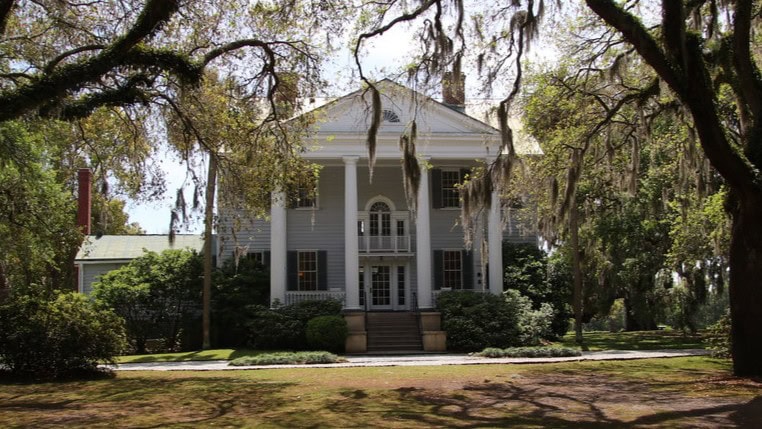
Located on James Island, this site isn’t your typical plantation tour. Instead of focusing on architecture or owners, guides highlight the lives of enslaved people, especially women and girls, who lived and labored there. Visitors walk through original slave cabins, burial sites, and community gardens. The tour encourages reflection and respectful conversation, not just passive viewing. It’s a powerful experience that contrasts with romanticized versions of the South.
Boston’s Black Heritage Trail
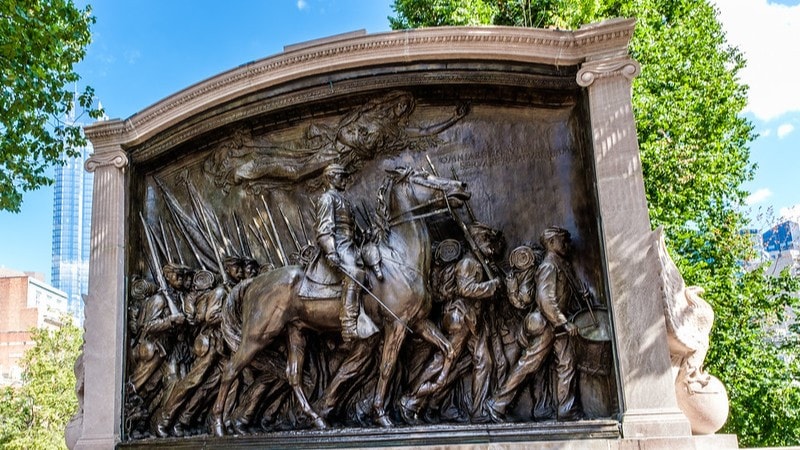
This 1.6-mile trail runs through Beacon Hill, a neighborhood once home to one of the largest free Black communities in the U.S. before the Civil War. It includes the Abiel Smith School, the first public school for African American children in Boston, and the African Meeting House, a historic church and community space. Tour guides often share personal stories and community anecdotes that make the past feel present. You can take a free guided tour from the National Park Service or explore at your own pace with a detailed map.
Houston Historic Juneteenth Home Tour

This tour connects Black homeownership to freedom, featuring landmarks like the Yates Cabin and the Kellum-Noble House. It traces Houston’s transformation from slavery to a thriving Black middle class. Juneteenth’s history, originating in nearby Galveston, is woven into every stop. Since the tour began, it has quickly grown in popularity. About 120 people packed the first tour, underscoring deep interest.
Frederick African American Walking Tour
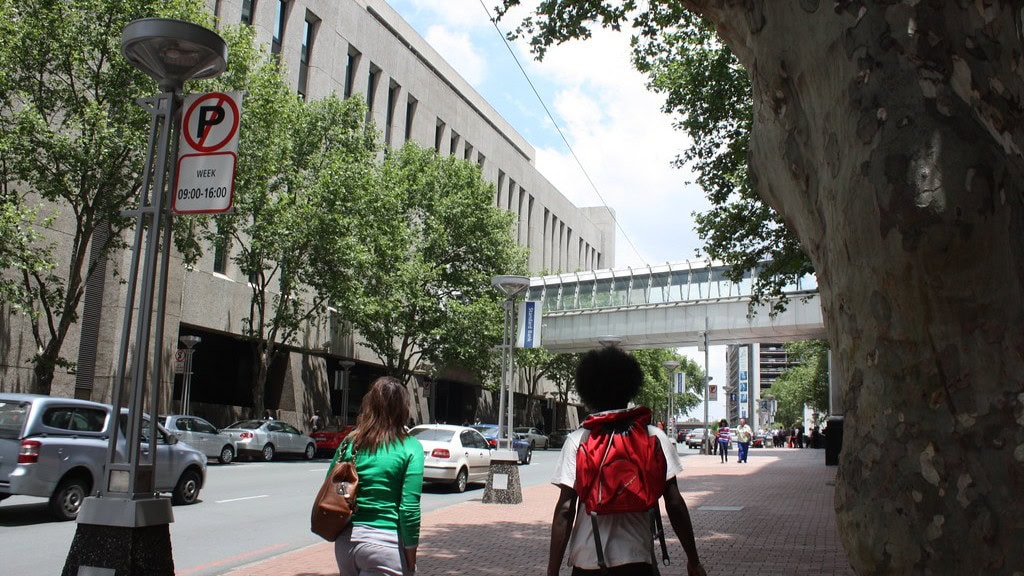
Set in Frederick, Maryland, this tour highlights how free Black residents built lives, businesses, and community institutions before and after emancipation. Stops include churches, old tanneries, and neighborhoods like All Saints Street. The tour emphasizes stories of resilience, from tradesmen to teachers. Frederick historians have documented Black contributions in detailed archives, much of which informs the tour script. Local schools now include parts of the tour in their history curriculum.
St. Petersburg African American Heritage Trail

Located in the city’s south side, this self-guided trail includes over 20 historical markers. You’ll walk past Mercy Hospital, the Manhattan Casino, and the Dr. Carter G. Woodson African American Museum. These sites once formed the backbone of a thriving Black cultural and economic district. The walk explores themes of migration, music, education, and faith. Tour pamphlets include QR codes with oral histories, allowing travelers to hear from longtime residents.
Columbus Black Heritage Trail (Georgia)

Columbus honors its Black pioneers through a walking trail that winds past 30 sites. You’ll see blues singer Ma Rainey’s home, the historic Liberty Theatre, and churches that doubled as political meeting spots. This tour explains how faith, education, and the arts shaped Black identity in the South. Guided tours are available, though many prefer the map-based self-guided version. It’s often used during Black History Month celebrations and student field trips.
Portland Freedom Trail (Maine)

Portland’s lesser-known Freedom Trail has 13 markers tied to African American sites. The Abyssinian Meeting House, one of the oldest African American churches in the country, is a key stop. Tour content includes early shipbuilders, teachers, and sea captains of African descent. Local historians have documented these stories after years of research into overlooked archives. Visitors are encouraged to support ongoing restoration efforts.
Durham Hayti District Walking Tour

Durham’s Hayti was once called the “Black Wall Street of the South.” This guided tour focuses on historic buildings like the Mechanics and Farmers Bank, St. Joseph’s AME Church, and the Carolina Times headquarters. Guides share stories of entrepreneurship, resilience, and cultural pride. The walk explains how segregation shaped the district but didn’t suppress its creativity. Hayti’s story is a mix of tragedy and triumph, still visible in its art, architecture, and community spaces.

Annapolis African American Heritage Tour

This two-hour tour features key locations like the Kunta Kinte Memorial and the old slave docks. It tells the story of Africans brought to Maryland and how their descendants shaped the region. The tour is offered in partnership with the Kunta Kinte-Alex Haley Foundation and includes first-person storytelling. You’ll hear about Black politicians, watermen, and business owners who made their mark despite the odds. It’s a powerful mix of public history and community celebration.
Disclaimer: This list is solely the author’s opinion based on research and publicly available information.
Read More:

- Ultimate Guide To Picking The Best Travel Credit Card
- The 5 Best Budget Airlines in the United States
- 15 Best Countrıes to Vısıt in Afrıca