13 Foods You are Eating That Are Gradually Destroying Your Brain
Ever feel like your brain is running on a low battery by 3 p.m., even after a full night’s sleep? You’re not alone. Some blame stress, screens, or lack of coffee, but the real saboteur might be on your plate. Certain everyday foods can subtly impact memory, mood, and focus without raising any noticeable concerns.
No, it’s not just fast food or soda. Some of the biggest offenders wear a healthy disguise. Let’s take a closer look at the foods that might be giving your brain a hard time.
Fried Foods

Crispy, salty, golden brown, and secretly toxic to your brain. Fried foods often contain oxidized oils that trigger inflammation. They may also encourage the buildup of harmful proteins in the brain connected to diseases like Alzheimer’s. Homemade fries in olive oil? It’s much safer than fast food fries.
Refined Sugar

This one’s no surprise, but it’s still sneaky. Refined sugar spikes blood glucose, then drops it just as fast. That rollercoaster messes with your attention span, memory, and even mental health. Too much sugar has been linked to inflammation and can reduce the brain’s ability to form new memories. Think soda, candy, and even that extra drizzle of syrup in your coffee.
Artificial Sweeteners
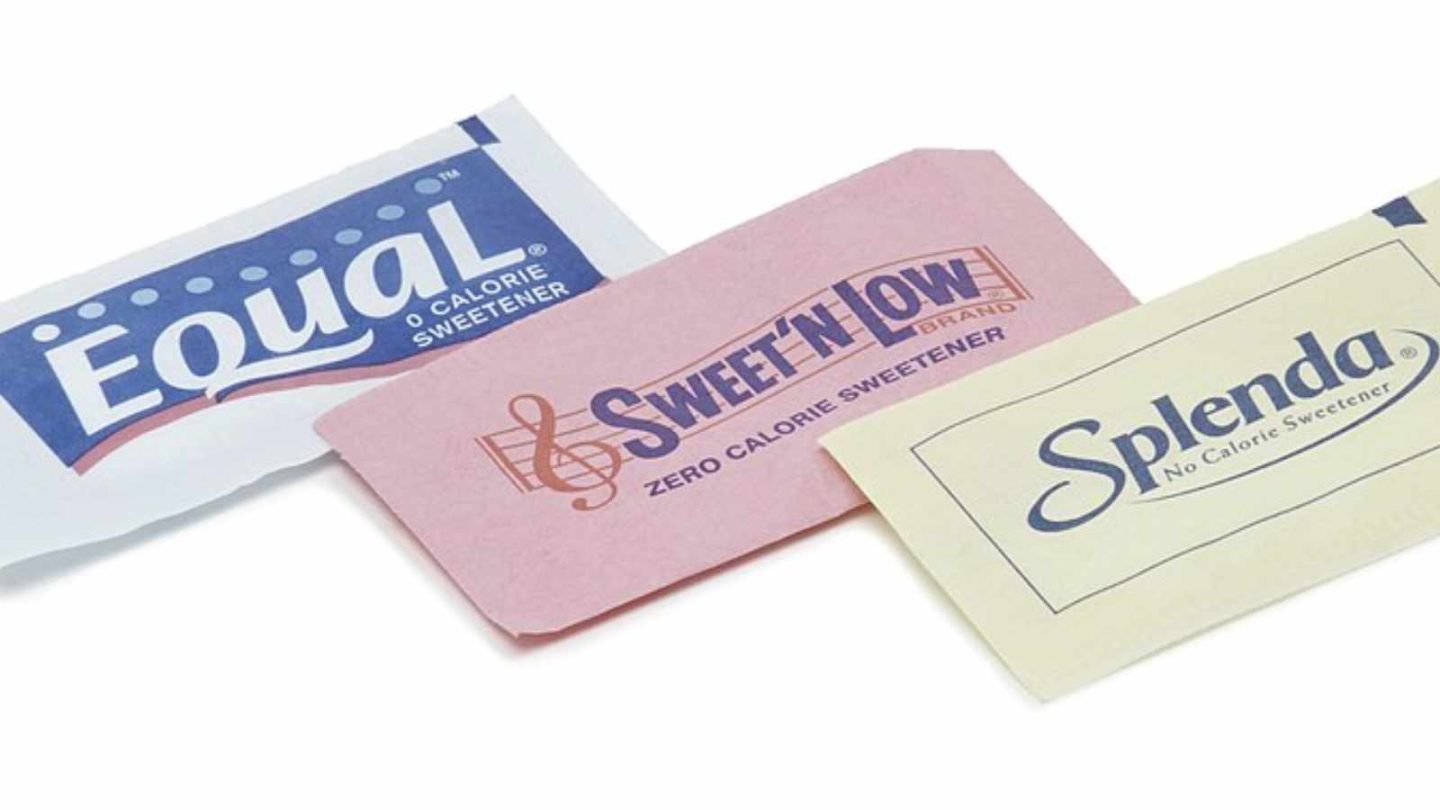
You ditched sugar and went diet? Bad news: artificial sweeteners like aspartame may impair cognitive function. Some studies suggest they affect neurotransmitters and increase irritability or anxiety. Sure, zero calories sound great, but your brain isn’t impressed. It just gets confused.
Trans Fats

Found in margarine, frozen pizza, and packaged pastries, trans fats can stiffen more than just arteries. They may slow down brain response time and increase your risk for cognitive decline. Even small amounts, when accumulated over time, can impact learning and memory. Check labels. “Partially hydrogenated” is your cue to toss it.
Processed Meats

Think bacon, sausages, hot dogs. These meats often come packed with sodium nitrates and preservatives that may damage brain cells over time. They’re tasty, yes, but too much can raise your risk of dementia. It’s not about quitting cold turkey, but maybe going easy on breakfasts.
White Bread and Refined Carbs

Bagels, rice, crackers; these simple carbs convert quickly into sugar once digested. That triggers the same inflammation and memory issues caused by refined sugar. Complex carbs like oats or whole grain bread offer more fiber and a gentler effect on your brain.
Alcohol

A glass of wine with dinner is one thing. However, regular heavy drinking can shrink parts of the brain tied to memory and learning. Even mild drinking has been linked to lower brain volume in the long run. Ever wake up foggy after just two beers? That’s your brain telling you it’s struggling.
Microwave Popcorn

It’s the bag, not just the corn. Many microwave popcorn bags contain chemicals in the lining, such as diacetyl and PFOA, which have been linked to memory issues. Add all that fake butter flavor, and it becomes a not-so-great snack. Air-popped popcorn is a better option.
Soy Sauce

High in sodium and often loaded with MSG, soy sauce can cause brain fog, headaches, and even affect mood. If you’re reaching for it often, try a low-sodium version or coconut aminos. Your sushi will forgive you.
High-Fructose Corn Syrup

Found in ketchup, salad dressings, and even “healthy” granola bars, this syrup is everywhere. It affects insulin levels and can mess with the brain’s ability to respond to signals. Over time, this may lead to learning problems and a decline in mental sharpness.
Tuna
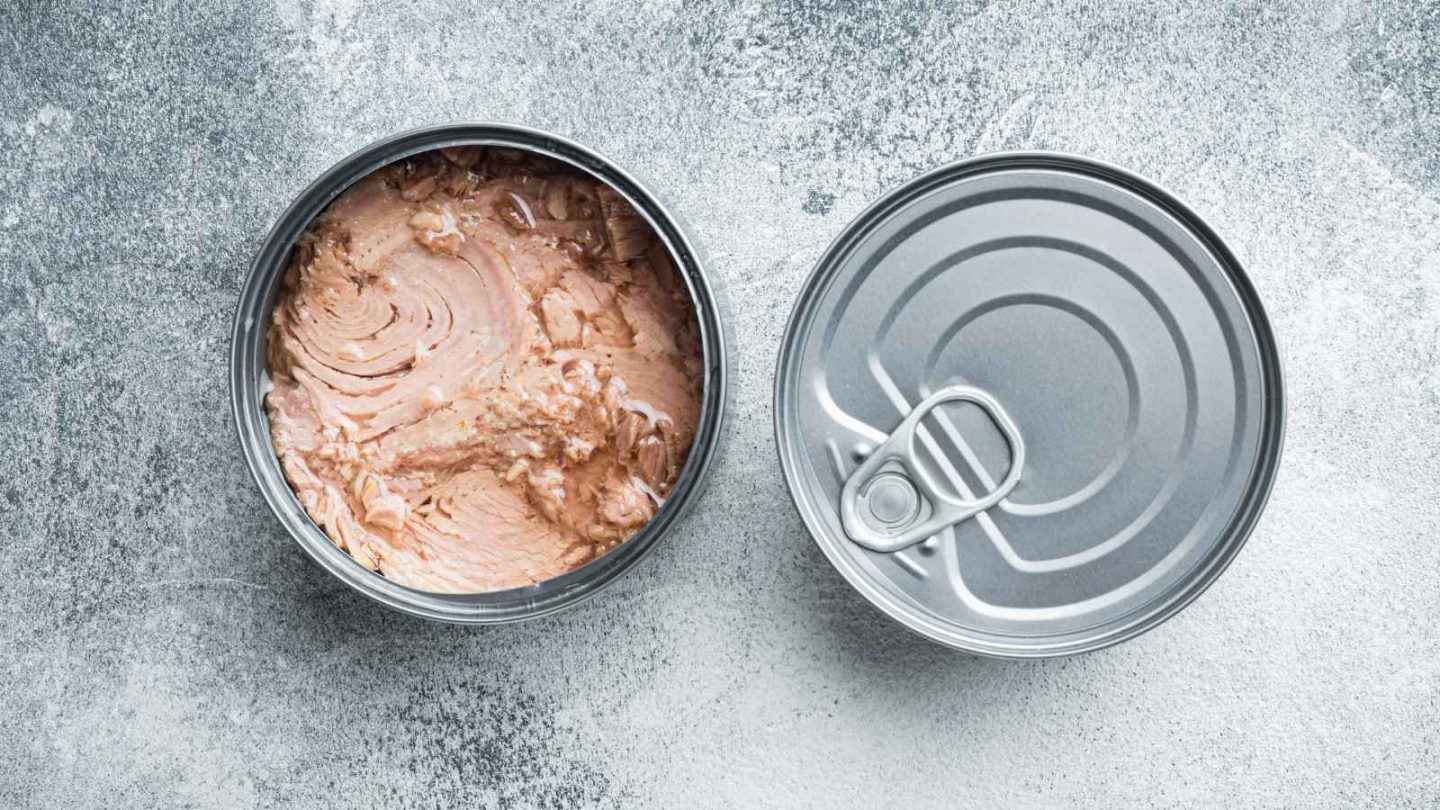
Surprised? Tuna contains mercury, and too much mercury can impair memory and focus. Large fish like tuna absorb more mercury due to their size and lifespan. Eating it occasionally is fine. Just don’t rely on it as your go-to protein every week.
Fast Food
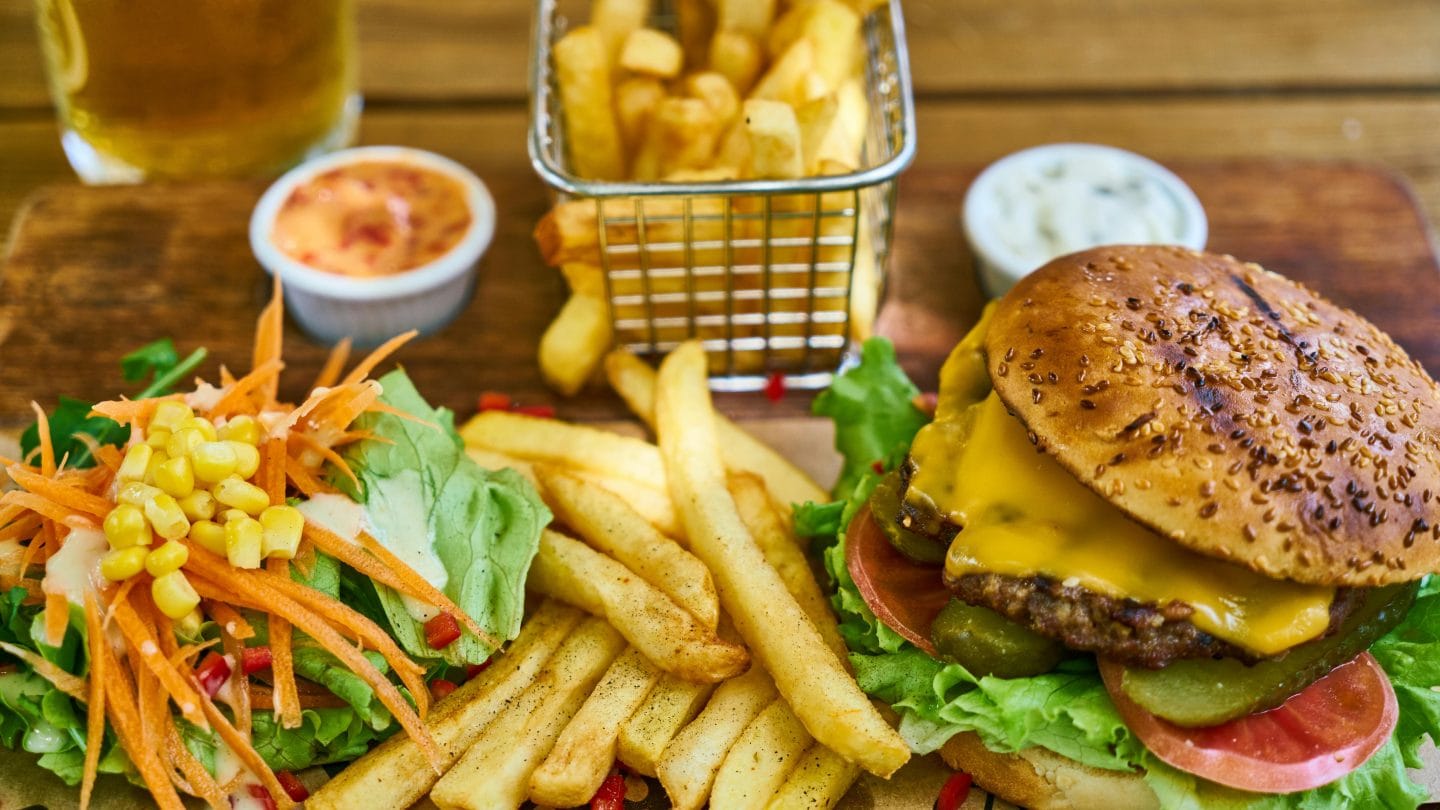
Fast food is quick, affordable, and readily available. However, it often combines many of the items already listed, including trans fats, refined carbs, processed meats, and excessive salt. Diets high in fast food are linked with lower brain function and even increased depression.
Fat-Free Products

Sounds healthy, right? Fat-free yogurt or dressings often compensate for lost flavor with added sugar or artificial additives. Your brain needs healthy fats to function well. Removing fat and replacing it with chemicals or sweeteners can only confuse your system and make things worse.
Disclaimer: This list is solely the author’s opinion based on research and publicly available information.
You Might Also Like:

How To Stick To Your Holiday Budget and Avoid Debt: With the holiday season in full swing, many find themselves facing high expenses. The anticipation of gift-giving, coupled with the desire to create unforgettable moments, often leads to the common tradition of seasonal spending, with the average holiday budget reaching a considerable sum.