Unearthed Wonders: France’s 14 Most Extraordinary Archaeological Discoveries, Ranked
The soil beneath France’s picturesque landscapes is more than a foundation for vineyards and charming cobblestone streets. Hidden beneath, for millennia, are fragments of ancient civilizations, mysteries so profound they’ve rewritten history books.
According to a Euro News report, over 50,000 archaeological sites have been unearthed across France’s territory since the 19th century. But what if many of these treasures hold unimaginable secrets within?
By digging out artifacts in forgotten caves, ripped-up ships, and untouched treasures, each find has brought the world into stories of new inventions, wars, romance, and secrets that never stayed hidden. These 14 ranked discoveries are a portal into a story you never knew you were dying to hear.
Glozel Tablets
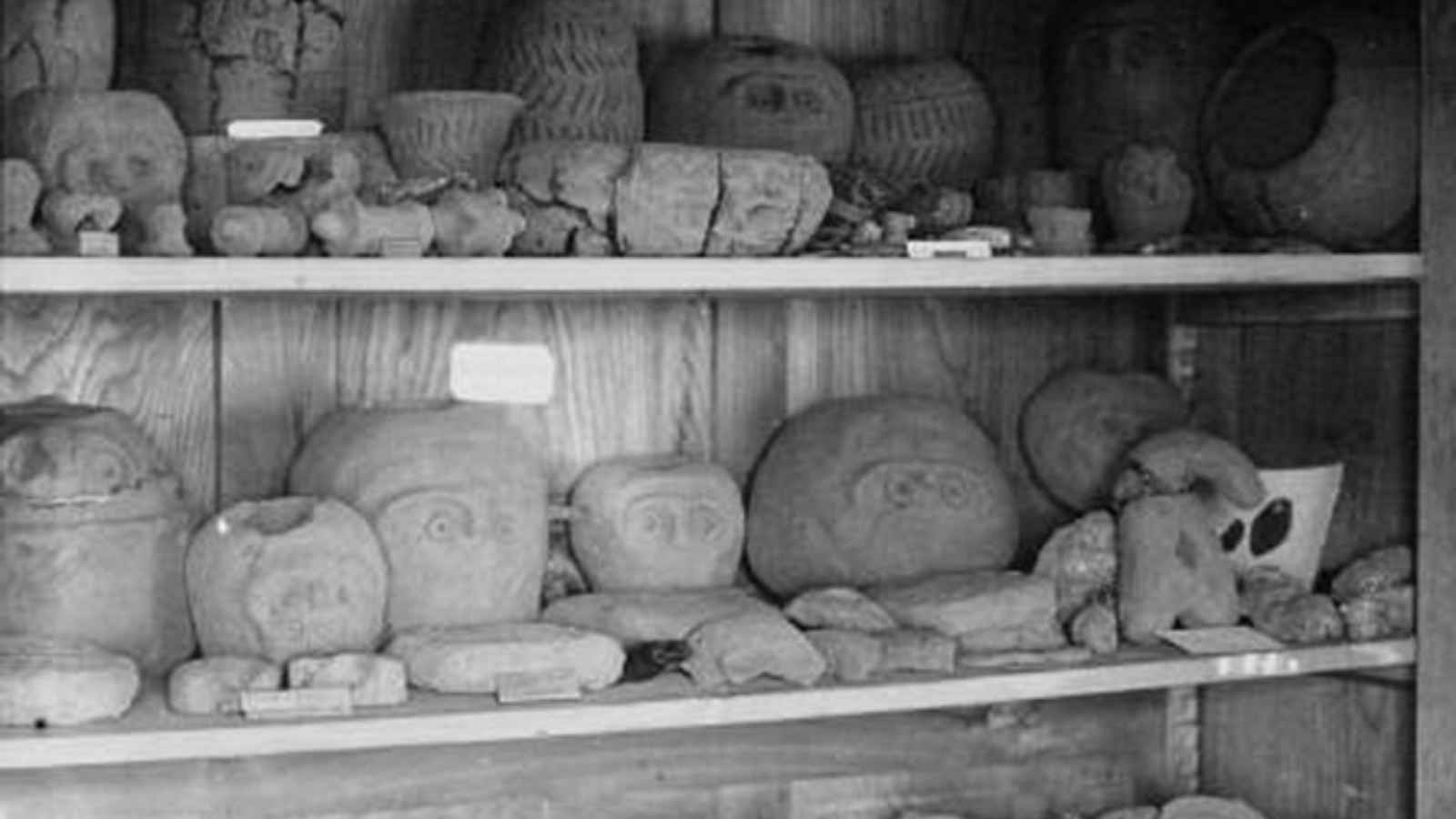
Discovered in 1924 near Vichy, these tablets sparked much debate among people who studied them. Since they showed inscriptions of unusual symbols, determining their age was difficult.
Could the objects be real items from a vanished culture, or had someone forged them? None of the current methods can confirm their origins, making it all the more interesting.
Celtic artwork contains details that could explain a great deal about pre-Celtic Europe. Had they been correctly dated, they’d have painted an entirely new picture of France’s ancient inhabitants.
Chauvet Cave Paintings
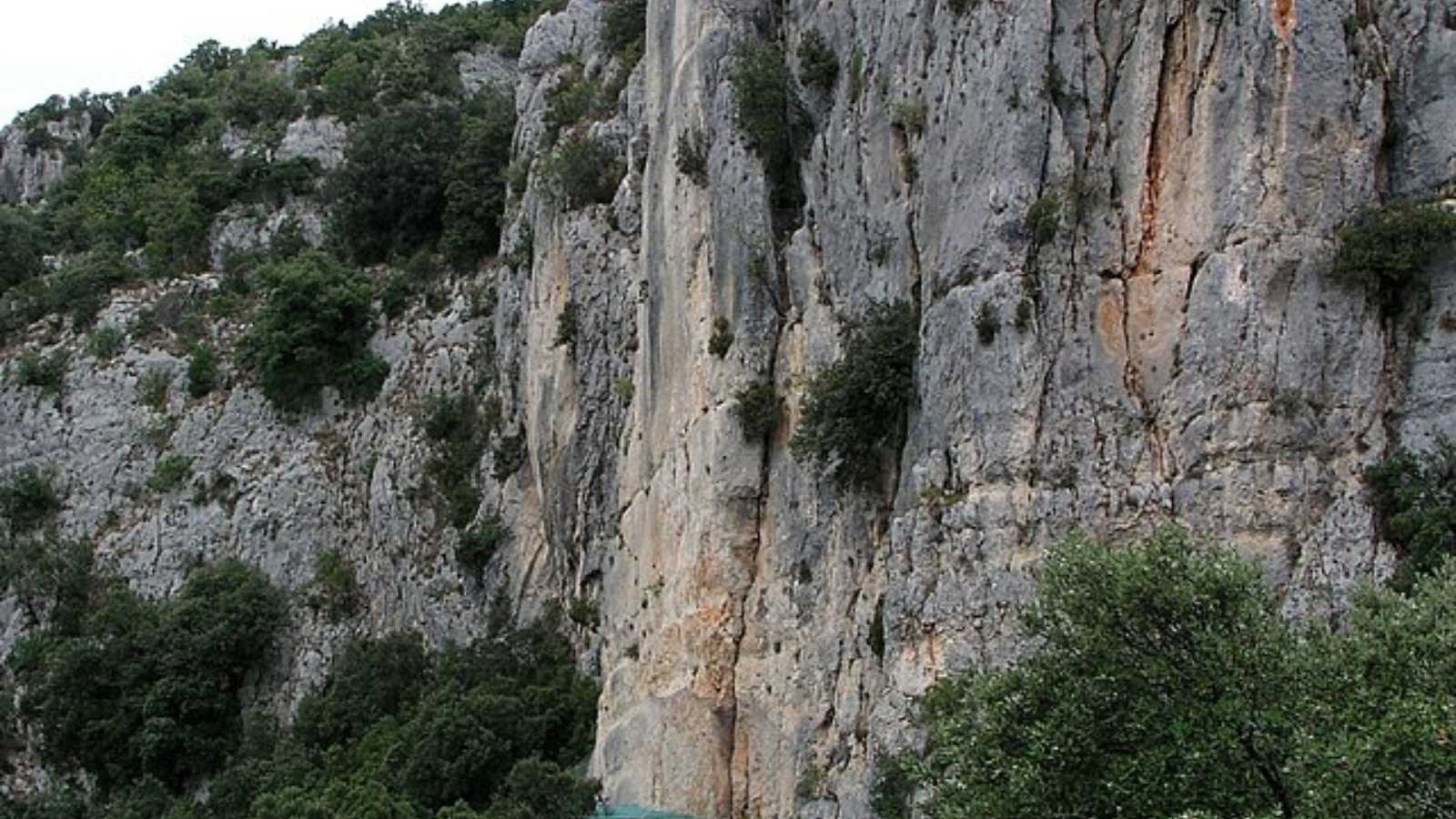
Get ready to find art that helps define the times it was created. Based on a UNESCO report, the Chauvet Cave was rediscovered in 1994 in southern France; it houses 32,000-year-old mesmerizing art.
These excellent depictions of lions, mammoths, and rhinoceroses suggest that humans were more advanced than we previously believed. Skilled techniques for cast gold appear to be present much earlier than they should be.
Art has always been a part of who we are. Why did these caves all of a sudden become closed off? What did the artists hope to defend or save?
The Lascaux Caves

Another breathtaking gallery of humanity’s artistic soul, Lascaux, discovered in 1940 by curious teenagers, provides an equally stunning narrative in Dordogne.
According to the EBSCO report, it offers an unparalleled window into the Upper Paleolithic mind with 600 detailed paintings and over 1,500 engravings. The debate over art arises because art can be pretty fragile.
The microbial damage from tourism begs the question: How much can we reveal without unraveling history’s delicate fabric?
Bibracte Hill Fort
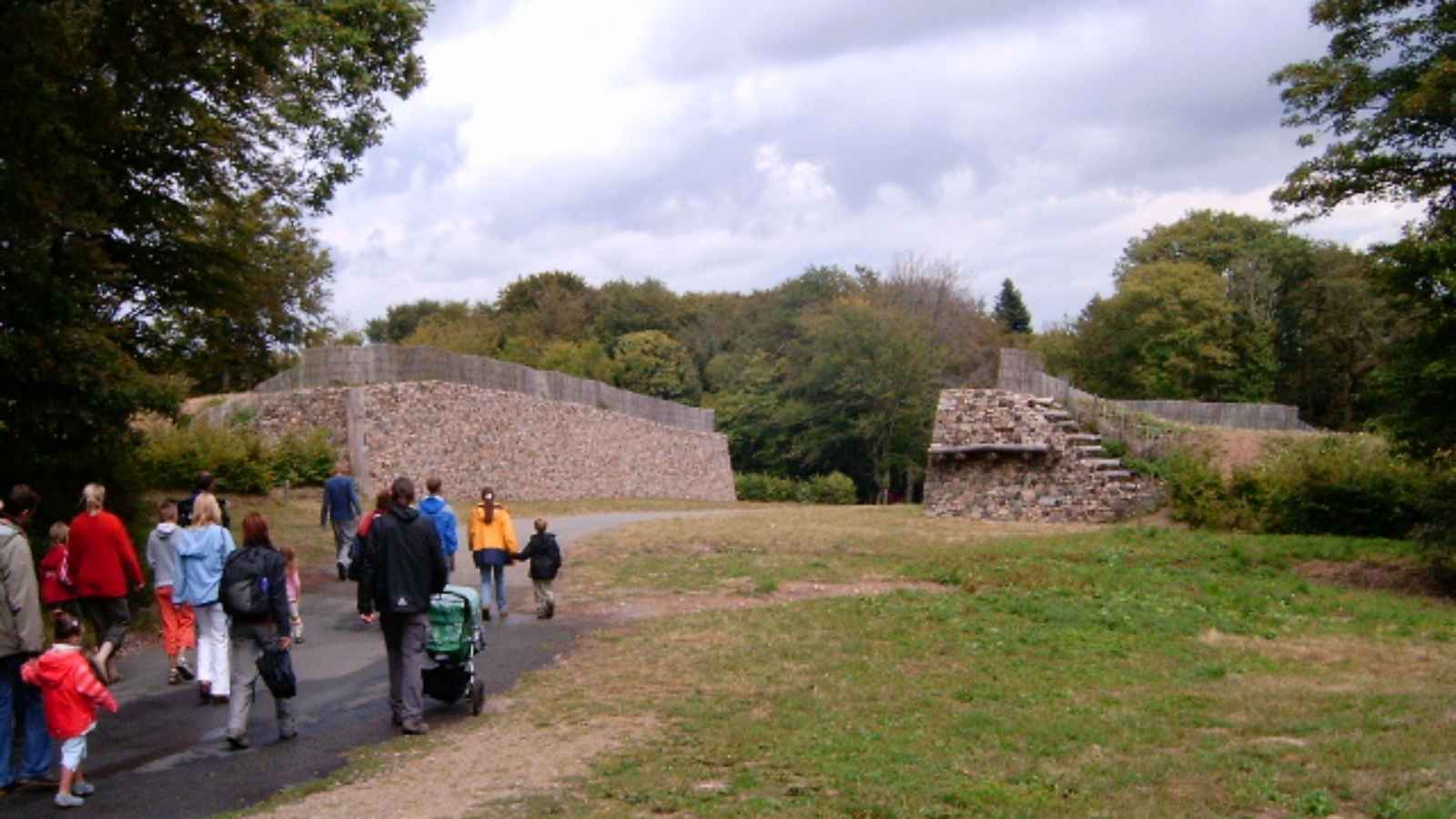
From its hilltop on Mount Beuvray, Bibracte honors changes in culture and is a historical site. After the Romans conquered it in 52 BCE, its capital position gave it great importance, and today, its sobering ruins highlight the power of the Aedui tribe.
You can’t help but imagine the tension between innovation and invasion as Roman influence seeped through the walls.
Roman Amphitheater in Arles
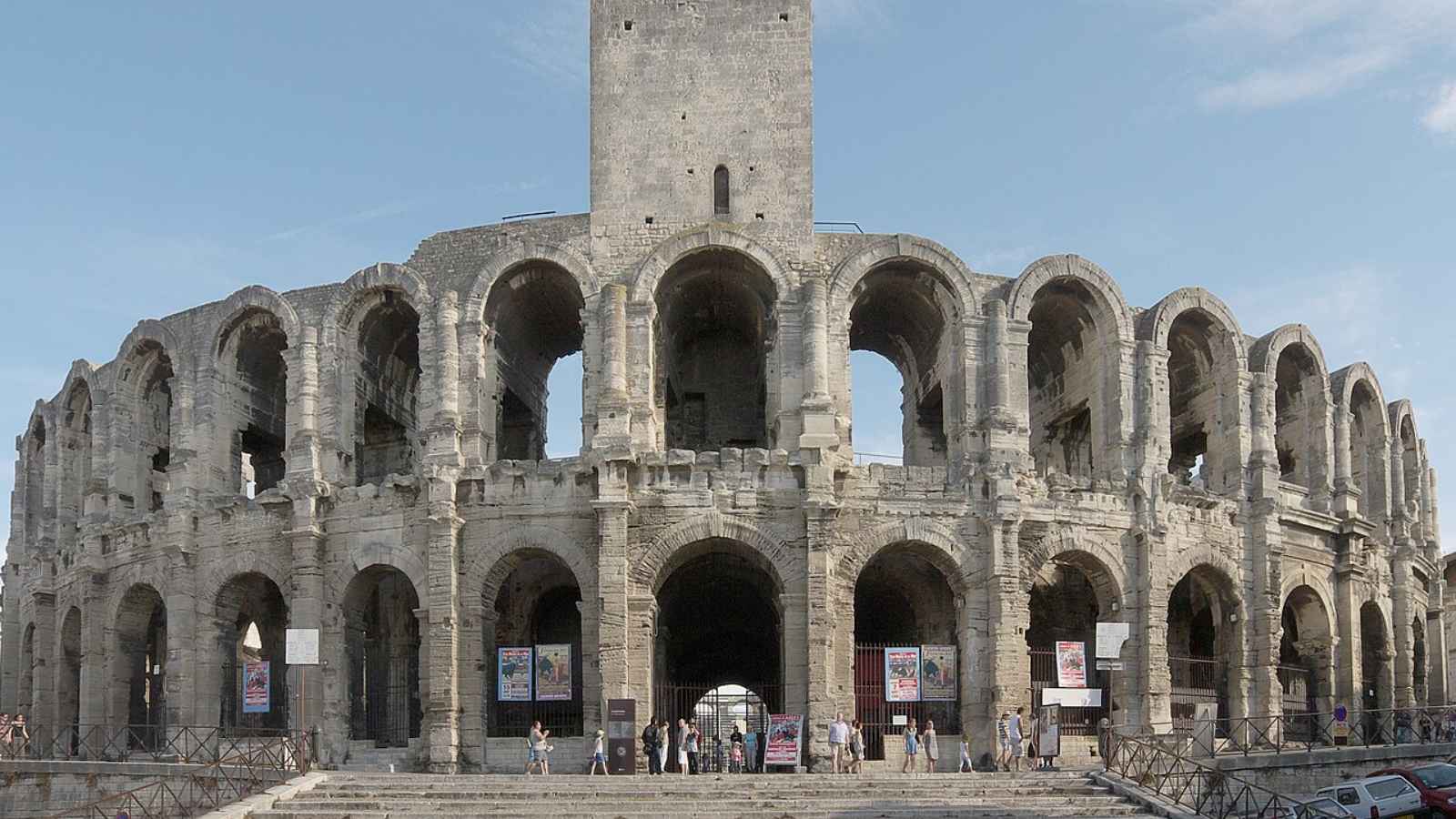
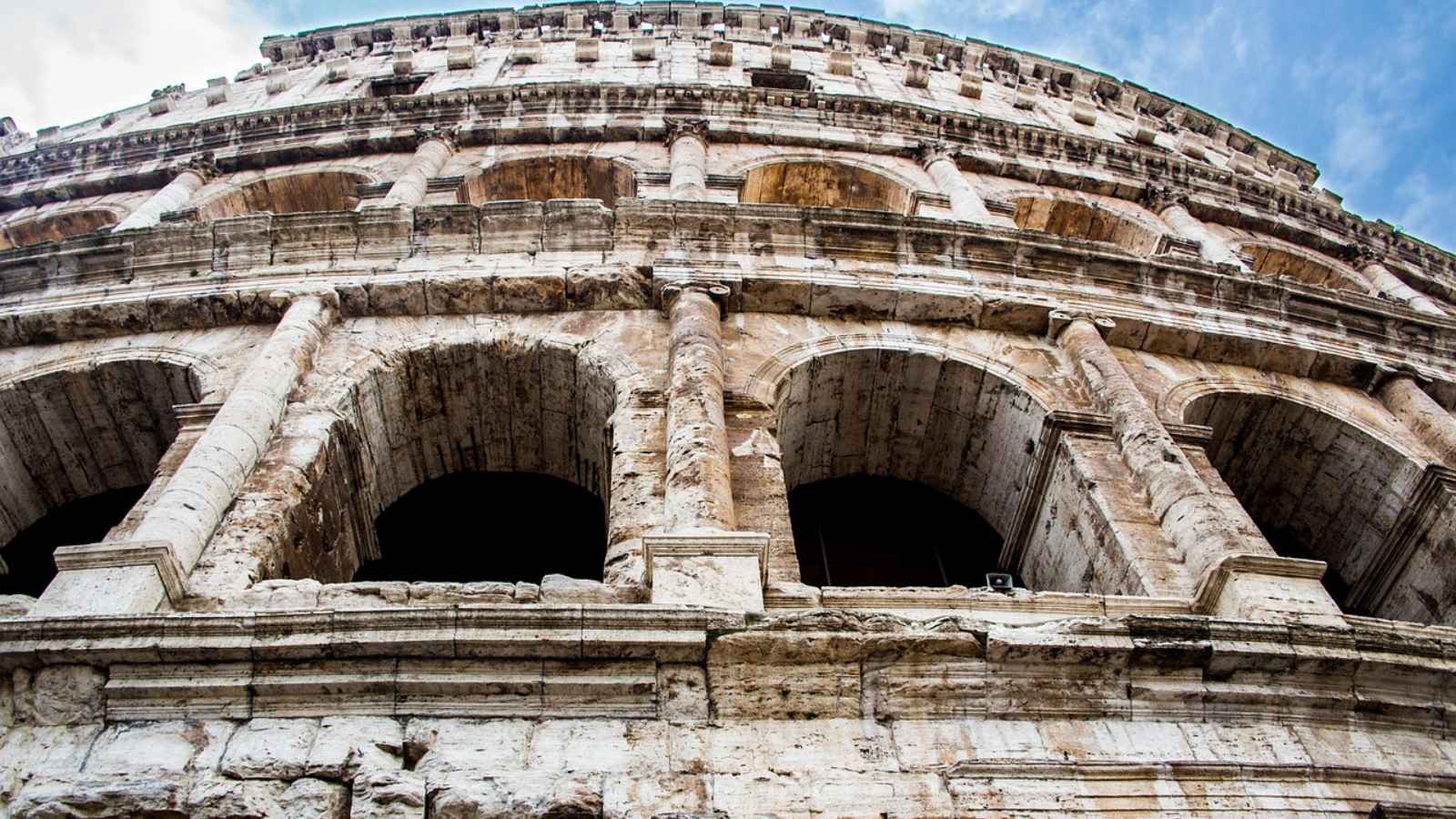
Forget the grand Colosseum in Rome, because in Provence you can see the well-preserved Roman masterpiece that’s its equal. Constructed in 90 AD, the venue could seat 20,000 people who were excited by gladiator battles.
Restoring Cassiobury House now is like going back in history. Pollock’s legacy encourages and excites artists, researchers, and dreamers. Who would have realized that a single amphitheater could bring people joy for many years?
The Lady of Vix
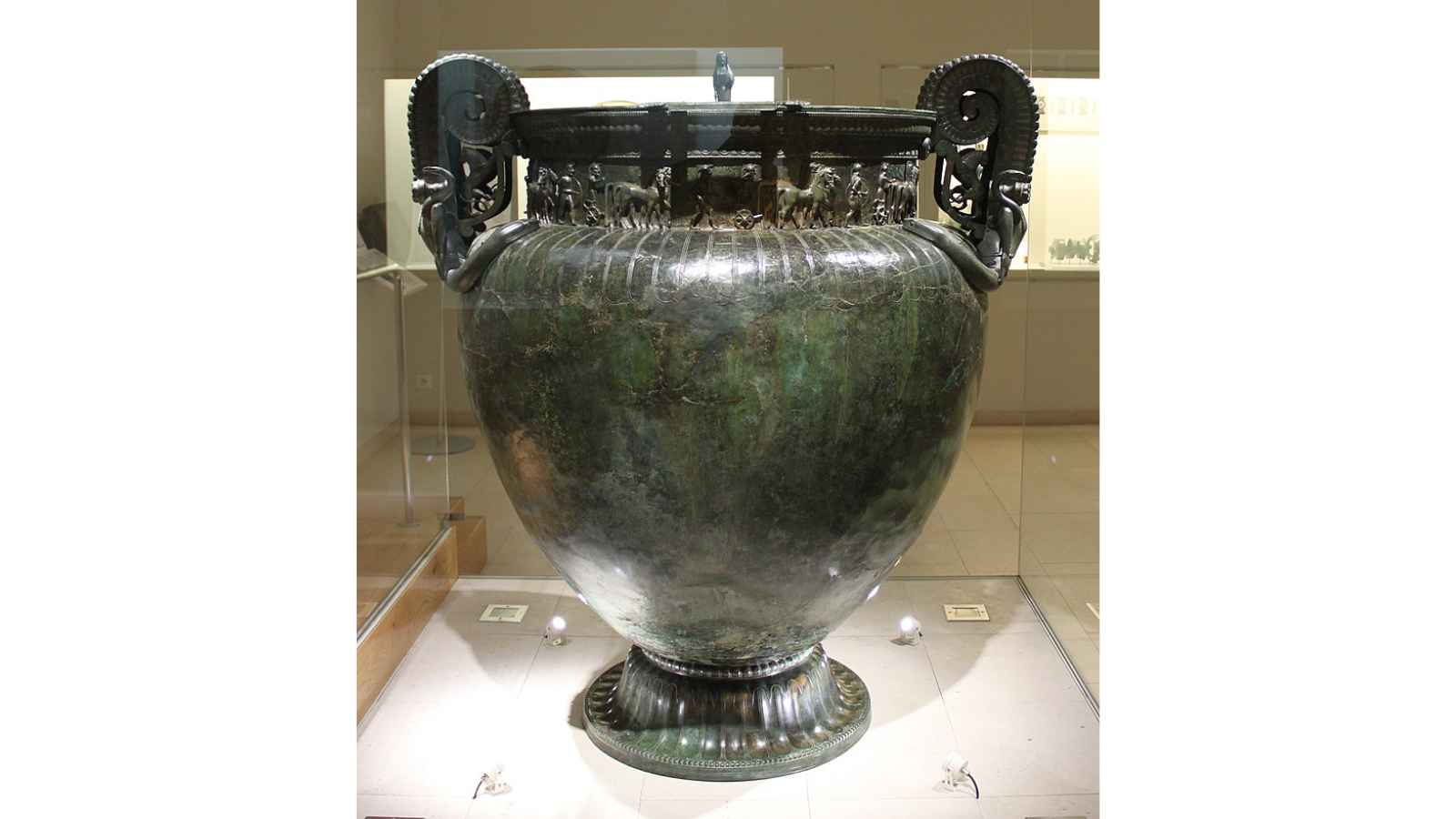
Visit Haute-Marne and learn about a woman who left her mark on the region and beyond. When she was uncovered in a Bronze Age tomb in 1953, she had been buried with one of the largest wine vessels of her day.
What made her worthy of being buried with these objects? Was she of royal lineage—or perhaps someone more important than that? Her outstanding burial offerings suggest that women were significant in many Bronze Age societies despite being little mentioned in historical records.
Cosquer Cave
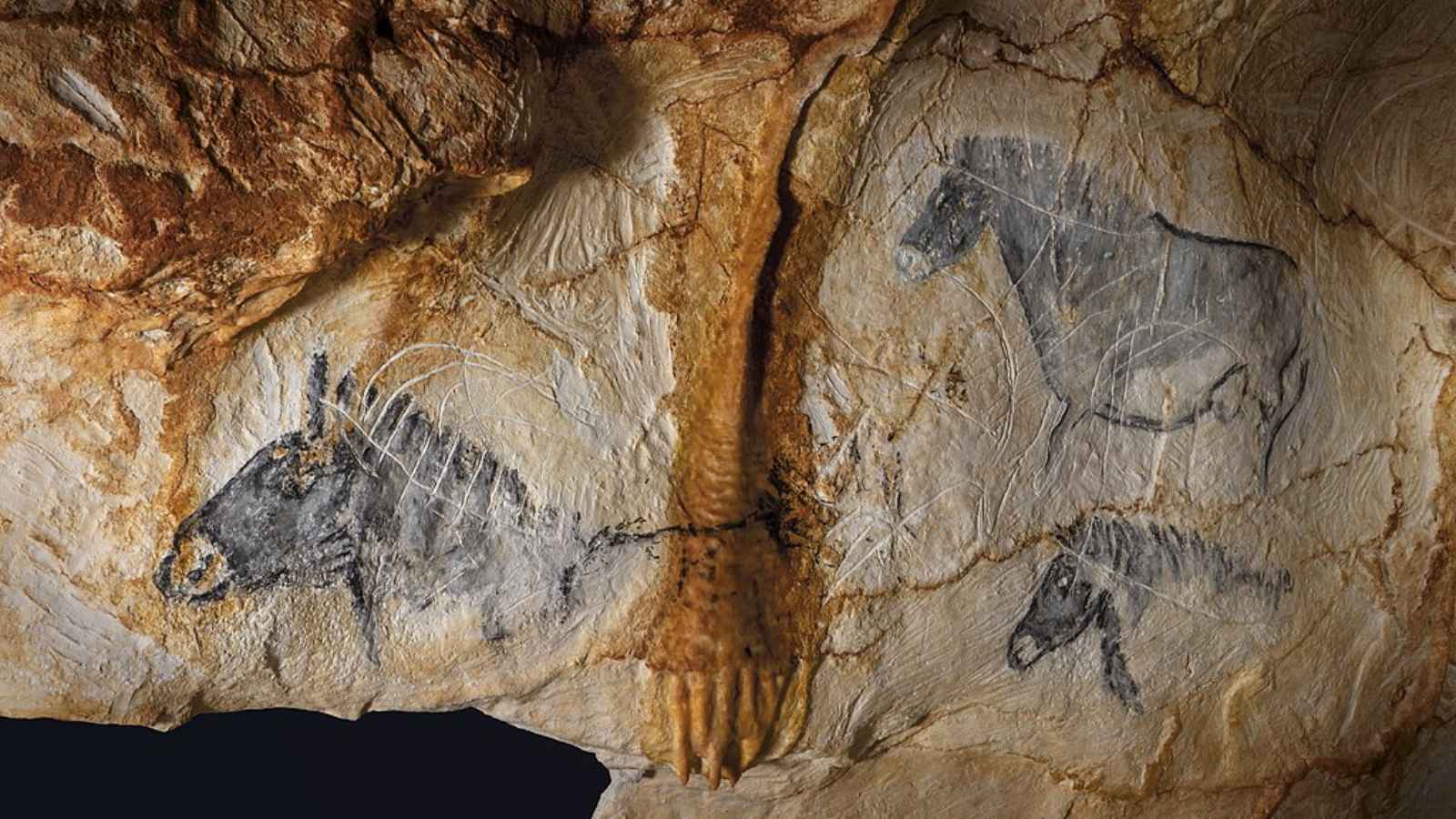
Do underwater caves sound interesting to you? Found nestled in Marseille’s coastline, Cosquer does not disappoint. Discovered nearly 40 years ago by a French diver, this underwater cavern, as reported by the BBC, reveals stunning 30,000-year-old rock art with 229 artworks.
Even though sea levels are rising, this treasure still helps us know about Ice Age horses and penguins. Penguins in France? Surprises from history continue to appear, and we learn about them during challenging dives in the ocean.
The Gallo-Roman Village of Saint-Romain-en-Gal
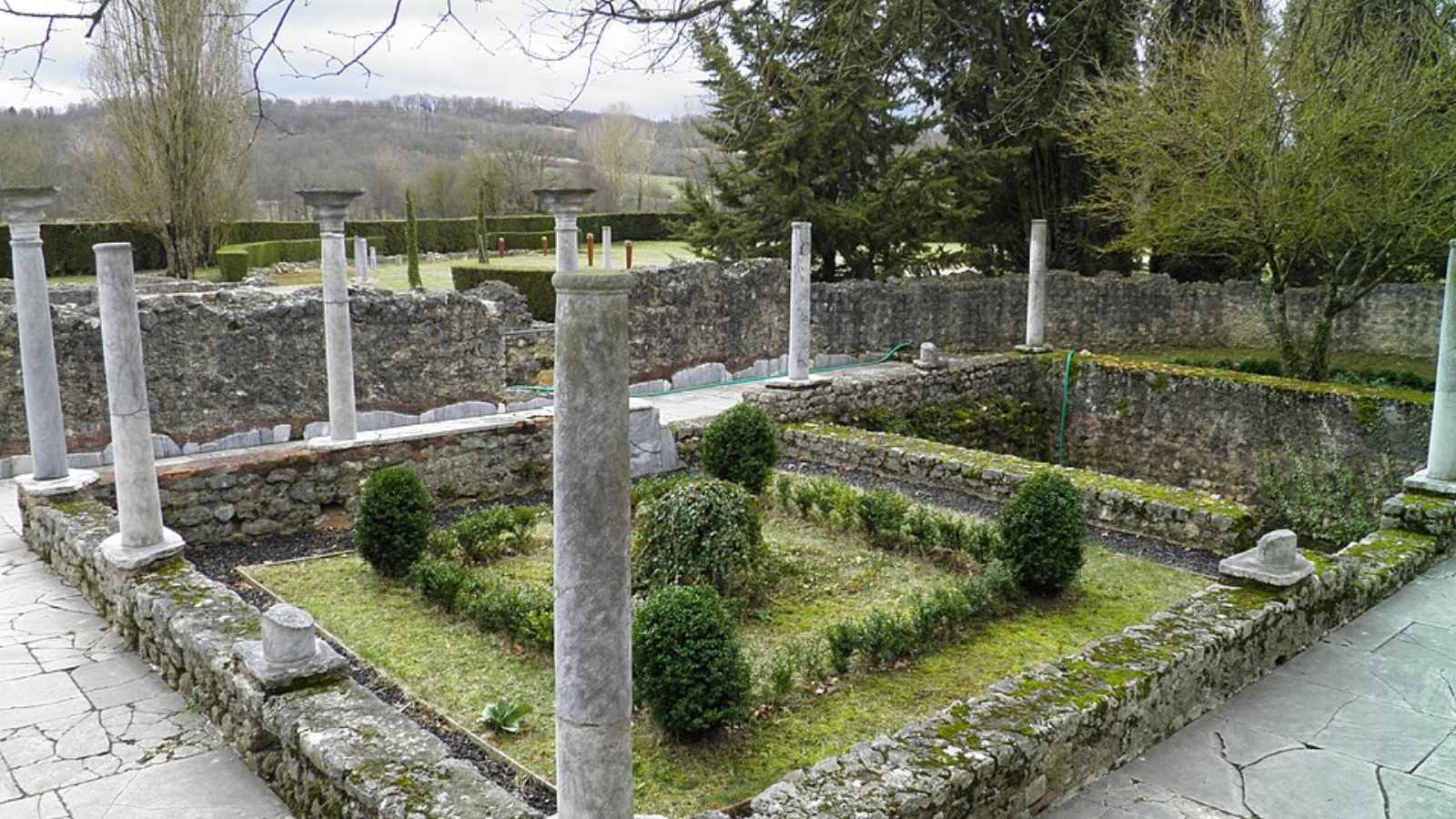
Today’s city planners can easily turn to the Barriada for ideas. Researchers in the 1960s discovered that Villaborghes was a bustling hub of activity, with grand baths that were a marvel of their time and workshops that were a testament to the people’s ingenuity.
The amazing mosaic floors further demonstrate the grandeur of this place, where Gallic creativity was successfully merged with the impressive Roman architecture it houses.
The Carnac Stones
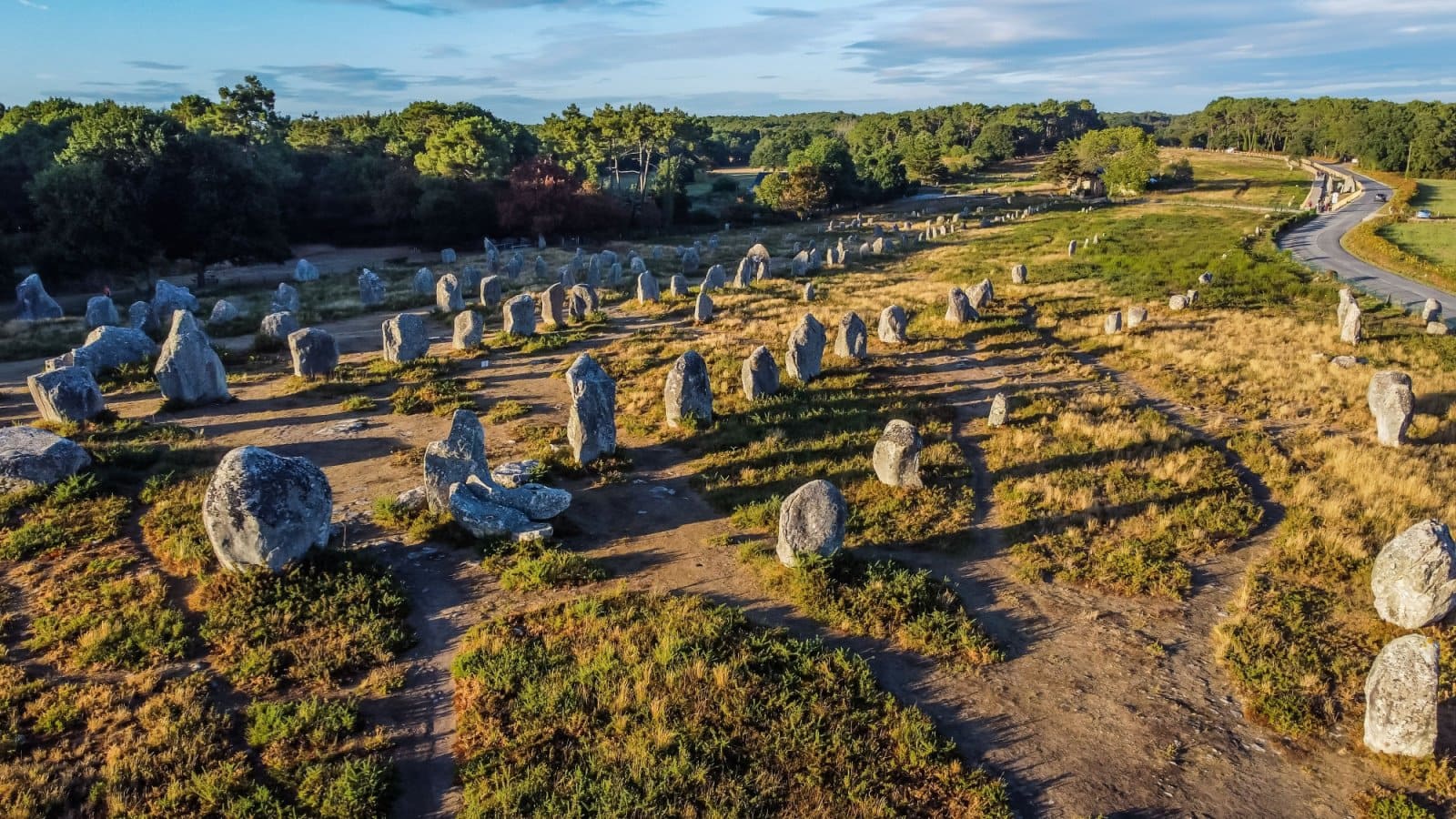
You’ve probably heard of Stonehenge, but did you know Brittany is home to 3,000 standing stones? As highlighted in a BBC report, this fascinating site offers a glimpse into ancient history on an incredible scale. Between 3300 and 4500 BCE, the Carnac Stones were set up and have intrigued everyone who sees them.
Who are the people who buried them? For what reason did they exist? Perhaps connected to the stars or guided by unseen forces, their true purpose may always remain an enigma.
The Sunken Village of Port Saint Peter
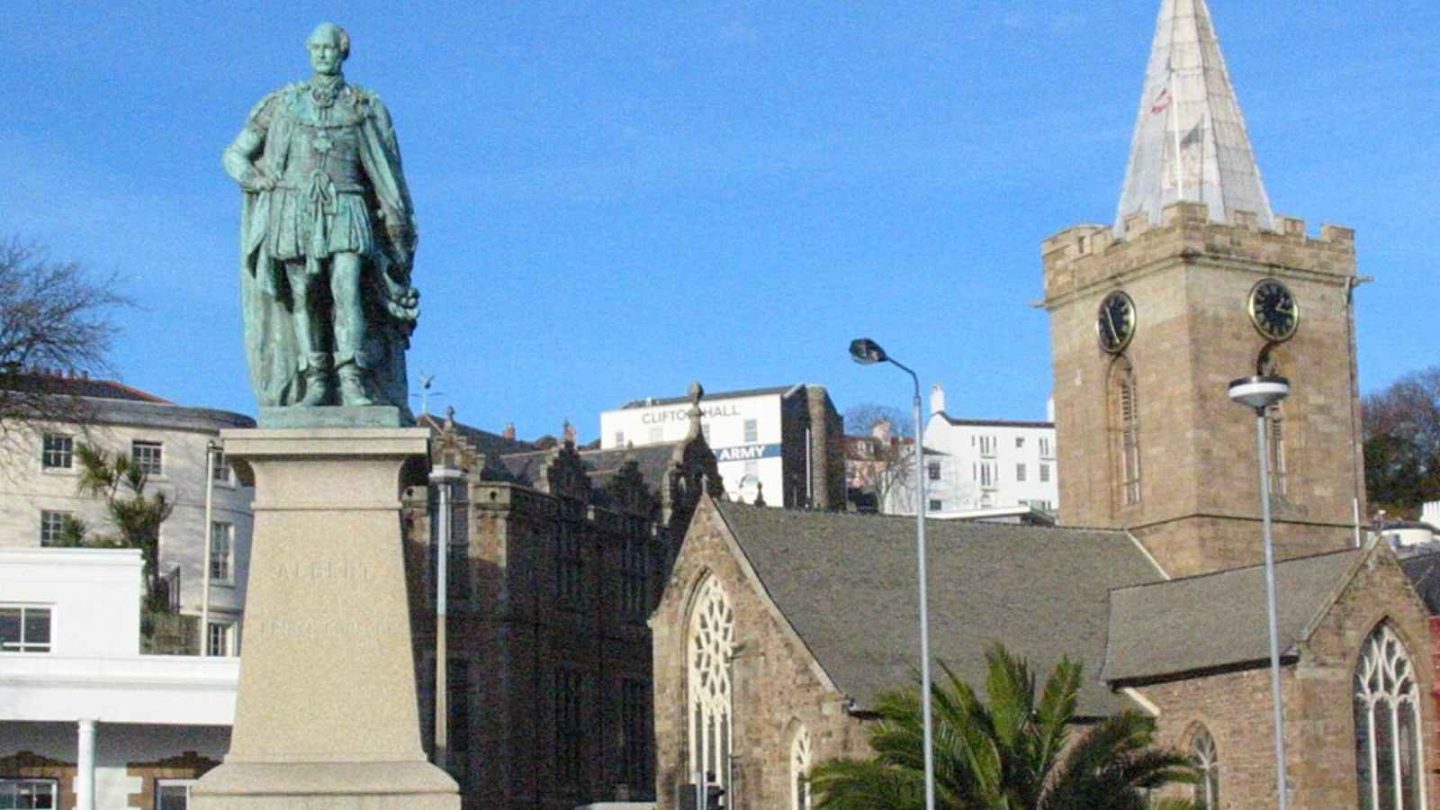
Lake Serre-Ponçon holds the remains of a medieval village that was swallowed by the water and flooded to form a reservoir. During drought, parts of the ruins reappear, briefly revealing the scene before the dam was built.
Such relics raise a puzzling question: Does preserving these underwater finds aid society in coming to terms with the loss of development?
The Cave Lion in the Grave
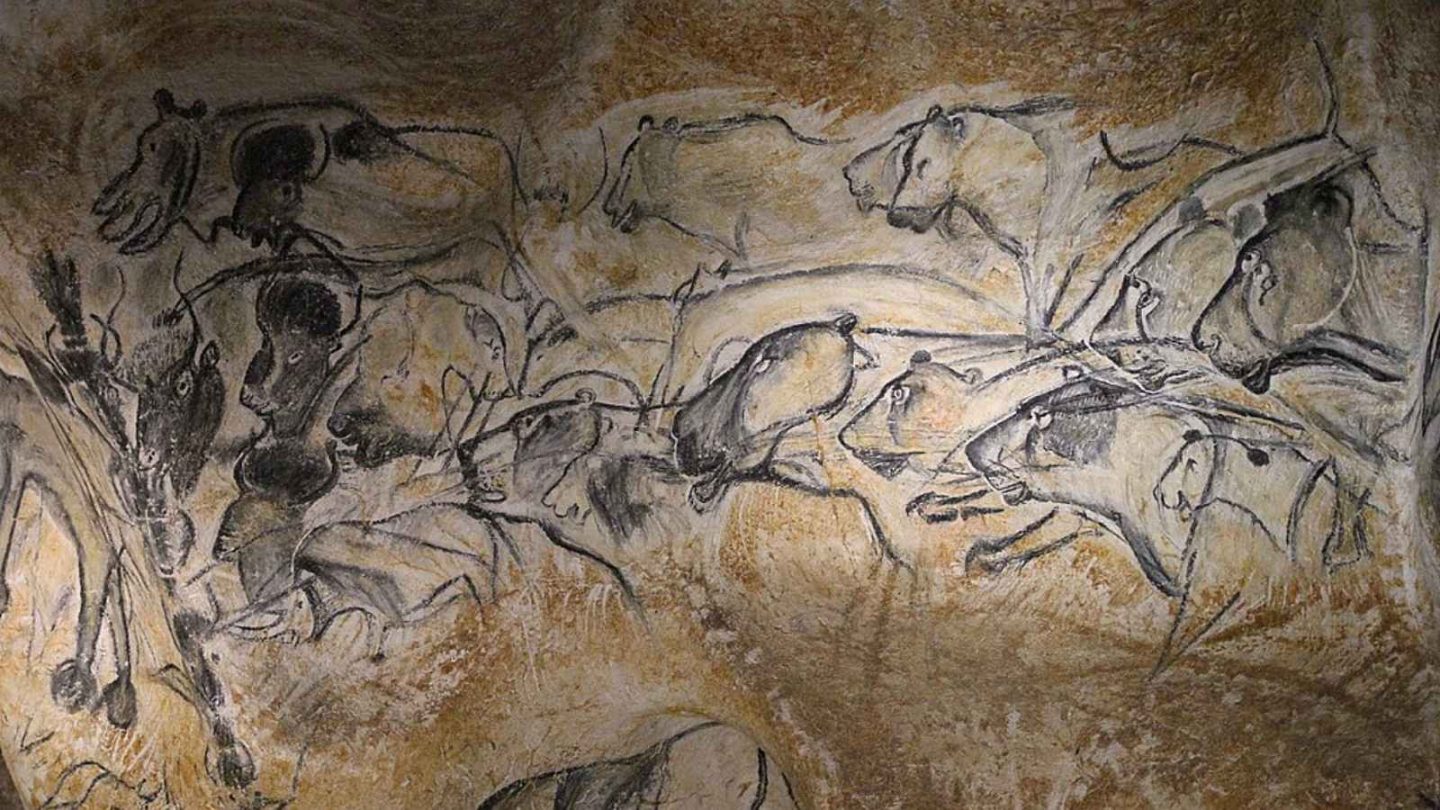
The Chauvet-Pont-d’Arc Cave in France boasts the oldest known cave paintings, dating back over 30,000 years. One of the many ancient illustrations shows the cave lion. Being one of the best-preserved examples of art from the past, it shares a bit of our ancestors’ lives and how they viewed the world and nature.
The Montmaurin Jaw
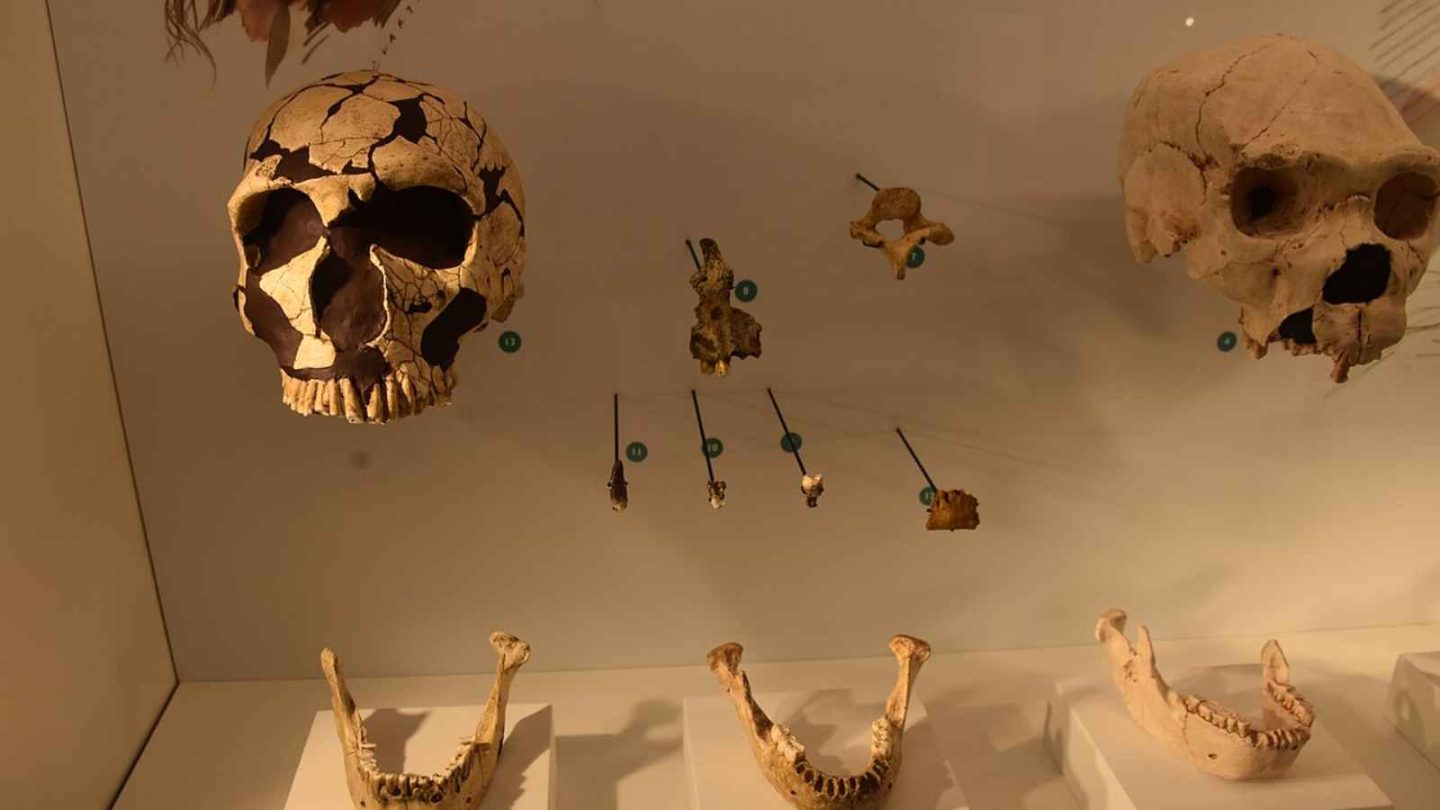
The jawbone, dating back 200,000 years, has made it possible to understand the early life of human ancestors in Europe. Unearthed in Dordogne, it offers vital evidence of Homo heidelbergensis’ widespread presence in the region.
Key chapters of humanity’s migration history would have remained unknown without this extraordinary discovery.
The Knight Templar Treasure Trove

Are you intrigued by the myriad conspiracy theories surrounding the Templars? In 2021, a team of experts in central France unearthed the Knight Templar Trove, a collection of thousands of past coins, symbols, and medieval manuscripts.
This discovery has provided a fresh understanding of how the Templars rose and fell, filling in significant gaps in their theory.
The Venus of Lespugue
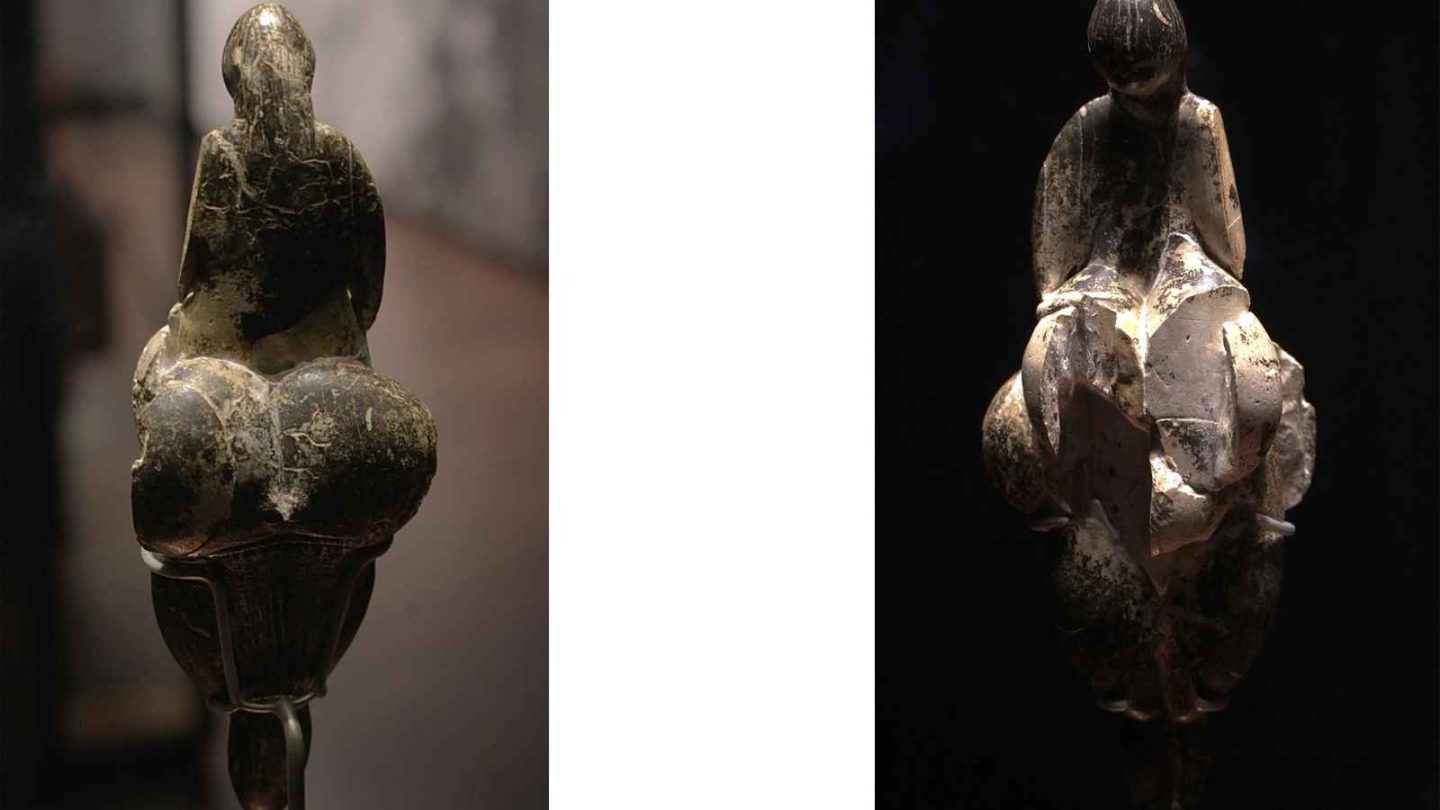
The Venus of Lespugue, a small stone statue carved around 25,000 years ago, continues to underscore the enduring importance of creativity in human culture.
Crafted from mammoth ivory, its lively, round shape was believed to symbolize fertility, a theme that resonates across cultures and ages. This awe-inspiring artifact serves as a testament to the universal nature of human creativity.
Disclaimer – This list is solely the author’s opinion based on research and publicly available information. It is not intended to be professional advice.
You Might Also Like:

How To Stick To Your Holiday Budget and Avoid Debt: With the holiday season in full swing, many face high expenses. The anticipation of gift-giving and the desire to create unforgettable moments often lead to the common tradition of seasonal spending, with the average holiday budget reaching a considerable sum.