
15 Grocery Store Rules Boomers Still Swear By That You Might Have Forgotten
I recall the Saturday mornings of the 1980s when my parents would take me to the grocery store. The bright buzz of the fluorescent lights, the metallic clanging sound of the shopping trolley as I eagerly hung on to the side. The excitement of seeing my favorite cereals on the side of the milk aisle in the grocery store, where the commercials were playing in the background, brings a smile to my face every time.
Grocery shopping wasn’t just a chore; it was its kind of adventure, complete with unspoken rules that somehow everyone seemed to follow. A review of the current state of grocery stores reveals a notable shift. According to a Statista report, Older shoppers are more likely to prefer in-store shopping than younger ones; for instance, 61 percent of those aged 55 to 65 exclusively shop in-store, compared to just 31 percent of those aged 18 to 24.
There is a decline in various traditional grocery store practices as online shopping, self-checkouts, and app-based coupons become more prevalent. Nevertheless, Baby Boomers still adhere to this well-proven commitment, under the assumption that it is the secret to productive and successful shopping.
Some of these practices evoke nostalgia while offering valuable insights into today’s shopping experience. Here are 15 timeless rules that remain relevant—tips you may consider adopting for an enhanced shopping experience.
Never shop on an empty stomach

Boomers knew the golden rule of grocery shopping long before it was backed by science. A Cornell University Study demonstrates that eating before you go shopping may compel you to spend between 10 and 23 percent more on unhealthy and high-energy snacks.
When you are full, it is easier to resist temptations and grab the necessities by avoiding the high-priced chips and cookies that even the most dedicated person can resist.
Make a detailed shopping list

Boomers used to shop with handwritten lists on notebooks, receipts, or any other available paper. Why? They did it because they thought it was essential to stick to the plan.
This wisdom is reflected in modern research, as statistics from the University of Pennsylvania indicate that individuals who shop with lists manage to save, on average, 23% more than those who do not.
The list was not just something to help him get through it all; it was one strategy for reducing impulse buys and avoiding crossed-out regrets.
Buy store-brand products

This is one thing that has not changed, as you may think. Consumers were among the first beneficiaries of the store-brand movement, as baby boomers enthusiastically embraced what were then termed value brands.
According to Forbes, generic brands can save shoppers an average of 40% compared to name brands, and Baby Boomers were well aware of this. It could be canned soup or potato chips; they still took a chance on store brands.
Double-check sale items for the fine print

“Limit 2 per customer” or “Offer applies with a $50 purchase.” The only thing Boomers knew how to pick was the small print on glamorous sale signs. They realized that not every deal was as rosy as it looked.
The rule remains valid even today when endless promotions are rolled out in stores. Boomers have keen eyes when it comes to detail, and those dollars you save can certainly be applied to your next trip to the aisle.
Don’t forget to bring a coupon stash
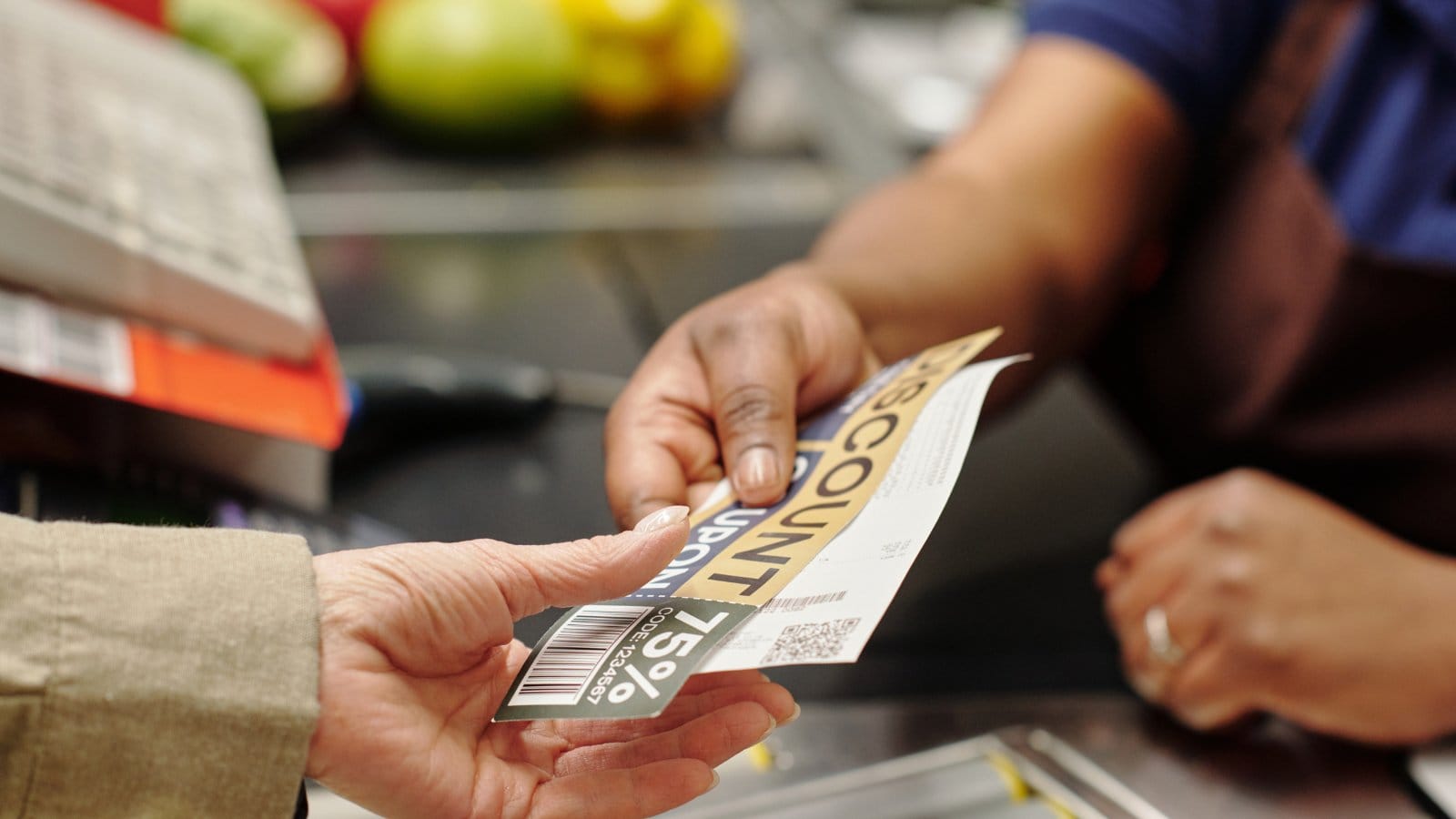
Coupons used to be a boomer shopping staple; a clipping from the Sunday paper or placed neatly into the wallet was the passport to making prudent purchases.
Who is going to disagree with that reasoning? Although there is good evidence that app-based discounts have almost succeeded paper coupons, the eternal chase for a good bargain is even more vibrant than ever.
Buy in bulk selectively

Boomers were fans of a good mass purchase, though they used to make it smartly. They did not buy perishable goods and stocked on non-perishable goods such as rice, canned goods, or paper towels.
Statistics demonstrate that bulk buying continues to provide an average of 25-27% savings in the long run, provided it is approached in the right way. The first enthusiasts of Costco grew up as Boomers, but without a membership card.
Check expiration dates religiously

Would a Boomer ever consider putting milk in his/her cart without first verifying the expiration date? Not. To retrieve the one with the farthest date, they would push three cartons out of the way.
This was almost a ritual. The habit stands the test of time, as it prevents accidents and wasted items in households.
Compare the price per unit

The Boomers would bend over to read minuscule price stickers on shelves and parcels, listing prices per ounce or pound. Their secret tactic for finding the best deal was unit pricing.
The math-savvy attitude still seems applicable because nowadays, many grocery stores use this information to help you better.
Bring your own bags
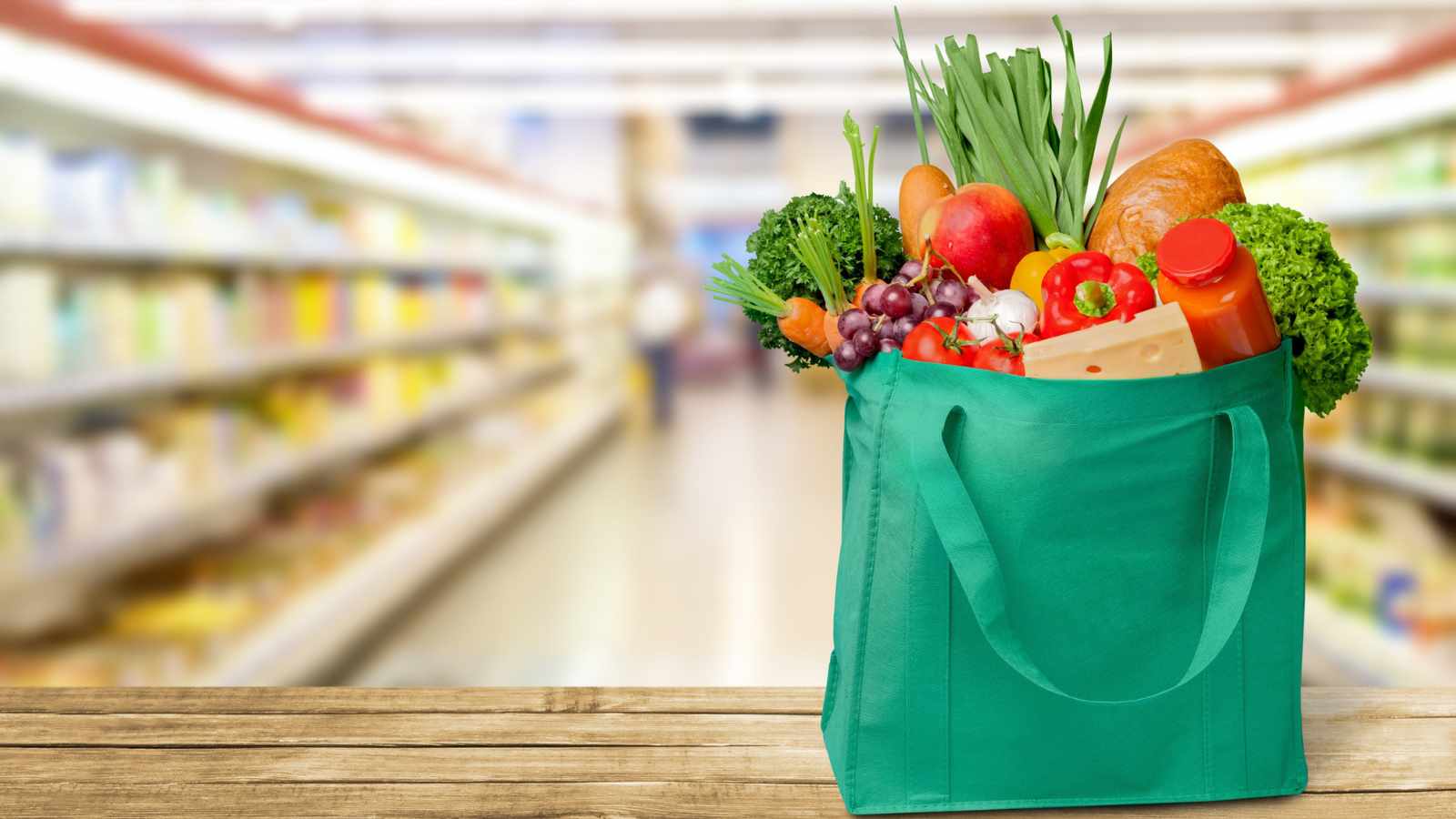
Reusable bags might be considered a new trend. Yet, baby boomers have long been using reusable bags and were their first adopters, long before it became a hype.
Then, it was the jumbo canvas bags of the local co-op or those faithful woven baskets that their generation vouched for. This practice, both economically and eco-friendly, has experienced a significant resurgence.
According to CBC News, the global reusable bag market was valued at approximately $11 billion in 2023 and is projected to grow to $15 billion by 2032.
Always shop seasonal
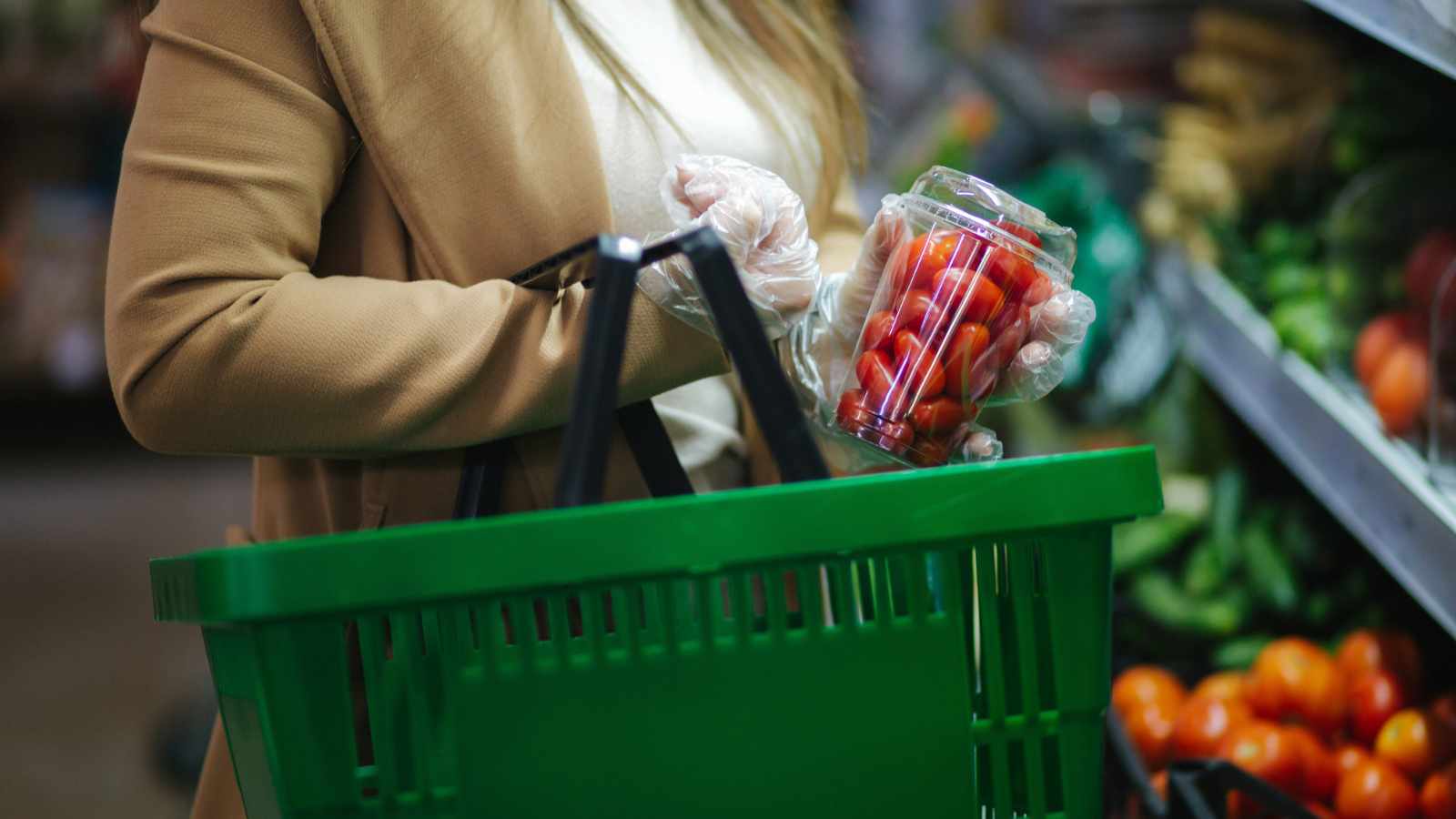
Baby Boomers happened to be almost locavores even before this trend became popular, and they deliberately purchased fruits and vegetables in season. Not only was this cost-effective, but it was also fresher produce, among others.
Seasonal eating is supported by both chefs and nutritionists today as the most effective approach in terms of flavor, value, and freshness.
Know which days to shop

Are you in the mood to find the cheapest deals or the freshest produce? The boomers mastered the art of smart shopping.
There were unique days when shelves were full, capacity was high, and savvy buyers were aware that it was a sure thing to find good bargains and avoid weekend rushes by making visits first thing in the morning on Tuesday.
Timing your shopping can make a big difference in savings, whether in-store or online. U.S. News & World Report suggests that maintaining a shopping calendar is key to maximizing your budget and planning effectively.
Stick with cash over credit

Budgets were meager when it came to groceries, and nothing made that more apparent than the crisp dollar bills handed to the cashier. Boomers realized that credit cards often led to excessive spending, so cash was a more prudent and responsible alternative.
According to 2022 data from Forbes, Americans between the ages of 45 and 54 are most likely to have credit card debt, at 57%, while those aged 75 or older are least likely to have credit card debt, at 29.8%.
Befriend the butcher or produce clerk

Boomers were familiar with all the people at the grocery shop. Establishing rapport with the personnel entailed finding out the times that brought the freshest cuts of meat and the best produce, in addition to an occasional tip of the counter. Their affability opened doors that could not be opened by money.
Freeze perishables

Boomers were grooved on the saying, Waste not, want not. They had learned how to freeze bread, meat, and even dairy products near their exp dates to make them last longer. The quality of freezing saves an ordinary household hundreds of dollars per year.
Always check for dents or damage

Damaged goods risk contamination, and Boomers didn’t take chances. Before the checkout, they inspected the cans for dents and checked for cracks in the eggs. This tendency not only concerned safety, but it was a compulsiveness that guaranteed good quality in any acquisition.
Read More: