15 Common Mistakes Everyone Makes While Shopping
Shopping, love it or hate it, we all do it! According to the Nasdaq report, 84% of shoppers admit to making impulse buys. From grabbing unnecessary goodies to missing hidden fees, even seasoned pros make mistakes that quietly drain their wallets.
The positive news? You do not need to end up in the same mess! Knowledge and some clever tricks will help you avoid these traps and have more money in your wallet.
Are you ready to shop smarter, save money, and break free from old habits? Here are 15 common shopping mistakes and how to crush them like a pro!
Falling for the “Buy One, Get One Free” Trap

That magic phrase has been used to seduce millions of shoppers. Often, you end up with a second item you didn’t want, simply because it was “free.”
Retailers are the masters of making the more appear too good to resist. Always think twice before adding that extra item to your cart, especially when you’re not particularly enthusiastic about it. It is a deal when you need it.
Shopping While Hungry

Enter the grocery with a hungry stomach, and all around you appear to be sources of food necessary to sustain life. Neuroscience News.com Studies show that hunger affects the logic center in your brain, not just your appetite, but also your decisions.
This results in additional snacks, a high cost of treats, and even bizarre purchase impulse foods being added to your basket. Grocery bills can be high when shopping is done on an empty stomach. Have a snack first, and you’ll go shopping with a clear mind.
Trusting “Best Seller” Tags Blindly

Labels that shout Best Seller at the top of their voice can be convincing, yet not necessarily of the quality. At other times, a product is given this label due to multiple sales or marketing efforts.
Before you make a purchase, it is essential to read reviews and understand what others have to say about the product or service. The funniest and sincerest comments are usually made by those who left only one star. Each best seller is not necessarily best for you.
Skipping the Price Comparison Game

How many people have not complained after purchasing an item only to see it sold elsewhere at a significantly reduced price? Failing to conduct a brief price check may result in the loss of hard-earned cash.
Retail outlets rely on the assumption that shoppers do not stop to research, but instead make purchases on impulse. According to Forbes, numerous cost-effective tools and applications are available to compare prices. This is something no one can help but take a few moments to consider when your savings are at stake.
Confusing Quality with Cost

That does not necessarily imply that better things are associated with higher cost. In some cases, it pays to present a cool image with a hip logo or fancy packaging. Savvy consumers read product ingredients, product materials, and reliable reviews.
Many cheaper brands offer quality that can compare with that of large brands. Don’t be misled by price labels that suggest the highest-priced option is the only way to go.
Falling for Endless Loyalty Cards
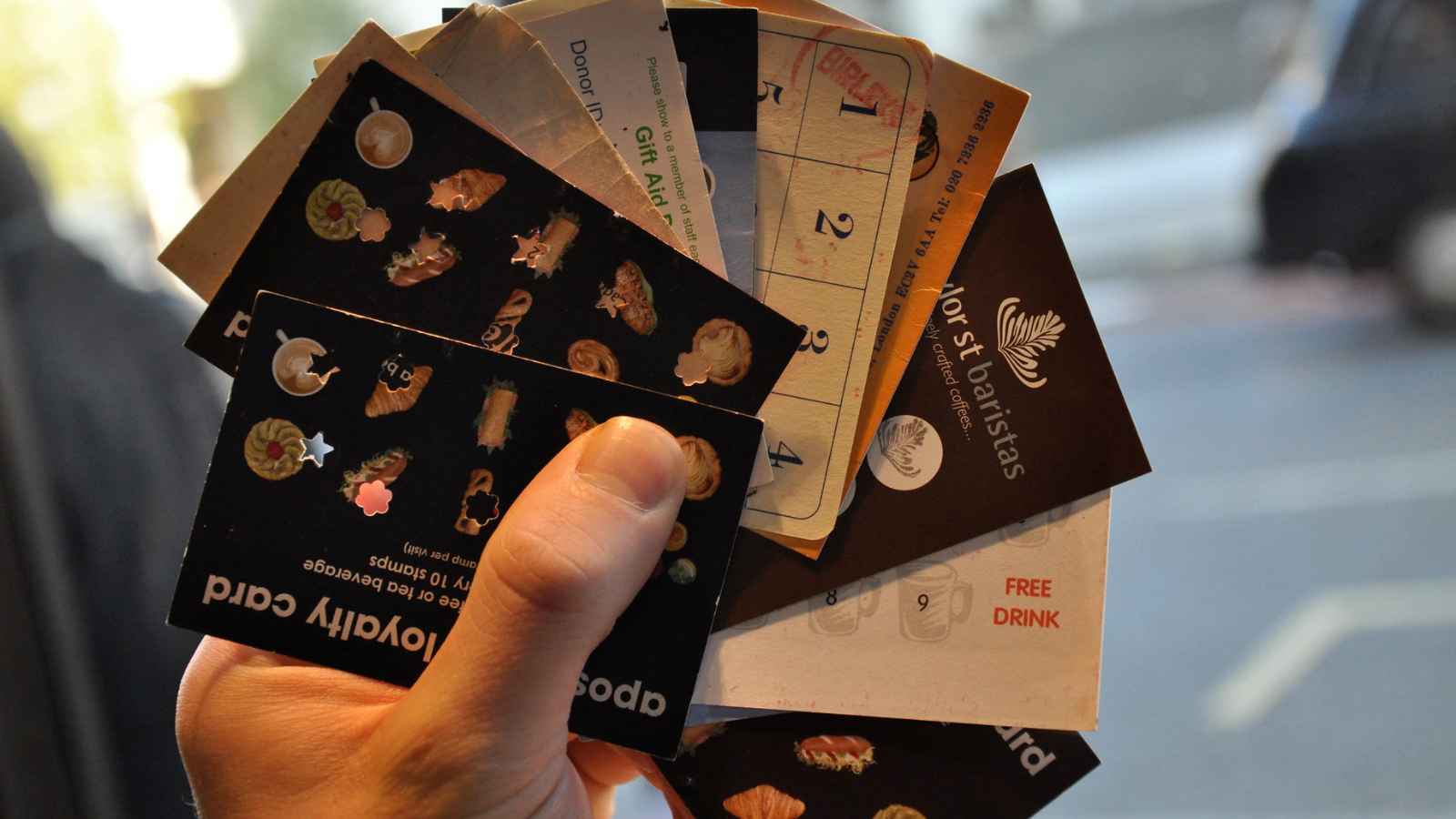
Loyalty schemes are brilliant when you are a frequent visitor to a store, but most people are left with a drawer full of unwanted cards.
You can enroll and then forget about the benefits, allowing the points to expire easily. The amount of unclaimed loyalty points was previously estimated to be as high as $100 billion in 2021, based on a Forbes report.
There are just too many loyalty schemes that are clutter instead of being helpful. Remember to stick to programs that align with your shopping habits and offer rewards that you will use. Some select cards are better than a mass of cards.
Forgetting the “Return Policy Clause”

When you are rushing to buy something during the shopping process, the issue of return policy may be overlooked entirely. Not every store accepts returns on every product, and some have specific time limits or non-refundable products.
It will take you just a few seconds to look at the information and keep your receipt. There is nothing worse than buyer’s remorse, being stuck with something you don’t need or can’t use. Read the small print to avoid grief later.
Ignoring Overdraft Warnings

This occurs when you click the ‘Buy Now’ button without checking your totals, which can prove disastrous to your budget. Failing to track your bank balance during spending may result in an overdraft fee being charged when you least expect it.
This is one of the errors almost all shoppers commit. Investopedia notes that there are consequences of having an overdraft account. Luckily, there are budget apps or bank reminders that can be used to give simple reminders. Remaining conscious will guide your money safely even in a spree.
Falling Prey to Seasonal Sale Hype

No one has experienced the euphoria of a giant markdown. The sales banners and limited-time offers are flashy and prompt shoppers to enter buying mode. However, a deal on a product you did not need and will never use makes a sale a clutter rather than a savings.
Buying may go well on things you have desired, but do not succumb to the pressure of everything. Make a plan – do not be guided by hype when shopping.
Getting Sucked into Free Shipping Thresholds

“You’re just $5 away from free shipping,” the website declares, coaxing you to add more. ResearchGate highlights that many shoppers spend extra to dodge a shipping fee, but the math doesn’t always add up. In some cases, that extra product is something you do not need.
Ask yourself, would you purchase the product without the shipping incentive? Otherwise, it is advisable to skip or use the in-store pickup.
Shopping Without a Budget

It is easy to spend a lot of money without having a budget. According to a new survey by The Penny Hoarder, more than 55 percent of Americans fail to use a budget to control their hard-earned dollars.
The use of a credit card allows one to spend without considering the short-term consequences, which can lead to the accumulation of debt.
CNBC also reports that the average American carries over $6,300 in credit card debt. Overspending when shopping can ruin your plans to save and achieve something greater, such as a vacation or emergency funds.
Overlooking Small Print

Special offers and discounts are usually accompanied by a star- a literal one. The information can be specified with odd restrictions, blackout dates, or unusual places. Without reading the fine print, you will be exposed to a frustrating checkout or disappointment.
No one enjoys that wait. What happens when it turns out that the deal does not apply? Give yourself thirty seconds, to be precise, to search for restrictions and shop smarter.
Buying Because “Everyone’s Doing It”

Ads and social media give the impression that everybody is purchasing a given product or service. However, do not be lured into the hype; instead, conduct thorough research to determine whether the purchase aligns with your needs and budget.
Investopedia reports that the bandwagon effect causes consumers to purchase products based on popularity rather than necessity. You are an individual with your preferences, so do not be pressured by your friends into making a financial decision that may not be suitable for you.
Keeping All Your Cards Online

It may be very convenient, yet there is a danger of leaving the payment information stored everywhere. Even large retailers can be breached and hacked.
Professionals recommend the most secure payment methods, such as virtual cards or reliable payment gateways. Your financial details should be kept confidential. With just a few additional steps, you can avoid massive headaches in the future.
Buying in Bulk To Save More

The idea of “buying more to save more” can feel like a steal at first glance. After all, who doesn’t love a good deal? Discounts on bulk purchases or promotions like “buy two, get one free” can seem like the perfect opportunity to cut costs.
This plan is not necessarily the one that will yield the most savings. While these deals can be beneficial for staples like paper towels or non-perishables, buying surplus perishable goods or items you don’t frequently use can lead to waste, ultimately eroding the “savings” you initially aimed for.
Disclaimer – This list is solely the author’s opinion based on research and publicly available information. It is not intended to be professional advice.
You Might Also Like:

How To Stick To Your Holiday Budget and Avoid Debt: With the holiday season in full swing, many face high expenses. The anticipation of gift-giving and the desire to create unforgettable moments often lead to the common tradition of seasonal spending, with the average holiday budget reaching a considerable sum.