15 Breathtaking Views on Earth You Have to Experience
Close your eyes and envision standing in front of enchanting landscapes that will amaze you completely. The sight of sunlight brightening ancient archaeological sites meets the steady ocean waves against cliff faces and starry lights in the night sky.
This carefully curated list of 15 stunning views from around the globe is a must-see for every travel enthusiast. Let’s explore!
Machu Picchu, Peru
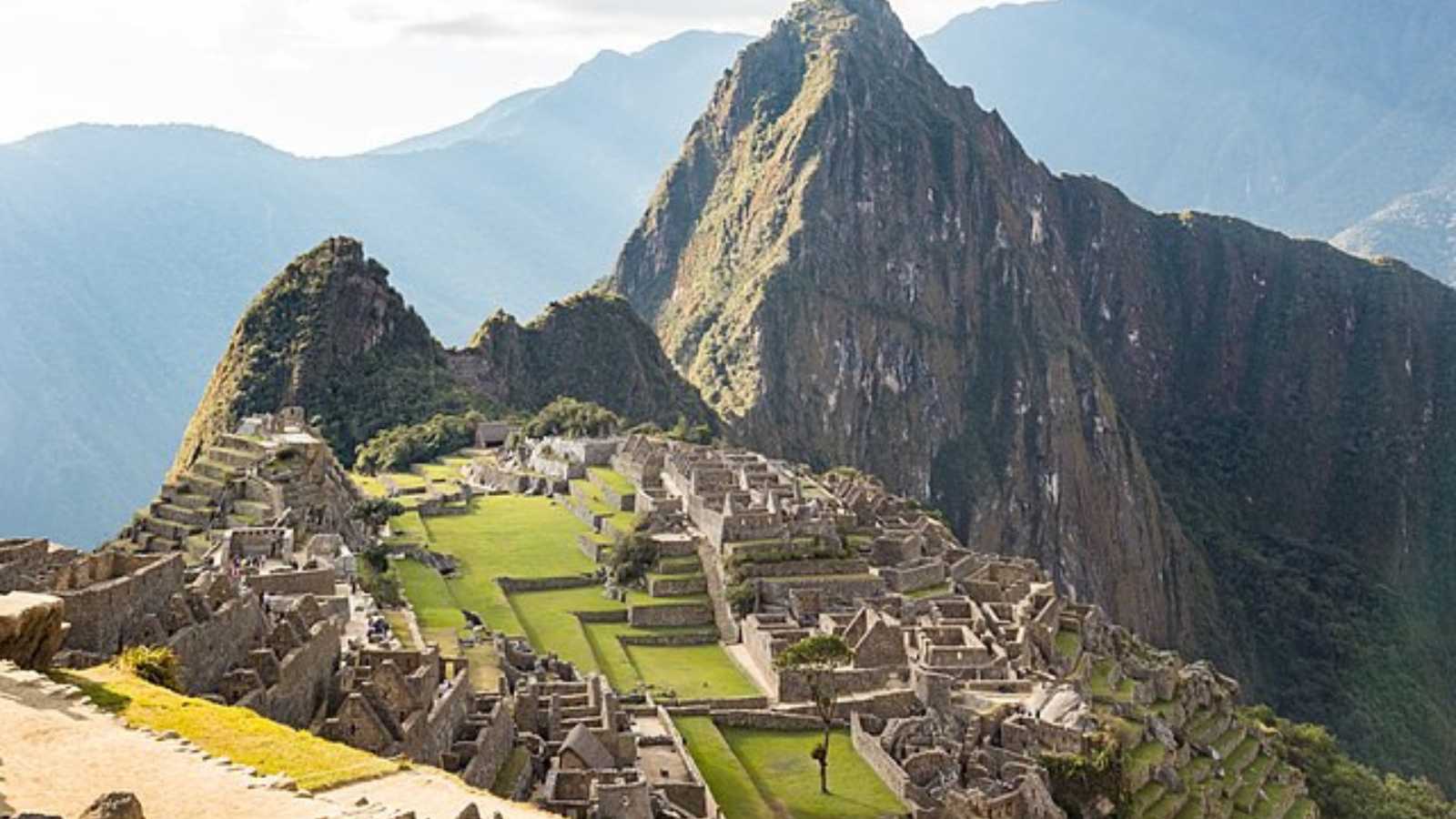
Machu Picchu is the ancient Incan engineering jewel in the Andes Mountains. Its network of stone walls, terraced fields, and timeless serenity is all behind the surreal backdrop of mist-covered mountains.
If you want to see an otherworldly sunrise here, watch this golden light help you unveil the mother majesty of this UNESCO World Heritage Site. No, this is a view but also a connection to history, and there are llamas.
Grand Canyon, USA
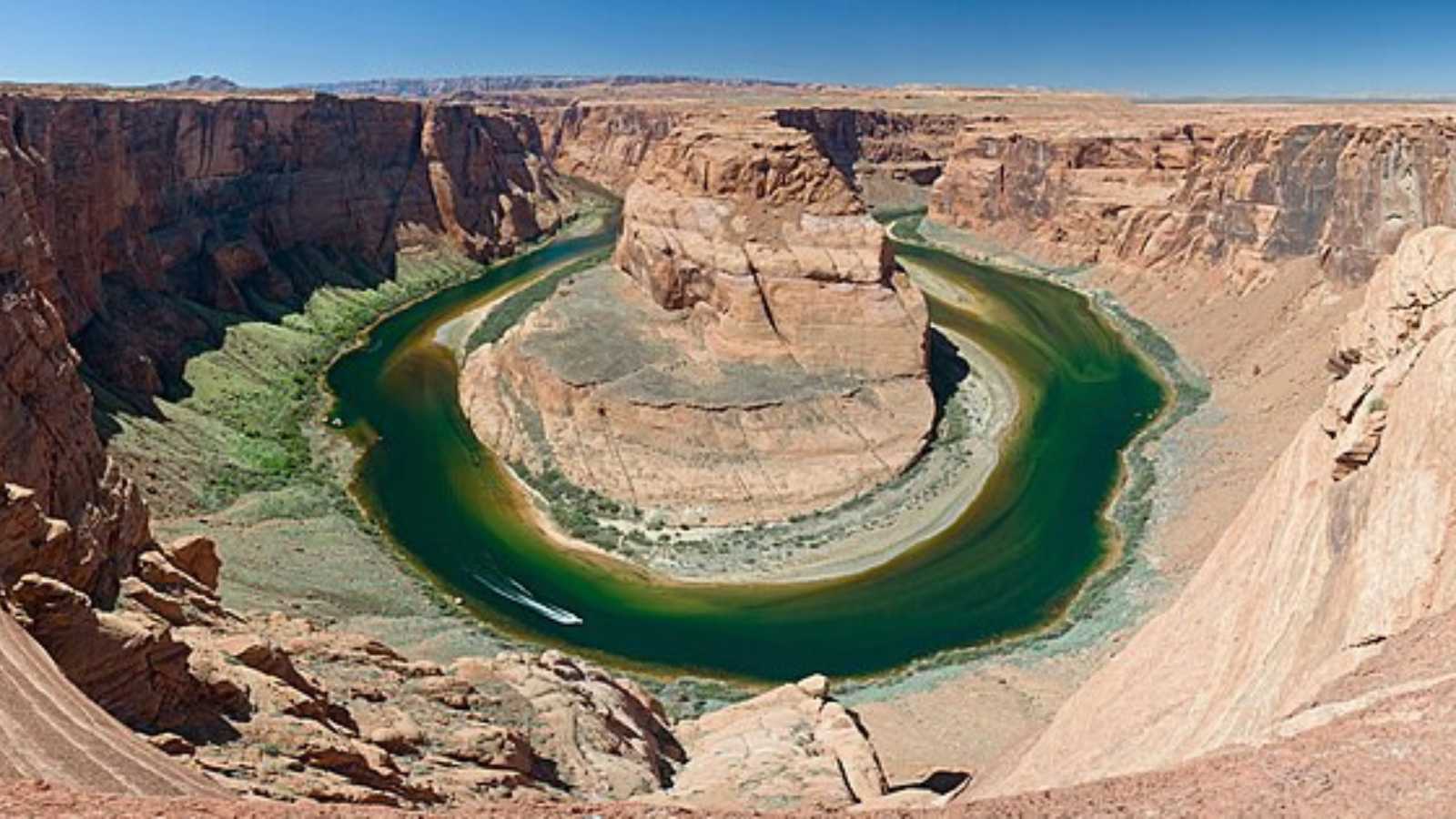
The actual grandness of this natural phenomenon exceeds the reach of photography. Rust red and golden sands at the Grand Canyon expose geological time in its vast chasm. Studies from the National Park Service list the area as hosting 450 bird species, together with 91 species of mammals.
To find the most magnificent views of the Grand Canyon, go to the South Rim during sunrise and sunset. A wise choice is to walk the calm Havasu Falls trail while skipping crowded areas.
Great Barrier Reef, Australia
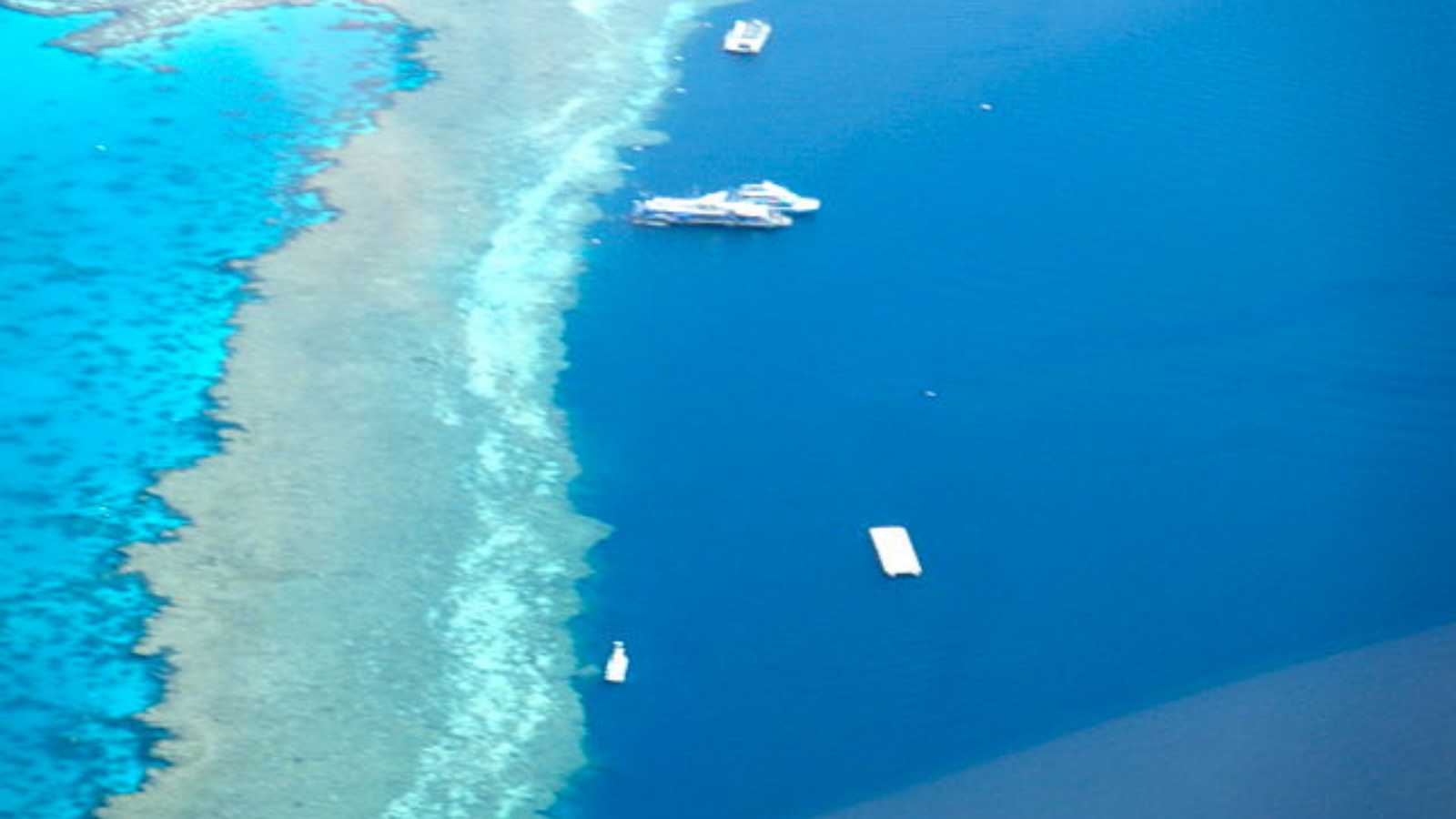
Thousands visit the reef and plunge beneath the clear turquoise waters of the Great Barrier Reef, becoming one of the many people who will find themselves in an underwater paradise. It’s home to 1,500 species of fish, vibrant coral formations, and seagrass meadows, and provides a feast for the senses.
As you can glimpse from surface snorkel tours, it is truly something to experience for yourself through scuba. It is also good to support conservation, as tourist money often goes towards necessary research and preservation.
Aurora Borealis (Northern Lights), Norway
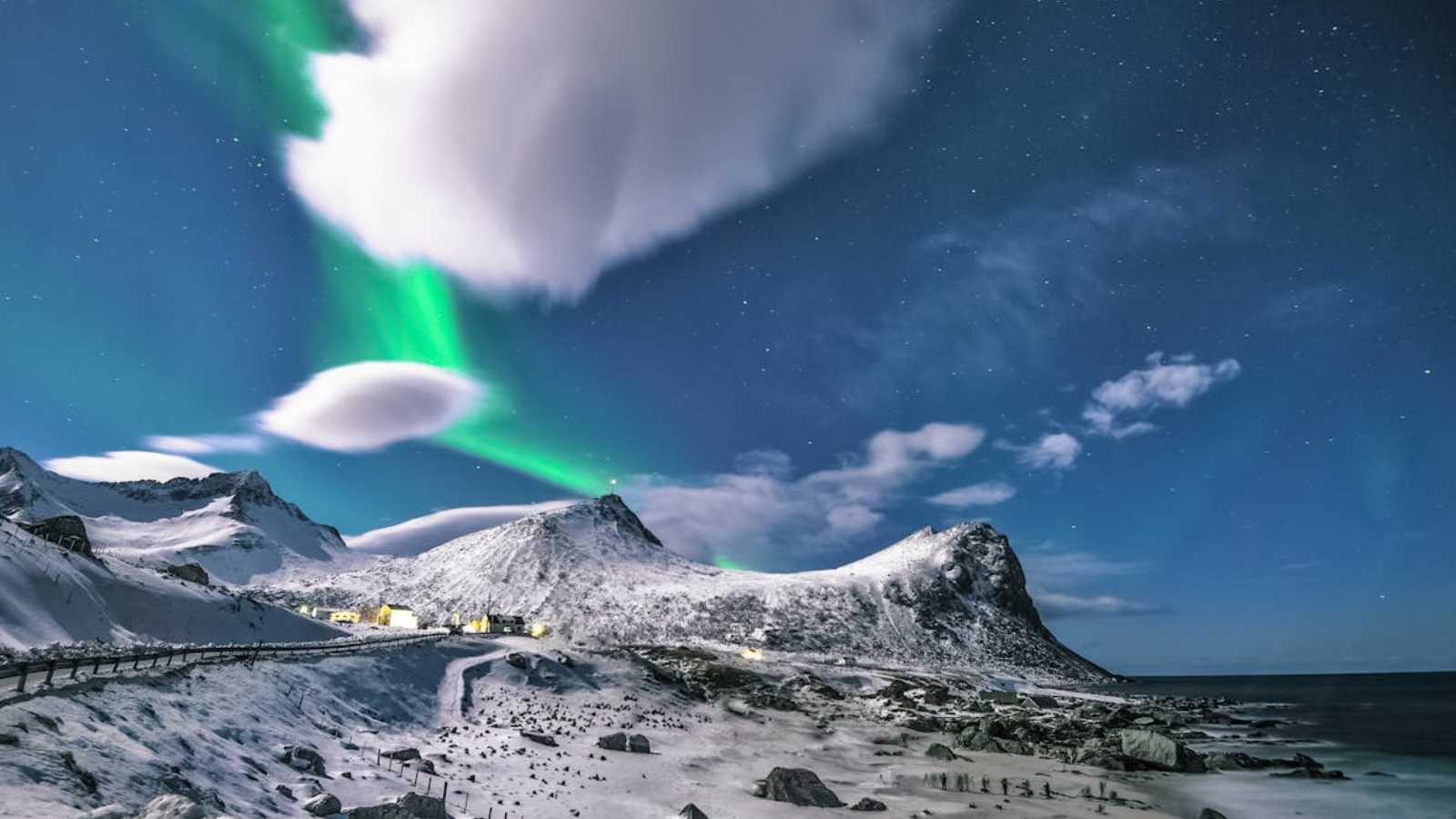
The Aurora Borealis, or Northern Lights, is one of nature’s most extraordinary light displays. It is a captivating spectacle caused by the interaction between charged solar particles and Earth’s magnetic field.
This fantastic natural light display is best seen in Norway because it is near the Arctic Circle, and its skies remain clean from pollution. At night, solar winds strike atmospheric gases such as oxygen and nitrogen, producing colorful green and pink light curtains and occasional violet and red shades in the sky.
Taj Mahal, India
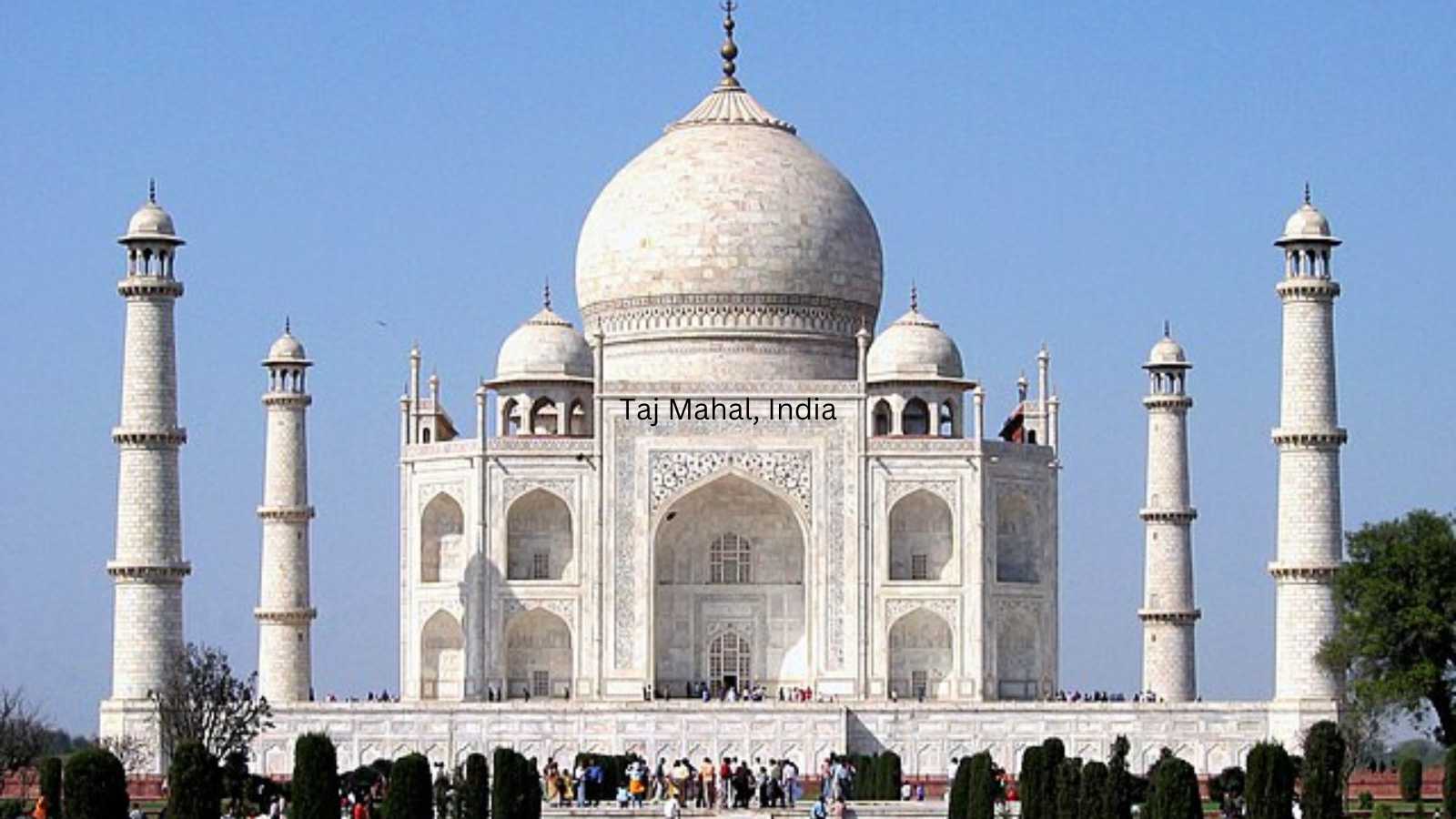
A UNESCO report describes the Taj Mahal as a love letter that emerged from gleaming white marble as people built the monument in Agra from 1631 to 1648.
The regal mausoleum reveals different hues at each time of day, starting with delicate pink in the morning and transitioning into bright white under sunlight before turning to warm golden tones at nightfall.
The perspective from the Yamuna River is simply enchanting. Visiting early in the morning or late in the afternoon is a welcoming way to avoid hot weather and crowded conditions at the Taj Mahal.
Mount Fuji, Japan
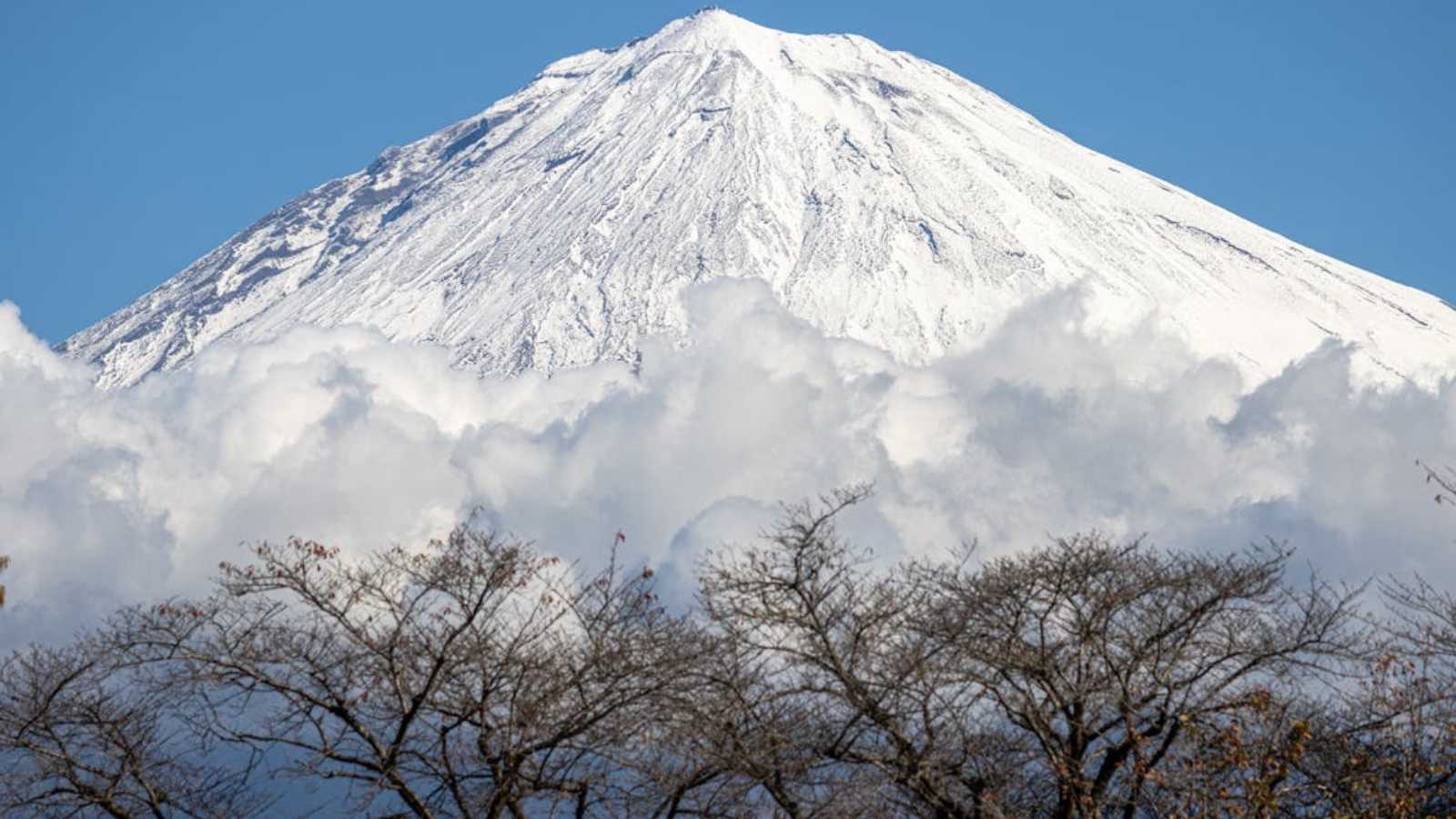
When you think of Mount Fuji, you think of a snow-covered, almost symmetrical peak surrounded by cherry blossoms. This iconic Japanese symbol is at its best because of its old-world charm and astonishing views. It needs to be seen during the springtime from the Chureito Pagoda.
However, reaching the pagoda up 400 steps is worth the climb. If you don’t want to, there’s a train that will take you to Kawaguchiko Station, where you can see a view just as good as this one.
Victoria Falls, Zimbabwe/Zambia
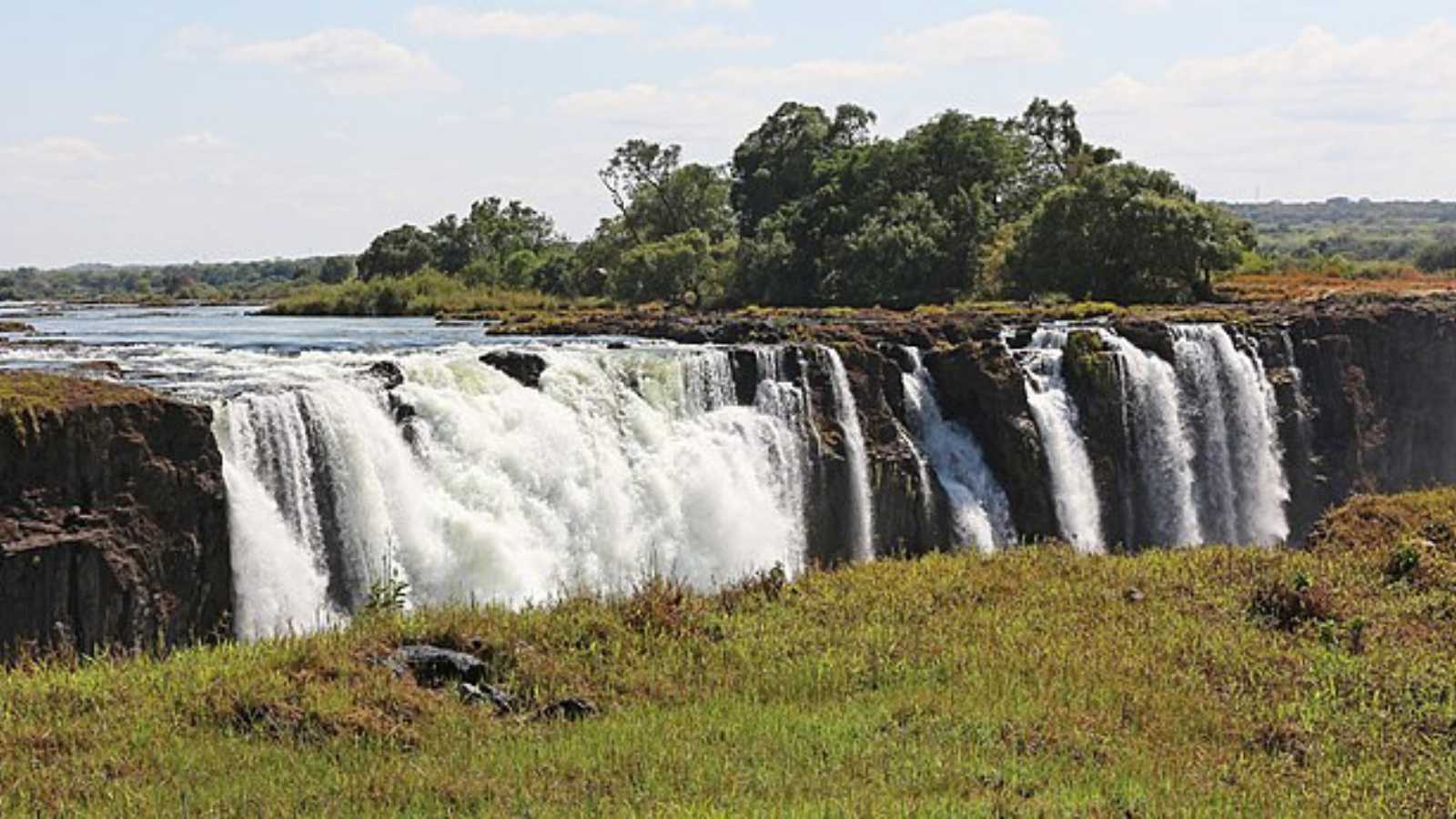
Known as “The Smoke that Thunders,” Victoria Falls is a natural marvel. Witnessing vast amounts of water plunge 355 feet into the Batoka Gorge is exhilarating, according to Victoria Tourism, earning it the title of the most incredible cascade of water globally when considering both width and height.
With the misty trails of breathtaking vistas, take a helicopter ride to the spectacular vistas from an aerial perspective, which will be unforgettable.
Milford Sound, New Zealand
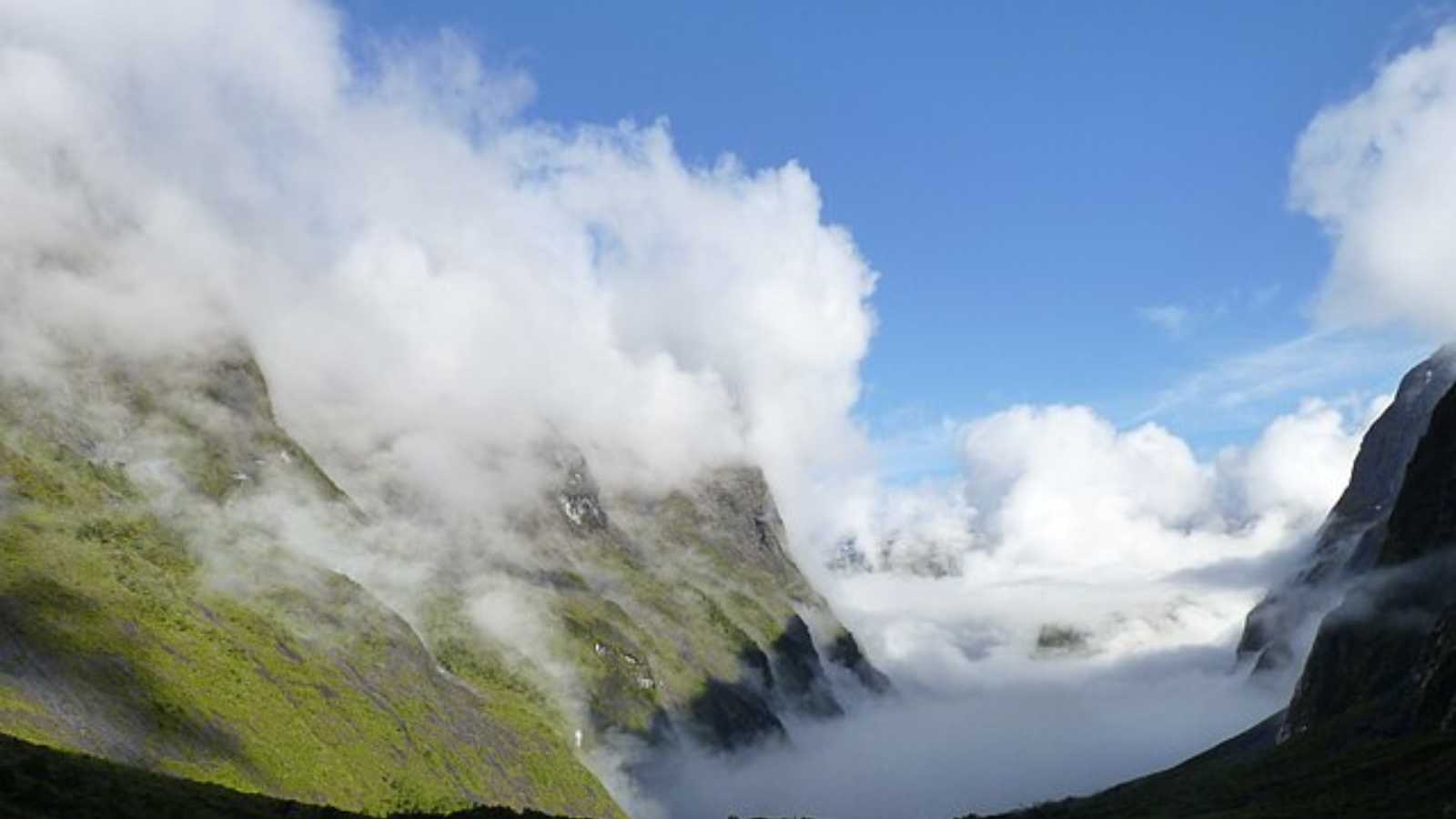
At almost every turn, Milford Sound is breathtaking, with nature at its dramatic best—sheer fjord walls, gushing waterfalls, and populated with lush greenery under a brooding sky.
However, you can immerse yourself in this masterpiece by basking in the sunspot seals or taking a kayak out. Come after rainfall, when many temporary waterfalls cascade down the walls of the fjord, to view it in its glory.
Plitvice Lakes National Park, Croatia
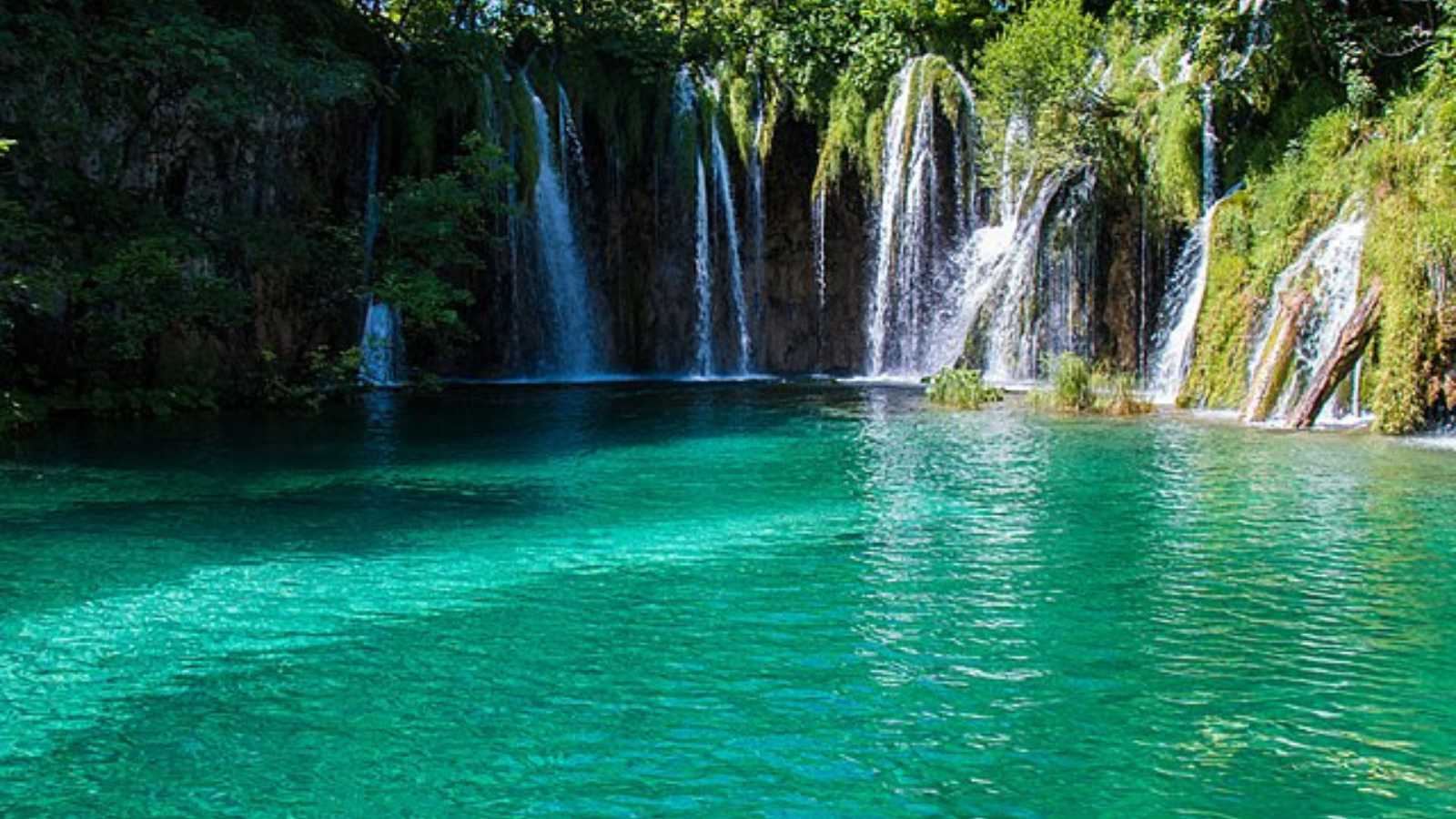
The Plitvice Lakes National Park in Croatia stretches across 30,000 hectares. UNESCO recognizes it as the largest national park and presents visitors with a magical natural vista. Numerous waterfalls set in blue pools exist within verdant surroundings at this location.
The wooden walkways let visitors enjoy the bewitching scenery while connecting colorful lake areas. Travel to Plitvice Lakes National Park during shoulder season periods to meet pleasant climate conditions and reduced visitor numbers.
Santorini’s Blue Domes, Greece
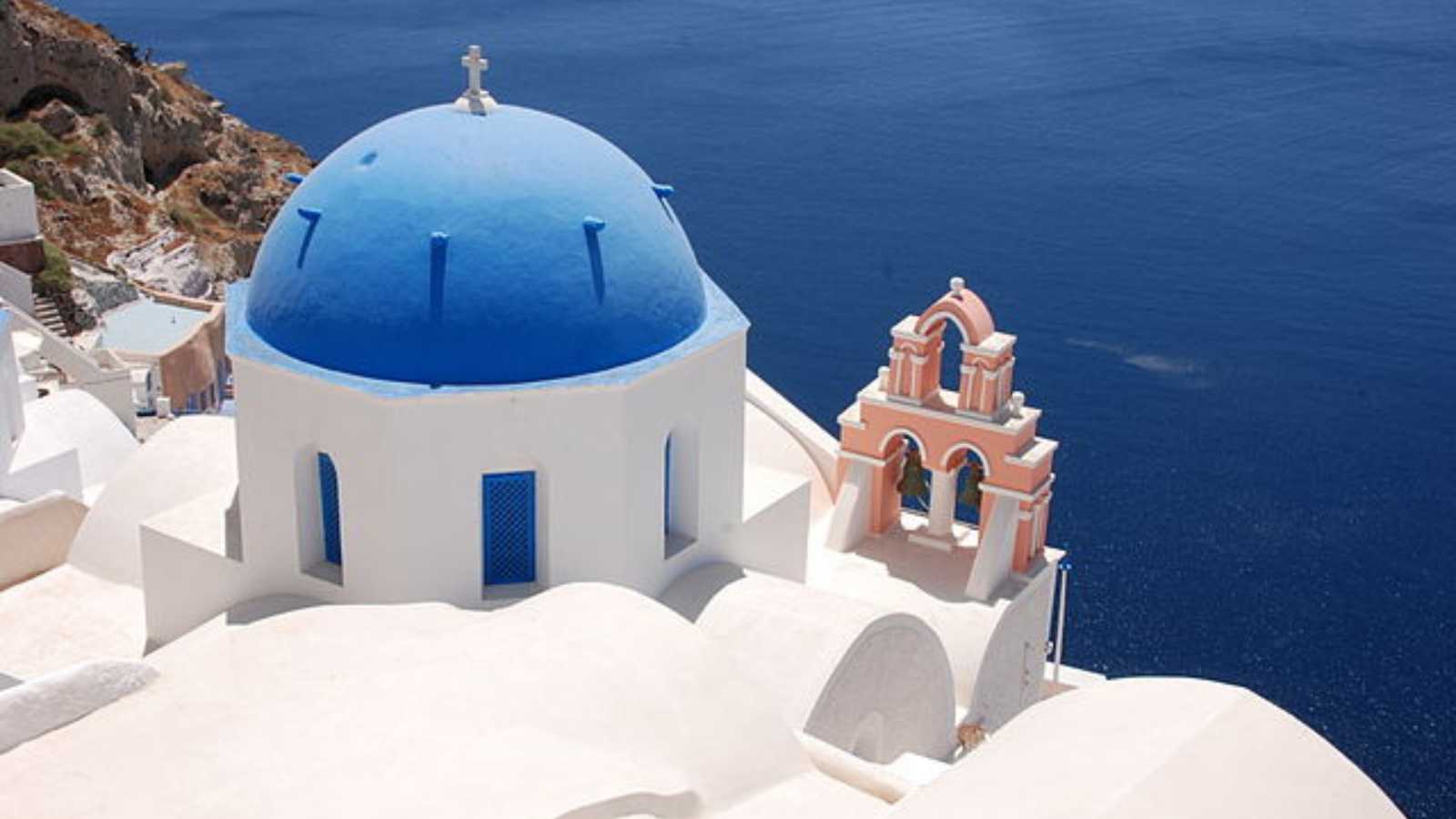
Whitewashed architecture and the sparkling Aegean Sea meet in this romantic Greek heaven. A picture postcard shot of the blue domed rooftops of Santorini, particularly when kissed by the colors of the setting sun behind the buildings in Oia. Also, wine from local vineyards—because why not?
Fun fact: visit in the fall when there are smaller (but still impressive) vistas.
Iguazu Falls, Argentina/Brazil
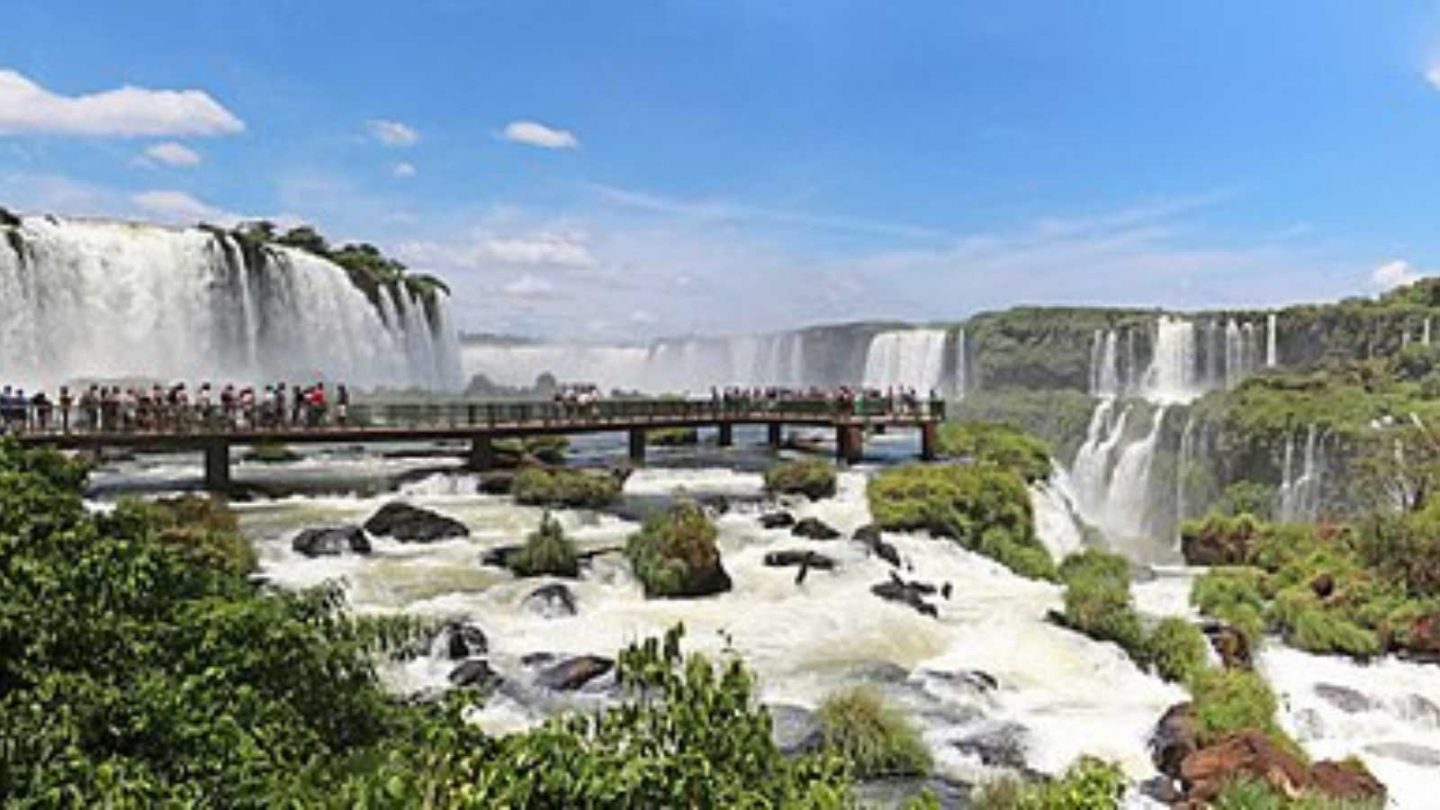
Only a few sites in the world can match the raw force of Iguazu Falls. These awe-inspiring waterfalls face Argentina and Brazil in a location where 275 cascading waterfalls stretch across a three-kilometer distance.
According to the Library of Congress, experts agree that Iguazu Falls is among the most significant waterfall formations on Earth today because the Iguazu River falls from a basaltic plateau, producing waterfalls reaching up to 100 meters (328 feet) high.
The impressive waterfall system exists within the border territories of UNESCO-recognized Iguazú National Park in Argentina and Iguaçu National Park in Brazil.
Pamukkale’s Thermal Terraces, Turkey
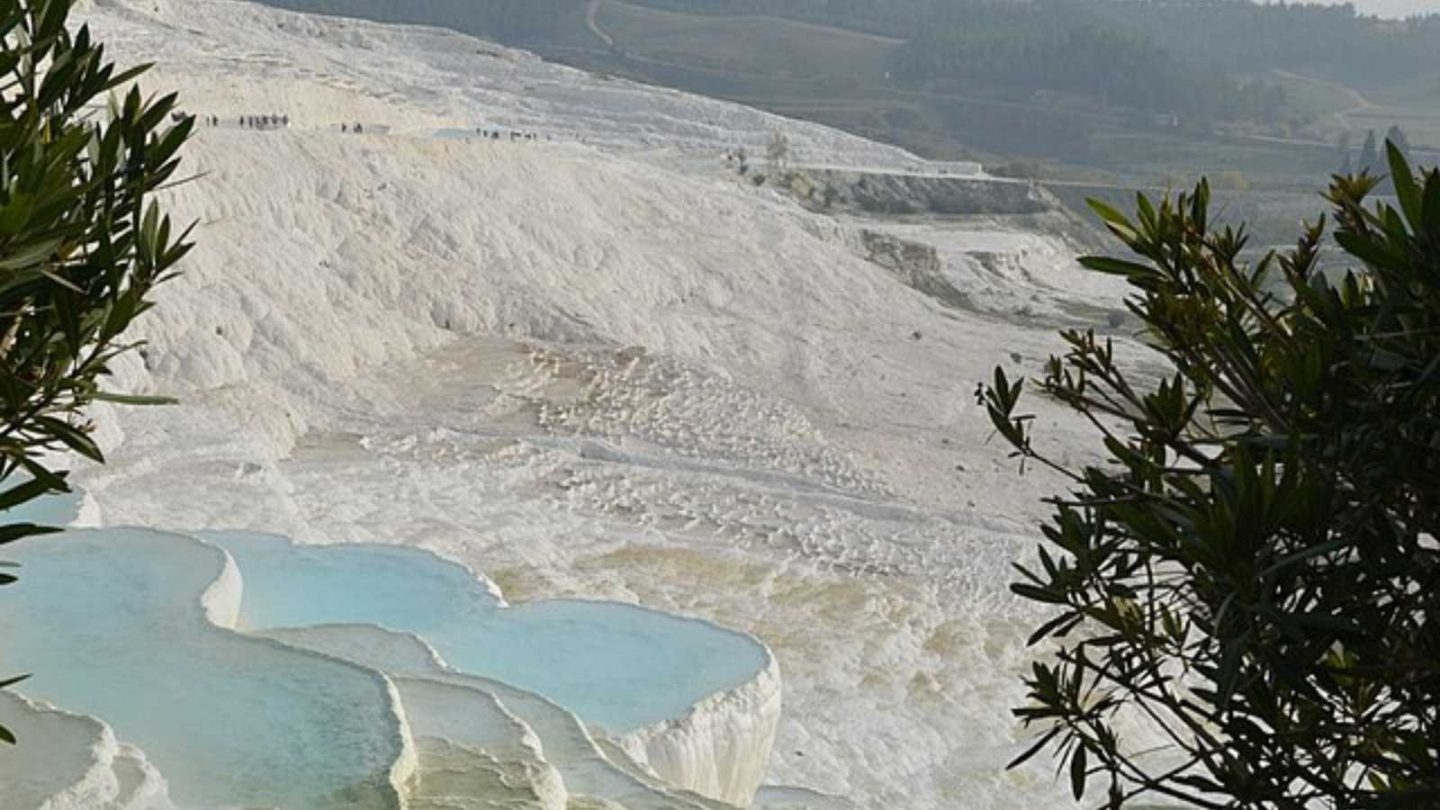
Imagine cascades of white cliffs oozing warm mineral water. Pamukkale, which Translates to “cotton castle” in Turkish, is a UNESCO World Heritage site that offers a unique experience where you can immerse your feet—a fairy tale scene with shimmering azure pools on the travertine terraces. In addition, this place is available throughout the year, bringing to light its enchanting beauty every season.
Bagan, Myanmar
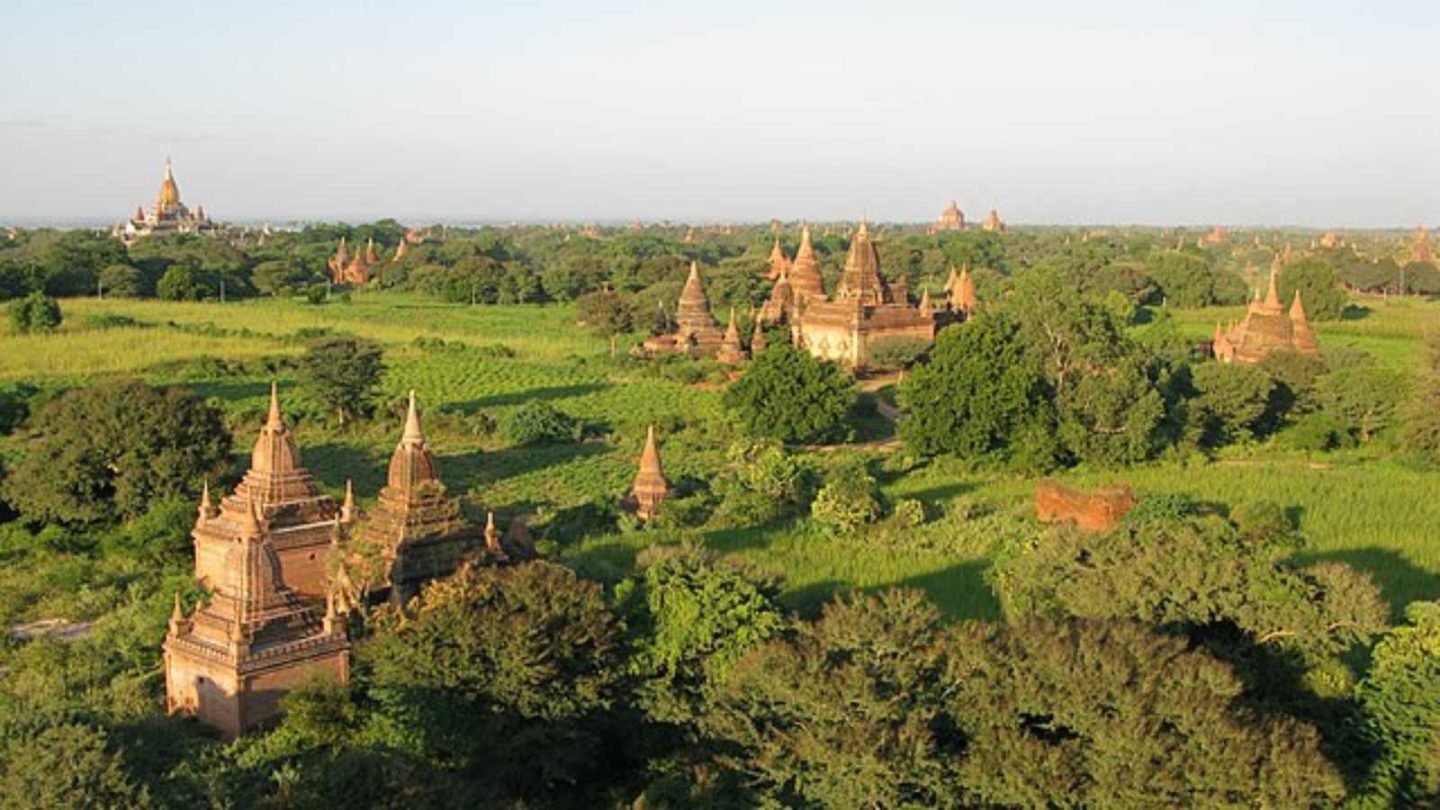
Bagan, with its “sea of temples,” once served as the flourishing capital of Myanmar’s Pagan Kingdom between the 9th and 13th centuries. The 3,000 remaining temples and pagodas from Bagan’s ancient heritage have survived multiple centuries of war events, natural disasters, and erosional damage.
Historic Bagan secured UNESCO World Heritage status in 2019 to defend itself from the dual threats of tourism and modern development present.
Uluru (Ayers Rock), Australia
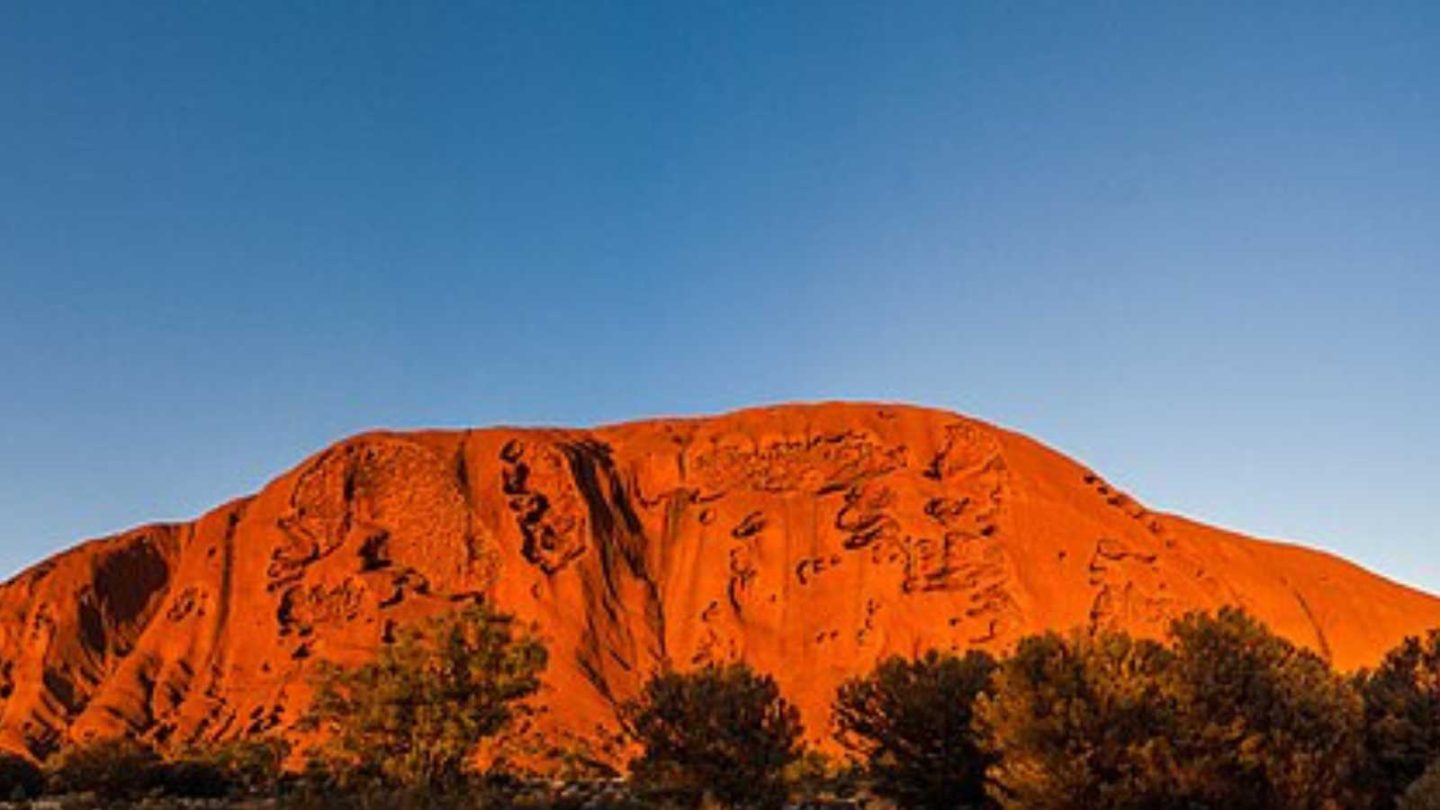
Uluru was initially formed in the Australian Outback and gained recognition as a spiritual place because its Aboriginal population, the Anangu, considers it sacred. The site’s reddish-brown sandstone geology transforms hues throughout the day, drawing people to look at it since ancient times.
Uluru is over 500 million years old, having reached 348 meters in height and extending its 9.4-kilometer mass. Geologists identify it as an inselberg, or “island mountain,” shaped by millennia of erosion and tectonic shifts.
Great Wall of China, China
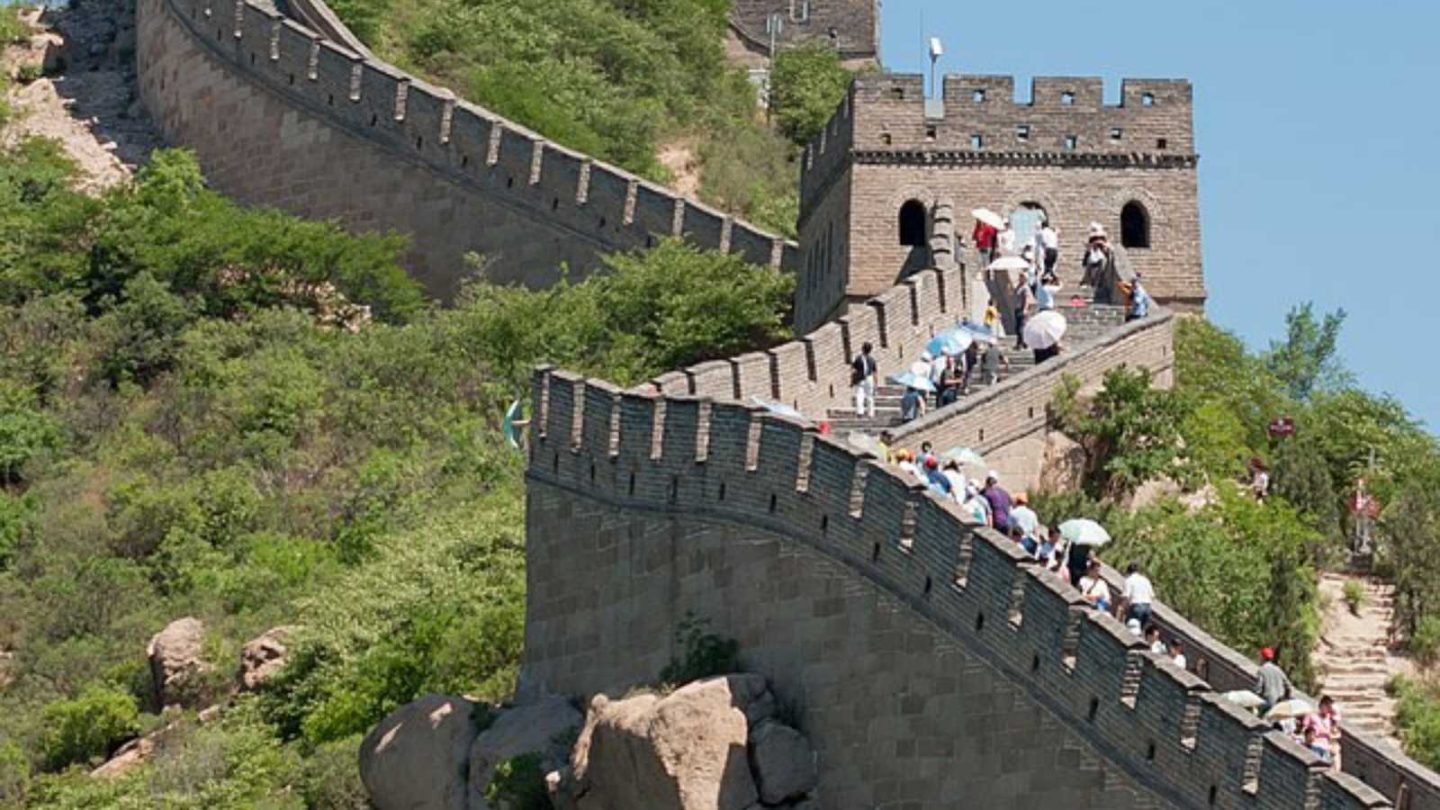
China From an architectural masterpiece winding endlessly over mountains and valleys, an above epic view of the Great Wall of China, which is also known as the world’s most extended humanmade structure, spreading over approximately 20,000 km, you can visit the Mutianyu section to enjoy fewer people and perfect photo opportunity. It is nothing like standing on the wall, imagining this history beneath your feet.
Disclaimer: This list is solely the author’s opinion based on research and publicly available information.
Read More: