13 Southern Towns That Shaped Black History
The South holds stories that echo through generations. Old towns, small and large, shaped Black history in ways that still matter today. History isn’t always in big cities. It lives in towns built by formerly enslaved people.
These towns show courage, culture, and connection. They reveal real people who built schools, churches, businesses, and held on tight even when laws and hate pushed back. Let’s explore 13 Southern towns that changed how America remembers Black history.
Belzoni, Mississippi

In the 1950s, Belzoni became a focal point in the fight for voting rights. Reverend George W. Lee, a local Black minister and activist, was one of the first people killed for his civil rights work during that time. His murder was never solved, but it sparked outrage and brought attention to the violence activists faced. Despite threats, Black residents of Belzoni continued to organize. Their resistance led to infrastructure upgrades and growing political representation.
Bogalusa, Louisiana

Bogalusa, once home to a booming paper mill, became a battleground for civil rights in the 1960s. Black veterans and workers formed the Deacons for Defense and Justice, an armed group that protected civil rights marchers from white supremacist violence. They were one of the few groups to challenge the KKK and local police brutality openly.
Lowndesboro, Alabama

In 1965, Lowndesboro became ground zero for voter suppression. Local families who tried to register were kicked off their land and forced to live in a “tent city” nearby. Civil rights groups rushed in to provide food, clothing, and legal support. The event pressured federal agencies to crack down on eviction abuses. Today, the site of the tent city remains a symbol of resilience and quiet bravery.
Mitchelville, South Carolina

Hilton Head Island’s Mitchelville began in 1862. It became the first town self‑governed by formerly enslaved people. Their efforts set a precedent for what Black autonomy could look like during a time when freedom was still fragile across much of the South. Today, Mitchelville stands as a powerful example of early Black leadership and resilience in the face of uncertainty..
Princeville, North Carolina
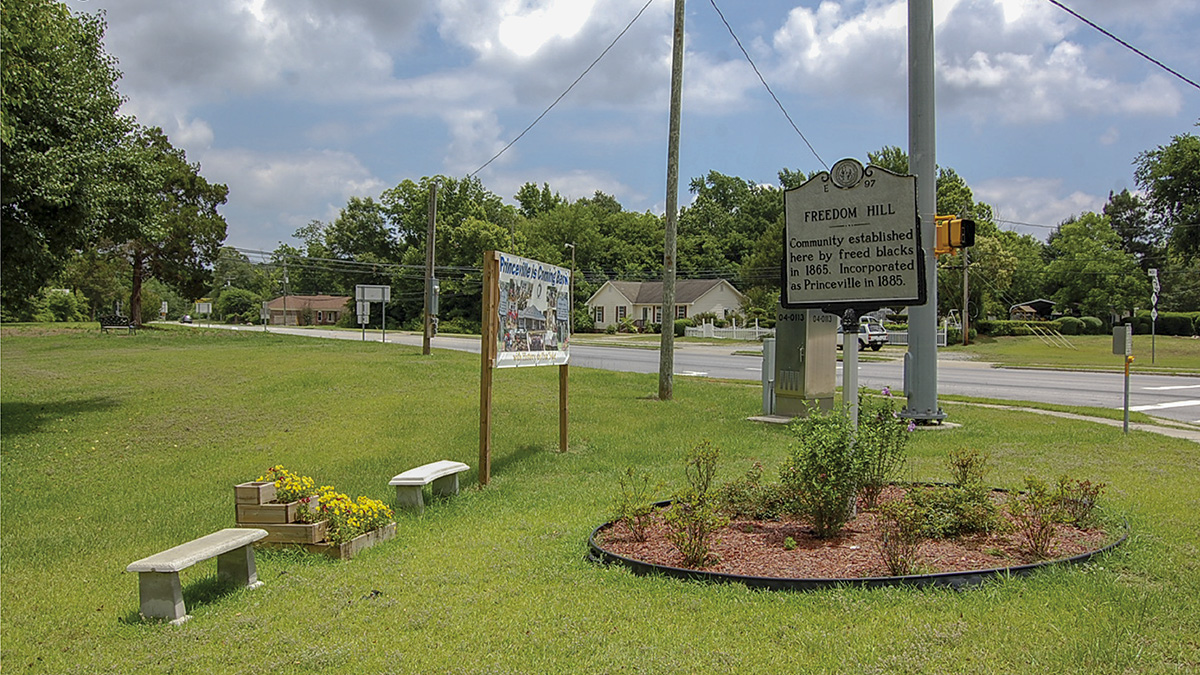
Princeville became America’s first incorporated Black town in 1885. Freed people bought land near a Union camp after the Civil War. They built schools and churches. That shows incredible resilience. Princeville’s legacy reminds us that communities shaped by self‑determination still echo today. Their stories pull us into a deeper understanding.
Mound Bayou, Mississippi

Founded in 1887 by twelve Black pioneers, Mound Bayou became an all‑Black town in the Delta. It thrived with school systems, hospitals, and businesses. It’s a model of early Black-owned community life.
Selma, Alabama
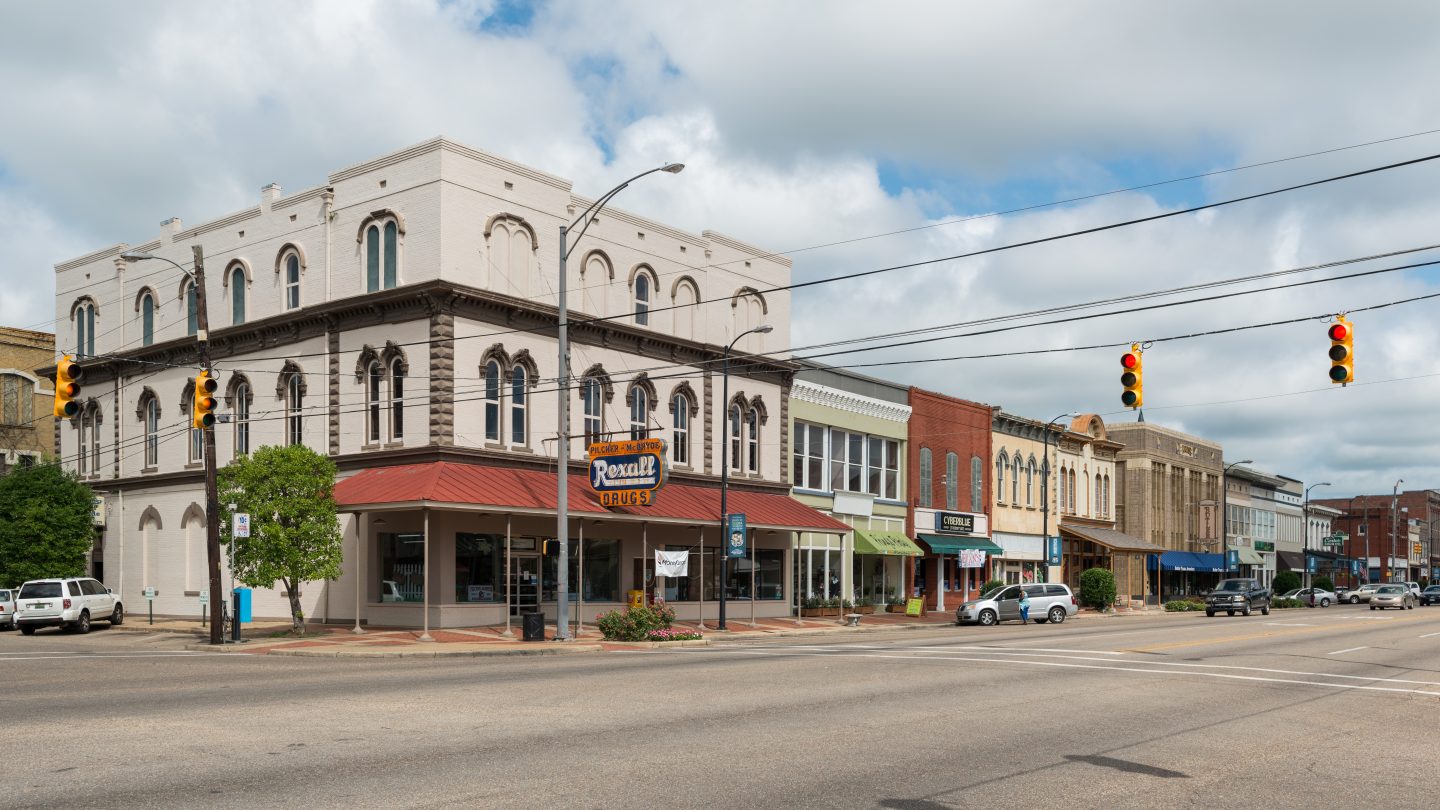
Selma’s struggle shaped voting rights. In 1965, marchers bravely crossed the Edmund Pettus Bridge, where many faced violence. Experts link their protests to the passage of the Voting Rights Act in August. Scholar James J. Kilpatrick said these marches “brought the nation to reckon.”
Jackson Ward, Richmond, Virginia
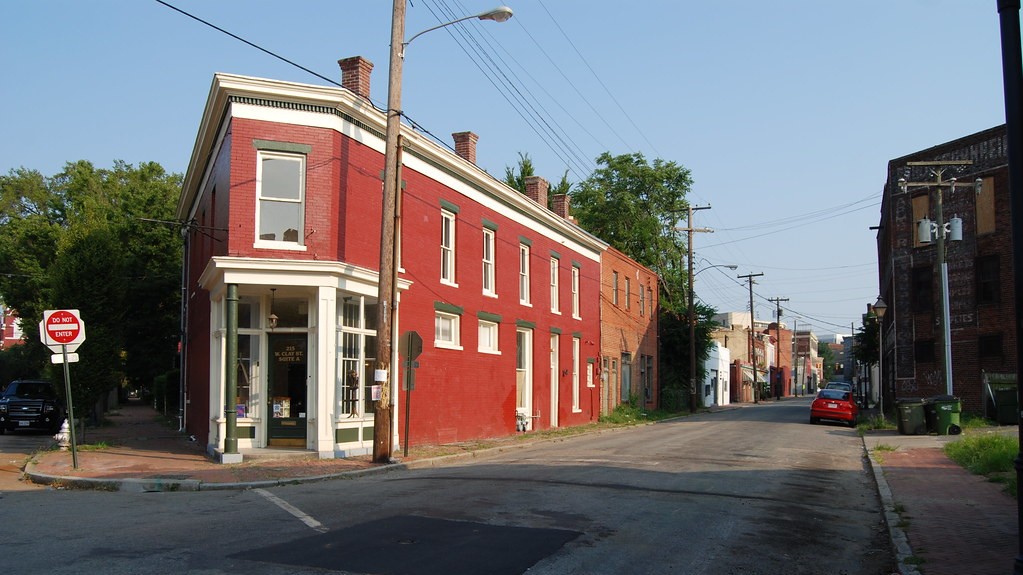
Richmond’s Jackson Ward earned the nickname “Harlem of the South.” After the Civil War, it became a hub for Black business and culture. Maggie Walker opened the first Black, woman‑owned bank. Performers like Ella Fitzgerald and Duke Ellington visited.
Greenwood, Tulsa, Oklahoma

Black Wall Street emerged in the early 1900s in Tulsa under Ottawa Gurley’s leadership. It became a place of Black prosperity until the 1921 massacre destroyed it. Today, efforts support Black‑banking institutions and community revitalization.
Hayti (Durham), North Carolina

Durham’s 4‑block “Black Wall Street” anchored Hayti, a thriving business district. Entrepreneurs like John Merrick and Charles Spaulding built banks and stores and gained Booker T. Washington’s approval.
Africatown, Alabama

Survivors of the Clotilda, the last known slave ship, founded Mobile’s Africatown. The community preserved African traditions through church and school. It’s now on the National Register of Historic Places.
Kowaliga, Alabama

This industrial school community established a Black-owned railroad and businesses in early 20th-century Alabama. It declined after the dam flooded the area, but researchers have revived interest in its history.
Charleston, South Carolina

Charleston became a major port in the transatlantic slave trade. Sullivan’s Island saw almost half of the enslaved Africans enter America. The new International African American Museum opened on June 27, 2023, on Gadsden’s Wharf.
Disclaimer: This list is solely the author’s opinion based on research and publicly available information.
Read More:

- Ultimate Guide To Picking The Best Travel Credit Card
- The 5 Best Budget Airlines in the United States
- 15 Best Countrıes to Vısıt in Afrıca