12 Fruits and Veggies That Made the Clean 15 List – Is Your Favorite On It?
According to the Environmental Working Group’s (EWG) 2025 Shopper’s Guide to Pesticides in Produce, nearly 60% of the produce on the Clean 15 list has no detectable pesticide residues at all.
That means you can bite into a juicy slice of watermelon or scoop out a creamy avocado, without worrying about hidden chemicals. You’re at the grocery store, eyeing a mountain of pineapples, sweet corn, and kiwis. With the Clean list in your pocket, you can fill your cart with confidence, knowing you’re picking some of the “cleanest” fruits and veggies around. It’s like having a VIP pass to the freshest, safest produce.
Curious to see which of your favorites made the cut? Keep reading to explore the top 12 contenders and discover why eating clean has never been simpler (or tastier)!
Kiwi

Kiwi is always the unsung hero of tasty, healthy eating. This year, it is going to take its rightful place in the spotlight. One of the richest fruits in nutrients. It has a thick, fuzzy skin, which acts as a natural barrier, helping to keep the tender, vitamin-rich flesh inside free of outside contaminants.
You can consume it without worries, even though it is not organic. Kiwis have been known to enhance sleep. According to a PubMed study, consuming kiwi an hour before bedtime can improve sleep efficiency and duration, likely due to its serotonin content.
Mushrooms

Mushrooms, the unsung heroes of your plate and now, the Clean 15! They are among the cleanest foods you can eat, according to the Environmental Working Group. They are grown in controlled environments and are therefore almost free of pesticides.
However, there is more to them than just being clean; they can absorb sunlight and convert it into vitamin D, just like us. Yes, these little powerhouses, especially in vegetable foods. USDA reports.
Thus, they make the best travel companion for adventurers who run after trails rather than sunshine. Who would have known fungi could be so great?
Bananas

Bananas are not only a snack but also one of the cleanest pieces of fruit to consume! Their inedible, thick peel serves as a natural protection barrier, preventing pesticide residues from reaching the edible part. The risk of pesticide intake is further reduced by peeling them before consumption, as Medical Daily points out.
They are the most consumed fruits in America, and I am not surprised given the health benefits associated with them. According to Research and Markets, the market is estimated to be $125.8 billion in 2025, and it is expected to continue growing.
They are clean, healthy, wholesome, and tasty, and they do deserve the reputation as the fruit you can count on!
Watermelon

Not only a refreshing treat of the summer, watermelon is also among the cleanest fruits you can eat. It also has remarkably low pesticide residue, so it is a safe and delicious treat for your snack plate, picnic basket, or backyard barbecue.

It has a thick rind, which is instrumental in guarding its sweet, water-retaining inner core against any possible pesticide exposure. This implies that even the traditionally cultivated watermelons have low residues, and you can safely indulge in the rich, red, juicy flavor. They are a nutritional powerhouse and contain more than 90 percent water; it’s perfect for keeping you hydrated during sizzling summer days.
Fun fact: Watermelon is, in fact, a fruit and a vegetable. It’s part of the gourd family.
Asparagus

Asparagus is the silent hero of the fruit and vegetable section- tall, proud, and self-proclaimed clean. Not only are these tasty green spears visually appealing, but they are also one of the most pesticide-friendly veggies. Filled with flavor and flexibility, asparagus can turn an ordinary meal into a culinary masterpiece.
And when you’re in the mood to find a veggie that’s as nutritious as it is tasty, remember to put asparagus on the pedestal. It’s a gourmet delight that’s fresh, loaded with nutrients, and is all set to wow you on your dish!
Sweet Peas

Sweet peas, particularly those that are frozen, are lauded as having extremely low amounts of pesticide residues. They are excellent as well as a plant-based protein. They are high in fiber, vitamin A, C, and K, which enhance healthy digestion and strengthen your immune system.
Fun fact: Sweet peas are actually legumes and can even improve the soil as they grow, so they are beneficial to your dinner table and the planet, based on a study from Colorado State University.
Cabbage
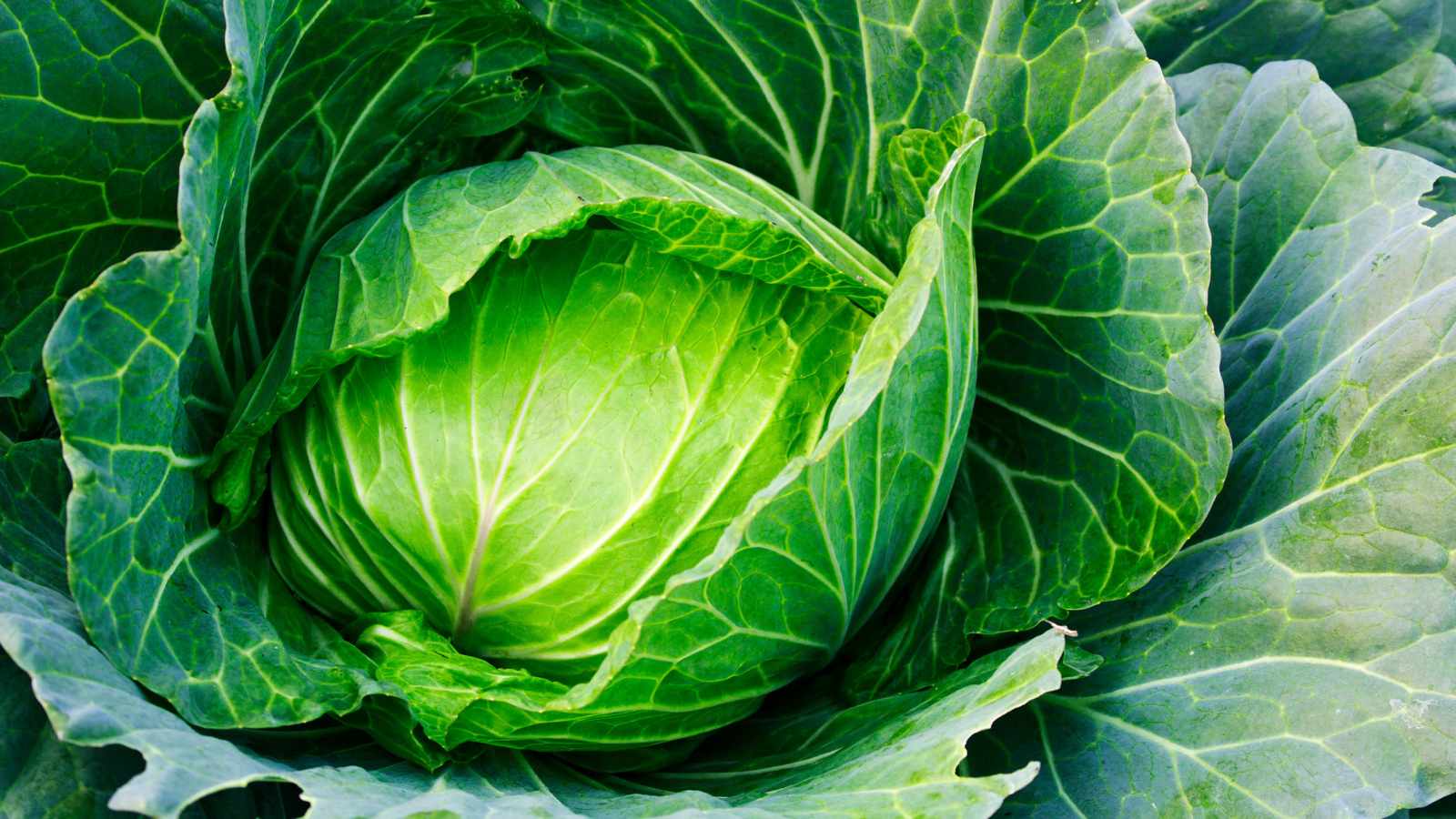
The cabbage, a staple in many dishes worldwide, deserves its place in the Clean 15 list. It has naturally low levels of pesticide residue. It is hence a safe and dependable option among health-conscious consumers, even when conventionally cultivated.
The tightly packed cabbage leaves do not allow too much penetration of the pesticide, making it also one of the cleanest vegetables on the market. When you are in the produce section of the store, consider adding cabbage to your basket.
And its undefeated mixture of clean, nutritious, and cooking-on-a-whim versatility is what makes it an essential in any healthy kitchen.
Onion

According to the National Library of Medicine, Onions are the second most consumed vegetable globally after potatoes due to their economic, nutritional, and medicinal benefits. The outer shells that cover their bodies naturally protect the inner flesh, which reduces the need for heavy pesticides.
This makes onions a safe and reliable choice for home cooks and professional chefs alike. Caramelized, sautéed, or raw in a salad, onions not only elevate your meals and add nutritional value but also bring peace of mind with their naturally clean profile.
Papaya

Papaya, often hailed as a tropical superfruit, shines brightly on the Clean list. Its resilience to pests and a naturally protective skin help keep pesticide residues to a minimum, making it one of the safest fruits to enjoy, even when it’s conventionally grown.
Papaya seeds, often discarded, are not only edible but also known for their potential health benefits, as Healthline notes. Papaya is a delicious choice that deserves a spot on your grocery list.

Avocado

Avocados: the toast, guacamole, and smoothie green gold. They have a hard, natural shell and a creamy, nutrient-rich treasure inside, making them a favorite among health-conscious people everywhere. Be they conventional or organic, avocados are pure and tasty just as you would expect them.
Not only are they a kitchen hero, but they are also an economic powerhouse! The market value of avocados in the U.S. is expected to skyrocket to $5.6 billion and an annual growth rate of 6.22 percent by 2030, according to Research and Markets.
Sweat Corn

Sweet corn stands out. The high level of pesticide residue is remarkably low. According to the test results done by the USDA, sweet corn is one of the cleanest crops due to its husk, which covers the kernels as they grow and protects them against exposure.
This is one of the safest and most dependable options, even when it is traditionally cultivated. Botanically, it’s considered both a vegetable and a grain, depending on when it’s harvested. Be it grilled, boiled, or right out of the cob, sweet corn is a clean and versatile food that needs a home in your cart.
Pineapple

Pineapple is good enough to merit a good position with its naturally low residues of pesticides. Its thick and spiked skin serves as a natural barrier, protecting the inside juicy fruit from most of the effects of pesticides used in its growth and harvest.
Pineapples also contain one of the lowest residues of all the tested produce, and this tropical wonder is a clean and safe addition to your table. Pineapple is a nutritional powerhouse in addition to being clean. It boosts your immune system and your bones because it is a good source of vitamin C and manganese.
It also contains bromelain, a special enzyme that aids digestion and has the potential to lower inflammation. Place one in your cart and add a touch of tropical glam to the next meal you eat!
Disclaimer – This list is solely the author’s opinion based on research and publicly available information. It is not intended to be professional advice.
You Might Also Like:

How To Stick To Your Holiday Budget and Avoid Debt: With the holiday season in full swing, many face high expenses. The anticipation of gift-giving and the desire to create unforgettable moments often lead to the common tradition of seasonal spending, with the average holiday budget reaching a considerable sum.