12 Endangered Creatures You Can Still See in Kenya
Kenya is known for its wild beauty, but some of the animals that roam its plains are closer to vanishing than you might think. These creatures are clinging to survival, living in protected parks, quiet corners, and conservation areas. You might need luck and a good guide to spot them. The experience can be unforgettable.
Seeing these animals in person offers a chance to understand their story beyond photos and documentaries. Watching wildlife turns into meeting survivors. They have adapted, struggled, and continued to live in an environment changing faster than they can keep up. If you’re headed to Kenya, keep your eyes open. Some of these rare animals still have a few strongholds left.
Hirola
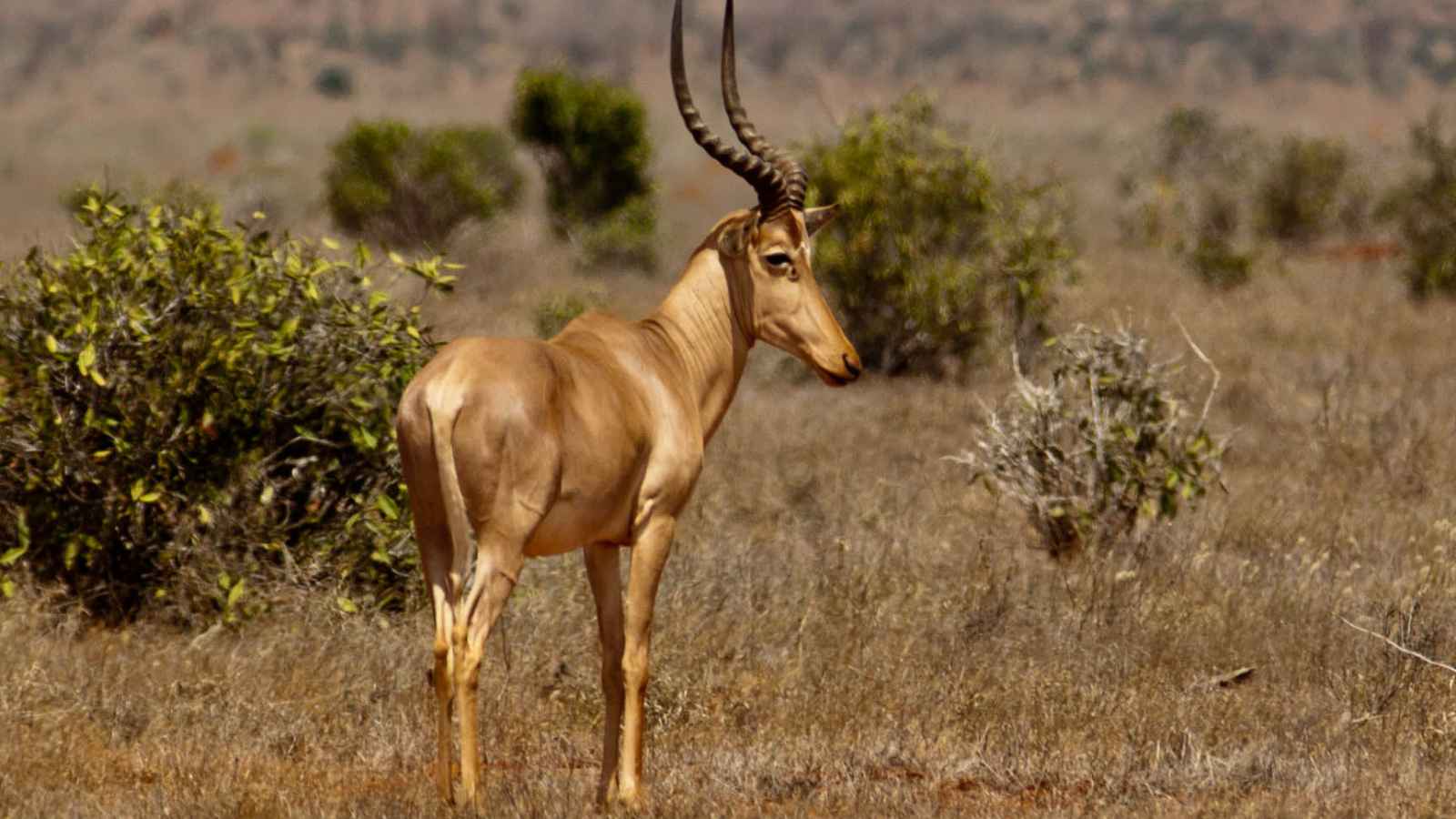
Hirola is also called the “four-eyed antelope” because of its dark scent glands under the eyes. Only a few hundred remain, mainly along the Kenya-Somalia border. They live in open grasslands and avoid wooded areas. Conservation groups work with local communities to protect them. Sightings remain rare. Spotting one feels like winning a wildlife lottery.
Grevy’s Zebra
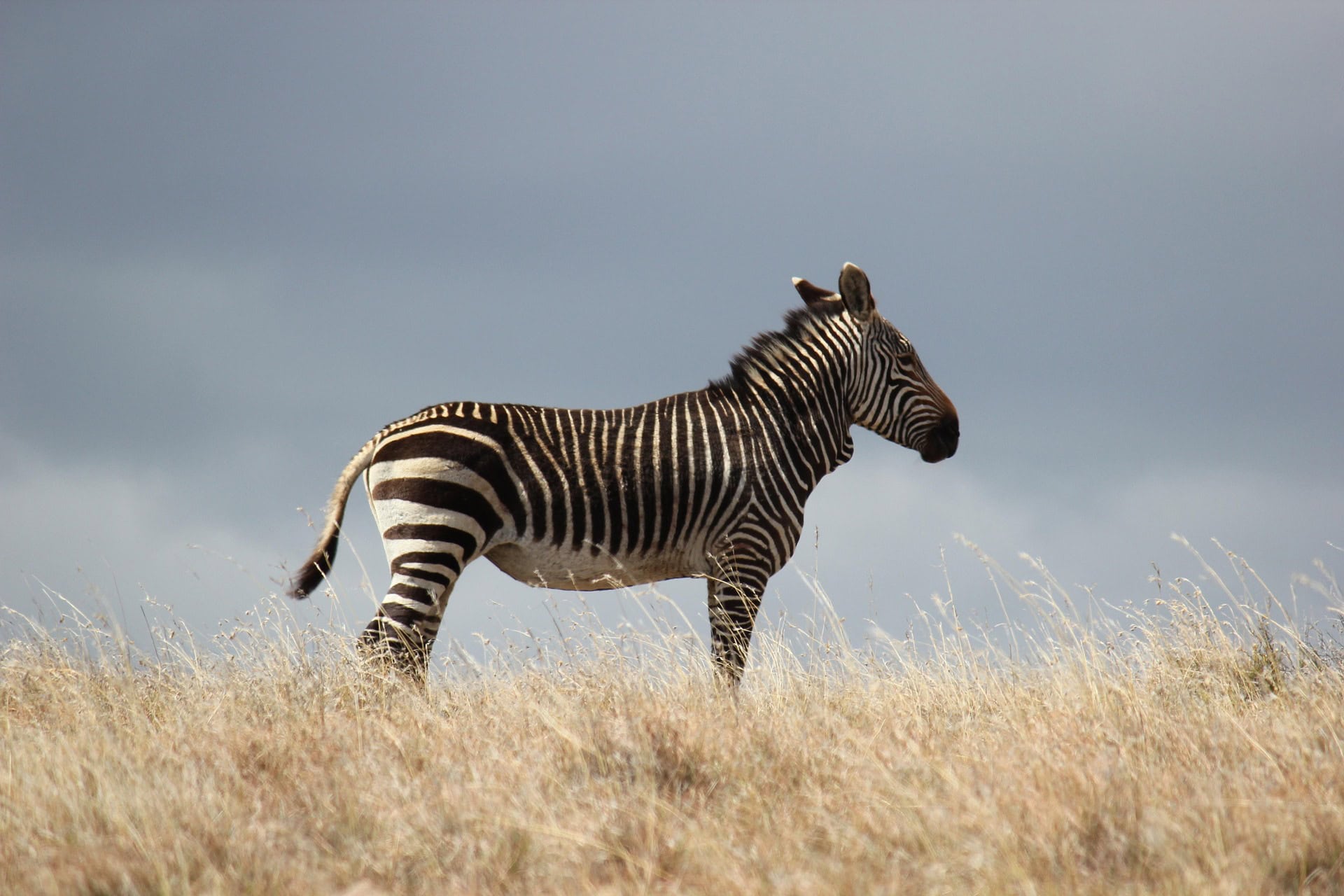
Grevy’s zebra is slimmer and taller than its cousins. Its stripes are narrower as if painted with a fine brush. Most live in northern Kenya and prefer dry scrublands, unlike the more common plains zebra. They drink less often, allowing them to go longer without water. This helps them survive in arid areas, but habitat loss has caused their numbers to fall sharply.
Black Rhino
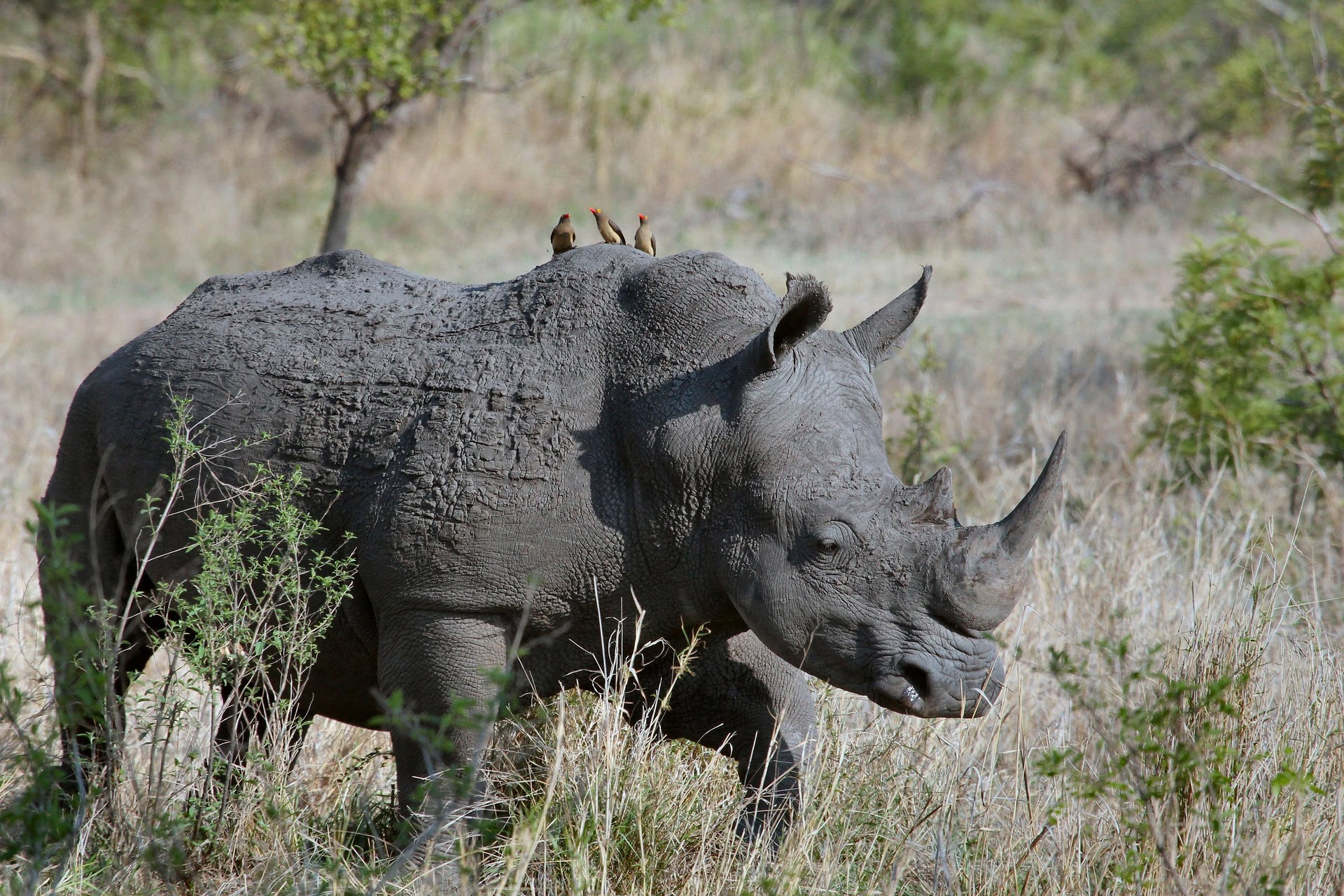
The black rhino is known for being strong, fast, and not fond of surprise visitors. Once roaming across much of Africa, they have been hunted for their horns and pushed to the edge. In Kenya, places like Ol Pejeta and Lewa Downs have made serious efforts to protect them. Some rhinos have armed guards. Yes, really. It’s that serious.
Pangolin
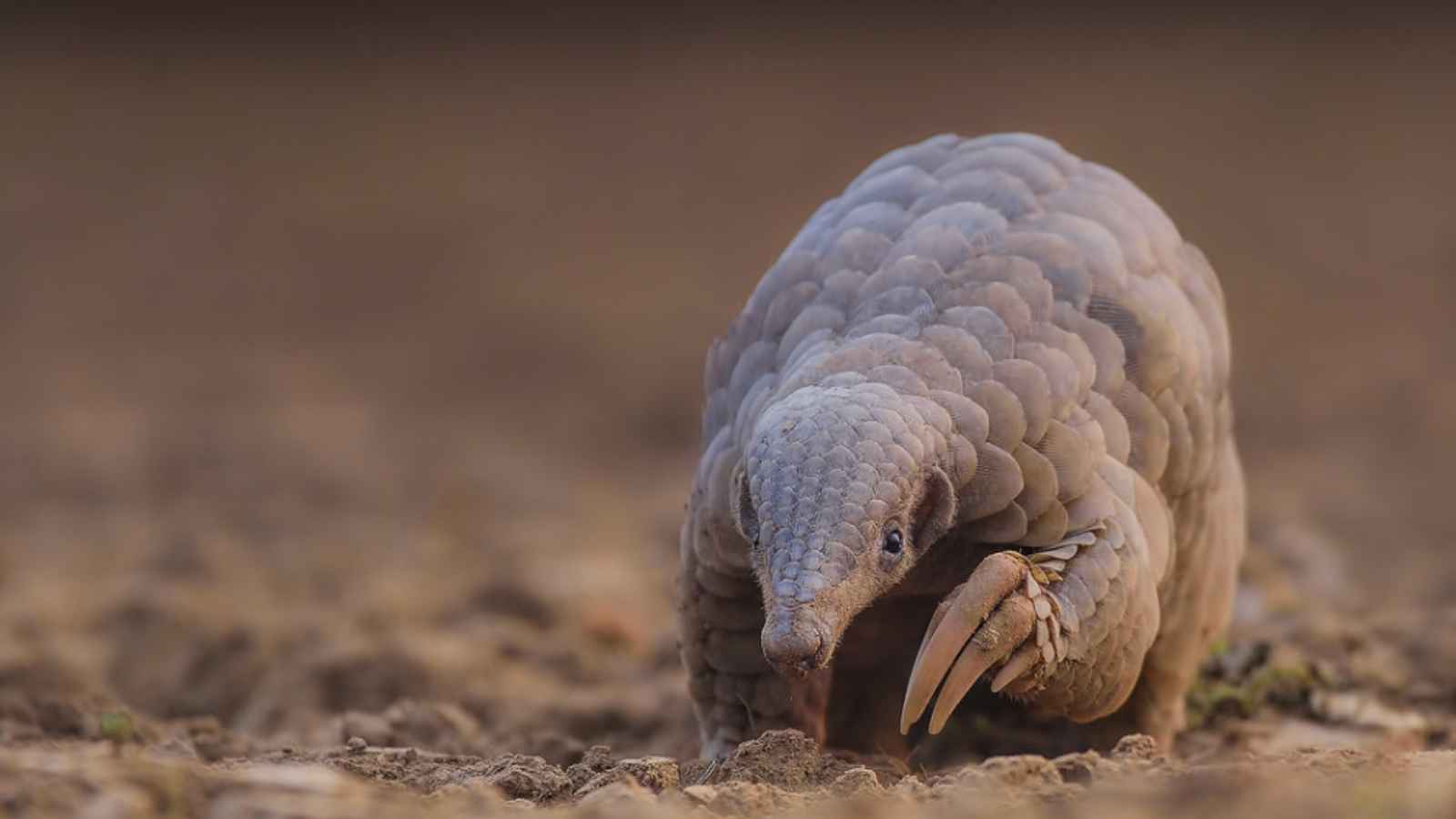
The pangolin resembles a walking pine cone with a shy demeanor. Covered in scales, it curls into a ball when scared. Those scales cause heavy hunting pressure. Despite laws, pangolins remain the world’s most trafficked mammals. In Kenya, they inhabit wooded and grassy areas but are rarely seen. Spotting one counts as good luck.
African Wild Dog
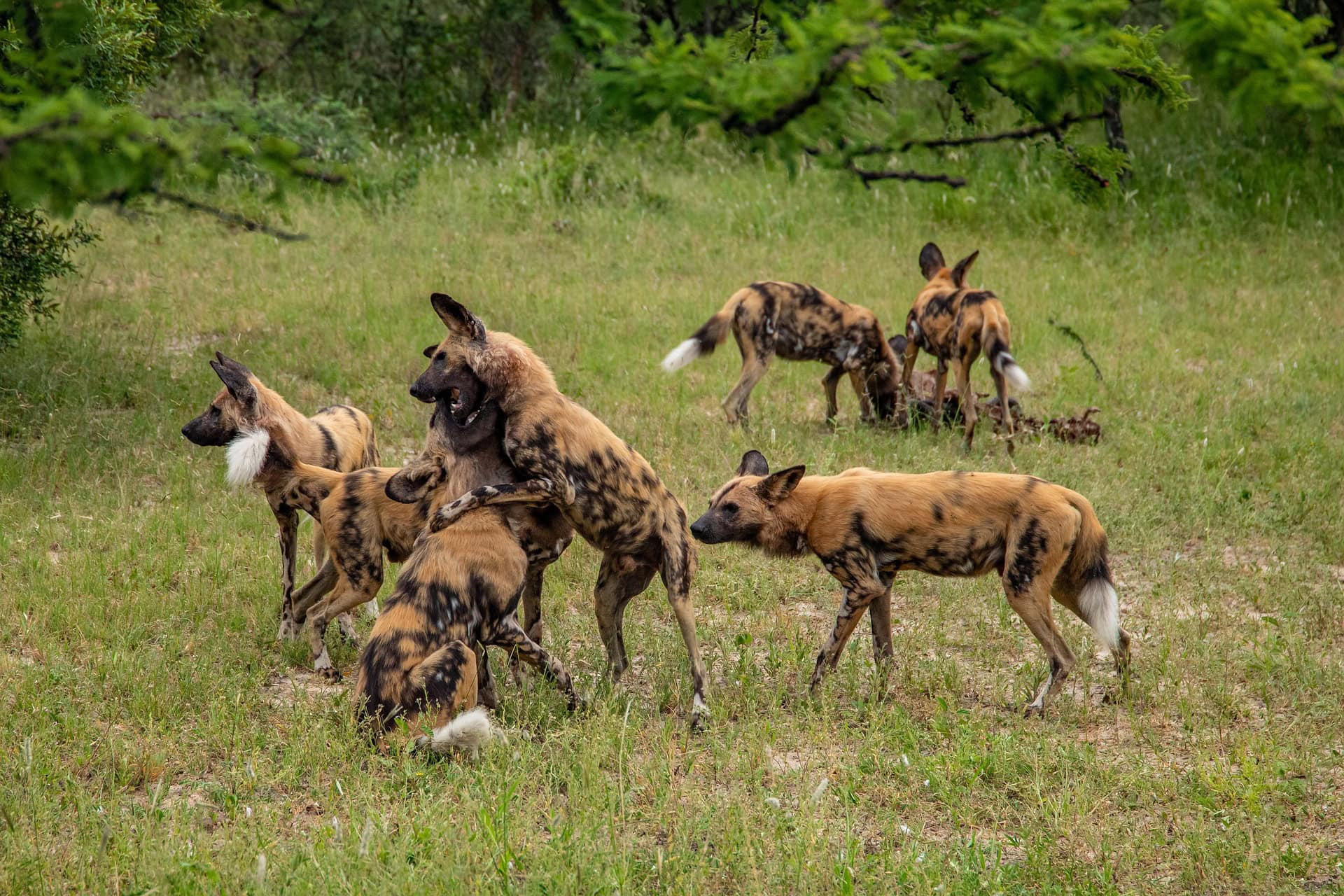
African wild dog moves like a pack of athletes and communicate like a tight-knit team. These dogs are skilled hunters but have lost most of their territory. Diseases transmitted by domestic dogs and conflicts with humans contribute to further decline. Small populations survive in Laikipia and Tsavo. Their painted coats and large ears make them easy to recognize if you can keep up.
Tana River Red Colobus
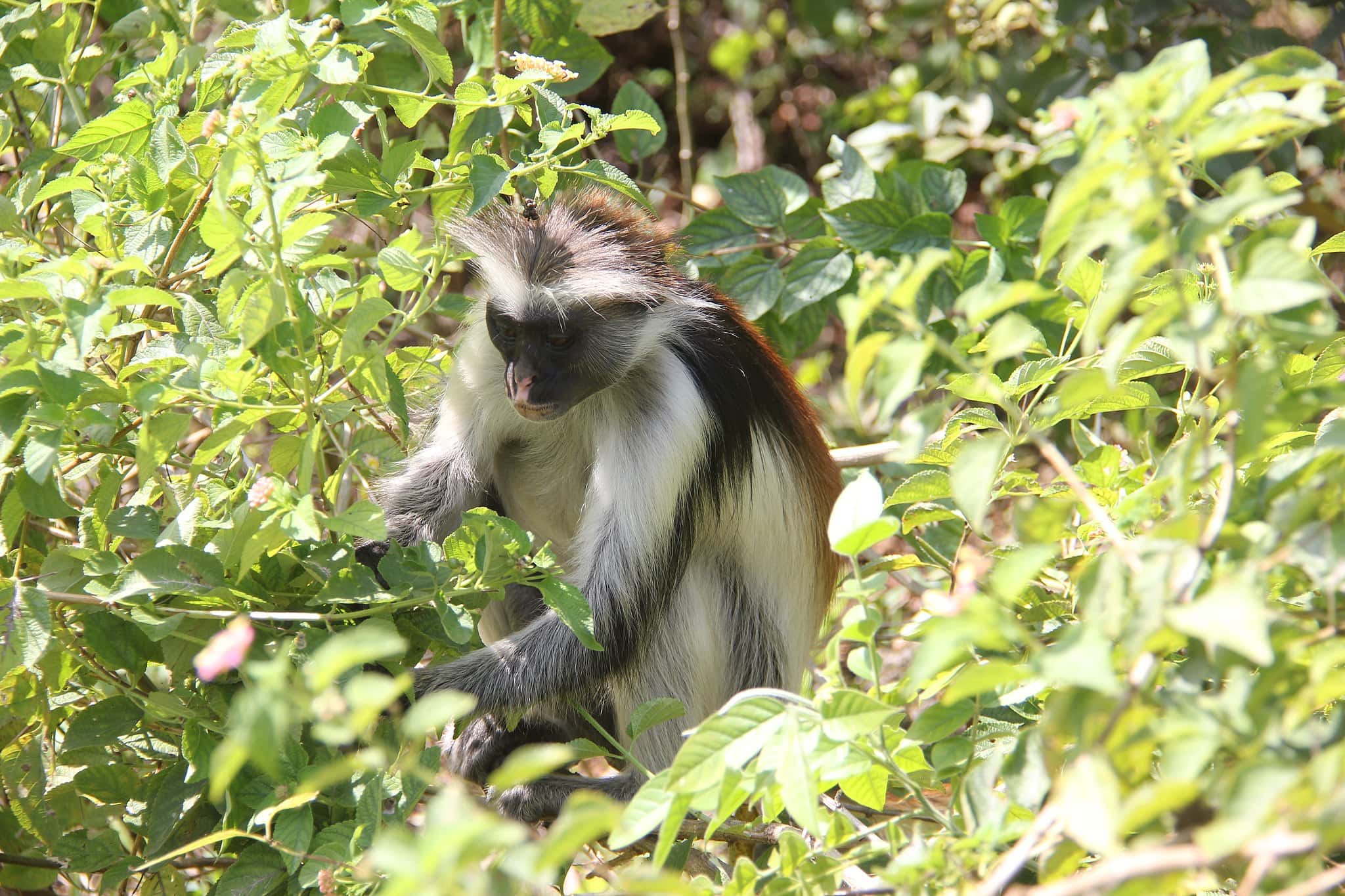
Tana River red colobus doesn’t like sharing space. It sticks close to riverine forests along the Tana River. Its reddish coat and expressive face make it stand out, though few people get to see one. Farming and development threaten its limited home range. Local conservation projects attempt to help, but its survival remains uncertain.
Mountain Bongo
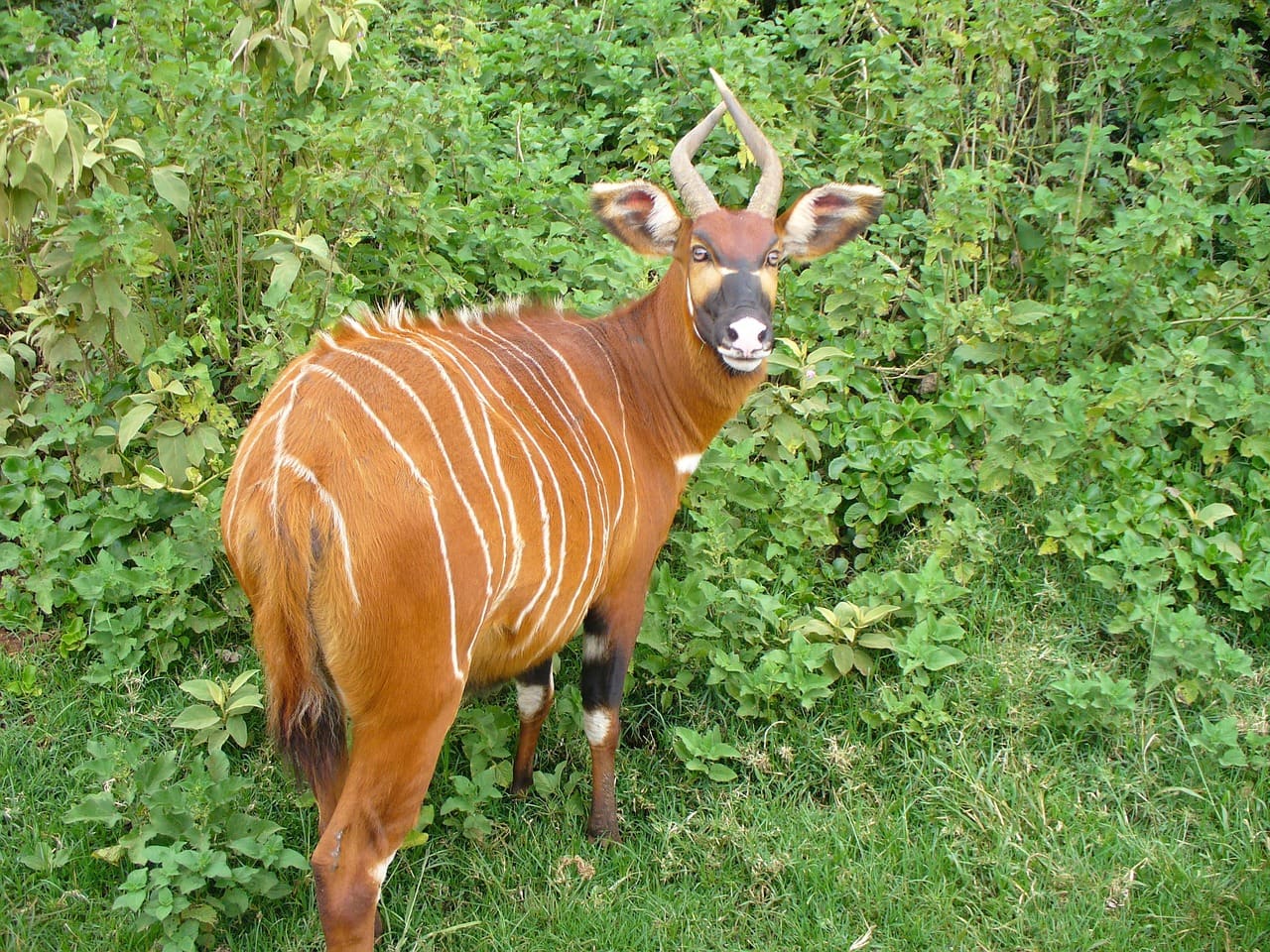
The mountain bongo is a shy forest antelope characterized by its spiraled horns and chestnut-red fur. It hides in the highland forests of the Aberdares and Mount Kenya. Fewer than 100 remain in the wild. Some have been reintroduced from breeding programs, but progress is slow. Spotting one feels like finding a needle in a haystack.
Sokoke Scops Owl
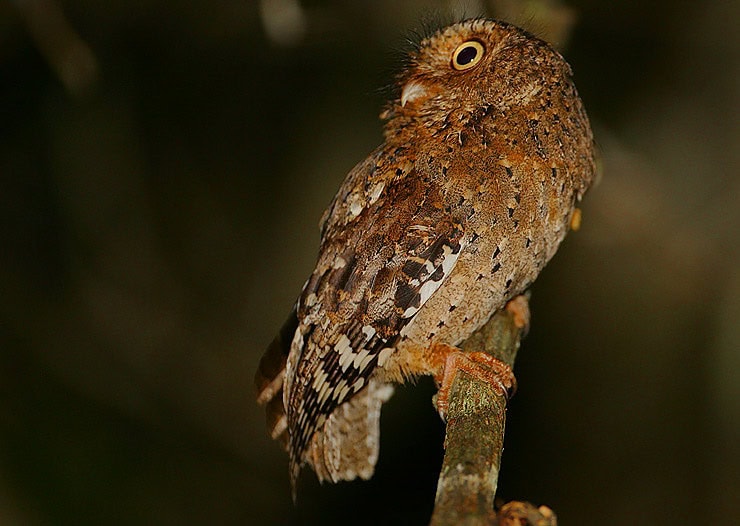
The Sokoke scops owl lives only in the Arabuko-Sokoke Forest near Kenya’s coast. It’s hand-sized, blends with tree bark, and calls with a whistle instead of a hoot. Birdwatchers come from afar, hoping to spot it. As the forest shrinks, the owl faces growing risk.
Rüppell’s Vulture
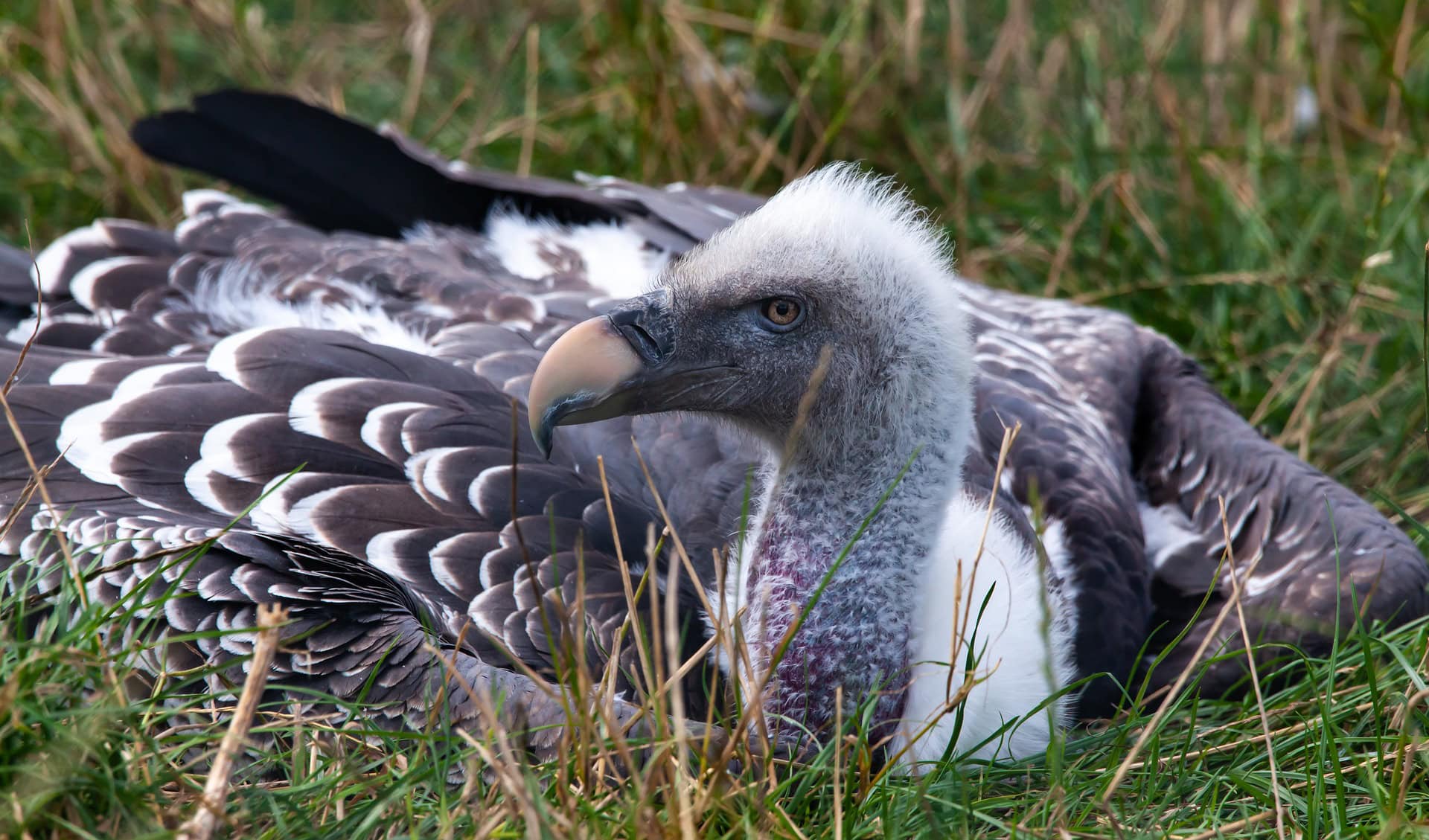
Rüppell’s vulture can fly higher than any other bird, reaching altitudes where oxygen thins. These vultures are built for the sky, but poisoning and habitat loss reduce their numbers. In Kenya, they nest on cliffs and scavenge the savannas. Conservationists tag and track them to study movements and offer protection.
Ader’s Duiker
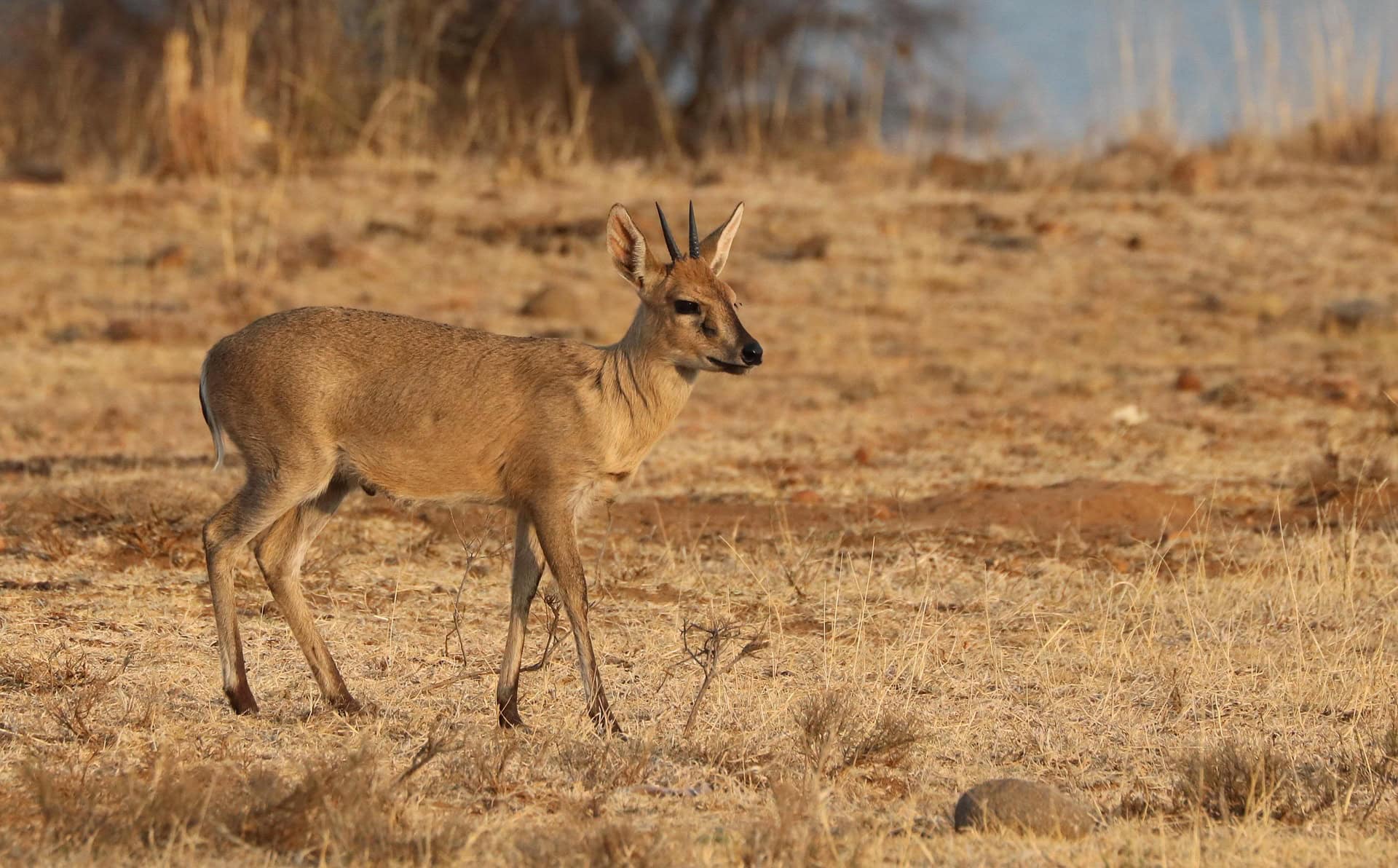
Ader’s duiker hides in the coastal forests of Kenya and Zanzibar. It’s small, reddish-brown, and barely makes a sound. Farmers clearing land for crops reduce the habitat of these animals. It avoids people, which complicates study efforts. Conservationists work to learn more and secure its future.

Golden-rumped Elephant Shrew
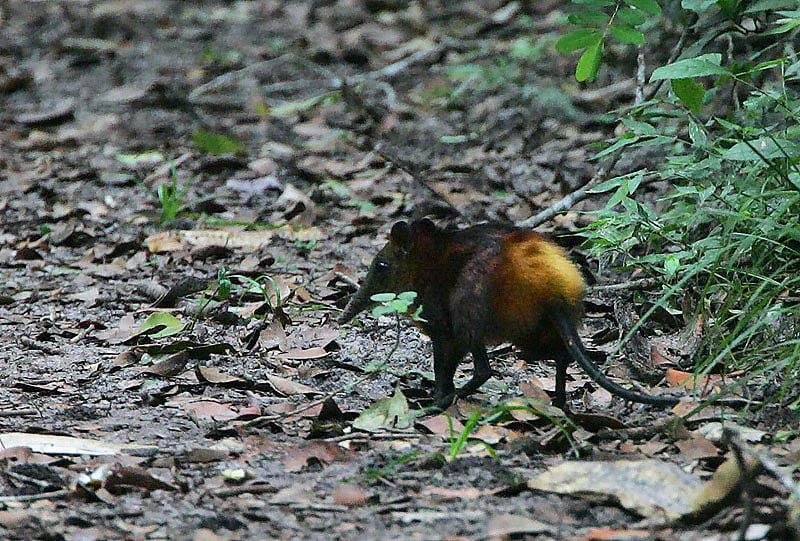
The golden-rumped elephant shrew is neither an elephant nor a shrew. It’s a fast, long-nosed creature with a gold patch on its rump. It lives only in the Boni and Arabuko-Sokoke forests. It darts through underbrush like it’s late for a meeting. Most people never see one unless accompanied by an adventurous, trained guide.
De Brazza’s Monkey
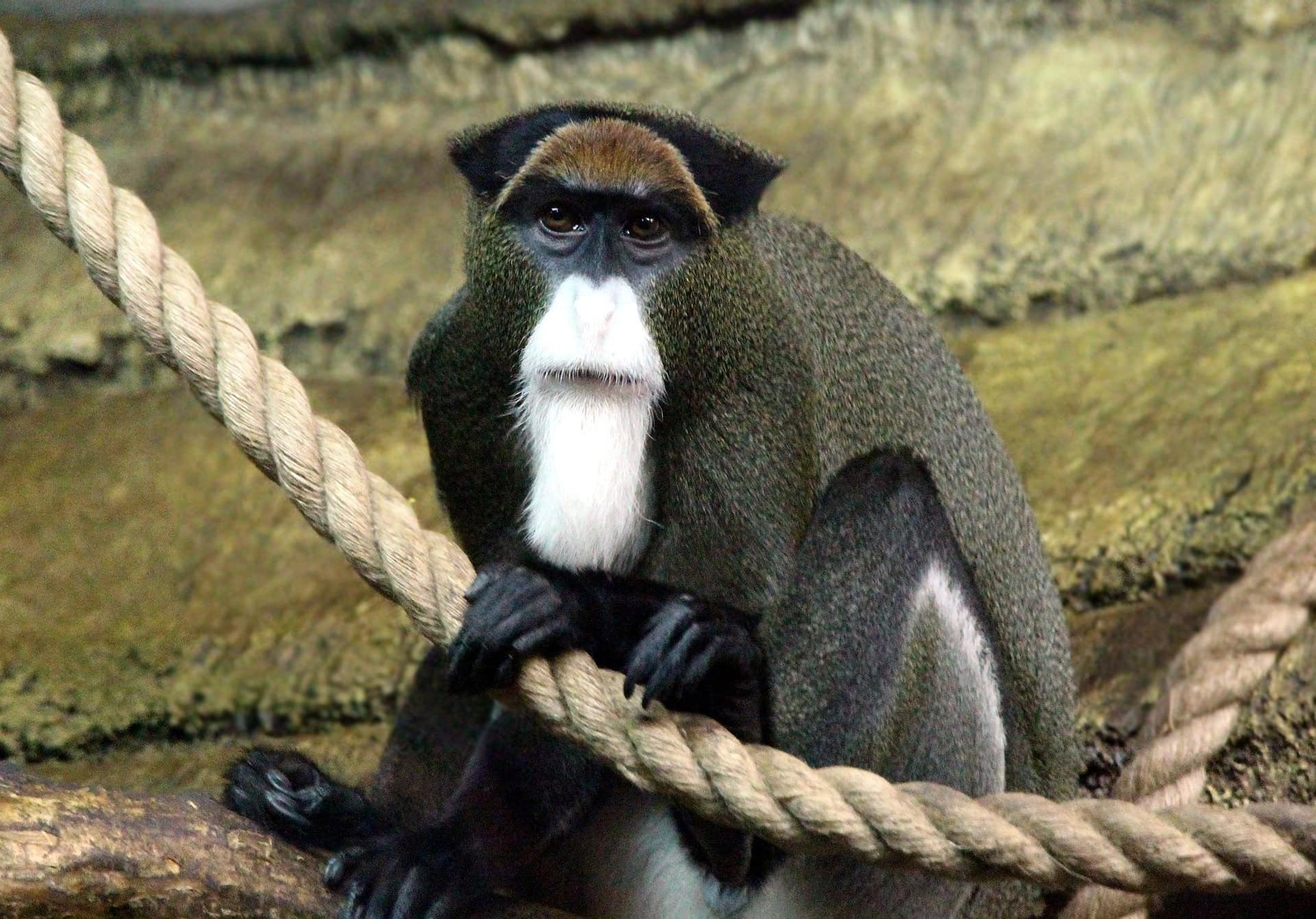
De Brazza’s monkey wears a white beard and an orange crown, appearing as if it stepped out of an old storybook. It hides near rivers in western Kenya. It remains wary of humans and excels at staying out of sight. Deforestation and hunting threaten its future. Spotting one calls for a moment of appreciation. It’s a rare guest.
Disclaimer: This list is solely the author’s opinion based on research and publicly available information.
Read More:

- Ultimate Guide To Picking The Best Travel Credit Card
- The 5 Best Budget Airlines in the United States
- 15 Best Countrıes to Vısıt in Afrıca
Disclaimer: This list is solely the author’s opinion based on research and publicly available information.