12 Cities and Places That Completely Shun Tourists
Have you ever wondered about a private destination that almost shouts, “tourists prohibited?” Get ready to explore 12 cities and regions that have transformed the concept “locals only” into a typical phenomenon. Discover Cars mentions that residents of various European cities fight over-tourism by protesting while demanding increased taxes and foreign investment restrictions to lower housing prices.
These locations go beyond being unfriendly to tourists because they’ve created barriers that explicitly exclude visitors from their lists.
Mecca, Saudi Arabia

Mecca is the most sacred location in Islam, and entry to non-Muslims is strictly forbidden. Saudi law prohibits people who are not Muslims from accessing the central Mecca or entering any religious locations in Medina. In essence, Saudi Arabian Law prevents non-Muslims from entering Mecca even if they plan to visit as tourists. Anyone who needs to enter Saudi Arabia for Umrah requires a specific eVisa or Umrah Visa. The city of Jeddah offers a mix of modern attractions and historical sites, serving as the entry point to Mecca.
The government enforces this ban through checkpoint inspections and penalties, which can lead to deportation for those who violate the rule. The Saudi government maintains this prohibition because it follows Islamic tradition. The city receives millions of Muslim visitors every year, but stays entirely inaccessible to all non-Muslim individuals.
Mount Athos, Greece
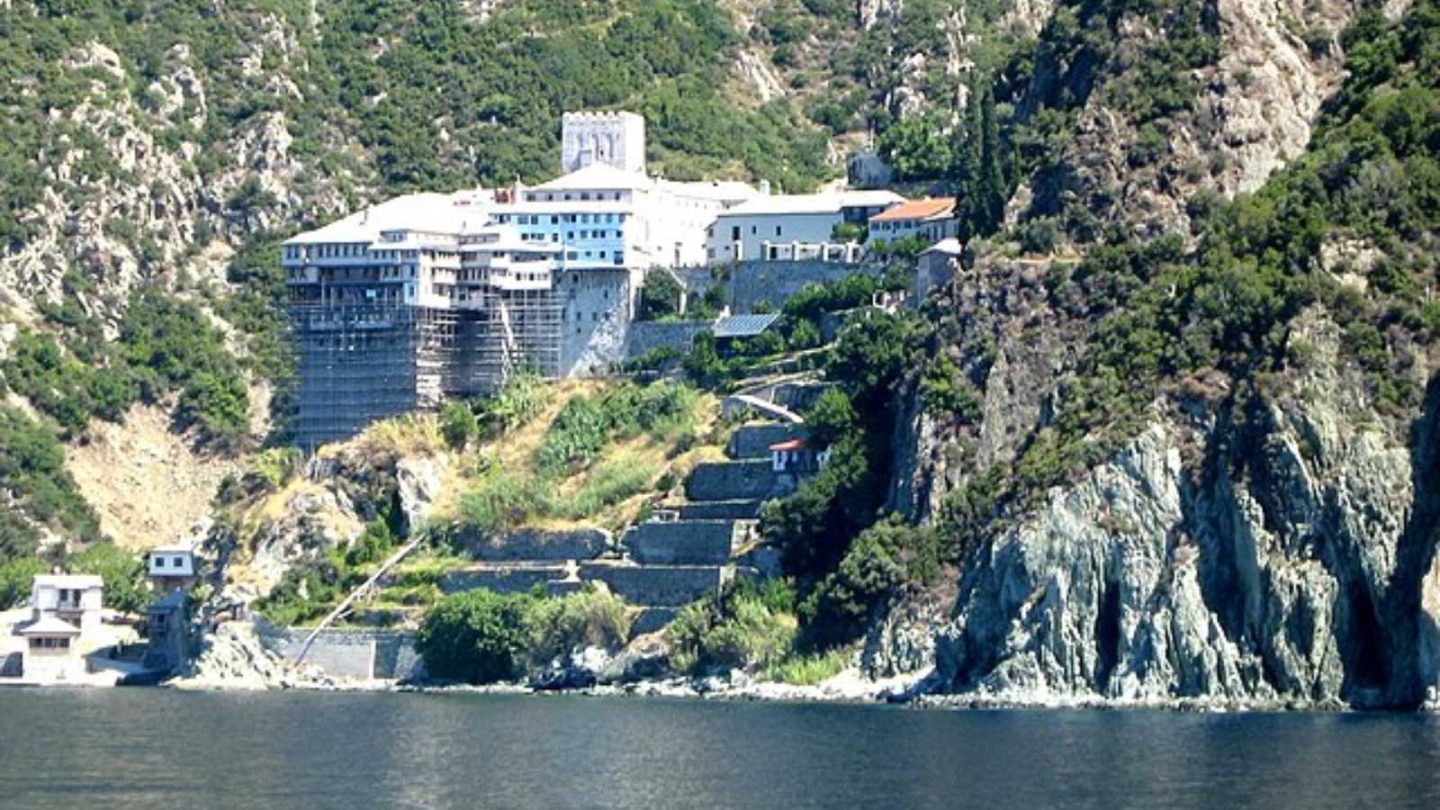
The monastic community of Mount Athos in northern Greece has banned female visitors for more than a millennium. The ” Avalon ” rule prevents all female tourists from entering Mount Athos. CTV News reports that the ban originates from Orthodox tradition, aimed at maintaining monk celibacy and upholding the belief that the Virgin Mary represents the only female presence on the peninsula.
Daily entry requires advance approval because Mount Athos permits only 100 Orthodox male pilgrims alongside 10 non-Orthodox male pilgrims to visit. The restrictions aim to preserve the meditative environment that is fundamental to Orthodox monastic life.
North Sentinel Island, India
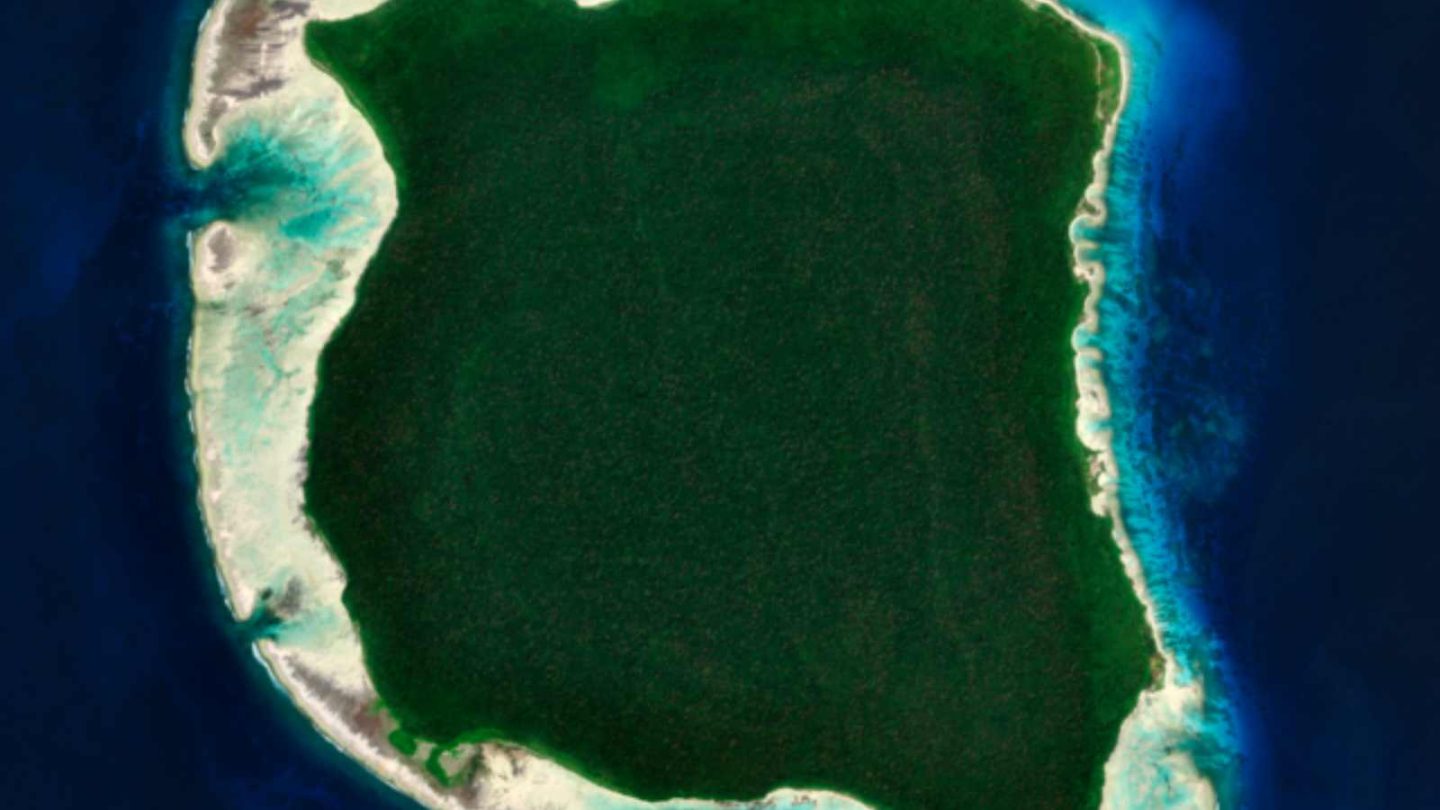
The Sentinelese people live on North Sentinel Island, where they have been isolated for approximately 60,000 years. The Indian government has officially prohibited all external contact and visits to the island to ensure protection for both the isolated tribe and potential outsiders.
The prohibition exists because the Sentinelese show hostility toward outsiders and their population’s extreme susceptibility to foreign diseases. The island is one of the few surviving locations globally where modern civilization has had no impact.
Russian Closed Cities (ZATO)
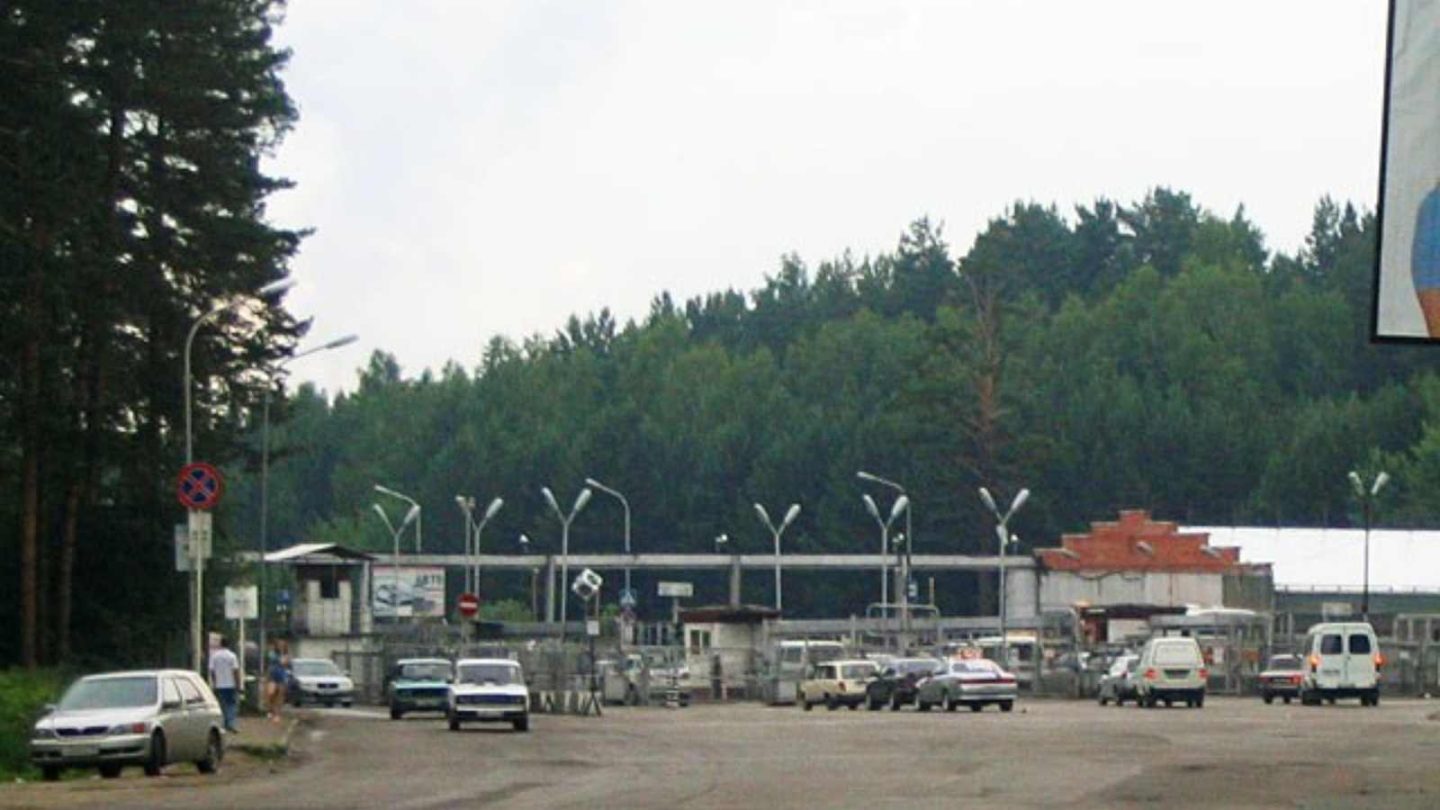
Russia has the world’s biggest collection of closed cities, which tourists cannot enter and authorities exclude from public maps. ABC News mentions that the “closed administrative-territorial entities” (ZATO) serve as locations for military bases, nuclear research facilities, and other vital strategic sites.
The country has 44 officially recognized closed cities accommodating about 1.5 million people. Foreigners need special permits to enter closed cities, which prevents normal tourism activities.
Svalbard Global Seed Vault, Norway

The Svalbard Seed Vault is a highly secure facility that tourists cannot access, despite being smaller than an entire city. This remote Arctic facility—the “Doomsday Vault”—is humanity’s most essential agricultural safety net. It stores duplicate seed samples worldwide to preserve crop diversity in the event of future global catastrophes.
The facility defends against physical threats while maintaining global food security, preventing unauthorized access to casual visitors.
Ni‘ihau, Hawaii, USA

The island of Ni‘ihau is America’s most inaccessible populated island and is known evocatively as “the Forbidden Island.” The Robinson family has held private ownership of the island since Elizabeth Sinclair acquired it from the Kingdom of Hawaii in 1864, maintaining possession for over 150 years.
The Robinson family owns Niihau’s 69.5 square miles, which they reserve for themselves, their relatives, authorized U.S. Navy personnel, government officials, and select guests while barring all other outsiders. Since 1987, supervised activity tours and hunting safaris have been available to tourists, but general access to the island remains completely barred.
Kyoto, Japan
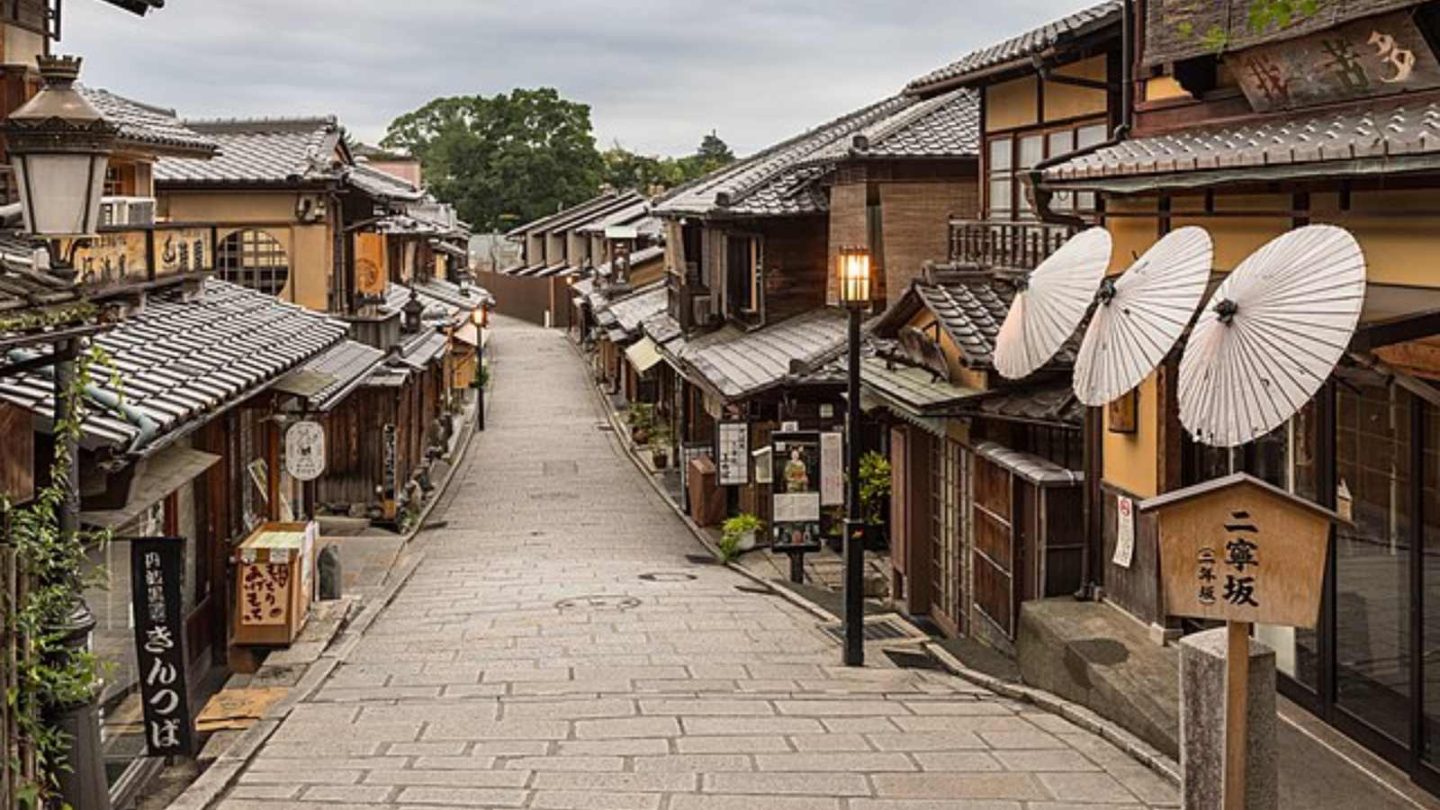
Kyoto, which was once open to international tourists, now adheres to Japan’s strictest tourism regulations. The city welcomed more than 50 million tourists in 2023, which overloaded its historic districts and interfered with residents’ everyday activities. In response, the Gokagai geisha districts of Gion Kobu, Gion Higashi, Kamishichiken, Pontocho, and Miyagawacho have restricted tourist access.
These closures resulted from the repeated harassment of Kyoto’s geisha and apprentice geisha through physical attacks and intrusive photography. Restricted zones now display signage, and authorities enforce the rules more rigorously.
Hallstatt, Austria

The Alpine village that supposedly inspired Disney’s “Frozen” kingdom of Arendelle has implemented significant measures to restore its peacefulness. Before pandemic restrictions took effect, the small town of Hallstatt experienced daily crowds of 10,000 visitors, which was truly massive for its population of less than 800 people.
The Independent reports that Mayor Alexander Scheutz implemented limits on tour buses and cars entering the UNESCO World Heritage site to reduce tourism numbers by at least one-third. The town installed wooden barriers at selfie hotspots along its lake to stop visitors from taking the famous photographs that turned Hallstatt into an Instagram sensation.
Binibeca Vell, Spain

This peaceful village in Menorca is Spain’s leading example of strong opposition to unchecked tourism. Residents of the white-painted village have established precise visiting hours from 11 am to 8:30 pm to manage the expected influx of nearly 1 million visitors each year.
The village representatives have directly stated their intention to impose a full ban should current regulations fail to produce adequate results. Residents report that tourists trespass into their homes and climb their property walls, steal items, and organize nighttime drinking parties.
Galapagos Islands, Ecuador

Tourism still exists in Ecuador’s Galapagos Islands, but these islands maintain some of the planet’s most rigorous visitor restrictions. The islands feature rare evolutionary phenomena that require maximum protection, prompting the Galapagos National Park Service to enforce extensive regulations.
Visitors are limited to marked trails for walking, but require specialized guides for access to protected areas. They are also prohibited from visiting the main natural beauty spots using privately owned yachts. According to CNN, from August 2024, tourists encountered much higher entry fees, with international visitors facing a $200 charge while visitors from selected South American nations paid $100.
Maya Bay, Thailand

The Maya Bay of Thailand’s Ko Phi Phi Leh gained popularity from “The Beach,” starring Leonardo DiCaprio. Still, it has also become a cautionary tale about the destructive power of tourism. Around 5,000 tourists visited the bay daily, severely destroying the coral reefs and marine ecosystems before authorities intervened.
The Thai government enforced a complete closure of Maya Bay in 2018 to restore its natural environment. After reopening in January 2022, Maya Bay’s visitation rules contrast significantly with its earlier unrestricted access model. The bay bans swimming activities because it helps preserve the restored coral and protects the black-tipped reef shark population.
Barcelona, Spain

Barcelona is an example of a city whose popularity threatens its existence. The Catalan capital city reached a record of 15.5 million international visitors in 2024, triggering resident protests due to overcrowding and rental price hikes.
Barcelona has not banned tourists, but it has enacted increasingly forceful restrictions to manage their impact on the city. Barcelona’s city council has implemented stricter rules for short-term rentals, including those facilitated by Airbnb, because it views these rentals as a cause of residents leaving their neighborhoods. Construction of new hotels is prohibited in the city center, while existing tourist accommodations are being closely monitored.
Key Takeaway

The 12 destinations listed have implemented stringent measures to preserve their cultural heritage and protect their natural and social environments. These special places, including Mecca, Mount Athos, and North Sentinel Island, have established firm boundaries to protect their unique essence. These cities and regions have rejected mass tourism to preserve their sacred traditions, protect fragile ecosystems, and maintain the quality of life for their residents.
Travelers should understand that some doors remain shut forever because the closure is necessary rather than a matter of spite. Specific locations are simply not intended to function as tourist destinations. Although completing your travel bucket list can seem appealing, respecting some locations requires us to appreciate them from a distance, thereby supporting their preservation efforts.
These locations demonstrate how communities can reclaim their space and identity, serving as strong examples amidst growing concerns about overtourism. These destinations require travelers to critically evaluate their travel decisions and consider the impact they have on the visited locations. So, the next time you plan a trip, remember: Certain locations deserve respect through distant admiration rather than close exploration. And that’s okay.
Disclaimer – This list is solely the author’s opinion based on research and publicly available information. It is not intended to be professional advice.
Read More: