11 Powerful Sites That Bring Black American History to Life
The past isn’t locked away in textbooks. It inhabits places such as buildings, churches, homes, and streets, where everyday people make extraordinary decisions. Across the U.S., there are landmarks that not only mark history but also hold it. They carry echoes of protests, prayers, courage, and culture.
These places tell stories that textbooks often rush through. They let you stand where heroes stood, listen where visionaries spoke, and see what generations before witnessed. Whether you’re planning a road trip, a weekend cruise through the South, or just passing by with your credit card and curiosity, these sites deserve a spot on your map.
African Burial Ground National Monument, New York City

In the middle of lower Manhattan, beneath office towers and traffic, lies a burial site that held the remains of over 15,000 free and enslaved Africans from the 17th and 18th centuries. Discovered during construction in the early 1990s, this sacred space sparked public outcry, preservation efforts, and ultimately led to the creation of a powerful memorial and visitor center that honors those previously erased from the city’s official history. It’s quiet, moving, and rooted in deep truth.
Boston African American National Historic Site
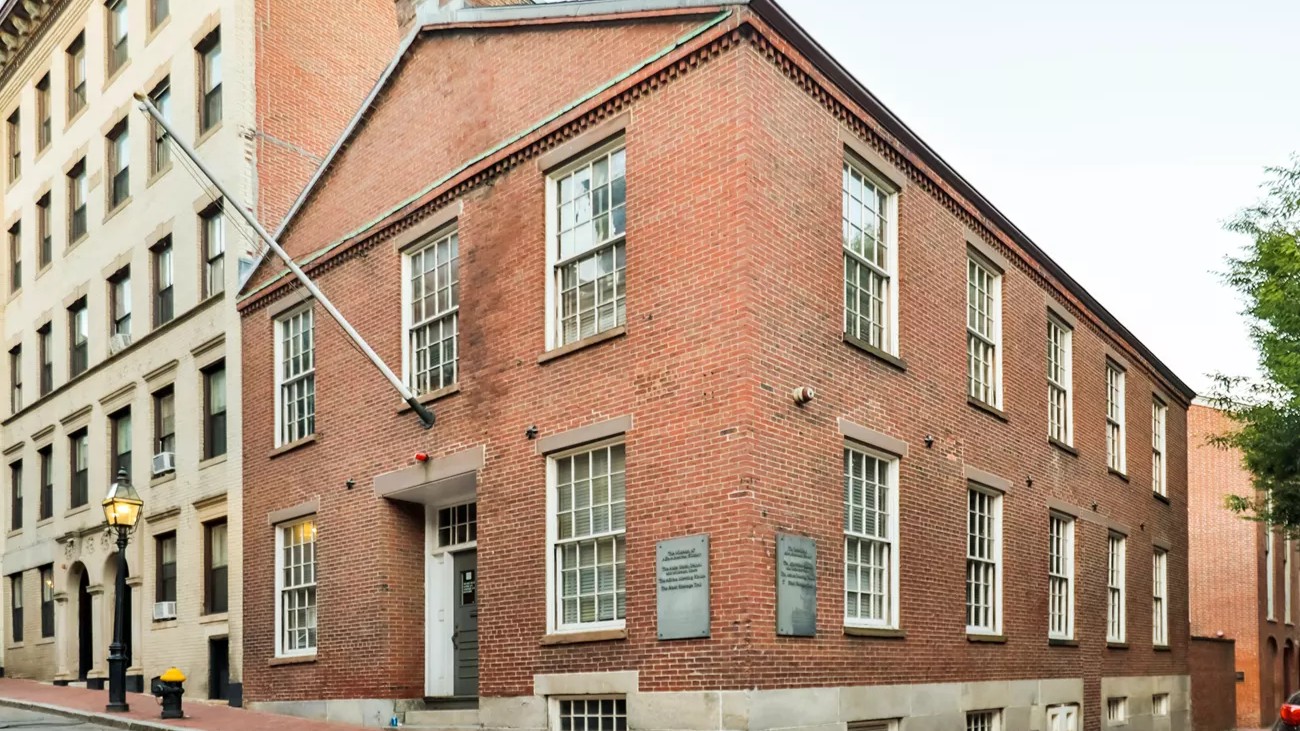
Set along the Black Heritage Trail in Boston’s Beacon Hill neighborhood, this site includes landmarks like the African Meeting House, which is the oldest surviving Black church building in the U.S., as well as the Abiel Smith School and various homes tied to the Underground Railroad. Walking these narrow brick streets brings you into the lives of activists, writers, and families who shaped abolition and equality long before the Civil War even began.
Brown Chapel AME Church, Selma

More than just a church, this brick building in Selma served as the headquarters for the 1965 voting rights marches that changed the course of U.S. history. Brown Chapel was where activists met, prayed, and planned the Selma-to-Montgomery marches, which ultimately led to the passage of the Voting Rights Act. Its walls still seem to breathe with the spirit of the movement. Standing in its sanctuary is like hearing echoes of John Lewis and Dr. King urging people forward.
National Civil Rights Museum, Memphis

Built into the Lorraine Motel, where Dr. Martin Luther King Jr. was assassinated in 1968, this museum walks you through centuries of civil rights struggle in America. Inside are more than 260 artifacts, life-sized exhibits, and multimedia features that trace the history from slavery through the Black Lives Matter movement. The preserved motel room where King spent his final hours hits hard, both as a memorial and a reminder of unfinished work.
16th Street Baptist Church, Birmingham

On a quiet Sunday morning in 1963, a bomb exploded here and killed four young Black girls, shaking the nation’s conscience and accelerating support for civil rights legislation. Located in Birmingham’s Civil Rights District, the church now serves as a memorial site, with guided tours and a connected museum that dives into the deeper stories of the city’s racial battles and the kids whose lives were stolen too soon.
Daisy Bates House, Little Rock
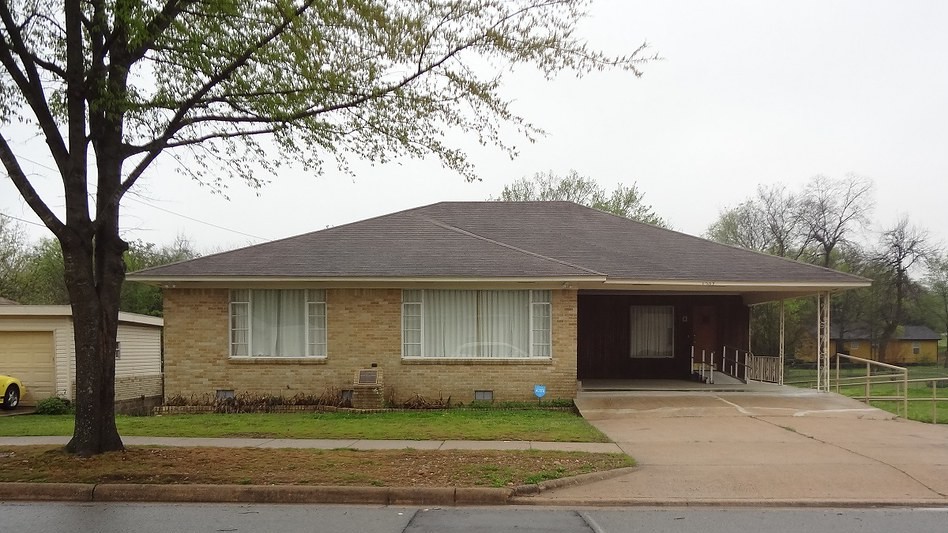
This modest Arkansas home was the base for resistance against school segregation. In 1957, Daisy Bates opened her door to the Little Rock Nine as they prepared to integrate Central High School under a national spotlight and constant threat. Visiting this private residence turned landmark brings you into the space where planning, fear, and fierce hope collided over kitchen tables and late-night conversations.
Freedom Riders National Monument, Anniston
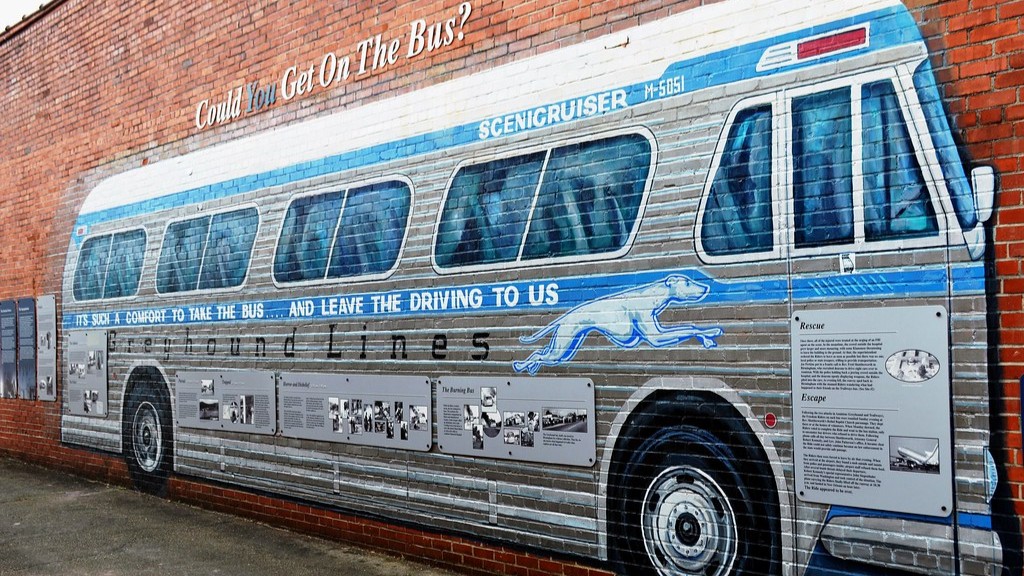
In May 1961, a Greyhound bus was firebombed here in Anniston, Alabama, while civil rights activists trying to desegregate interstate travel were attacked. This site includes the former bus station and the stretch of highway where the burning happened. Standing there, surrounded by silence, it’s easy to imagine the smoke, the fear, and the unbelievable courage it took to get back on the road.
Tuskegee Airmen National Historic Site, Alabama
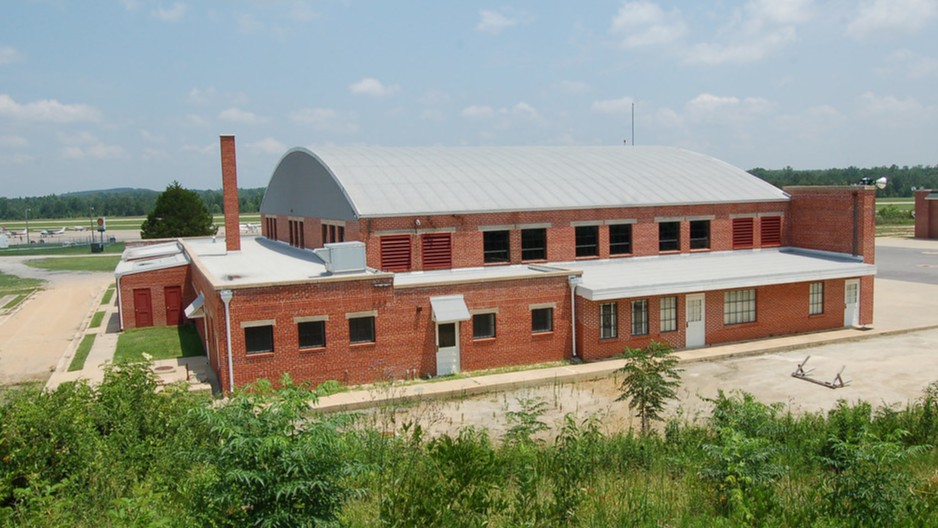
At Moton Field, the first Black military pilots trained during World War II, breaking racial barriers while fighting fascism abroad. The site features original hangars, training facilities, and exhibits honoring the men who defied stereotypes and changed the course of military history. You’ll walk through classrooms and airstrips that launched thousands of dreams skyward.
George Washington Carver National Monument, Missouri

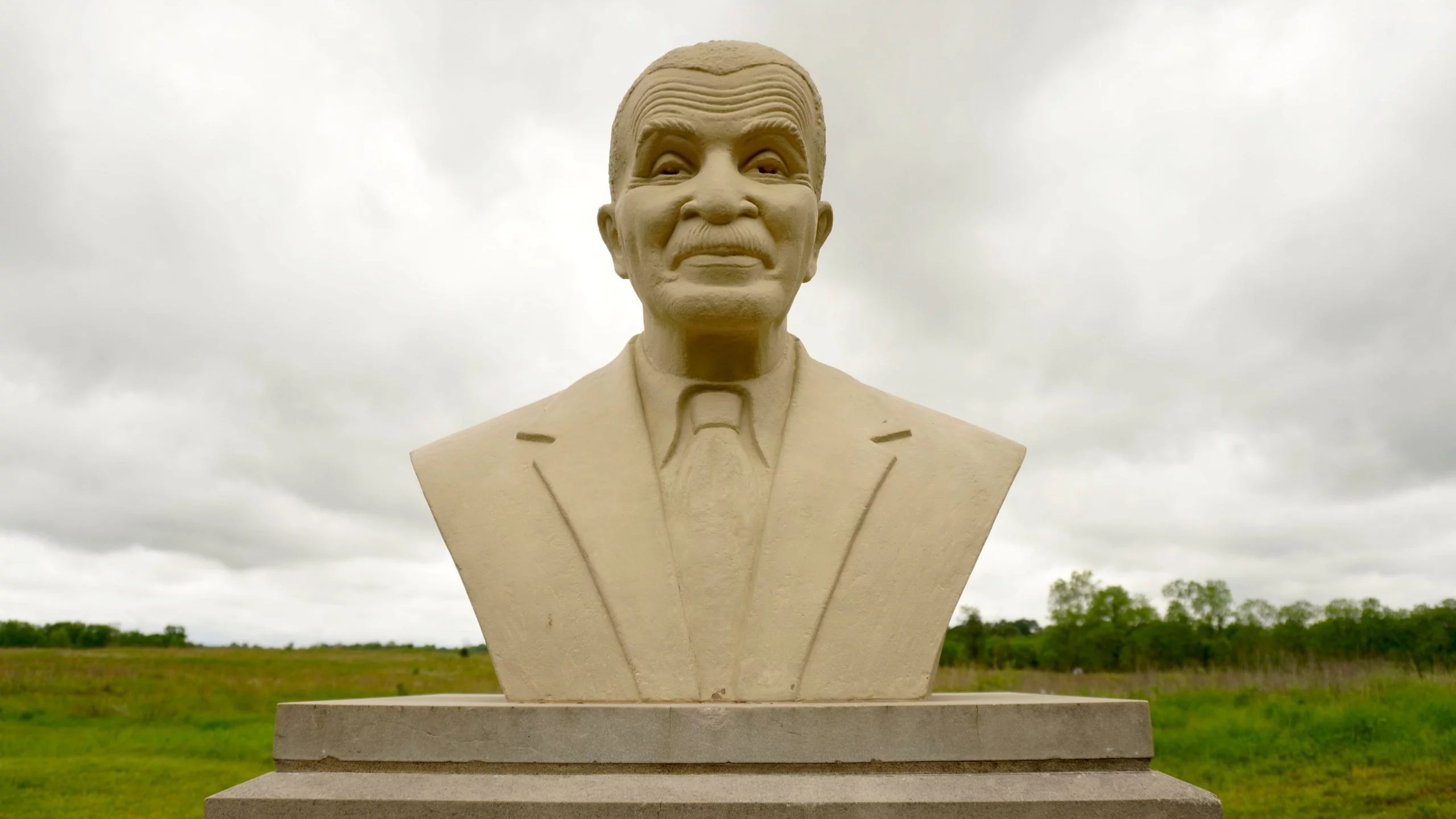
Nestled in Diamond, Missouri, this is the birthplace of scientist and educator George Washington Carver. His childhood home and farmlands are preserved along with walking trails and visitor exhibits that trace his journey from slavery to scientific achievement. Visitors learn not just about peanuts, but how one man’s mind helped revolutionize agriculture and education for generations.
Medgar and Myrlie Evers Home, Jackson

This modest home in Mississippi was where civil rights activist Medgar Evers lived and where he was murdered in 1963. Myrlie Evers fought for decades to preserve his legacy and see justice served. The house became a National Monument in 2020, and tours offer a firsthand glimpse into both the triumph and tragedy that came with standing up for freedom.
Mason Temple, Memphis
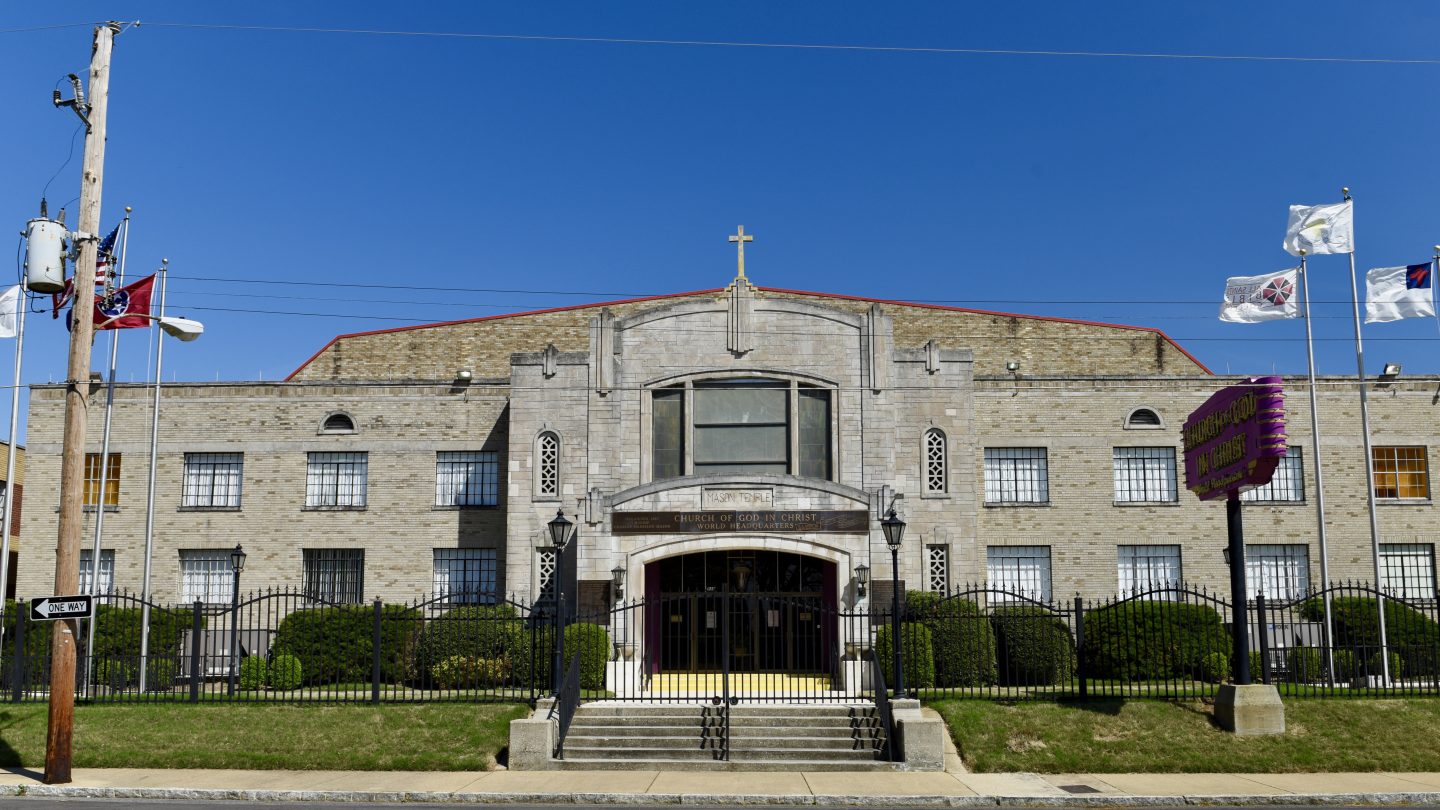
Built as the Church of God in Christ’s headquarters, this is where Dr. King gave his famous “I’ve Been to the Mountaintop” speech the night before his assassination. The building accommodates more than 3,000 people and continues to host sermons, services, and various events. Sitting in the audience, you can still hear his voice, calm, urgent, and unforgettable, warning and preparing a nation.
Madam Walker Legacy Center, Indianapolis

Once the factory and beauty empire of Madam C.J. Walker, the first female self-made millionaire in America, this center celebrates Black entrepreneurship, creativity, and cultural pride. The restored building includes a theater, museum exhibits, and community programs. It reminds visitors that building something powerful doesn’t always start with privilege; it can begin with persistence, product, and purpose.
Disclaimer: This list is solely the author’s opinion based on research and publicly available information.
You Might Also Like:

How To Stick To Your Holiday Budget and Avoid Debt: With the holiday season in full swing, many find themselves facing high expenses. The anticipation of gift-giving, coupled with the desire to create unforgettable moments, often leads to the common tradition of seasonal spending, with the average holiday budget reaching a considerable sum.