10 Regular Behaviors That Get Travelers Flagged at the Airport
Airports can feel like a strange mix of order and chaos. Everyone’s in a hurry, security lines stretch for miles, and the rules change every time you fly. Still, most travelers pass through without a hitch. However, a few behaviors, even those that seem harmless, can attract extra scrutiny from airport security. Some of these are obvious. Others might surprise you.
Getting flagged doesn’t always mean someone’s done something wrong. It can simply indicate that something looks off, unusual, or inconsistent, but knowing what raises eyebrows can help you steer clear of delays and awkward questions. If you’ve ever wondered why someone got pulled aside at TSA or why a fellow passenger had every item in their bag checked, here’s a closer look at what might’ve set things off.
Avoiding Eye Contact Or Acting Nervous

Looking away, sweating, or constantly shifting in line can seem suspicious. Many people get nervous before flying, but certain behaviors can mimic signs of someone trying to hide something. Calm body language helps things go more smoothly.
Wearing Bulky Or Inappropriate Clothing

Wearing baggy clothes, oversized jackets, or too many layers can lead to extra security checks. Security can’t easily see what you might be carrying underneath. Add a hood, sunglasses, or a hat, and suddenly, it’s harder for cameras and staff to identify you clearly. It’s not about fashion; the TSA wants a clear picture.
Buying A One-Way Ticket With Cash
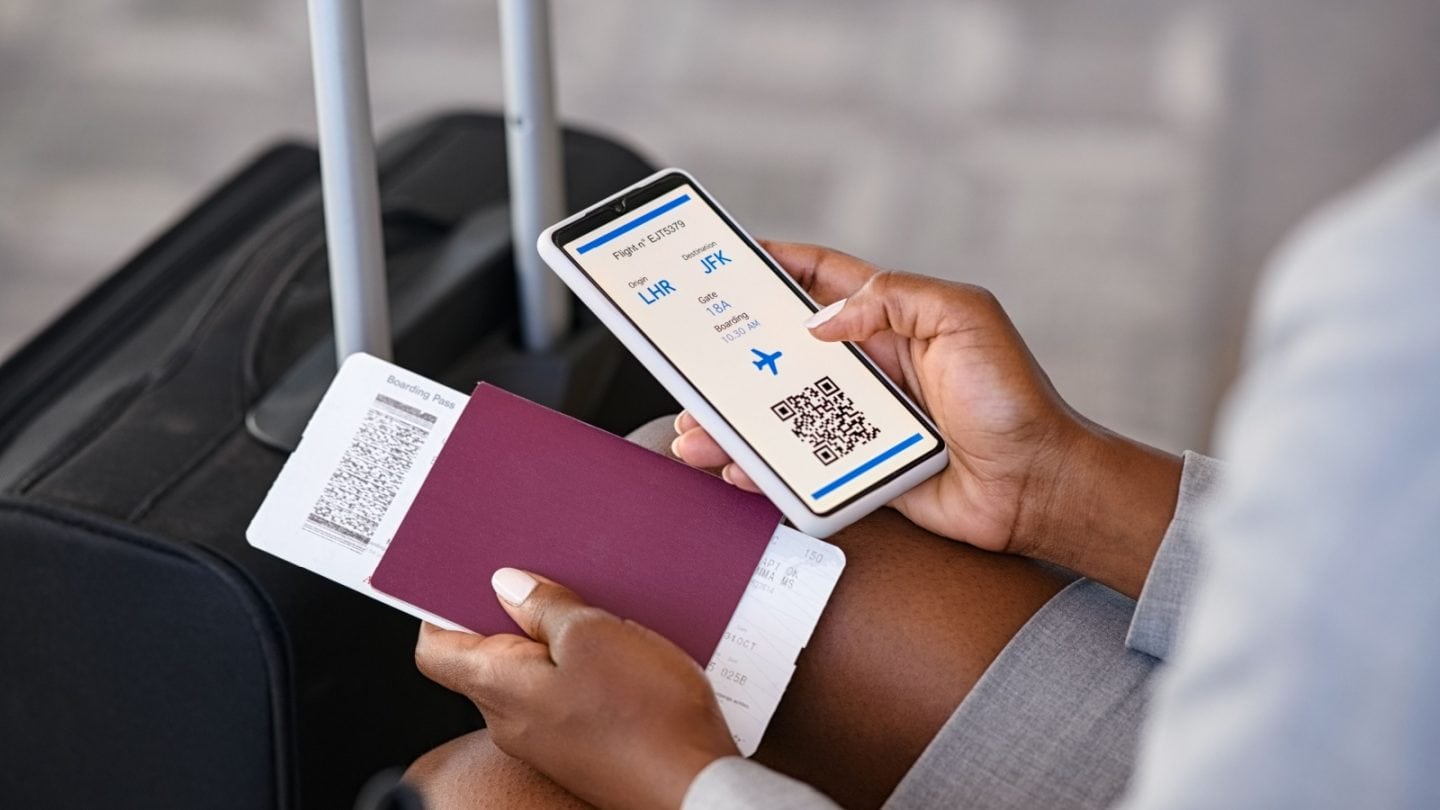
Purchasing a one-way ticket using cash is a red flag. It’s not a crime, but it’s often associated with illegal activity. Security wonders why someone would avoid using traceable payment or not plan a return trip.
Arriving Extremely Early Or Very Late

Getting to the airport too far in advance or rushing in at the last second can draw attention. Both behaviors suggest someone trying to avoid people or test security routines. Most travelers arrive in a predictable time window, and standing out from that can raise questions.
Not Knowing Details About Your Trip

Security might ask where you’re going, how long you’ll stay, or where you’re staying. If you don’t have clear answers, it can look like something’s off. Even if a friend booked your flight, be aware of your basic itinerary. Vague answers only make things more complicated.
Traveling With A Lot Of Electronics

Bringing several phones, laptops, or batteries, specially packed in odd ways, can get you flagged. TSA agents are trained to spot things that don’t match common travel patterns. Multiple devices may appear to be an attempt to hide something or test scanning systems.
Showing Aggression Or Arguing With Staff

Raising your voice, ignoring directions, or arguing with TSA agents is a quick way to receive extra screening. Security workers deal with a lot and are trained to watch for defiance or agitation. Even if something feels unfair, staying calm can save time.
Having An Unusual Travel History
Multiple international trips in a short period, visiting high-risk regions, or routes that don’t align with your passport stamp pattern can raise questions. Border agents look for patterns that match common travel purposes. When yours looks different, they might want to know more.
Carrying Large Amounts Of Cash
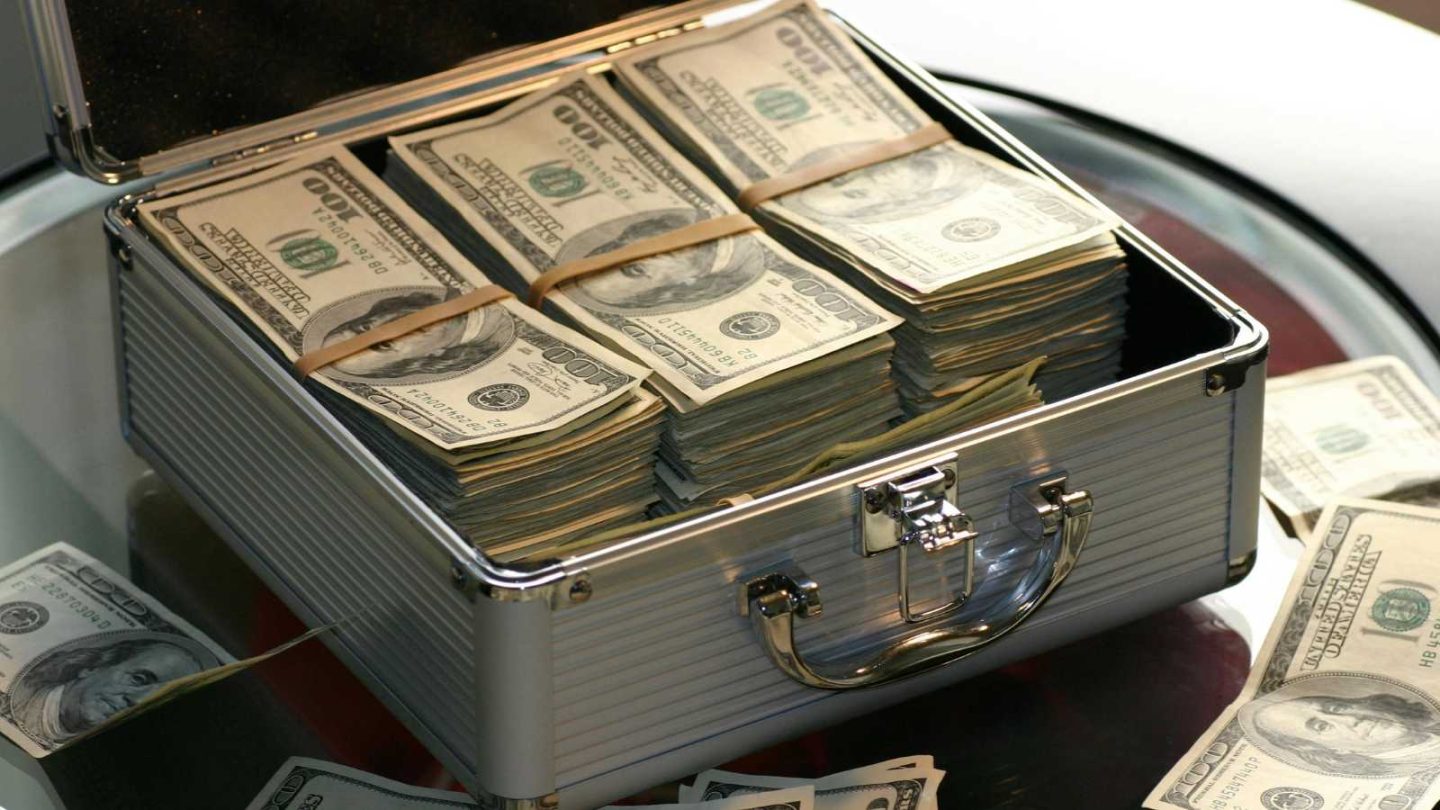
There’s no law against carrying cash, but large amounts, especially if undeclared, can make agents suspicious. It might look like you’re hiding income, planning an unreported purchase, or moving funds illegally. If you must carry cash, be ready to explain why.
Packing Strange Or Inconsistent Items

Bringing gear that doesn’t match your trip, like winter gear for a tropical location or tons of tools for no apparent reason, can seem odd. Security agents try to spot gear that might have another use than what’s claimed. Your bag should match your story.
Disclaimer: This list is solely the author’s opinion based on research and publicly available information.
You Might Also Like:

How To Stick To Your Holiday Budget and Avoid Debt: With the holiday season in full swing, many find themselves facing high expenses. The anticipation of gift-giving, coupled with the desire to create unforgettable moments, often leads to the common tradition of seasonal spending, with the average holiday budget reaching a considerable sum.


