
10 Reasons Why running Slowly May be Better for the Heart
Running slowly, often referred to as “slow jogging” or low-intensity steady-state (LISS) running, is gaining attention as a heart-healthy exercise. While high-intensity workouts are usually celebrated for their efficiency, slower running offers several unique benefits, particularly for cardiovascular health. Below are ten reasons why running slowly might be better for your heart.
Improved Cardiovascular Efficiency

Running slowly allows the Heart to work steadily without excessive strain. This helps to build and maintain cardiovascular endurance over time, promoting overall heart health.
Lower Risk of Overexertion

High-intensity running can significantly strain the Heart, especially for individuals with existing cardiovascular conditions. Slow running minimizes the risk of overexertion, making it safer for a broader range of people.
Enhanced Blood Circulation

A slower pace encourages steady blood flow, improving oxygen delivery to vital organs, including the Heart. This can enhance vascular function and reduce the risk of blood clots.
Reduced Risk of Arrhythmias
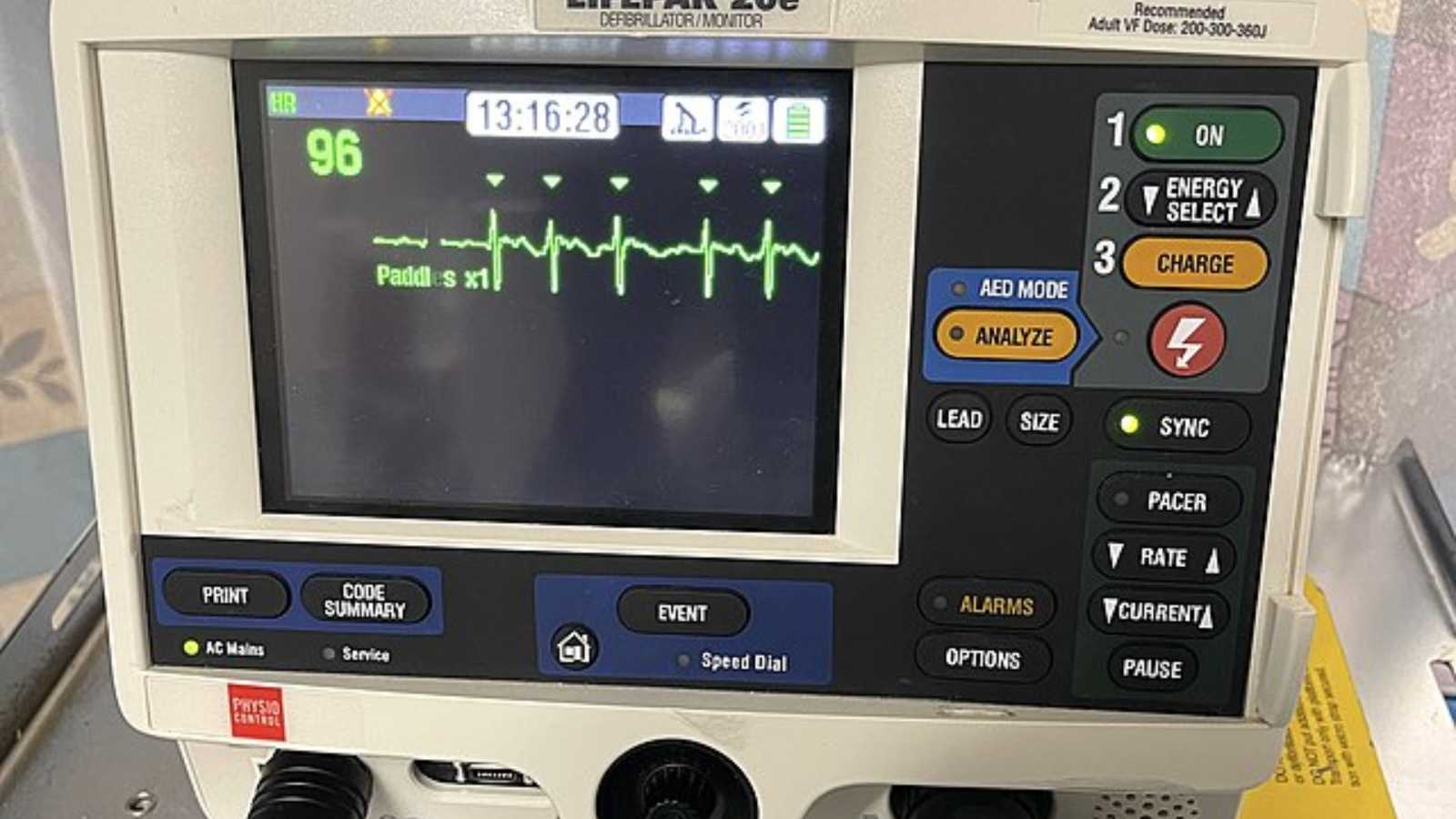
Intense running can sometimes lead to irregular heart rhythms, particularly in older adults. Slow running helps maintain a steady heart rate, reducing the likelihood of developing arrhythmias.
Lower Stress on the Heart

Excessive high-intensity exercise can sometimes lead to temporary or chronic cardiac stress. Running slowly provides the cardiovascular benefits of exercise without placing undue stress on the heart muscle.
Promotion of Fat Burning

Slow runs primarily rely on fat as an energy source, unlike high-intensity runs, which use glycogen. This fat-burning process enhances metabolic efficiency, indirectly benefiting cardiovascular health by improving cholesterol levels and reducing plaque buildup in arteries.
Sustained Exercise Duration

Slow runs primarily rely on fat as an energy source, unlike high-intensity runs, which use glycogen. This fat-burning process enhances metabolic efficiency, indirectly benefiting cardiovascular health by improving cholesterol levels and reducing plaque buildup in arteries.
Supports Heart Recovery

For experienced runners or athletes, slower-paced runs can serve as an effective form of active recovery. They aid the Heart in recovering from previous high-intensity workouts while still improving endurance.
Lower Blood Pressure

Regular slow running has been shown to help regulate and lower blood pressure over time, easing the Heart’s workload and reducing the risk of hypertension-related complications.
Accessible to All Fitness Levels

Slow running is inclusive and suitable for beginners, older adults, or individuals with limited cardiovascular capacity. By making exercise accessible, it encourages consistent physical activity, a crucial factor in long-term heart health.
Final Thoughts

While high-intensity running has its benefits, slow running offers a sustainable, heart-healthy alternative that many people can adopt. It allows you to reap the rewards of regular exercise while minimizing risks, making it an excellent choice for improving cardiovascular health. Always consult a healthcare professional before starting any new exercise regimen, especially if you have pre-existing heart conditions.
Disclaimer – This list is solely the author’s opinion based on research and publicly available information.
Read More:

Photo Credit: Shutterstock
- Ultimate Guide To Picking The Best Travel Credit Card
- The 5 Best Budget Airlines in the United States
- 15 Best Countrıes to Vısıt in Afrıca