10 Cities That Are Too Risky for First-Time Homebuyers
Buying your first home feels like a huge milestone. The idea of having your own space, decorating as you wish, and leaving rental life behind is exciting. Choosing the wrong city, though, can turn that dream into a long-term financial headache.
Many cities hide risks behind attractive features. Prices, job markets, environmental threats, and unstable economies can create traps for first-time buyers. Knowing which places to approach with caution can save you from regret and financial strain.
San Francisco, California

San Francisco offers stunning views and is home to thriving tech companies. Prices remain among the highest in the country, with even modest homes easily topping a million dollars. Property taxes and insurance can add up quickly. Earthquake risks add another layer of uncertainty. A tech slowdown could leave recent buyers with homes worth far less than they paid.
Miami, Florida

Miami delivers beaches and nightlife that attract many. Flooding from rising sea levels threatens multiple neighborhoods. Hurricanes have driven insurance premiums sky-high. Investors often dominate the market, pushing prices higher. Behind the sunshine, serious long-term concerns wait.
Las Vegas, Nevada

Las Vegas depends heavily on tourism and entertainment. Economic downturns can hit hard, as seen in the 2008 crash when home values plummeted. Water scarcity in the desert remains a growing issue. First-time buyers face both financial and environmental pressures.
New Orleans, Louisiana
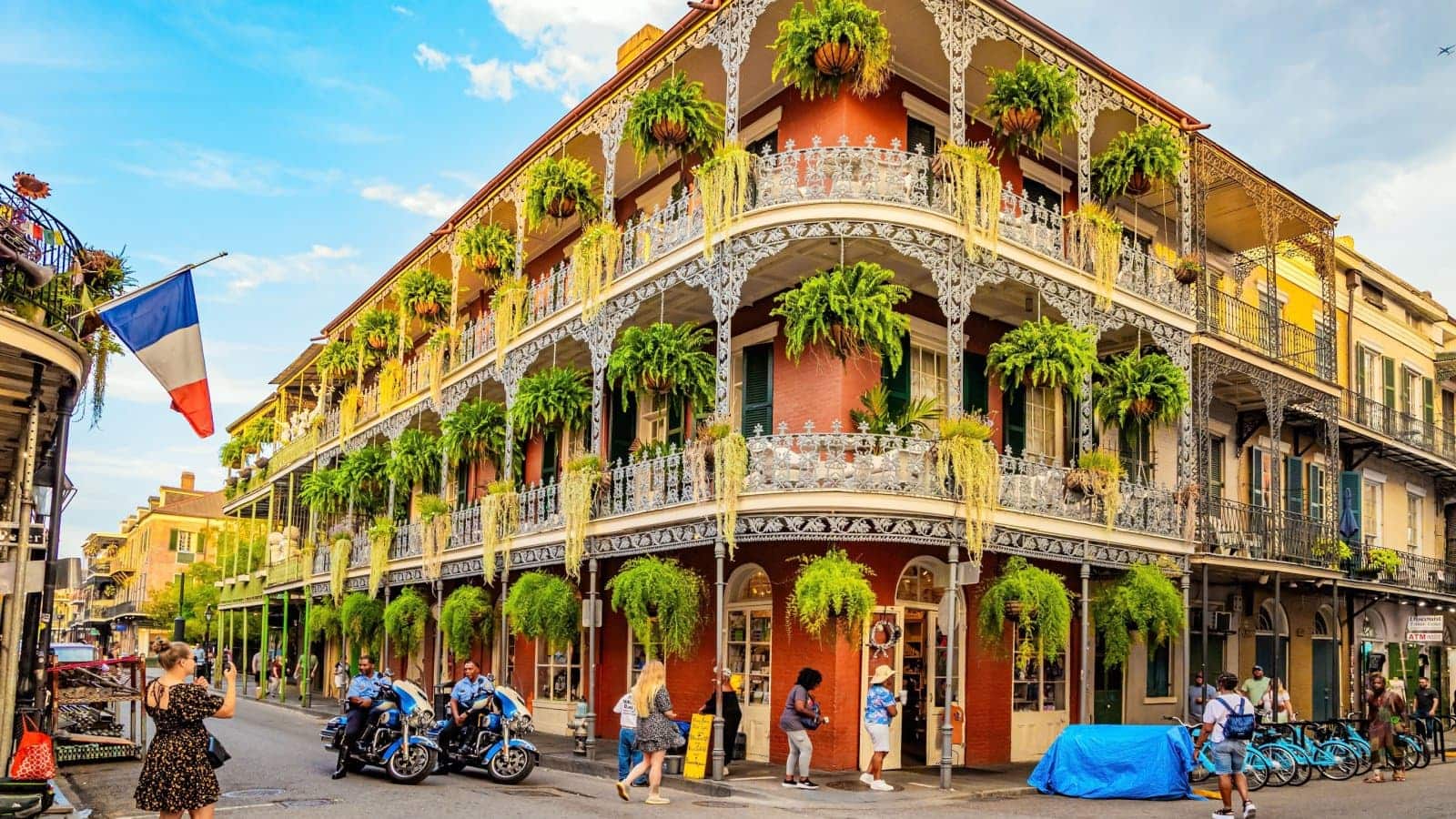
New Orleans is renowned for its rich culture and history. Flood risks stay high despite upgrades after Hurricane Katrina. Flood insurance becomes expensive quickly. The job market offers fewer opportunities compared to larger cities. Buyers face a mix of safety risks and money challenges.
Detroit, Michigan

Detroit has worked to recover in recent years. Some neighborhoods still deal with crime and weak public services. Home prices can rise and fall sharply. The U.S. auto industry plays a major role in job stability. Lower-priced homes could lose value if the economy weakens again.
Honolulu, Hawaii

Honolulu delivers beautiful ocean views and warm weather. Limited land supply drives prices up sharply. Importing nearly everything raises living costs. Tourism fuels a significant portion of the economy, making it particularly vulnerable during global crises. Coastal properties face increasing risks from climate change.
Phoenix, Arizona

Phoenix offers space and sunshine but faces intense heat and water shortages. Record-breaking temperatures stress infrastructure and raise living expenses. Water restrictions may affect some neighborhoods. First-time buyers should consider these issues before making a purchase.
Seattle, Washington
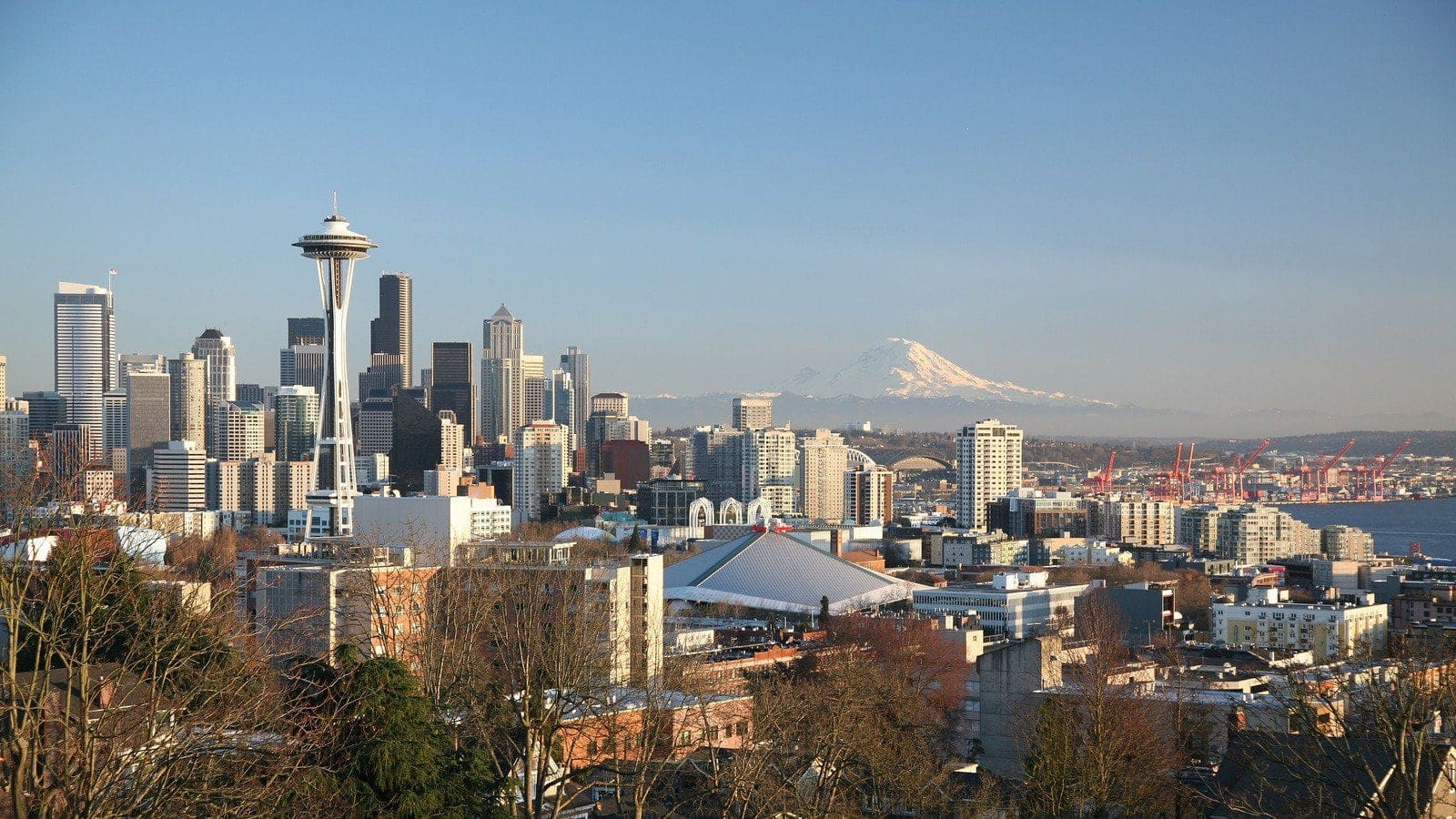
Seattle’s tech industry has driven prices higher each year. Bidding wars make it hard for first-time buyers to compete. Earthquake risks and rising living costs add pressure. A slowdown in the tech sector could lead to a sharp decline in home values.
Houston, Texas
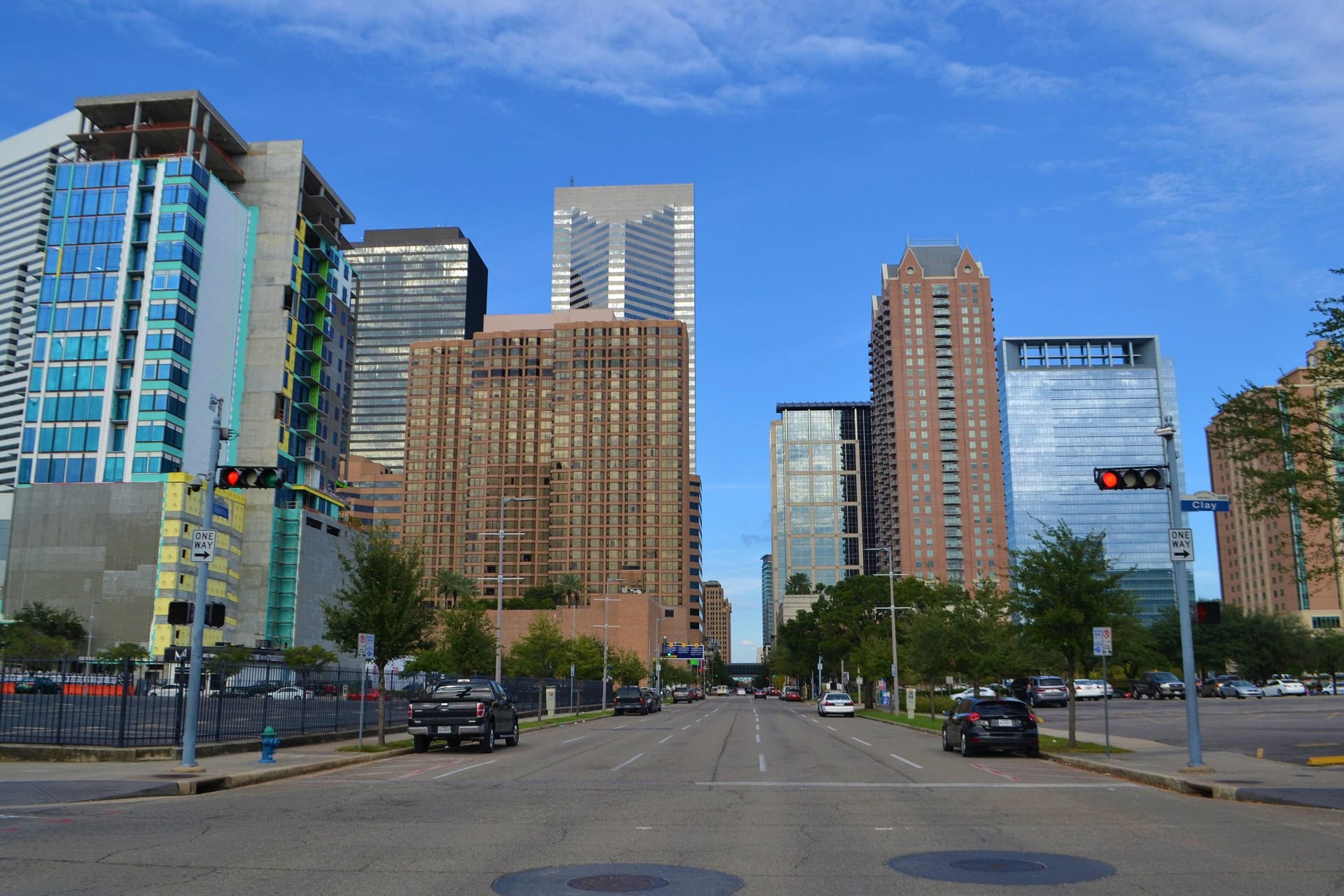
Houston boasts strong job markets in energy and healthcare. Heavy flooding remains a constant risk. Major storms, such as Hurricane Harvey, caused widespread damage. Flood insurance costs add another financial burden. Buyers must research flood zones carefully.
New York City, New York

New York offers unmatched career options. Housing prices remain steep, even for small apartments. Property taxes, maintenance fees, and complex co-op rules make buying a property difficult. Shifts like remote work have already affected certain parts of the market. First-time buyers face serious financial hurdles here.

Disclaimer: This list is solely the author’s opinion based on research and publicly available information.
Read More:

- Ultimate Guide To Picking The Best Travel Credit Card
- The 5 Best Budget Airlines in the United States
- 15 Best Countrıes to Vısıt in Afrıca
Disclaimer: This list is solely the author’s opinion based on research and publicly available information.


