10 Ancient Buildings That Still Stand After 1,000 Years
Ancient buildings carry stories etched in stone and timber. They have survived wars, weather, and shifting societies. These structures connect us to a distant past, demonstrating how people built with skill and purpose long before the advent of modern technology. Walking among them feels like stepping back in time.
Some of these buildings have stood for over a millennium, demonstrating that craftsmanship and materials can endure. They offer more than history. They inspire awe. Each one reflects its culture, beliefs, and the challenges faced by its builders. Let’s explore ten ancient buildings that have stood for over 1,000 years and discover what makes them so special.
Angkor Wat

Angkor Wat rises in Cambodia as a massive temple complex. Built in the early 12th century, it served as a Hindu and later Buddhist site. Its vast stone walls and detailed carvings depict ancient stories and gods. Despite centuries of jungle growth and conflict, it remains remarkably intact. Millions visit to marvel at its scale and artistry.
The Great Wall of China

Stretching thousands of miles, the Great Wall began construction over 2,000 years ago, with sections completed during the Ming dynasty. It was built to protect against invasions and to mark boundaries. While some parts have crumbled, large sections still stand strong. The wall reminds us of the enormous effort invested in defense and communication.
Hagia Sophia
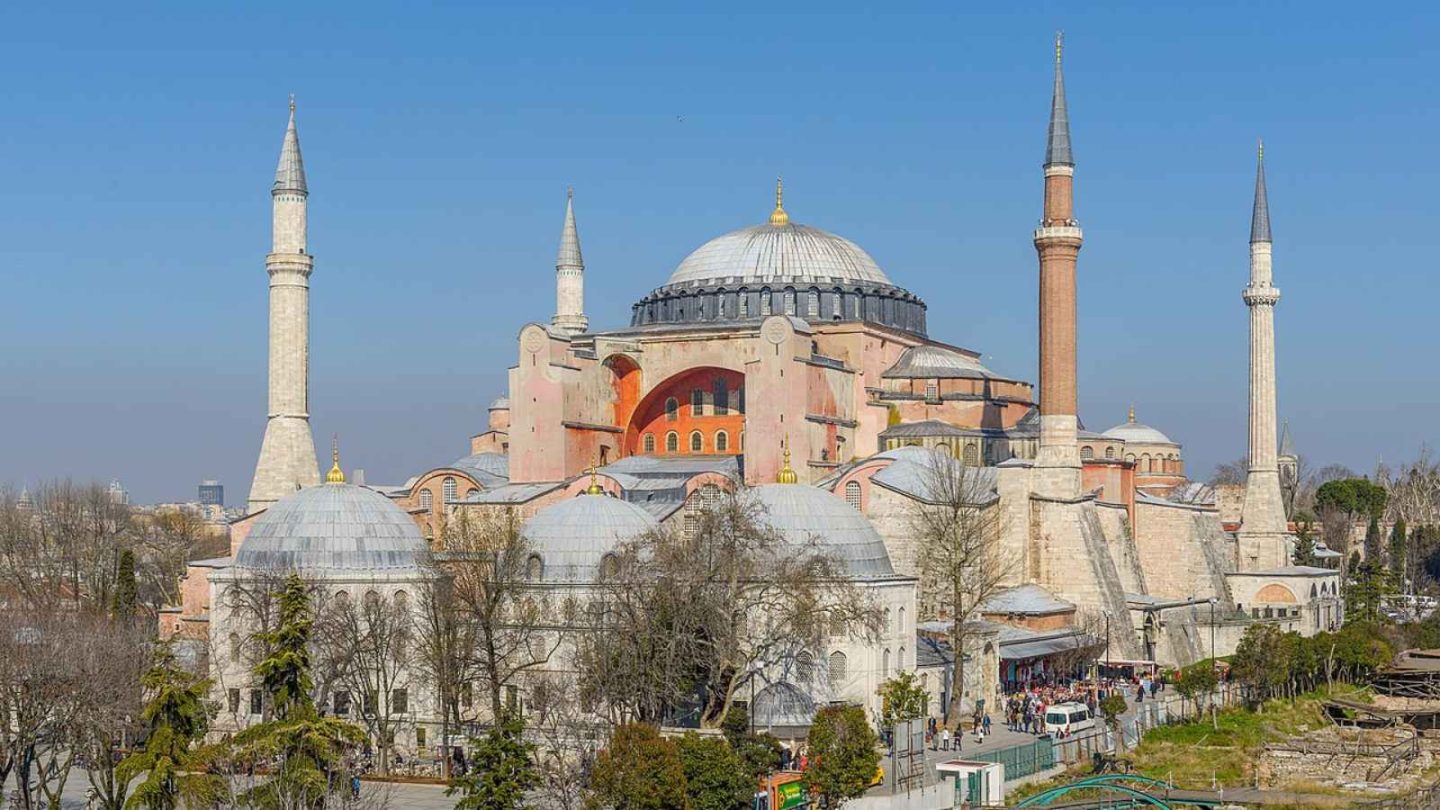
In Istanbul, Hagia Sophia was completed in 537 AD as a cathedral and later became a mosque. Its massive dome and ornate mosaics reflect a blend of Christian and Islamic art. This building has survived earthquakes, fires, and political shifts. It stands as a symbol of religious and architectural history.
Notre-Dame Cathedral
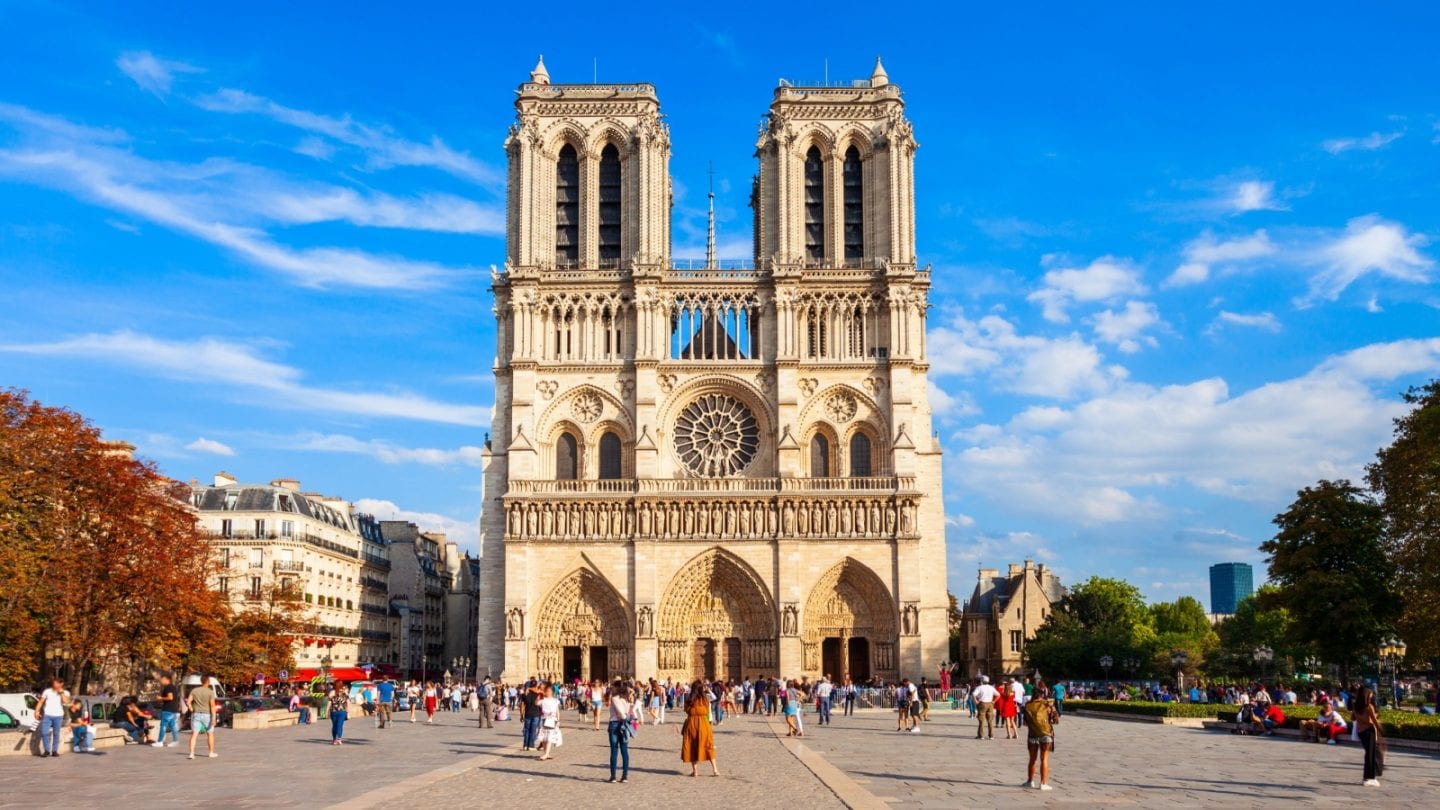
Paris’ Notre-Dame Cathedral began construction in the 12th century and took over 200 years to complete. Famous for its flying buttresses and stained glass windows, it showcases Gothic architecture. Following a fire in 2019, restoration efforts have been underway to preserve its ancient walls and artistic heritage for future generations.
Tower of London
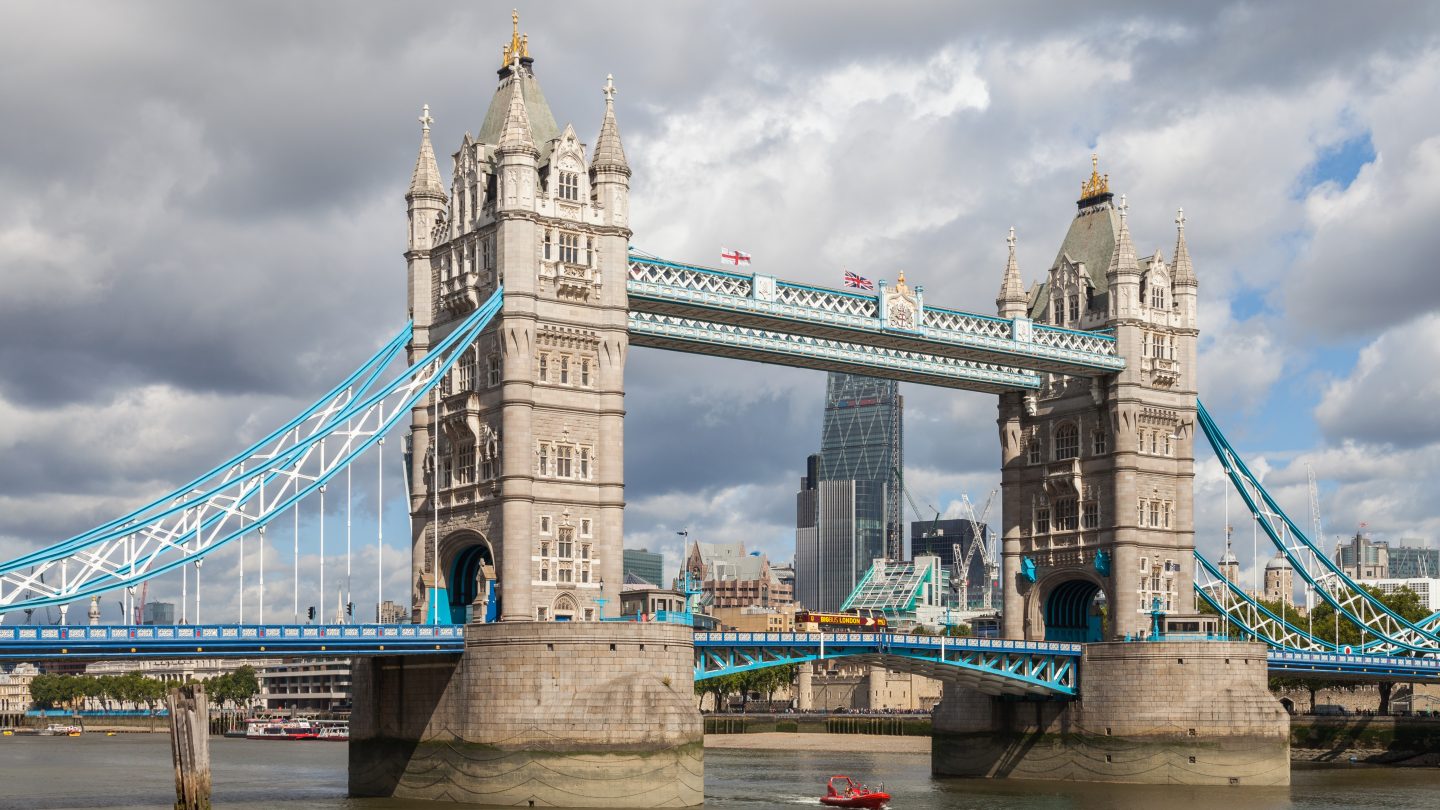
Built by William the Conqueror around 1078, the Tower of London has served as a fortress, a royal palace, and a prison. Its stone walls and towers have witnessed centuries of English history. Visitors today can still walk its grounds and imagine the lives of kings, queens, and prisoners who once lived there.
Colosseum

Rome’s Colosseum was completed in 80 AD and once hosted gladiator battles and public events. Though damaged by earthquakes and stone robbers, large portions remain. Its enduring structure reveals advanced Roman engineering and the cultural importance of public spectacles.
Borobudur Temple
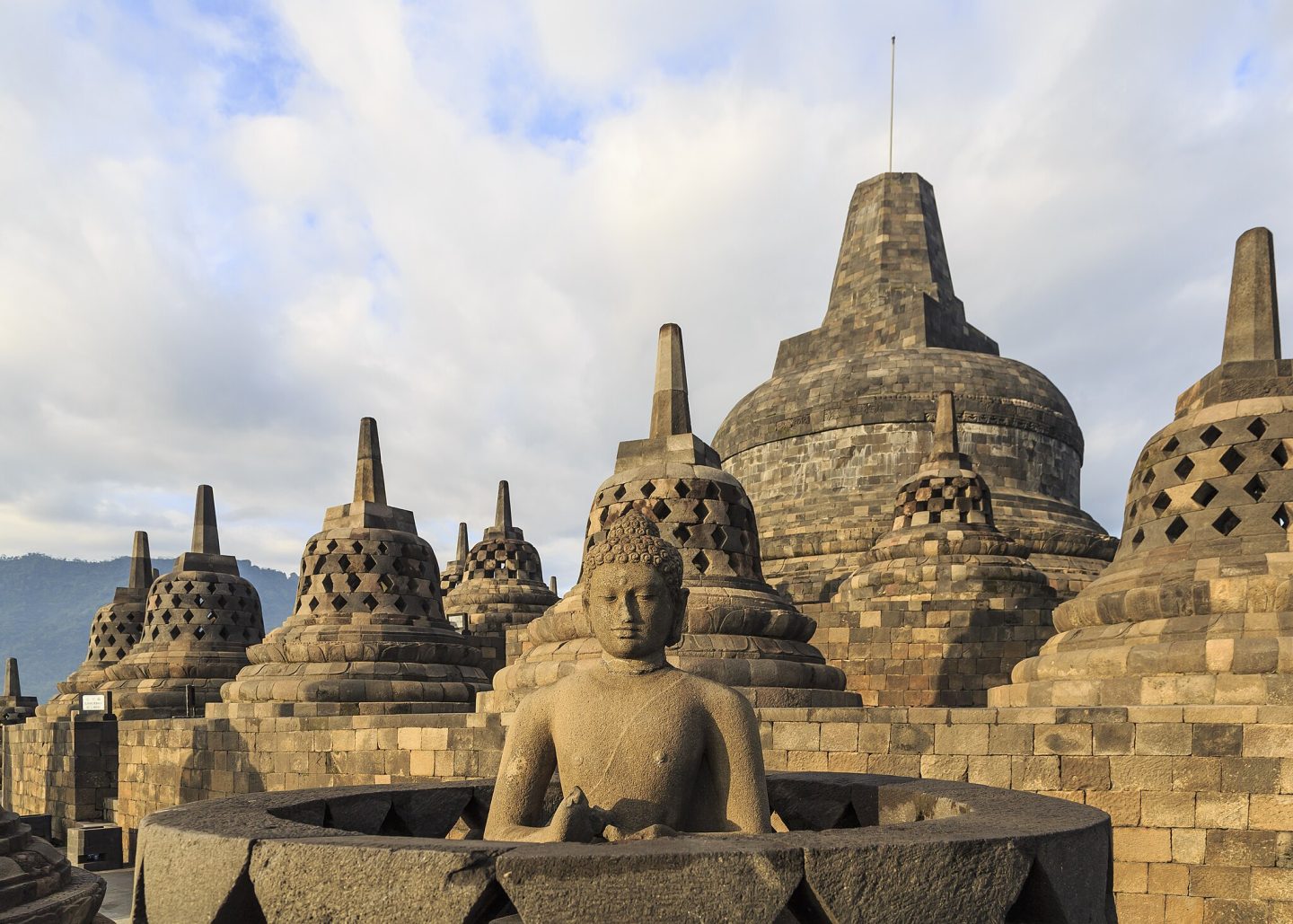
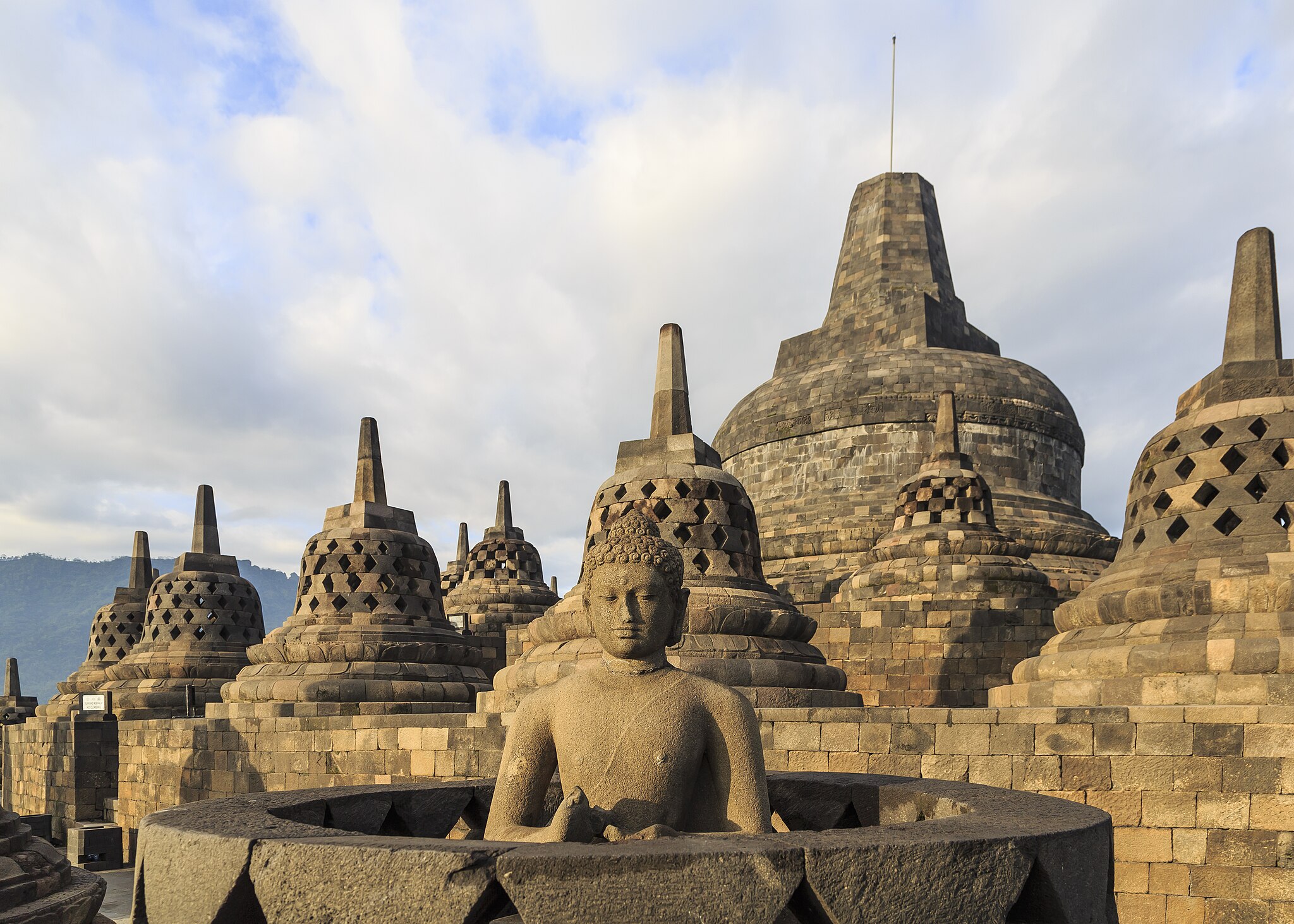
In Indonesia, Borobudur is a 9th-century Buddhist temple made of volcanic stone blocks. Its stepped design features hundreds of carved relief panels and Buddha statues. Buried under volcanic ash and jungle growth for centuries, it was rediscovered and restored. Now, it stands as a peaceful place for reflection.
Alhambra
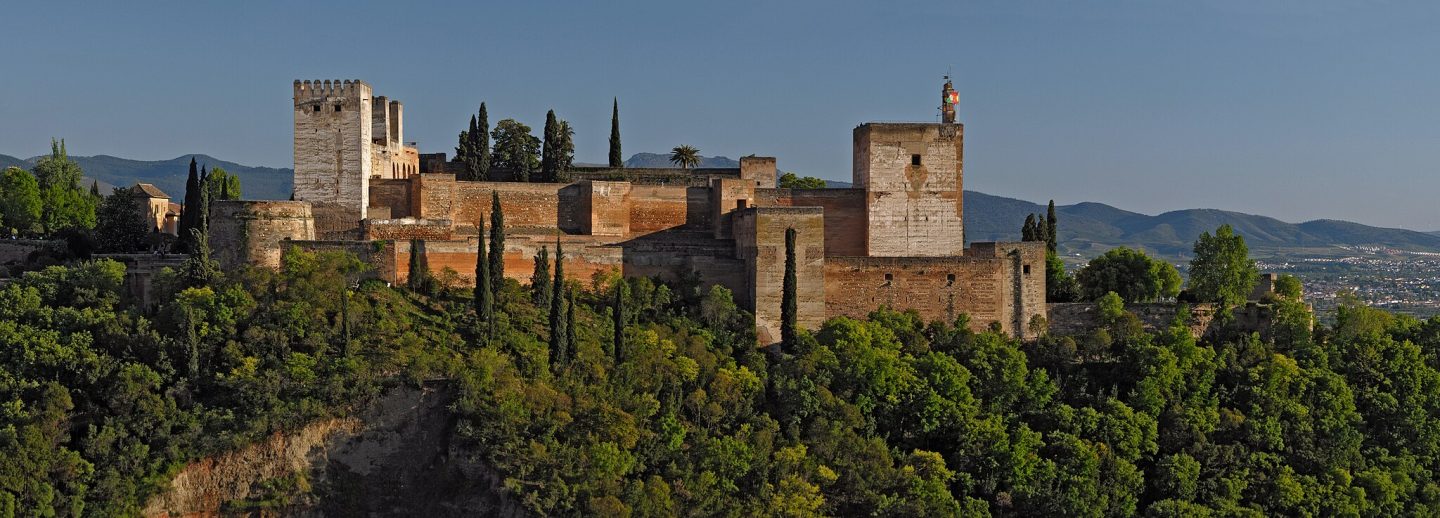
The Alhambra in Spain, built in the 13th century, was a palace and fortress for Muslim rulers. Its intricate tile work, arches, and gardens display Moorish artistry. Despite wars and changes in ownership, it remains a jewel of medieval architecture and a popular tourist destination.
Chartres Cathedral
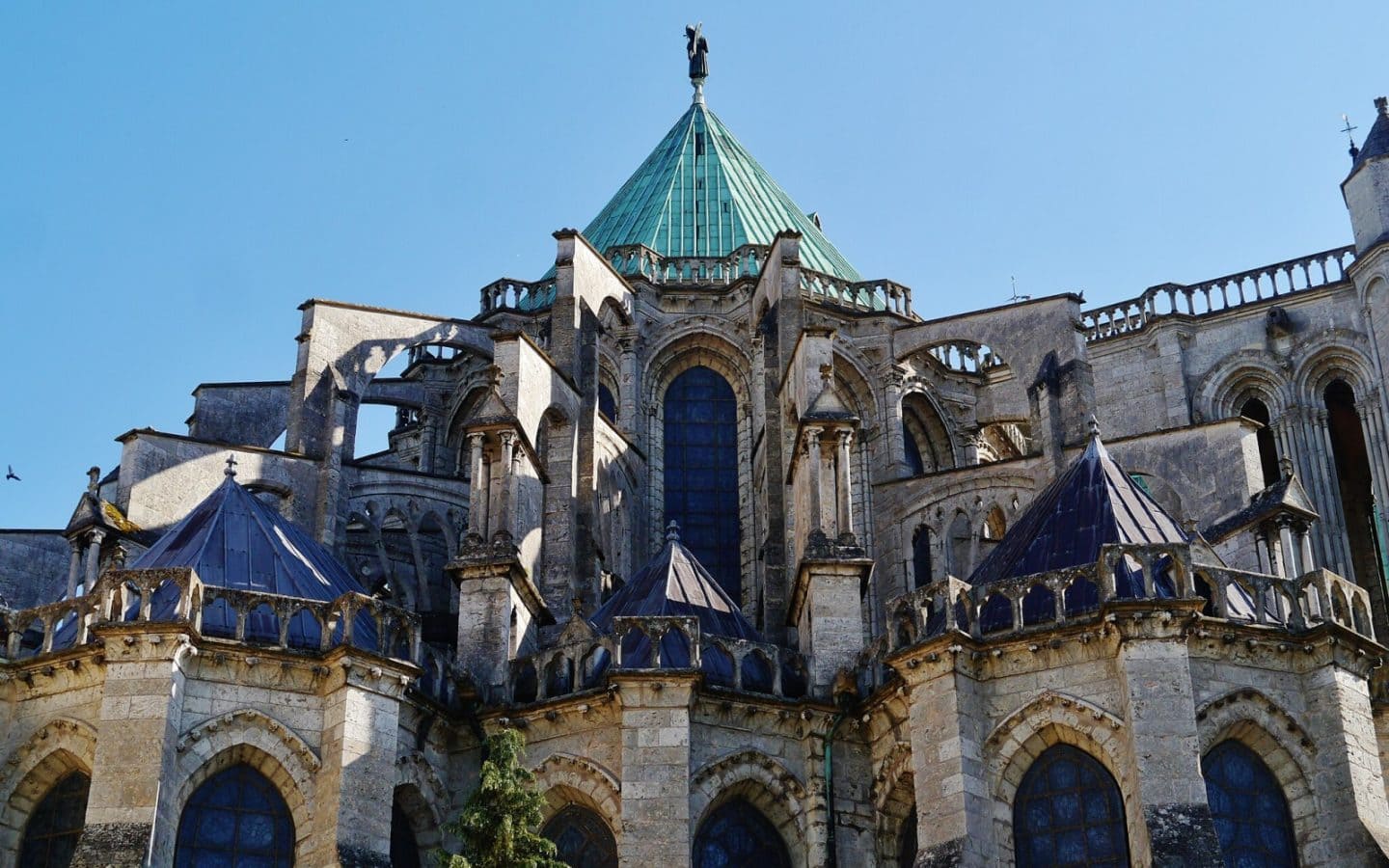
Located in France, the Chartres Cathedral dates back to the early 12th century. Known for its soaring spires and impressive stained glass, it represents the Gothic style at its height. Its walls have seen centuries of worship and community life. Much of its original charm and spiritual atmosphere remain.
Machu Picchu

Perched high in the Andes, Machu Picchu was built in the 15th century by the Incas. This mountain city survived the Spanish conquest and the tests of nature. Its stone terraces, temples, and pathways remain remarkably preserved. It offers a glimpse into Incan ingenuity and connection with the landscape.
Disclaimer: This list is solely the author’s opinion based on research and publicly available information.
Read More:

- Ultimate Guide To Picking The Best Travel Credit Card
- The 5 Best Budget Airlines in the United States
- 15 Best Countrıes to Vısıt in Afrıca
Disclaimer: This list is solely the author’s opinion based on research and publicly available information.