How To Pack For Backpacking Trips
Backpacking is exciting, but figuring out how to pack everything you need without overloading your bag can be overwhelming. Whether you’re heading into the mountains, exploring national parks, or taking on an international trek, smart packing makes all the difference. The key is knowing how to pack for backpacking in a way that saves space, keeps your gear accessible, and makes carrying your bag feel easier.
Roll, Don’t Fold
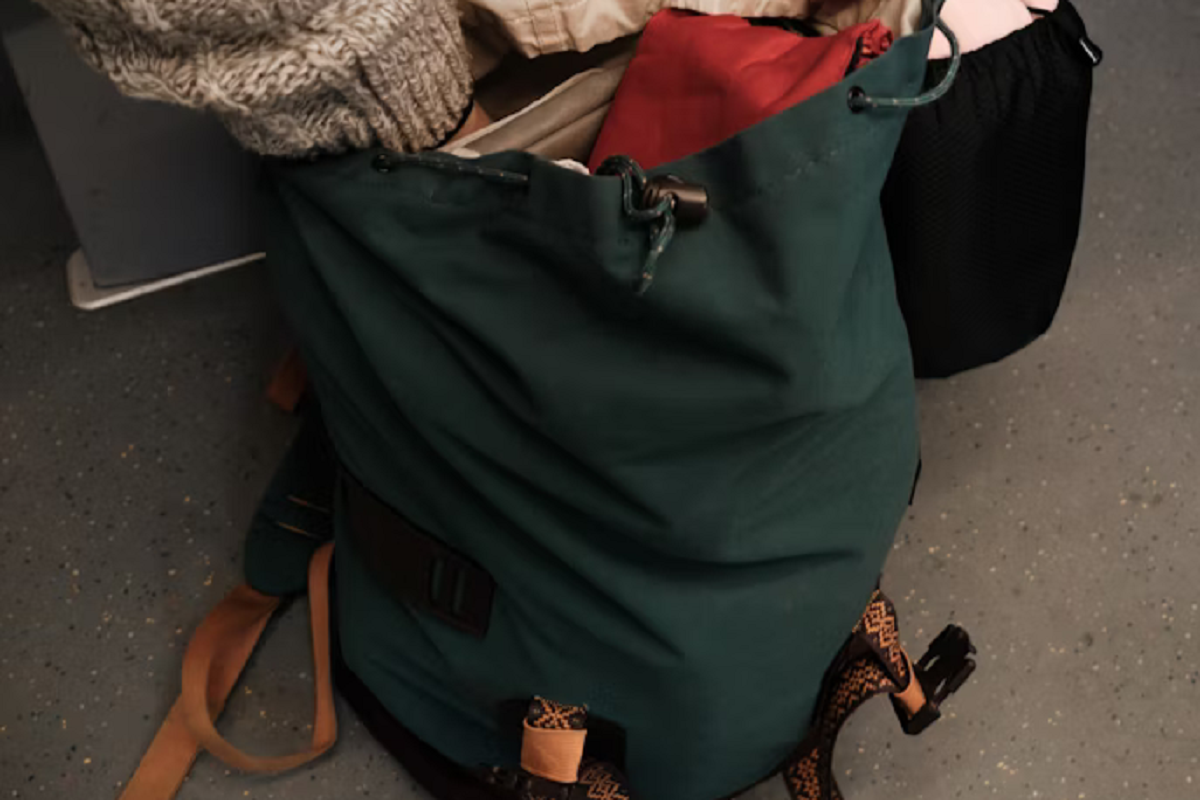
Rolling clothes instead of folding them is one of the simplest ways to save space and keep wrinkles to a minimum. When learning how to pack for backpacking, tightly rolled items slide neatly into every corner of your backpack. This method also makes it easier to spot what you need without digging through a messy pile of clothing.
Use Packing Cubes

Packing cubes are like mini-drawers for your backpack, making organization a breeze and reducing wasted space. They’re essential when figuring out how to pack for backpacking because they separate clothes, gear, and toiletries into easy-to-grab sections. Plus, they compress items, so you can fit more while still keeping your bag tidy.
Prioritize Multi-Use Clothing

Choosing versatile clothing means fewer items to carry and more outfit combinations for different conditions. A lightweight jacket that works as both a windbreaker and a rain layer is a prime example of how to pack for backpacking smartly. Every piece should earn its spot by serving multiple purposes to keep your load light.
Master the Layering Technique

Packing layers instead of heavy single items helps you adjust to changing temperatures without overstuffing your bag. A base layer, mid-layer, and outer shell work together and show why mastering how to pack for backpacking efficiently is a game-changer. This approach keeps you prepared without the bulk of unnecessary extras.
Pack Heavy Items Close to Your Back

Placing heavy items like food packs, water, or cooking gear near the middle of your backpack keeps weight balanced. This trick is essential when deciding how to pack for backpacking because it reduces strain and improves stability while walking. Poorly distributed weight makes even a short trek exhausting, so balance matters.
Related Post: 19 Best Beach Bag Ideas That Are Stylish And Practical
Use Compression Sacks for Bulky Gear
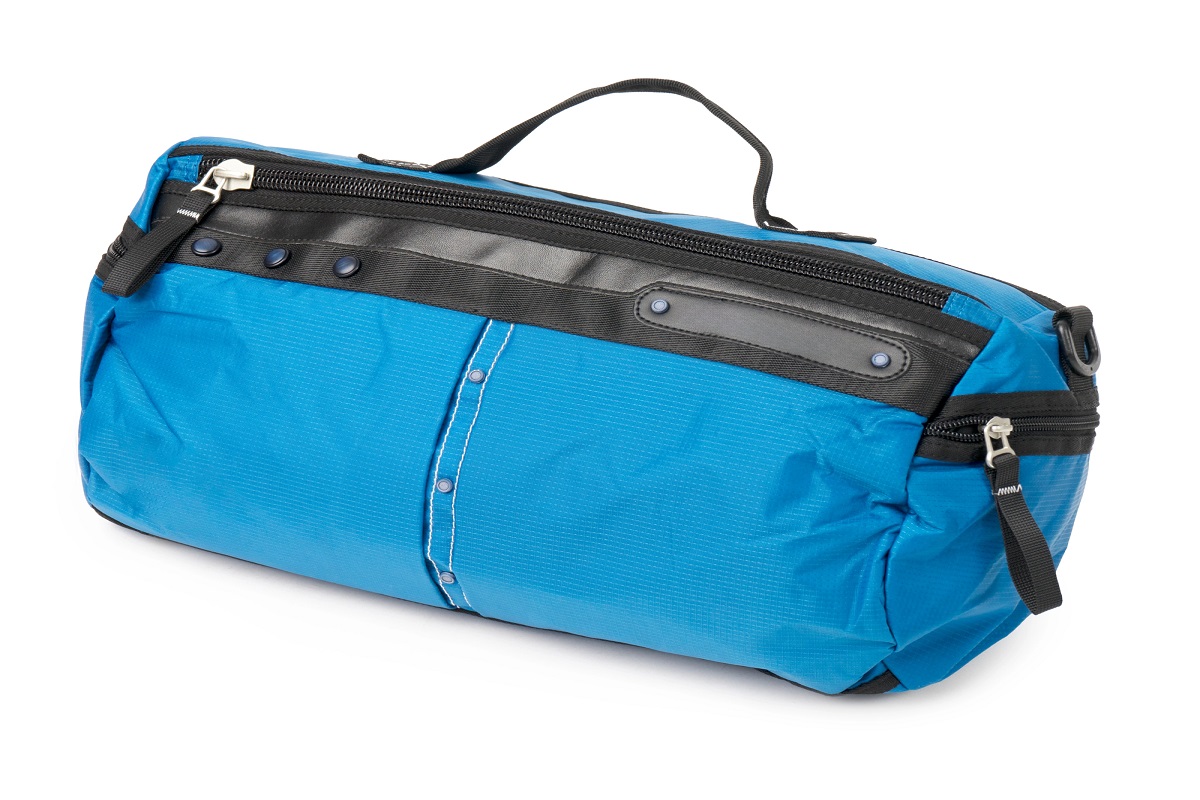
Sleeping bags and puffy jackets can take up way too much space if not packed properly. Compression sacks are a lifesaver when learning how to pack for backpacking because they shrink bulky gear down significantly. They’re lightweight, easy to use, and free up room for other essentials in your bag.
Related Post: 20 Best Hotels Around The World Worth Booking
Limit Shoes to Two Pairs
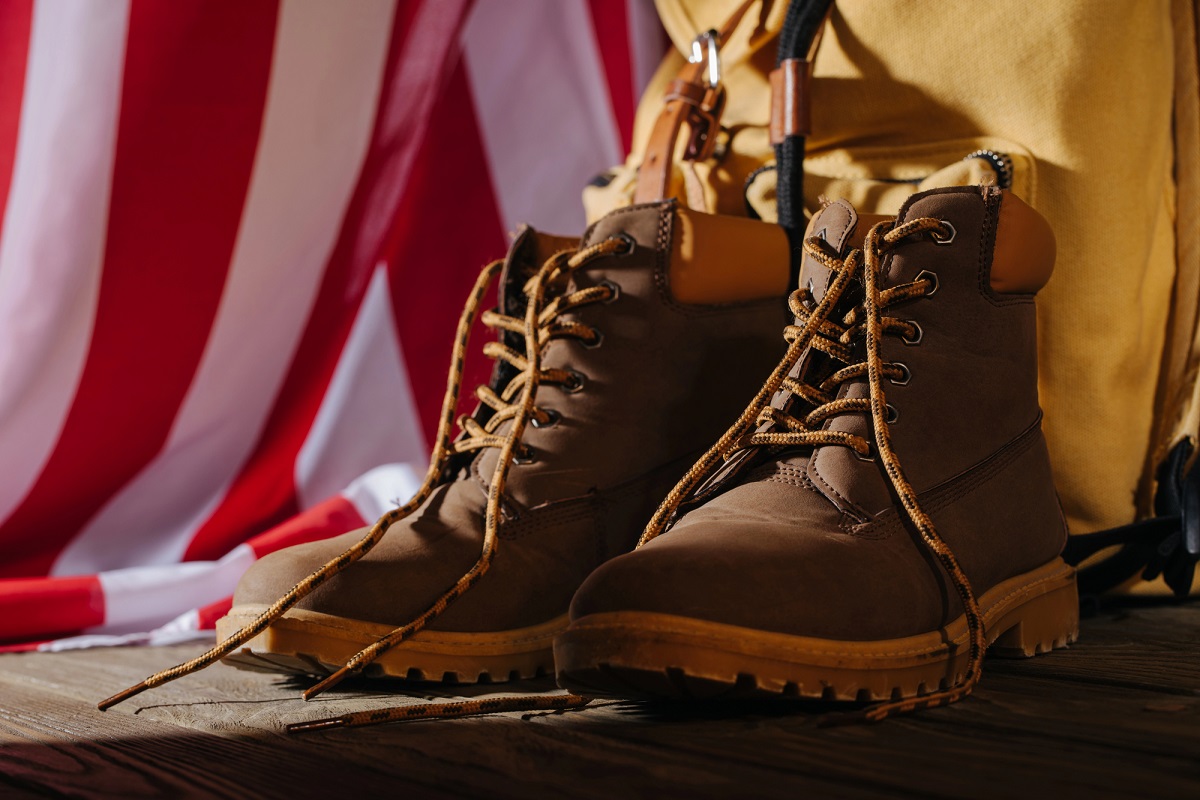
Shoes are heavy and bulky, so bringing more than two pairs is unnecessary unless you’re on a very specific trip. The golden rule of how to pack for backpacking is to carry one sturdy hiking pair and one lightweight camp shoe or sandal. This keeps your feet happy while minimizing extra weight.
Store Liquids in Leak-Proof Containers

Toiletries can be a nightmare if they spill all over your gear during your trip. A smart step in how to pack for backpacking is transferring liquids into travel-size, leak-proof bottles and sealing them in a zip bag. This way, your clothes stay clean, and you avoid messy mid-trail surprises.
Related Post: 16 Best Travel Clothes That Look Chic Anywhere
Keep Snacks and Water Accessible

Backpacking requires energy, so having easy access to food and hydration is non-negotiable. One of the best lessons in how to pack for backpacking is to keep snacks in side pockets and a hydration bladder or bottle within reach. This ensures you can refuel without unpacking your entire load.
Related Post: 17 Best Backpacks Perfect For Every Trip
Use the “Bundle” Method for Wrinkle-Free Clothing

The bundle method involves wrapping smaller clothing items around a central core, usually your socks or underwear. It’s an overlooked hack in how to pack for backpacking that reduces wrinkles and maximizes space efficiency. Plus, it creates a neat, compact bundle that slides easily into your pack.
Don’t Overpack Toiletries

When you’re learning how to pack for backpacking, it’s easy to bring too many toiletries “just in case.” Stick to travel-size basics like biodegradable soap, toothbrush, toothpaste, and sunscreen, and leave the rest at home. Every extra ounce adds up quickly when carrying everything on your back.
Related Post: 16 Best Carry On Luggage Pieces for Stress-Free Travel
Keep Essentials in the Top Pocket

Things like your map, headlamp, snacks, or rain cover should always be in the top pocket of your backpack. A key part of how to pack for backpacking is making sure your must-haves are accessible without digging through layers. This keeps you prepared for quick weather changes or unexpected needs.
Dry Bags for Electronics

Electronics like your phone, GPS, or camera need extra protection on the trail. A major trick in how to pack for backpacking is using lightweight dry bags to shield them from rain, spills, or accidental drops. They’re affordable, reliable, and keep your gear safe in unpredictable outdoor conditions.
Related Post: Best Carry On Bag For Women: 15 Choices Travelers Love
Test Your Load Before Leaving

One of the smartest steps in how to pack for backpacking is testing your gear at home before hitting the trail. Put on your fully packed bag, walk around, and adjust straps or repack if something feels off. This prevents discomfort and ensures your trip starts smoothly instead of being stressful.
Stick to the Rule of Thirds

Divide your pack into bottom, middle, and top sections to organize efficiently and balance weight. A big principle of how to pack for backpacking is storing sleeping gear at the bottom, heavy gear in the middle, and quick-grabs on top. This keeps your bag functional while also making it easier to carry.
Don’t Forget Rain Protection

The weather can change fast, so rain gear is something you never want to skip. An important part of how to pack for backpacking is storing a rain cover or poncho in an easy-to-reach pocket. Even a lightweight trash bag liner inside your backpack works as backup protection.
Keep a Little Room for Souvenirs or Extras
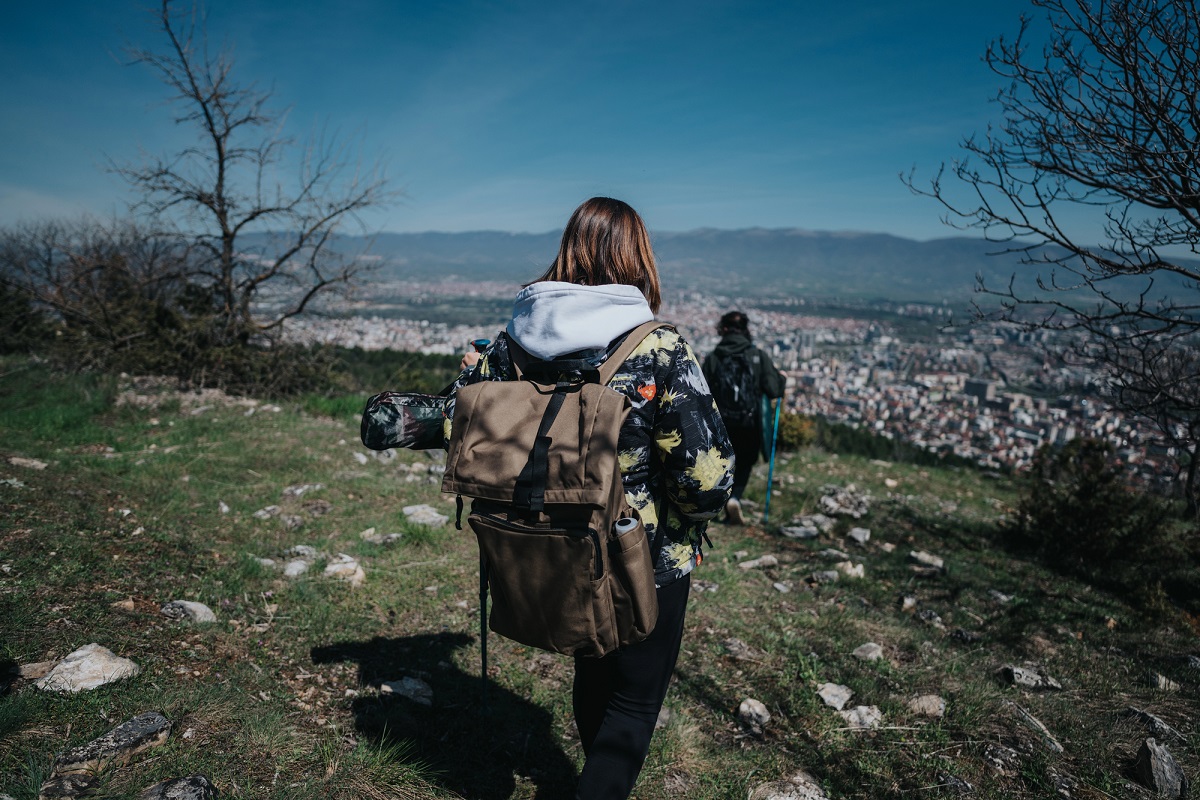
Leaving a small amount of space in your bag can make your trip smoother than you expect. The final hack in how to pack for backpacking is giving yourself wiggle room for snacks, a found keepsake, or an unexpected piece of gear. Having that flexibility helps you enjoy the journey without stressing over space.
Related Post: 20 Best Hotels Around The World Worth Booking
Backpacking isn’t just about carrying a bag—it’s about carrying it smartly. Once you know how to pack for backpacking with these tricks, you’ll notice how much lighter, more organized, and stress-free your trips feel. With every rolled shirt, balanced load, and smart gear choice, you’re setting yourself up for success.
Disclaimer: This list is solely the author’s opinion based on research and publicly available information.
17 Egypt Packing List Women Swear By For Stress Free Travel

Traveling to Egypt is an adventure filled with temples, deserts, and timeless wonders, but packing right can make the journey truly stress-free. The ultimate egypt packing list women swear by focuses on comfort, modesty, and style that work in every setting.
Read it here: 17 Egypt Packing List Women Swear By For Stress Free Travel
20 Overlanding Packing List Essentials For Your Next Trip

Overlanding is more than a road trip—it’s an adventure packed with freedom, discovery, and the thrill of the open road. Whether you’re tackling rugged trails, crossing deserts, or camping under star-filled skies, preparation is everything.
Read it here: 20 Overlanding Packing List Essentials For Your Next Trip
18 Overlanding Must Haves Every Explorer Needs

There’s nothing quite like the thrill of loading up your vehicle and heading into the unknown, with freedom and adventure at your fingertips. Overlanding is about more than just travel—it’s about self-reliance, exploration, and unforgettable moments off the beaten path.
Read it here: 18 Overlanding Must Haves Every Explorer Needs