12 Places Where You Can Trace the Story of Black Resilience and Culture
Black history in America is a story of survival, power, and creativity. These 12 places across the U.S. bring that story to life through old buildings, fierce protests, and cultural celebrations. They remind you how Black communities held on, fought back, and shaped culture in big ways.
Think of these visits like stepping into a living diary. They offer a glimpse into struggles and victories. They show how people built schools when none existed, built lives under Jim Crow, or took back public spaces through protest and art. These aren’t just tourist stops, they’re memory keepers.
Salem Chapel, St. Catharines, Ontario

A sanctuary on the Underground Railroad. African Americans who escaped slavery gathered here. Harriet Tubman, Frederick Douglass, and John Brown all found refuge in its walls. Descendant and historian Rochelle Bush leads tours through original architecture and artifacts. The site joined the U.S. National Underground Railroad Network to Freedom in 2023.
African Burial Ground National Monument, New York City

A remains site in lower Manhattan holding over 15,000 African and African American burials. Its rediscovery halted construction and sparked repatriation efforts. Archaeologists say these burial grounds “defy oppressive circumstances by reclaiming humanity through acts of remembrance”.
Cherry Lane Cemetery, Staten Island

Once paved over for a shopping plaza, it held more than 1,000 enslaved or free Black burials. Descendants and advocates now push for proper markers. That struggle highlights how often Black resting places are erased. Local groups organize memorial services and fundraisers, turning quiet resistance into visible remembrance.
Farmer Street Cemetery, Newnan, Georgia

A neglected site where Black residents were buried from slavery through the early 20th century. Community action protests city neglect of this site, especially compared to Confederate memorials nearby. New soil and fresh headstones have been placed in recent years. Visitors report a sense of restored dignity, a small victory born from collective effort.
Penn Center, St. Helena Island, South Carolina

Started in 1862 as a school for formerly enslaved African Americans. It became a hub for civil rights activism. UNESCO inducted it into its network of memory sites in 2024. Today, the center hosts art residencies, music events, and educational programs.
Charles H. Wright Museum of African American History, Detroit
One of the largest African American museums worldwide. It holds 35,000 artifacts, including Underground Railroad documents, Malcolm X letters, and the Tuskegee Airmen collection. Over 300,000 visited in 2019, showing public hunger for these stories.
National Civil Rights Museum, Memphis

Located at the Lorraine Motel, where Martin Luther King Jr. was assassinated. It is a landmark where civil rights history unfolds through exhibitions. Its rotating galleries dive into events from the Montgomery Bus Boycott to Black Lives Matter. Visitors often say the guided audio tour offers spine‑tingling moments.
Gadsden’s Wharf Site, Charleston
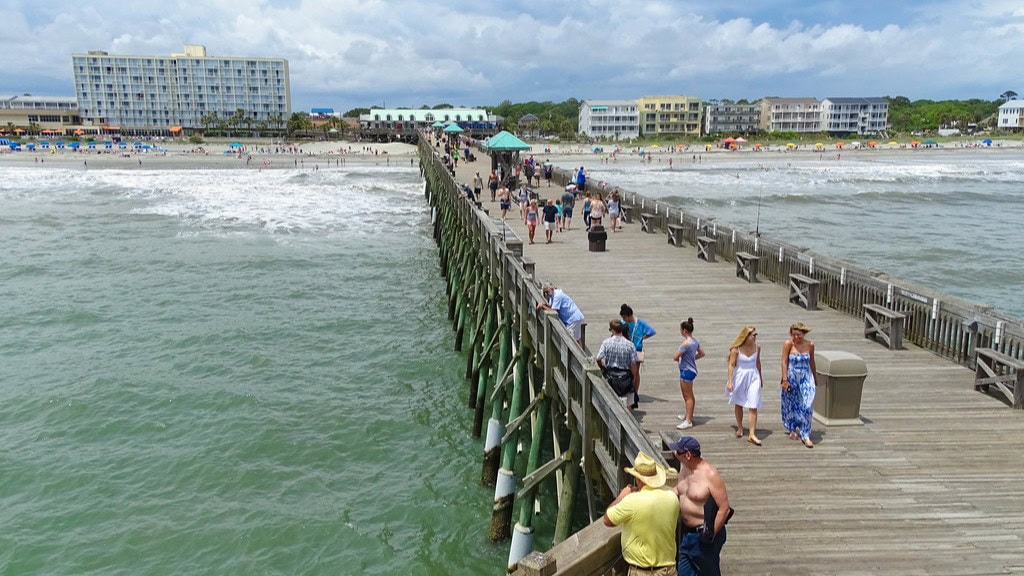
Future home of the International African American Museum. Built where over 100,000 enslaved Africans first arrived in America. Estimated cost $75 million. The museum aims to open in 2026, with galleries, research spaces, and coastline memorials.
Mount Vernon and Monticello, Virginia

These plantations have new interpretive spaces on slavery. Curators rewrote exhibits to present slave experiences honestly. Walk the fields and hear the voices of people once silenced. Tours now include labor quarters and records tied to actual individuals.
Harriet Tubman National Historical Park, Maryland
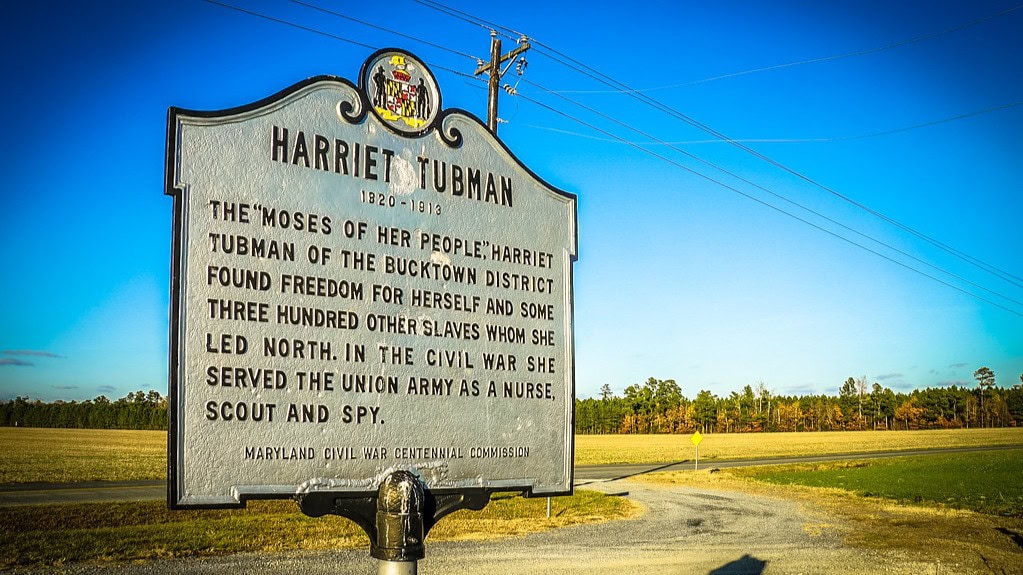
The Harriet Tubman National Historical Park commemorates the life of Harriet Tubman, who was born and enslaved nearby. The park drew 100,000 visitors in its first year, 25% more than projected, showing interest in Black heritage tourism.

Cape Coast Castle and Elmina Castle, Ghana

Cape Coast Castle and Elmina Castle are among 12 UNESCO World Heritage sites tied to the transatlantic slave trade. Ghana’s “Year of Return” in 2019 saw an 18 % rise in international arrivals, reaching 1.13 million.
Nelson Mandela Heritage Sites, South Africa

A group of 14 sites was added to the World Heritage List in 2024. Includes the Rivonia Trial location where Mandela delivered his famous “I Am Prepared to Die” speech.
Stone Circles of Senegambia, The Gambia and Senegal

Over 1,000 ancient stone circles mark sacred burial grounds. They date from the 3rd century BC to the 16th century AD, reflecting organized societies long before colonialism.
Disclaimer: This list is solely the author’s opinion based on research and publicly available information.
Read More:

- Ultimate Guide To Picking The Best Travel Credit Card
- The 5 Best Budget Airlines in the United States
- 15 Best Countrıes to Vısıt in Afrıca