16 Foods That Were Huge in the ’70s—But Have Vanished From Our Plates
In the 1970s, food wasn’t just sustenance—it was a vibrant expression of optimism, experimentation, and convenience. It was a time when convenience foods reigned supreme, gelatin molds were considered works of art, and “just add water” seemed to be the mantra of the kitchen.
The home cooks welcomed the canned goods and processed foods with open arms, and the advertisers were telling us that these concoctions were the wave of the future regarding dining. However, not every food trend of that groovy time has passed the time test.
Certain things that were served on dinner tables at the time have practically disappeared, and we only have pleasant (and occasionally confused) memories of them. Come along for a fun journey through the past as we countdown 17 foods from the ’70s that are nearly impossible to find on today’s menus!
Tang
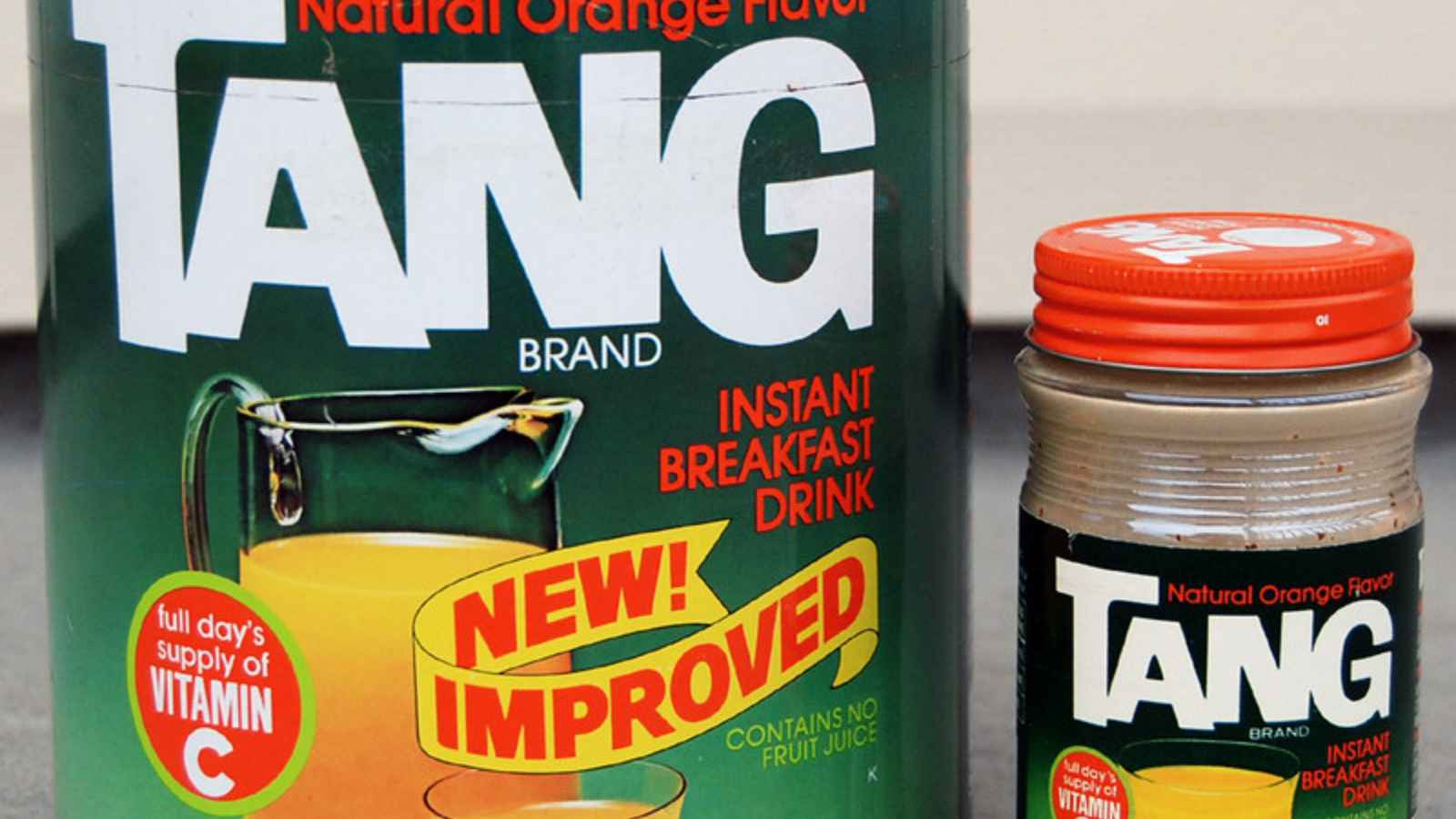
Tang was a champion’s breakfast drink (at least, that is what astronauts claimed). Tang was created in 1957 by food scientists working at General Foods and marketed as the drink of the space age when it became available to the general public in 1959 as a vitamin-enriched, instant breakfast beverage.
However, in the current trend of fresh-pressed juices and low-sugar diets, this powdered drink mix has lost its fizz. Nowadays, we juice in the name of cold-pressed juice more than we did that neon orange nostalgia.
Fondue

Nothing said ’70s dinner party quite like a bubbling fondue pot. Friends would come around to dip bread or vegetables in melted cheese or chocolate. It was interactive and warm.
However, the death of fondue was partially caused by the preparation efforts required and the popularization of entertaining alternatives that are less time-consuming. And communal pot? Sharing did not stand up well when personal hygiene became a more significant issue.
Quiche

Quiche became a refined brunch dish in the 1970s, adored for its rich crust and endless possibilities with fillings. Plus, it screamed “French chic.” Sadly, carb-conscious and keto diets have relegated quiche to our menus. Why bother with pie crust when you can forego the crust and serve it as a frittata instead?
Crepes
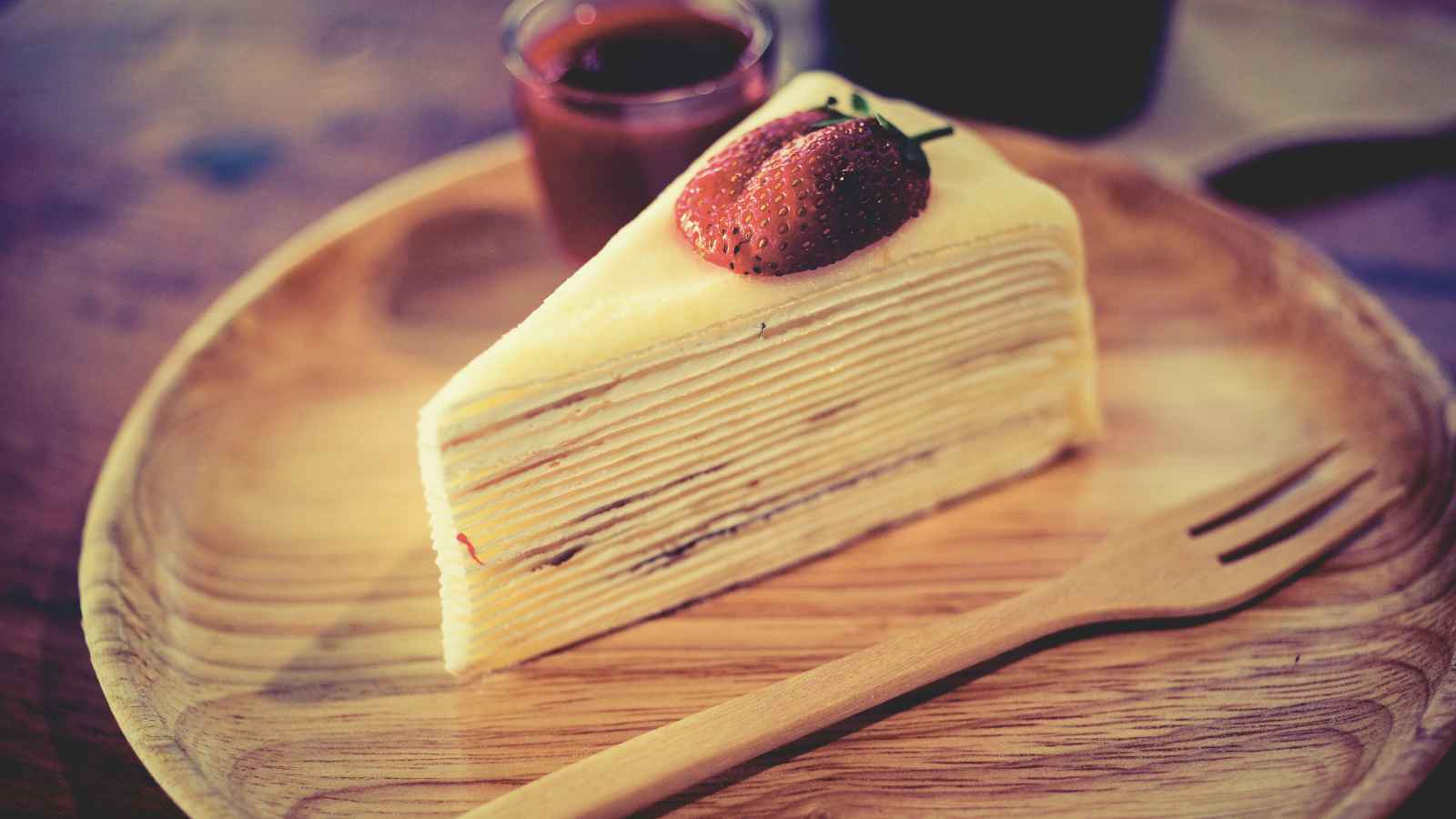
Crepes were considered the most prestigious breakfast or dessert. Cover them with Nutella or stuff them with savory, cheesy options and voilà! You were jazzy. The crepe craze began in the 1970s when Americans became more inclined towards foreign cuisine and were eager to discover new flavors and menus.
They were seen as foreign and refined, providing a connection to European cuisine and an escape from the meat-and-potatoes cuisine that prevailed in the United States.
Today, with the establishment of the casual cafe culture and take-and-go foods, the intricate art of crepe making has taken a back seat. Their hale and hearty cousin, pancakes, remain king.
Beef Stroganoff

Beef Stroganoff is a traditional Russian dish that has become an international sensation, particularly in the United States, where it gained popularity in the mid-20th century.
According to the Moscow Times, the dish is named after the noble Stroganov family, a powerful Russian dynasty. The dish traditionally features sautéed strips of beef in a rich sauce made with mustard and smetana (Russian sour cream). Though many American and international versions add onions and mushrooms.
Households were fond of its proteinaceous content and economic nature. Regrettably, its creamy sauce fell out of favor during periods of calorie counting. In addition, foodies were inclined to international flavors, and they preferred curries and stir-fries to such a rich meal.
Black Forest Cake

Black Forest Cake was a rich chocolate cake with layers filled with whipped cream and cherries, making it the centerpiece of the dessert. The ’70s loved grand, show-stopping cakes!
With today’s minimalist dessert trends (hello, single-layer cakes and cupcakes), this towering confection seems too elaborate for most homebakers.
Nevertheless, it remains a nostalgic favorite to those who lived in the past; this towering, cherry-topped confection is a delicious reminder of a time when big, bold, and beautiful cakes were in vogue.
Jell-O Molds

If the ’70s had an official dish, it would be Jell-O molds. Domestic cooks were especially proud of creating extravagant shapes of Jell-O, whether fruit-loaded lime or shrimp-flavored tomato (yes, really), there was nothing that these wobbly treats would not be made into.
“Jell-O is kind of associated nowadays in our culture with illness and frailty and vulnerability. So it certainly doesn’t have the fun associations that it did when I was growing up,” said Rachel Herz, a neuroscientist and the author of “Why You Eat What You Eat.”
TV Dinners
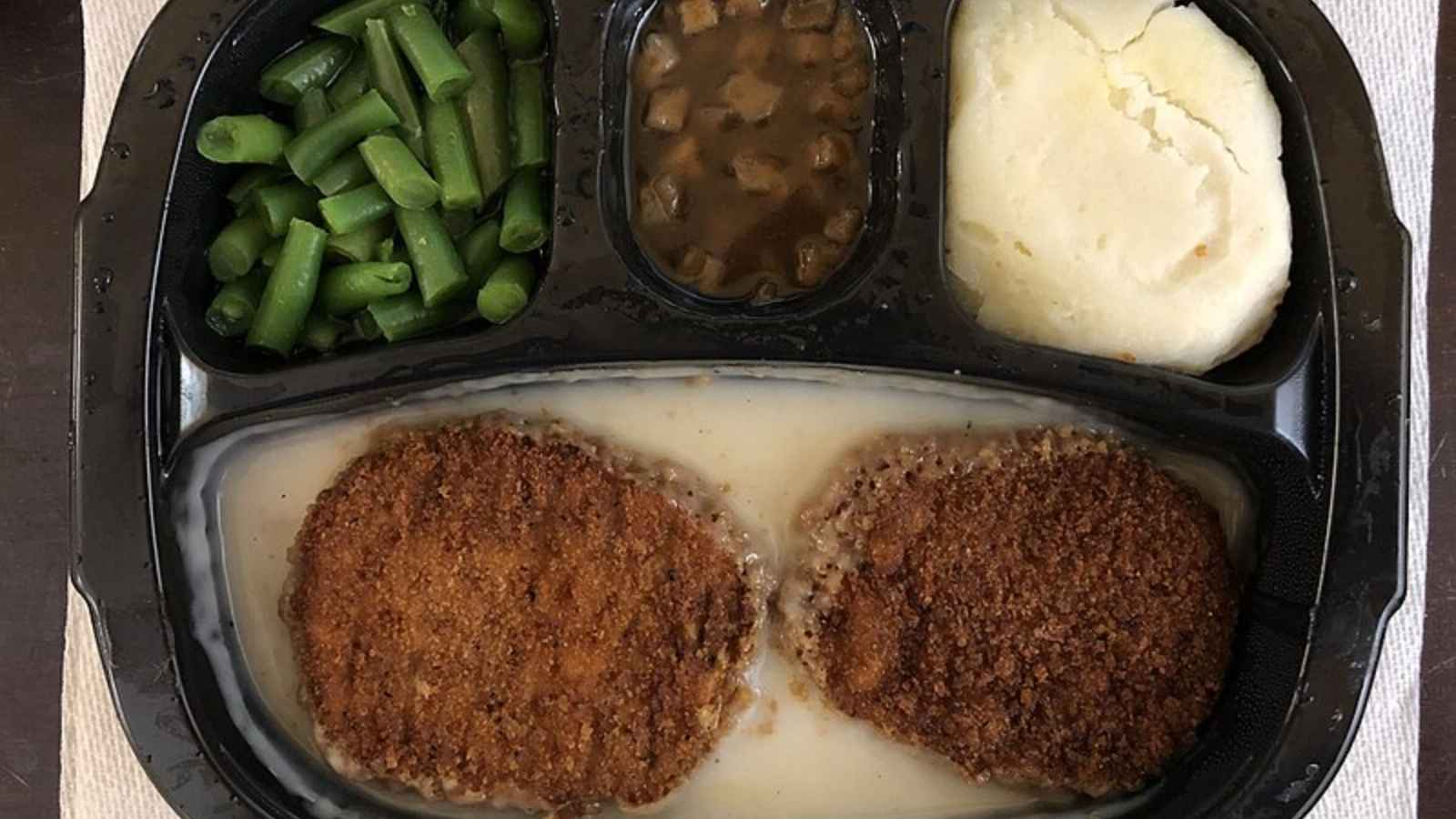
Microwaving revolutionized convenience in the 1970s, but the groundwork was laid much earlier with the launch of TV dinners in 1953 by C.A. Swanson and Sons, according to EBSCO. These individually frozen meals, featuring classics like Salisbury steak, became an instant favorite for weeknights.
With their fixed serving sizes and low cost, they became a particular favorite among dieters and singles, earning a niche in the history of cookery.
Today, many modern families are embracing healthier and fresher options, such as meal kits, allowing them to move on to greener pastures and gently leave those nostalgia-inducing trays behind.
Watergate Salad
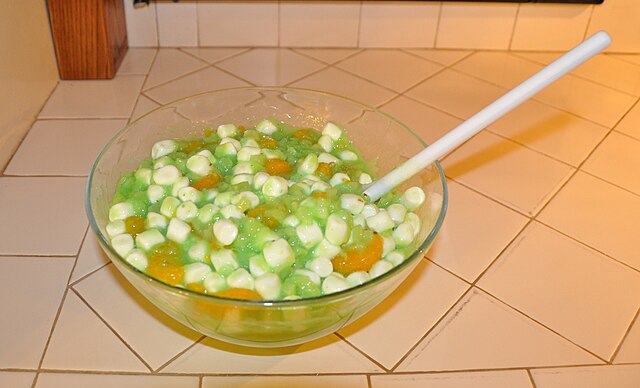
This fluffy, sweet Watergate Salad was a staple at American potlucks and family gatherings throughout the 1970s (and remains popular in the Midwest and South to this day).
Instant pistachio pudding mix, canned crushed pineapple (with juice), miniature marshmallows, chopped nuts (usually pecans), and whipped topping, such as Cool Whip, are its key components.
It’s worth noting that, despite its name, Watergate Salad has no direct connection to the Watergate Hotel or the infamous political scandal of the early 1970s. What was once a classic is now lost in the sands of time, recalled as a quirky footnote in the history of cookery rather than a contemporary delight.
Granola Bars

In the 1970s, granola bars reigned as the quintessential on-the-go snack, packed with wholesome oats, sweet honey, and crunchy nuts—the health-ish indulgence at its finest. Initially sold as a health food, granola bars have since been modified to be more decadent, with added sugar, chocolate, and other sweeteners.
This change prompted a backlash from health-conscious consumers, who pointed out that numerous granola bars were not significantly healthier than candy bars. Modern bars have evolved with protein-packed, low-carb versions, leaving the crumbly, sugary ’70s originals feeling outdated.
Bagels
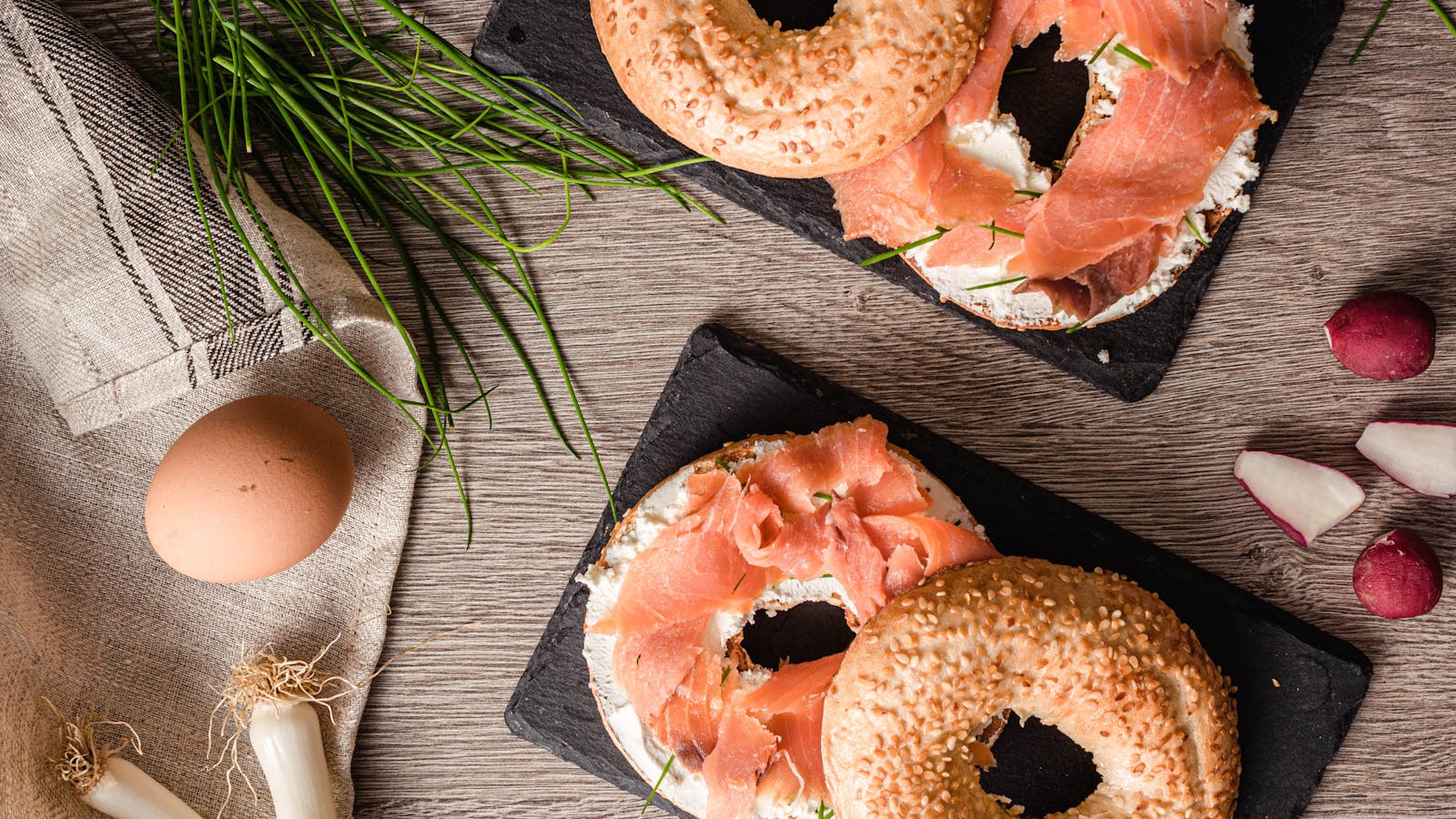
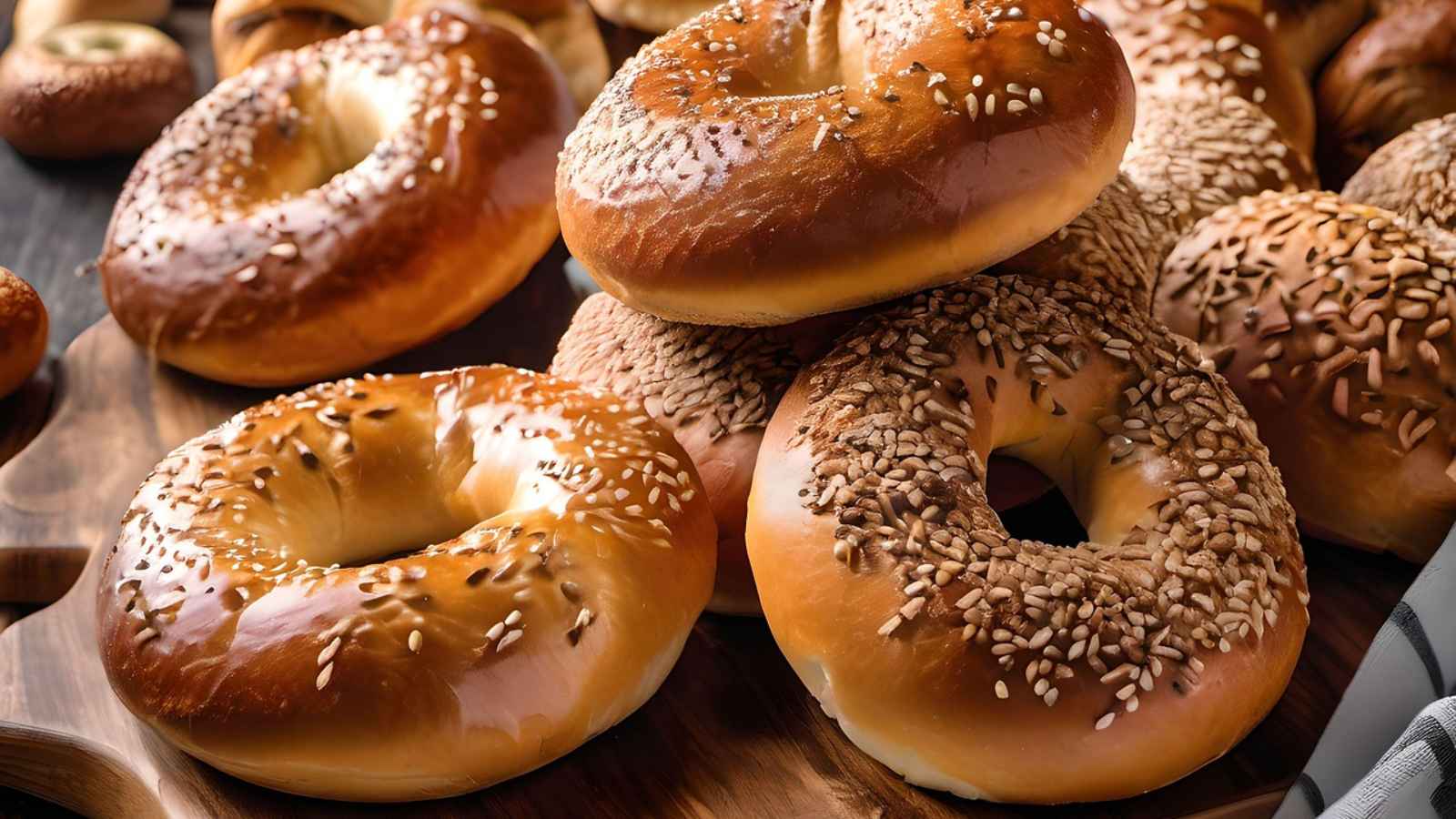
Bagels are bread in the shape of a ring with a dense and chewy center and a glossy, crisp crust, made possible by an exceptional Boiling and then baking process.
According to a report by the Jewish Community Alliance of Southern Maine, their history is deeply rooted in Jewish culture, particularly among Ashkenazi Jews in Eastern Europe, and was introduced to America in the late 19th and early 20th centuries by Jewish immigrants.
Though bagels haven’t completely disappeared, in the ’70s, every deli counter displayed these robust, chewy bread rounds with pride. Their decline wasn’t due to toxicity; rather, it stemmed from competition. Croissants, wraps, and breakfast burritos have pushed their way in, offering a more convenient, lower-carb option.
Ambrosia Salad
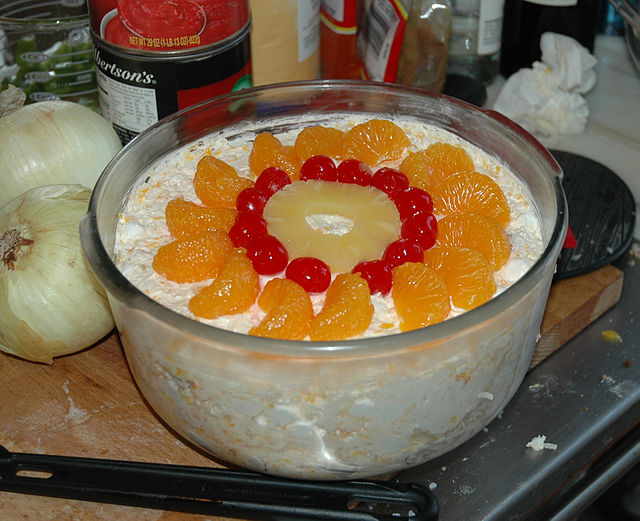
Ambrosia Salad was once a typical dessert dish in potlucks, picnics, and holiday parties. However, it has slowly been removed from modern menus. The salad began to decline in popularity as palates shifted and people became more health-conscious.
Although it may not be as popular now, Ambrosia Salad is a dish that evokes nostalgia for those who experienced its heyday. It is a recipe that, like most of the foods of the 1970s, takes us back to a time when food was simpler and a lot sweeter.
Tuna Noodle Casserole
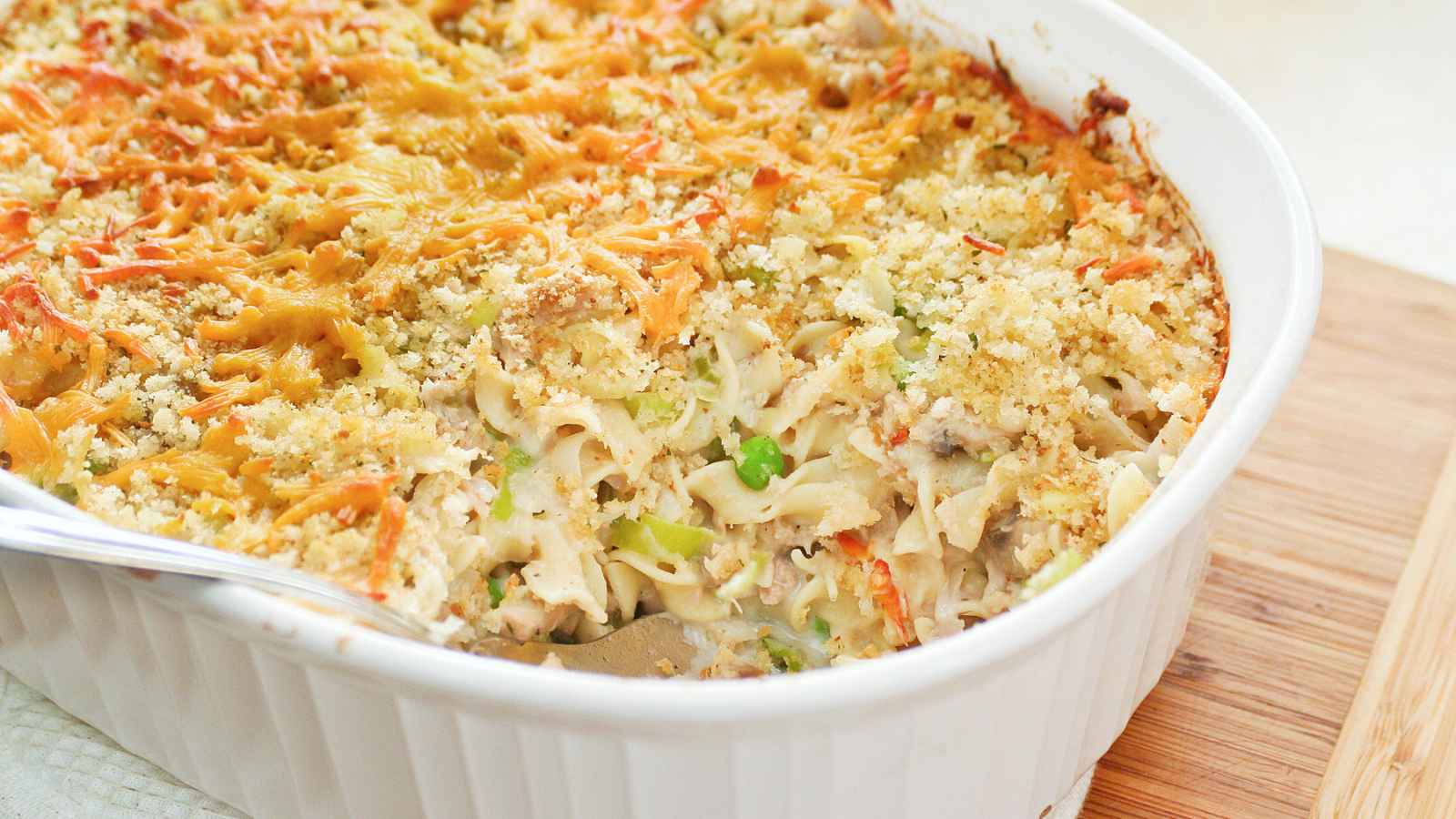
A true dinner table classic of the 1970s, Tuna Noodle Casserole epitomizes the era’s affinity for simple, economical, and comforting foods. It was an ideal solution for the weeknight dinner rush, a meal created to stretch a dollar while satisfying the entire family.
However, with the shift in culinary fashion and the growing acceptance of lighter dishes and fresher ingredients. The extensive use of canned and processed ingredients has made it less appealing to the contemporary palate, which commonly favors natural and minimally processed food products.
Tab Cola
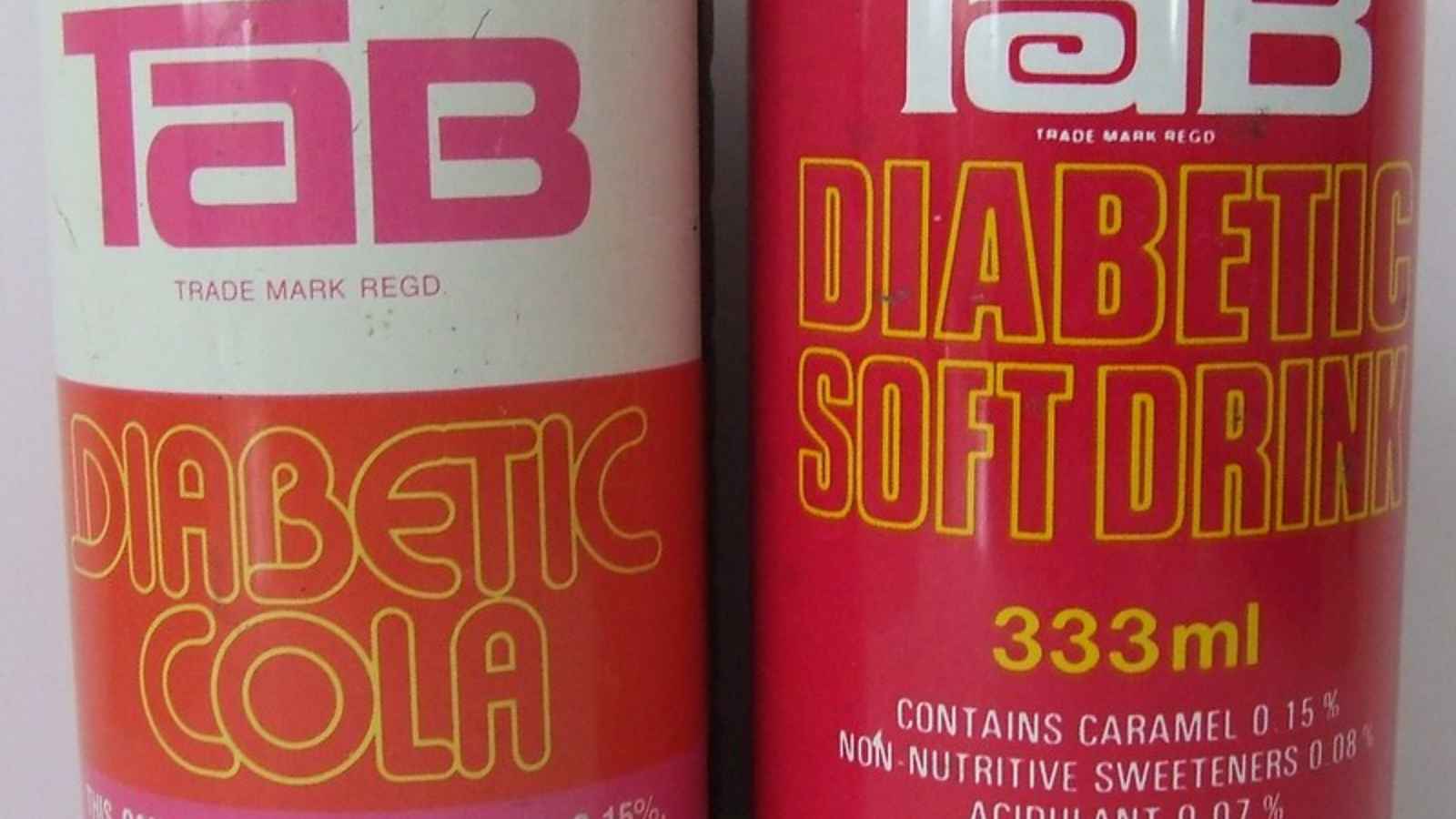
Tab Cola was another legendary artifact of the 1970s food scene; the drink was a pop culture phenomenon during its time. Introduced by The Coca-Cola Company in 1963, as CBS News notes, Tab was marketed as a diet soda for calorie-conscious consumers.
Although Tab had loyal customers, it later faced intense competition when Diet Coke was introduced in the early 1980s. It slowly fell out of the limelight, it was a hard find on store shelves, and it officially ceased production in 2020, according to CNN.
Disclaimer – This list is solely the author’s opinion based on research and publicly available information. It is not intended to be professional advice.
You Might Also Like:

How To Stick To Your Holiday Budget and Avoid Debt: With the holiday season in full swing, many face high expenses. The anticipation of gift-giving and the desire to create unforgettable moments often leads to the common tradition of seasonal spending, with the average holiday budget reaching a considerable sum.