
10 States Where Property Insurance Costs Will Skyrocket Soon
Property insurance becomes the next considerable expense as homeowners across the U.S. deal with rising prices. This isn’t just about inflation, climate risks, claim histories, and shifting industry trends, which are making certain states far more expensive to insure than others. Some folks are seeing rate hikes that feel like a second mortgage.
If you own property or plan to buy, it pays to keep an eye on where things are headed. A few states are heading into serious price hikes that could catch people off guard. Whether you’re renewing your current policy or shopping for a new one, knowing these hotspots might save you a severe headache and a few thousand dollars.
Mississippi

Mississippi’s weather problems don’t make as many headlines, but they hit just as hard. High wind events, frequent flooding, and a struggling insurance market combine to drive rates up. The state has limited insurer options, and that lack of competition makes it hard to shop around. Even small claims can lead to significant rate hikes.
Florida
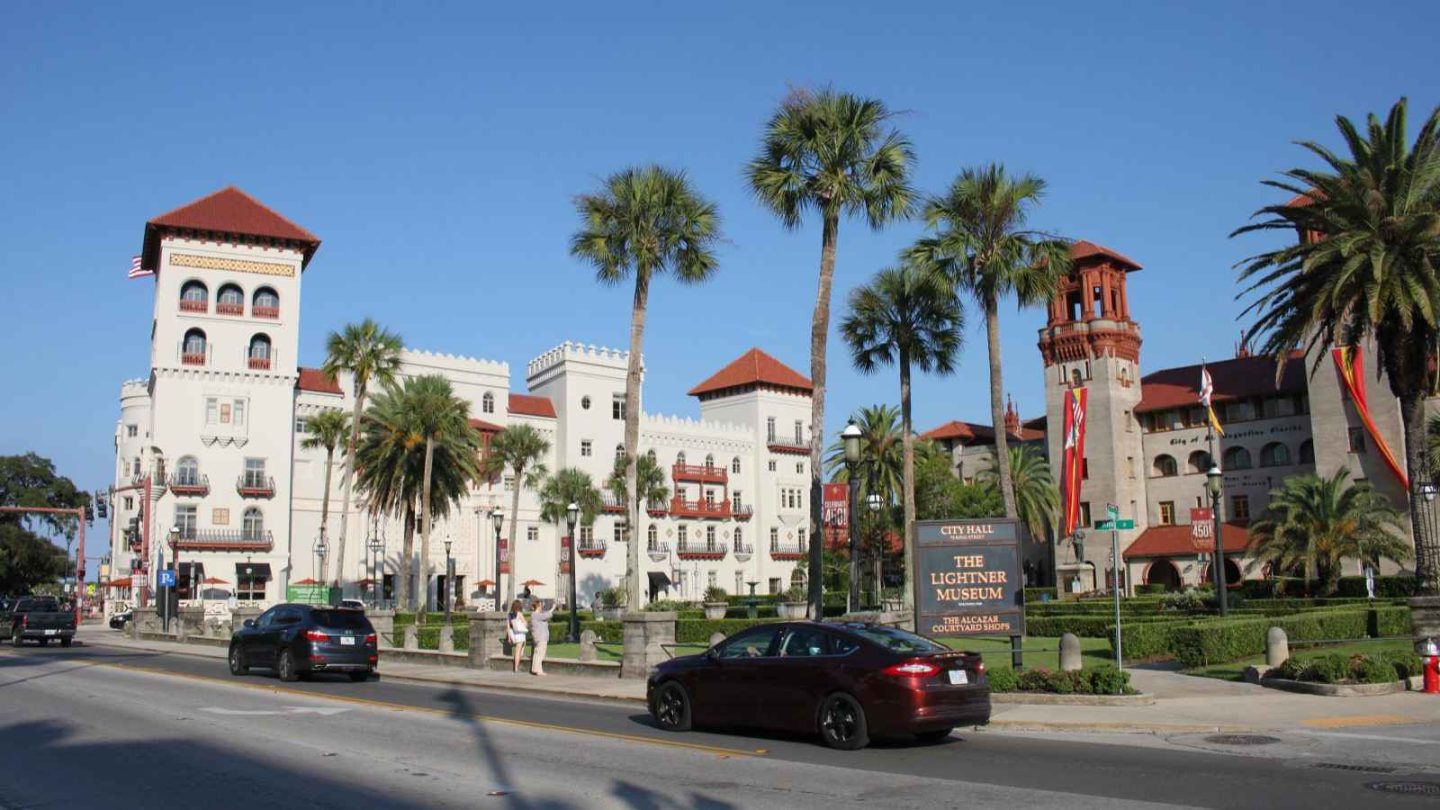
Hurricanes, floods, and insurers backing out of the market are pushing Florida’s insurance rates through the roof. Companies are pulling policies, which means fewer options and higher premiums. Add in rising sea levels, and it’s no surprise some homeowners are paying double what they were a few years ago. Coastal homes take the biggest hit, but inland areas aren’t safe from the ripple effects.
New York
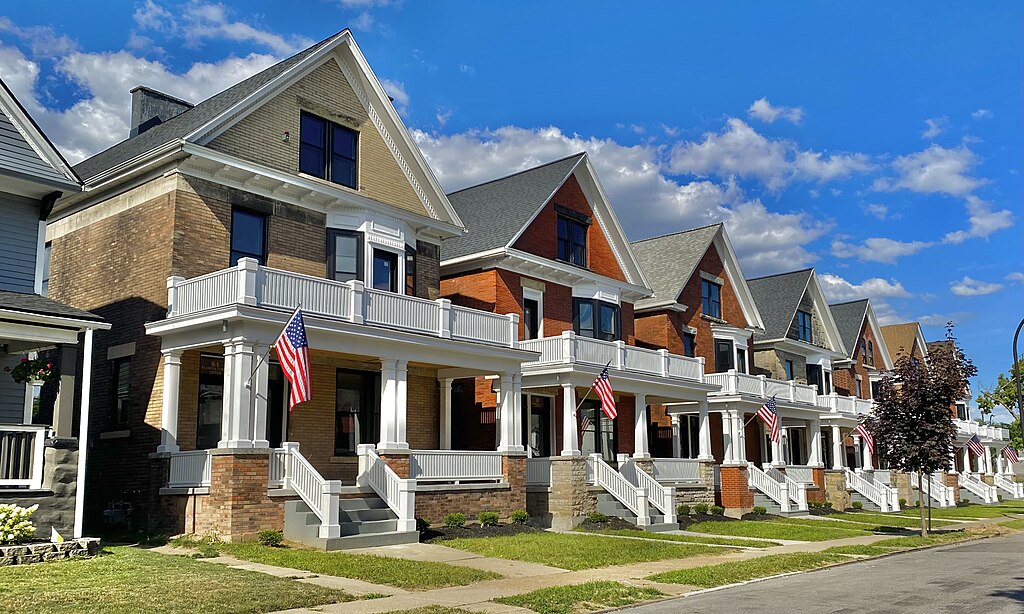
Not just hurricanes, but winter storms and flooding from heavy rainfall are catching more attention in New York. In some boroughs, outdated drainage systems are contributing to more frequent and expensive flooding. Insurers are responding by boosting premiums and revisiting what’s covered. City dwellers and upstate homeowners alike are witnessing rising costs.
California

Wildfires used to be seasonal. Now they’re a year-round threat. That’s driven rates up and pushed several major insurers to stop writing new policies in many areas. With fewer players in the game, premiums are climbing fast. Even homeowners far from fire zones are getting hit because insurers are spreading the risk across the board.
Louisiana

Louisiana is facing hurricane and flood threats. After multiple disasters, the state’s backup insurance program has had to pick up the slack. This has led to higher base rates and fewer private options. In many parishes, insurance is now a bigger cost than property taxes, and there’s no sign of relief on the horizon.
Texas

Texas homeowners pay the fourth-highest price for insurance of any state. Floods, hailstorms, and hurricanes are a triple whammy. In Texas, the damage from repeated natural events is pushing premiums up faster than in any other state. In some areas, insurers even reclassify zones, bumping them into higher-risk brackets. That alone can cause a significant jump in annual costs, even without filing a single claim.
Colorado

It’s not just fires in the mountains. Hailstorms in the plains and flash flooding in urban areas have created a perfect storm for rising rates. Insurance companies are recalculating risk levels statewide, not just in the high-fire-risk zones. That means even Denver or Fort Collins folks might see sticker shock at renewal time.
Oklahoma

Known for its tornadoes, Oklahoma has one of the highest insurance rates in the country. And it’s catching up to homeowners in the form of rising premiums. Some insurers are tightening eligibility requirements or increasing deductibles. One big storm and you’re not only dealing with damage, you’re also facing a serious bill to stay covered.
South Carolina
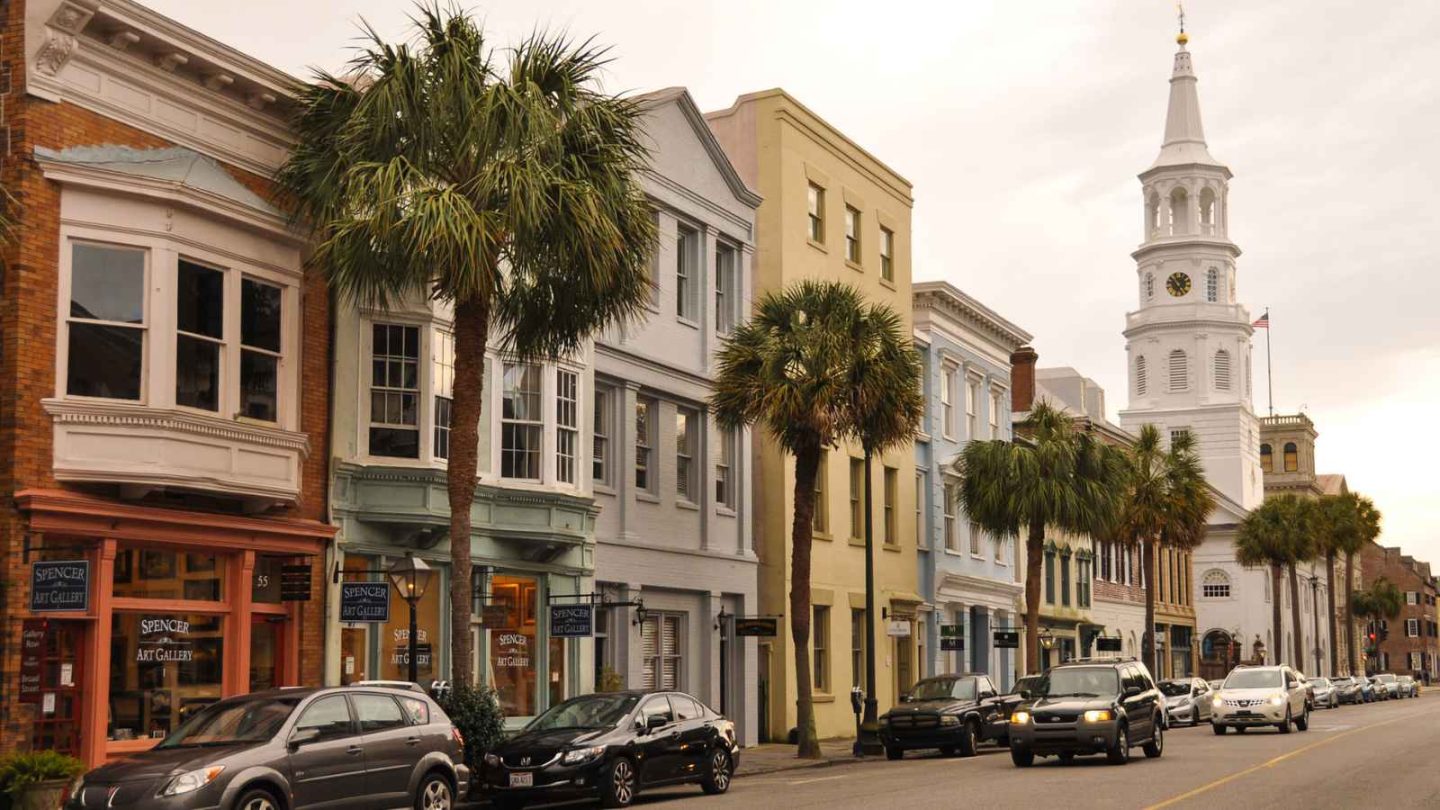
Storm surge and flood risk are creeping farther inland than before, which is bad news for homeowners who thought they were in the clear. Insurance companies are adjusting models and pricing based on these updated risk maps. Premiums are climbing, especially along the coast, but even places previously seen as low-risk are now increasing.
Georgia
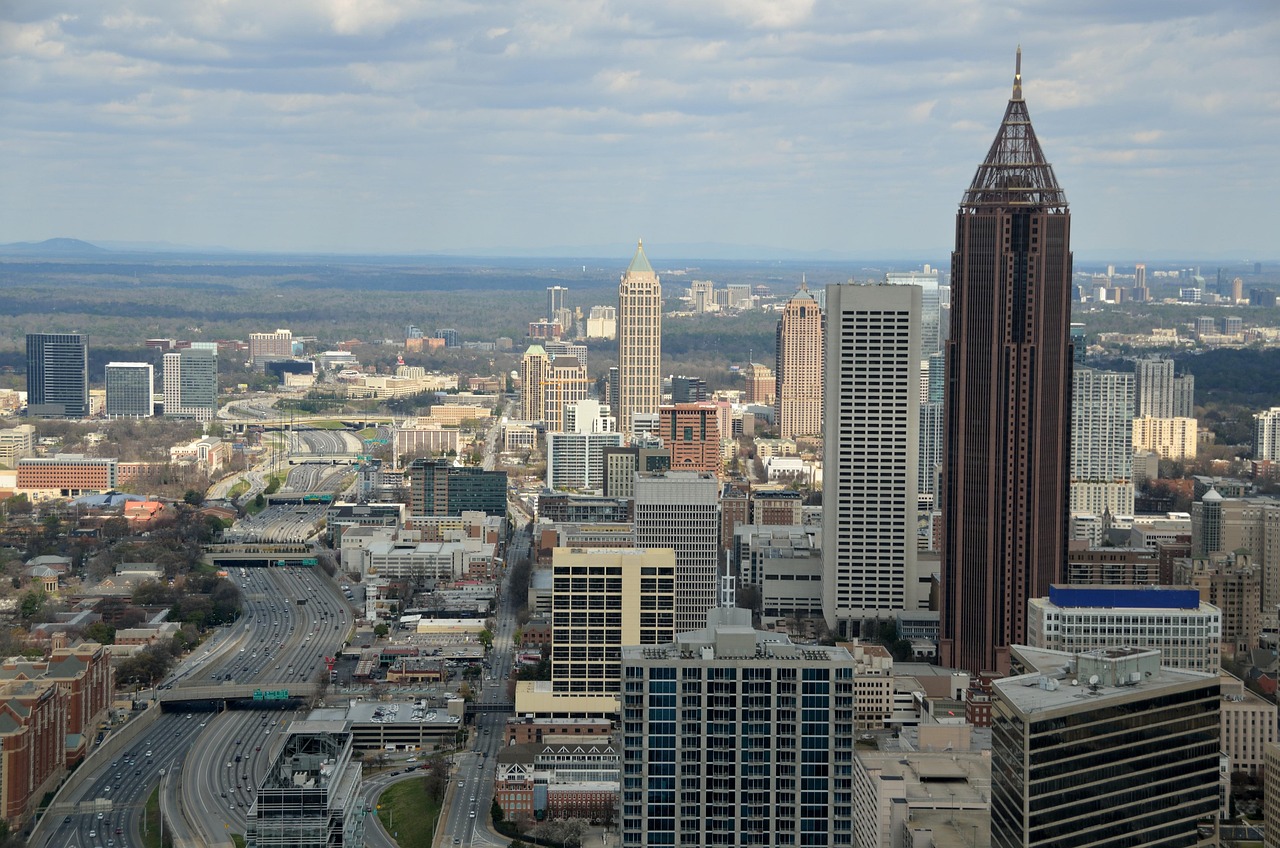
Coastal counties charge higher premiums, but Atlanta suburbs aren’t far behind. Rising water tables, intense summer storms, and changes in the insurance market are all contributing to the problem. Some residents are being hit with rate increases before their policy even renews. Insurers are also tightening coverage terms, leaving people with less protection for a higher price.
Disclaimer: This list is solely the author’s opinion based on research and publicly available information.
You Might Also Like:

How To Stick To Your Holiday Budget and Avoid Debt: With the holiday season in full swing, many find themselves facing high expenses. The anticipation of gift-giving, coupled with the desire to create unforgettable moments, often leads to the common tradition of seasonal spending, with the average holiday budget reaching a considerable sum.