
10 Must-Know Tips for Traveling Europe on a Student Budget
Traveling through Europe as a student can feel like you’re walking a tightrope between dreams and your bank balance. You want to soak up every museum, train ride, street market, and late-night memory, but your wallet barely holds it together. The good news? You don’t need a trust fund to make it happen. With the right mindset and a little street smarts, you can make your trip count without counting every coin.
This guide breaks down practical, budget-saving tips that won’t suck the fun out of your journey. It’s built for students who want to see more without spending more. These aren’t vague suggestions like “spend less” or “look for deals.” This is the good stuff: things students do to stretch their budget across borders, time zones, and currencies.
Slow Down Instead of Rushing Through Cities

Packing ten cities into ten days sounds exciting, but it drains your budget and energy. Staying longer in one place cuts travel costs, lets you settle into a routine, and helps you find local gems. Take a breath, unpack your bag for more than one night, and get to know where you are.
Choose Hostels With Kitchens

Food is a budget killer if you eat out for every meal. Hostels with kitchens let you cook your meals and meet fellow travelers simultaneously. Some even offer free pasta nights or group dinners. A trip to the local grocery store can be an adventure and much cheaper than a sit-down meal every night.
Travel by Night to Save on Accommodation

Overnight trains and buses serve two purposes: getting you to your next stop and giving you a free place to sleep. Night routes between major cities are familiar and surprisingly comfortable. Bring earplugs, a hoodie, and a neck pillow. You’ll wake up in a new town, and your wallet won’t notice.
Travel Off-Season for Lower Prices

Tourist crowds thin out during spring and fall, and prices drop with them. Flights are cheaper, hostels have more space, and even the most visited spots become less hectic. You won’t just save money; you’ll see more. Try late September or early April, when the weather is still playing nice, but the peak-season chaos has died down.
Use Student Discounts Everywhere You Can

Your student ID is a discount card with superpowers. Many museums, galleries, trains, and even some restaurants cut prices for students. Always ask, even if there’s no sign posted. Some places take ISIC cards, but many accept regular university IDs. It never hurts to flash it and see.
Stick to Budget Airlines, But Read the Fine Print
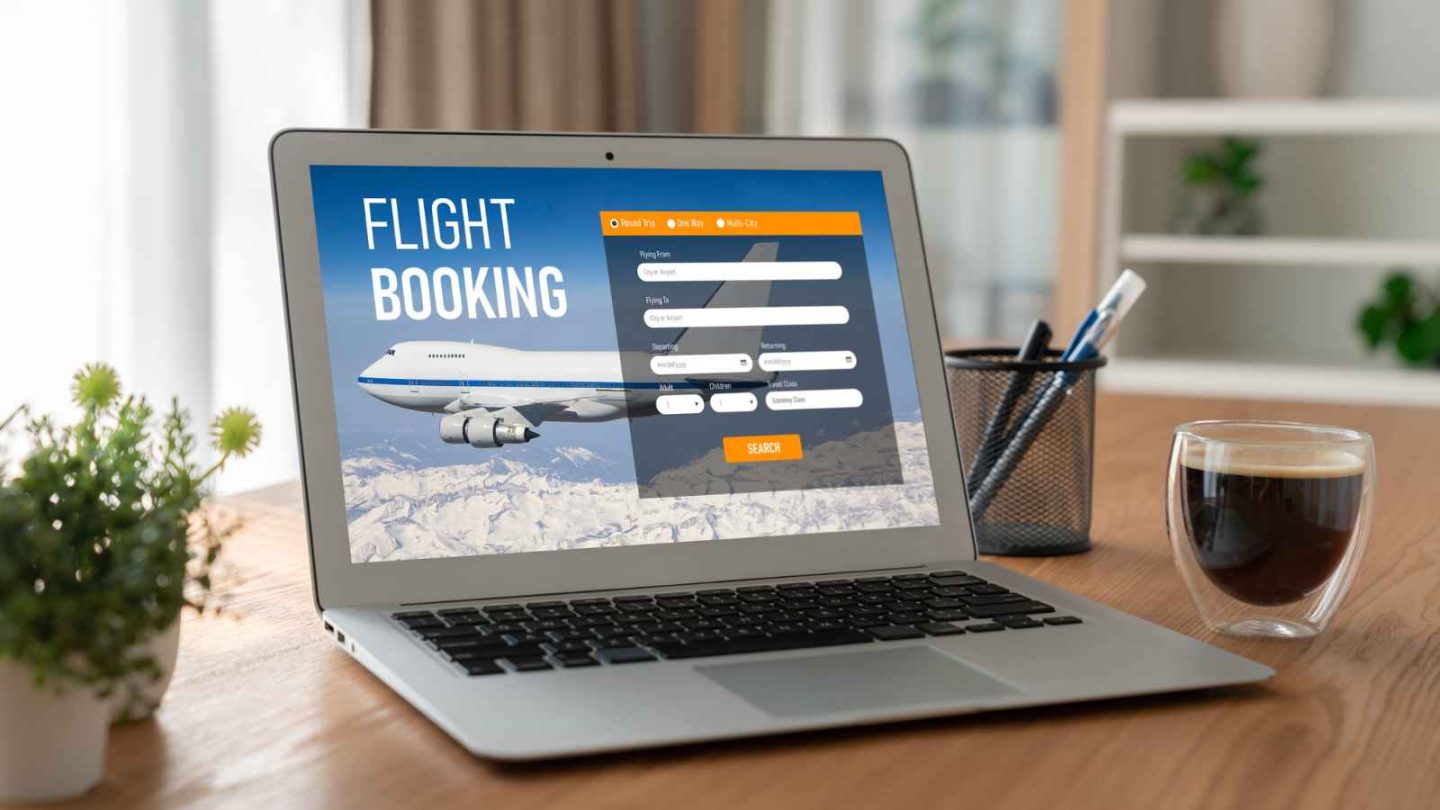
Airlines like Ryanair, Wizz Air, and EasyJet offer cheap European tickets, but they also charge for everything else: baggage, printing boarding passes, and even picking a seat. Travel light and pay attention to the rules. That $20 ticket isn’t so cheap if you have to shell out $60 at the gate.
Walk and Use Public Transit Instead of Taxis

Walking is free, and you’ll see more of the city than you ever could from the back of a cab. When you need a ride, metro passes and day cards are lifesavers. Apps like Citymapper or local transit apps help you figure things out quickly. Plus, you won’t get tricked by expensive taxi scams.
Pick Countries With Lower Costs

Some parts of Europe burn through your budget fast; others stretch it for miles. Think Portugal, Hungary, Poland, or the Balkans. You still get history, architecture, beaches, and nightlife, but without the sticker shock. Mix in a few wallet-friendly spots with pricier cities to balance things out.
Book Things Early, But Not Too Early
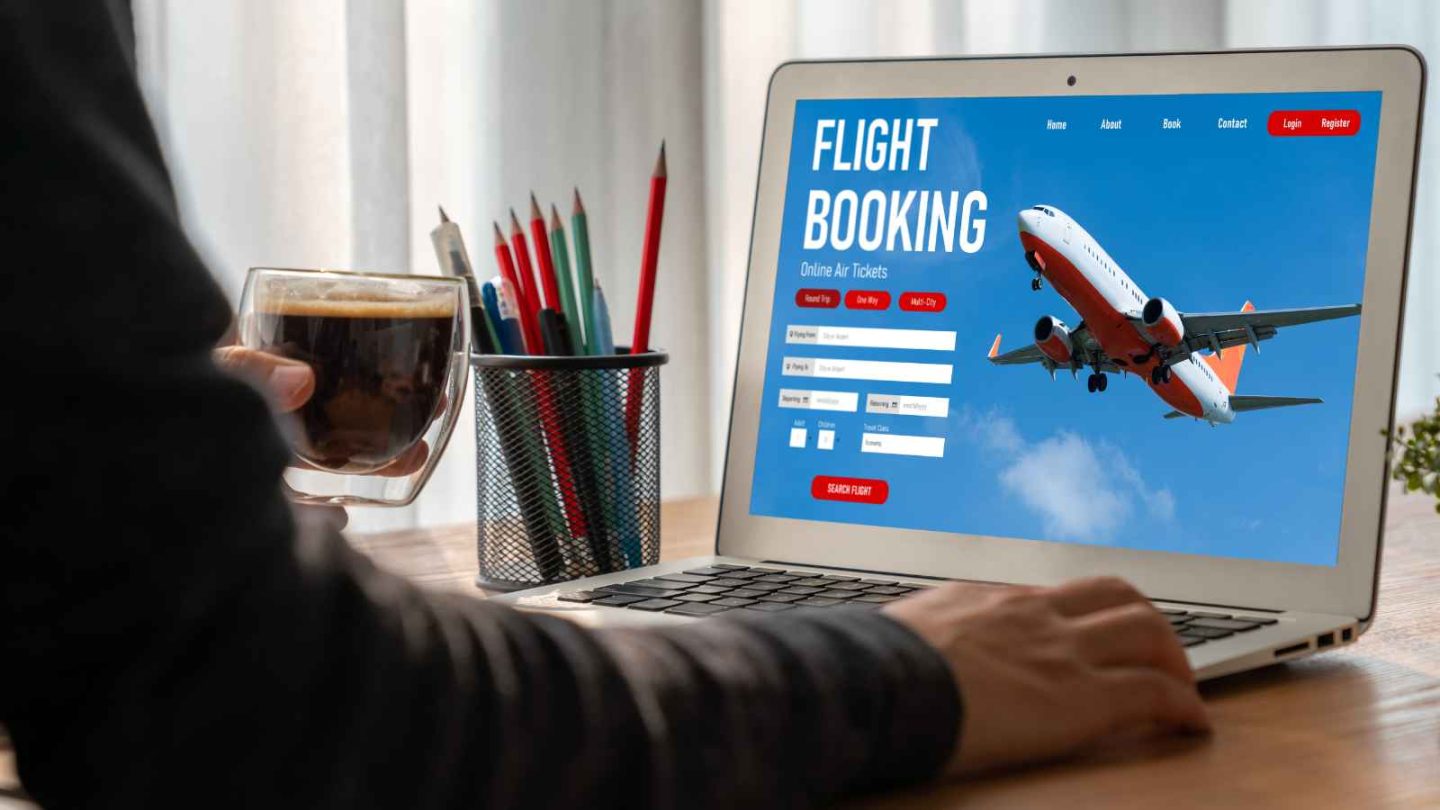
Trains, flights, and hostels often offer early bird rates, but booking months ahead isn’t always better. Aim for that sweet spot: two to six weeks out. Too early, and you might lock yourself in. It is too late, and prices jump or spots disappear. Use comparison apps and keep an eye on trends.
Limit Your ATM Fees and Foreign Exchange Costs
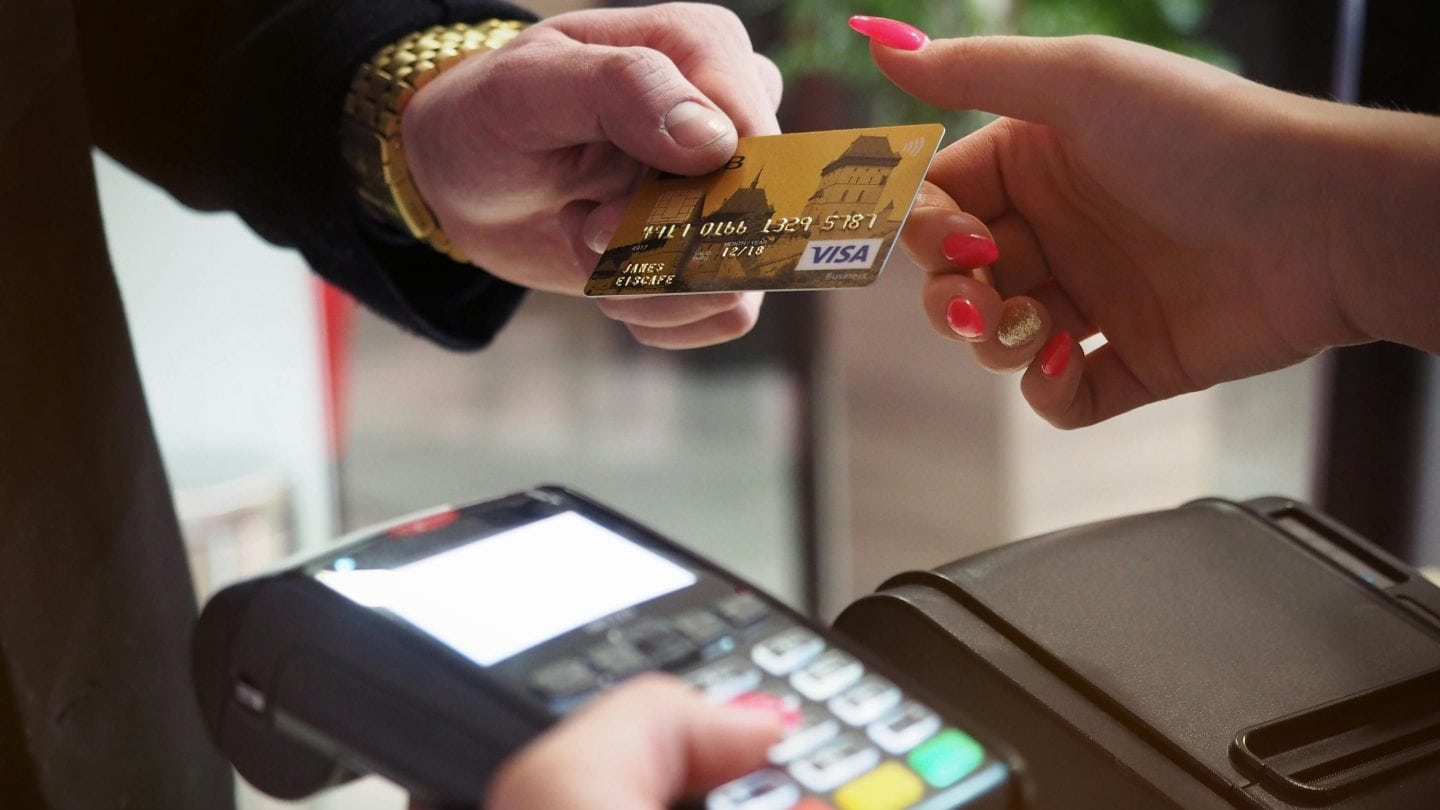
Currency conversion fees and ATM charges add up fast. Use a bank that refunds ATM fees or a travel card with low exchange rates. Avoid airport currency booths; they’re never a good deal. Try to withdraw larger amounts at once instead of multiple small ones. It’s less painful and cheaper in the long run.
Disclaimer: This list is solely the author’s opinion based on research and publicly available information.
Read More:

- Ultimate Guide To Picking The Best Travel Credit Card
- The 5 Best Budget Airlines in the United States
- 15 Best Countrıes to Vısıt in Afrıca