Top 14 Canadian Hotspots for Your Next Adventure
Ever feel like your soul’s craving a shot of wild? Like, the kind of wild that makes your heart race and your jaw drop? Well, Canada’s got that. From towering peaks to roaring tides, this country is a playground for adventurers. Pack your bags, because Canada isn’t just a destination; it’s a feeling, an epic saga waiting to be written by you. This vast, breathtaking country is a global leader in adventure tourism, offering unparalleled experiences that will leave any traveler breathless. And guess what? This is a round-up of the top 14 spots that’ll make your next trip unforgettable.
According to Destination Canada, in 2023, Canada’s tourism sector generated a remarkable $124.4 billion in revenue, actually exceeding its pre-pandemic levels from 2019. This isn’t just a comeback story; it’s a full-blown boom for the nation’s economy. When considering the total ripple effect, this direct spending generated a whopping $252.2 billion in total economic activity in 2023, supporting nearly 1.1 million jobs nationwide.
To put that into perspective, the jobs sustained by tourism in Canada outnumber the total jobs in agriculture, forestry, fishing, mining, quarrying, oil, and gas combined. Imagine that! Visitors spend an incredible $341 million every day in Canada, fueling local businesses and communities nationwide.
Whistler Blackcomb, British Columbia: Beyond the Slopes, a Year-Round Thrill
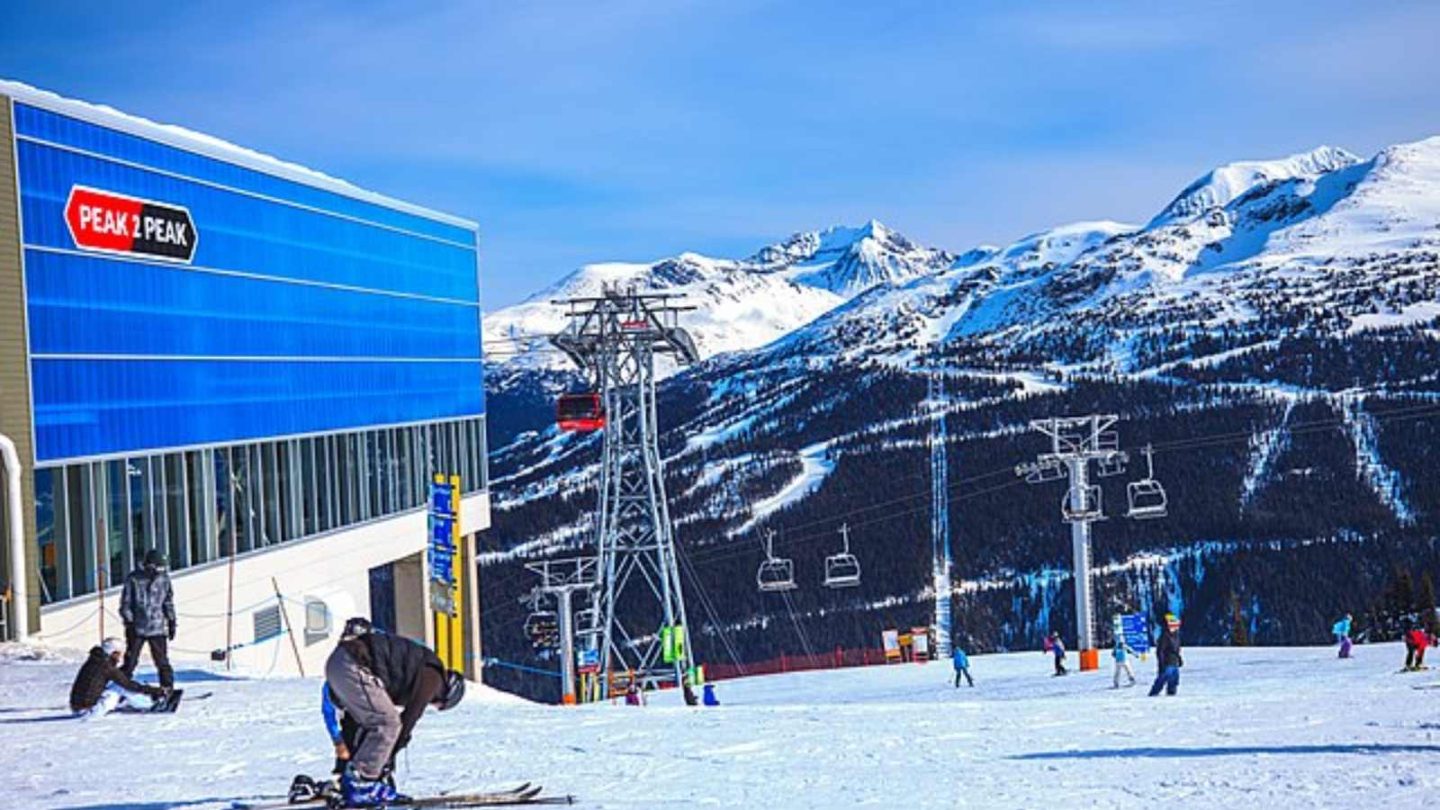
Whistler Blackcomb is an icon, establishing itself as a year-round destination for adventure. While world-renowned for its winter sports, Whistler Blackcomb welcomes approximately 3 million visitors annually, with a surprising twist: 55% of visitors come to Whistler Blackcomb during the summer, while only 45% visit during the winter. The resort’s strategy to expand its services outside of winter ski seasons has resulted in impressive success. The resort turned its breathtaking mountain scenery into a strong destination for visitors throughout the year, demonstrating that famous winter destinations can succeed by adding summer activities such as mountain biking.
Of course, winter here remains legendary. Whistler Mountain operates 37 lifts, which move nearly 70,000 skiers per hour, and features 1,530 meters of vertical drop along with 4,757 acres, while Blackcomb provides 1,609 meters of vertical drop and 3,414 acres. Visitors can choose from more than 200 dining options, including restaurants, cafes, and bars, after completing an exhilarating day of skiing. The mountains become a lively summer destination once the snow has disappeared. The Whistler Mountain Bike Park provides about 250 km of lift-accessed trails to mountain biking enthusiasts between mid-May and mid-October.
This region generates enormous economic influence. Whistler stood as the core of the BC ski industry, which generated substantial direct revenues of $2.15 billion in the 2022-23 fiscal year, attracting 63% of that revenue from visitors outside the province. The industry generated $1.53 billion in GDP, employing 16,100 workers.
Whistler Blackcomb demonstrates leadership in environmental stewardship beyond its economic achievements. The Fitzsimmons Renewable Energy Project at Whistler Blackcomb generates sufficient power to sustain both summer and winter activities, while providing electricity for approximately 3,000 to 4,000 residential homes. Their food and beverage outlets have achieved TRUE Zero Waste certification. The operations at Whistler demonstrate that sustainability extends beyond promotional claims, becoming an essential element of their core functions while setting a powerful example for large resorts worldwide.
Banff National Park, Alberta: The Rockies’ Crown Jewel, Unforgettable Journeys
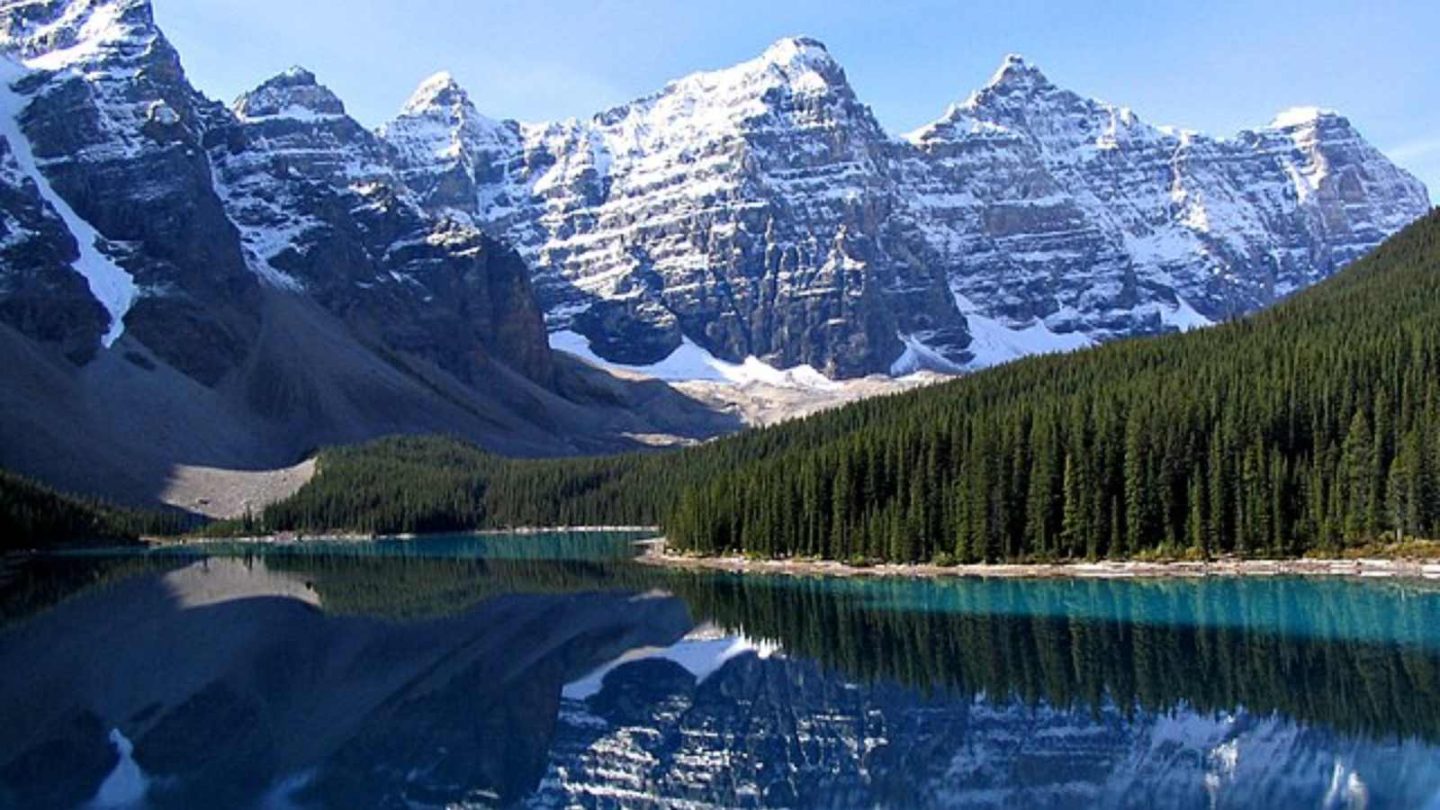
Banff National Park is Canada’s inaugural national park and receives over four million guests annually. The year 2023/24 experienced unprecedented tourism activity with 4.28 million visits. The national park’s immense popularity reflects its stunning beauty, but it also creates difficulties in preserving its pristine wilderness while maintaining high-quality visitor experiences.
According to Parks Canada, during the peak season, Lake Louise receives around 9,000 visitors per day, while Moraine Lake attracts approximately 5,000 visitors daily. Parks Canada is working to protect the fragile environment by recommending shuttle transportation, which resulted in 24% of Lake Louise visitors and 51% of Moraine Lake visitors arriving this way in 2023. The active regulation of visitor access serves as an essential method to reduce vehicle congestion while meeting visitor demand and preserving conservation needs.
The Canadian Rocky Mountains, with Banff as one of its key areas, play a significant economic role for the province. The towns of Canmore, Banff, and Jasper generated $2.3 billion in tourist spending in 2019, resulting in $2 billion for Alberta’s provincial GDP and sustaining employment for 23,600 people. Alberta received 47% of its international visitor revenue in 2019 from this stunning region. Protected natural areas prove to be critical economic engines while also serving as ecological treasures.
Jasper National Park, Alberta: Untamed Wilderness, Endless Exploration
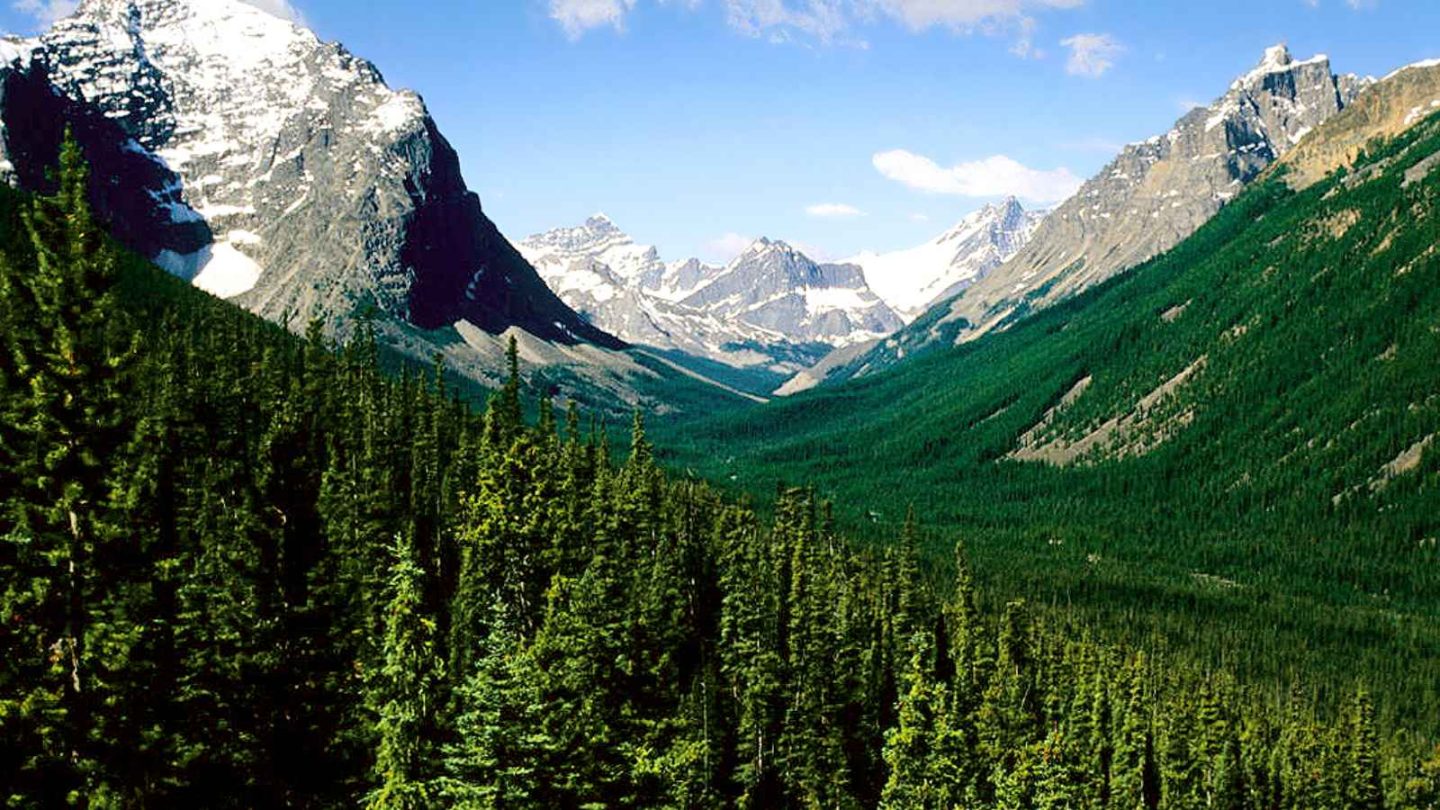
The Canadian Rockies’ Jasper National Park attracted more than 2.4 million visitors during the year 2022. The park offers a wilderness experience, which drew 453,000 individuals to frontcountry campsites and 14,800 adventurers to backcountry locations in 2022. Jasper transforms into a winter wonderland beyond the summer months, boasting 40 km of Nordic ski trails and 50 km of prepared winter trails for bikes and snowshoes, thanks to the community’s hard work.
The Rockies generally experience prosperity, but Jasper continues to struggle with significant challenges. The recent extreme wildfire, which burned 79,000 acres, has resulted in billions of dollars in economic losses, disrupting tourism, supply chains, and local infrastructure systems. The situation highlights how climate change affects natural resources and underscores the critical need for robust adaptation mechanisms in tourism planning.
Golden, British Columbia: Whitewater Rushes and Alpine Dreams
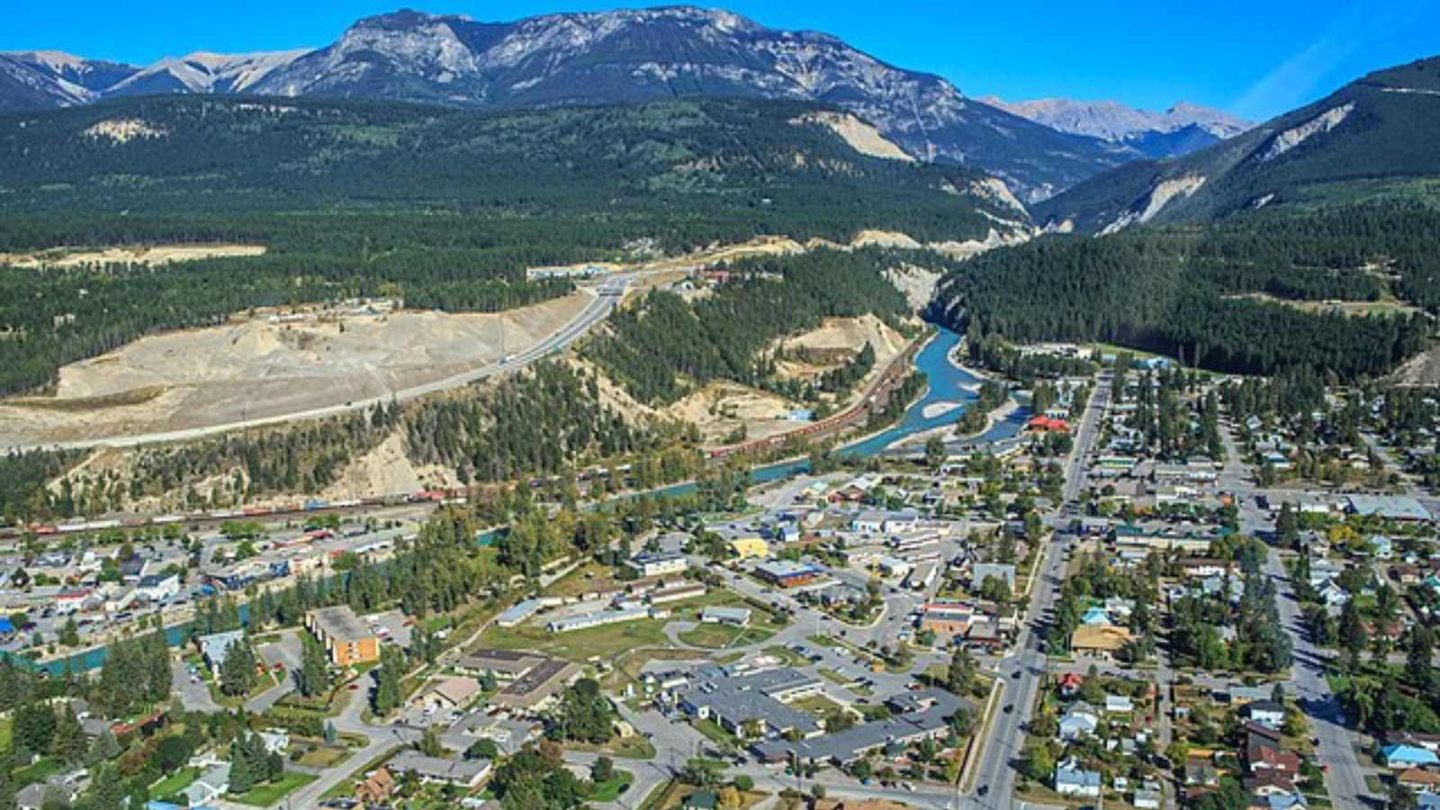
Golden offers a perfect adventure destination surrounded by six national parks where visitors find great joy. The majority of visitors, at 91%, express intense satisfaction with their experience, which they rate as “very good-excellent,” while 83% confirm their intent to revisit. The high level of visitor satisfaction extends beyond just the breathtaking landscapes. While visitors in Golden typically spend $1,253 during their stay, the average expenditure increases to $1,734 for those who visit during the winter season.
What truly draws people in? Natural proximity (78%), national or provincial parks (76%), and diverse outdoor recreational activities (72%) are major attractions. Visitors commonly cite “friendly people” (74%) and “small-town charm” (70%) as their primary motivations for visiting. The human element, combined with authentic local community experiences, proves equally vital to natural attractions when achieving long-term tourism success.
Whitewater rafting stands out as Golden’s primary claim to fame. This recreational activity serves as a silent economic engine, supporting local economies through visitor expenditures on fuel, meals, and accommodations. Whitewater paddlers bring value by visiting remote areas that traditional tourists ignore, and they choose to explore these areas during off-peak seasons when typical tourism activities decline significantly. By drawing visitors during shoulder seasons, towns such as Golden strengthen their economy throughout the year through tourism revenue diversification.
Tofino, Vancouver Island, British Columbia: Surfer’s Paradise, Nature’s Embrace

Tofino has transformed from a quiet fishing village into an international tourist hotspot, attracting over 750,000 visitors annually. The figure is astonishing when you consider the community only has around 1,655 full-time inhabitants.
Tourism Tofino reports that the area experienced substantial economic growth, with hotel room revenues reaching $112.3 million in 2024, up from $98.7 million in 2023, while maintaining an average annual occupancy rate of 63.3%.
Bay of Fundy, New Brunswick: Tides of Wonder, Adventures Unveiled
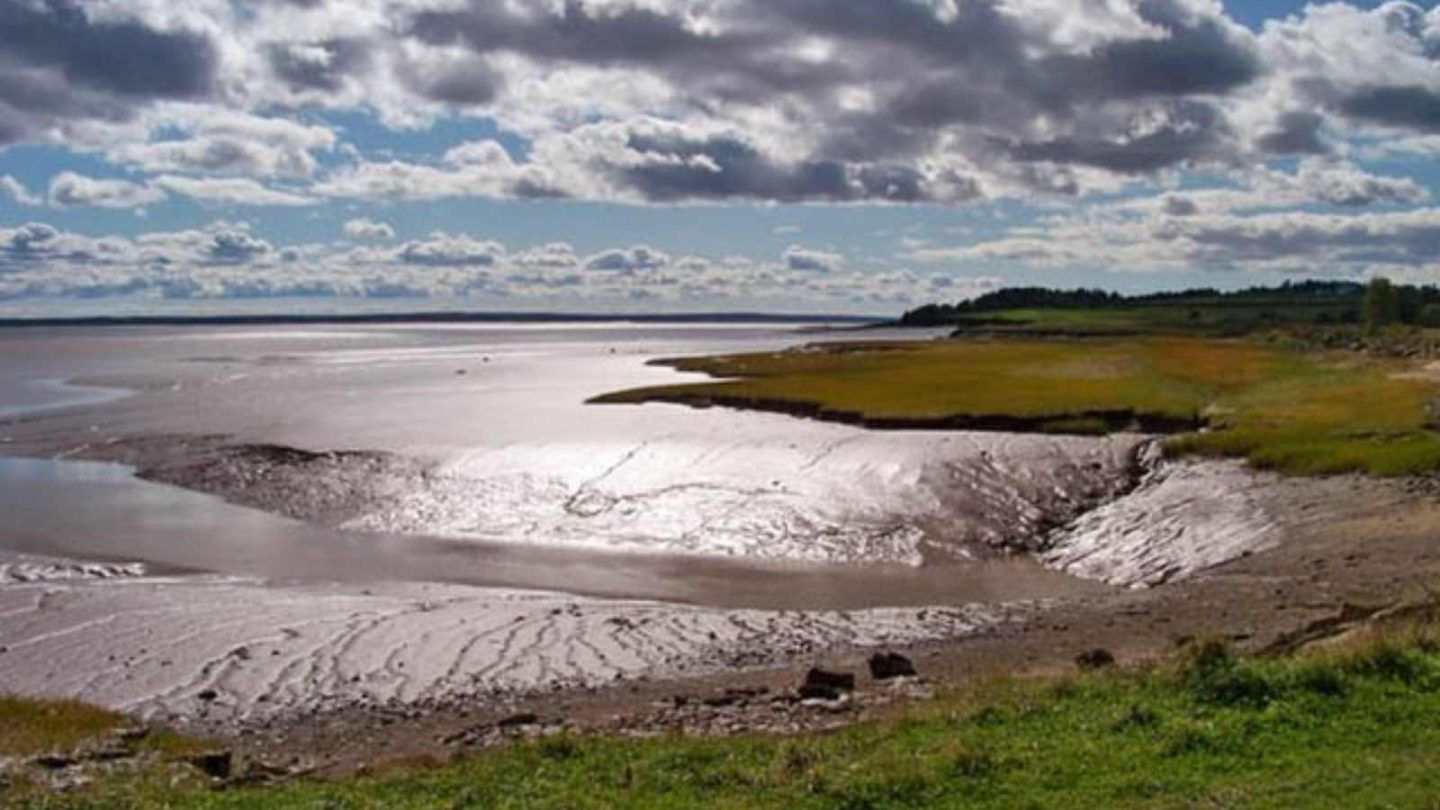
Prepare to be amazed! The Bay of Fundy experiences the world’s highest tidal range which reaches more than 11 meters in height. The National Oceanic and Atmospheric Administration (NOAA) attributes this phenomenon to the funnel shape of the bay and the resonant effect of its tides.
More than 300,000 people visit Fundy National Park each year, as it’s a top tourism destination in southern New Brunswick. Visitors arrive to enjoy breathtaking ocean views and varied landscapes while camping, hiking, and biking through nature trails. They also experience Fundy National Park’s exceptional tidal bore rafting and kayaking, which is a regional specialty.
The 2024 update to the park management plan presents innovative strategies for its future development. The management plan prioritizes cooperative relationships with Indigenous communities through learning about the region’s cultural history and integrating indigenous knowledge and priorities into park operations.
Cabot Trail, Cape Breton Island, Nova Scotia: A Drive for the Soul, a Trail for the Bold
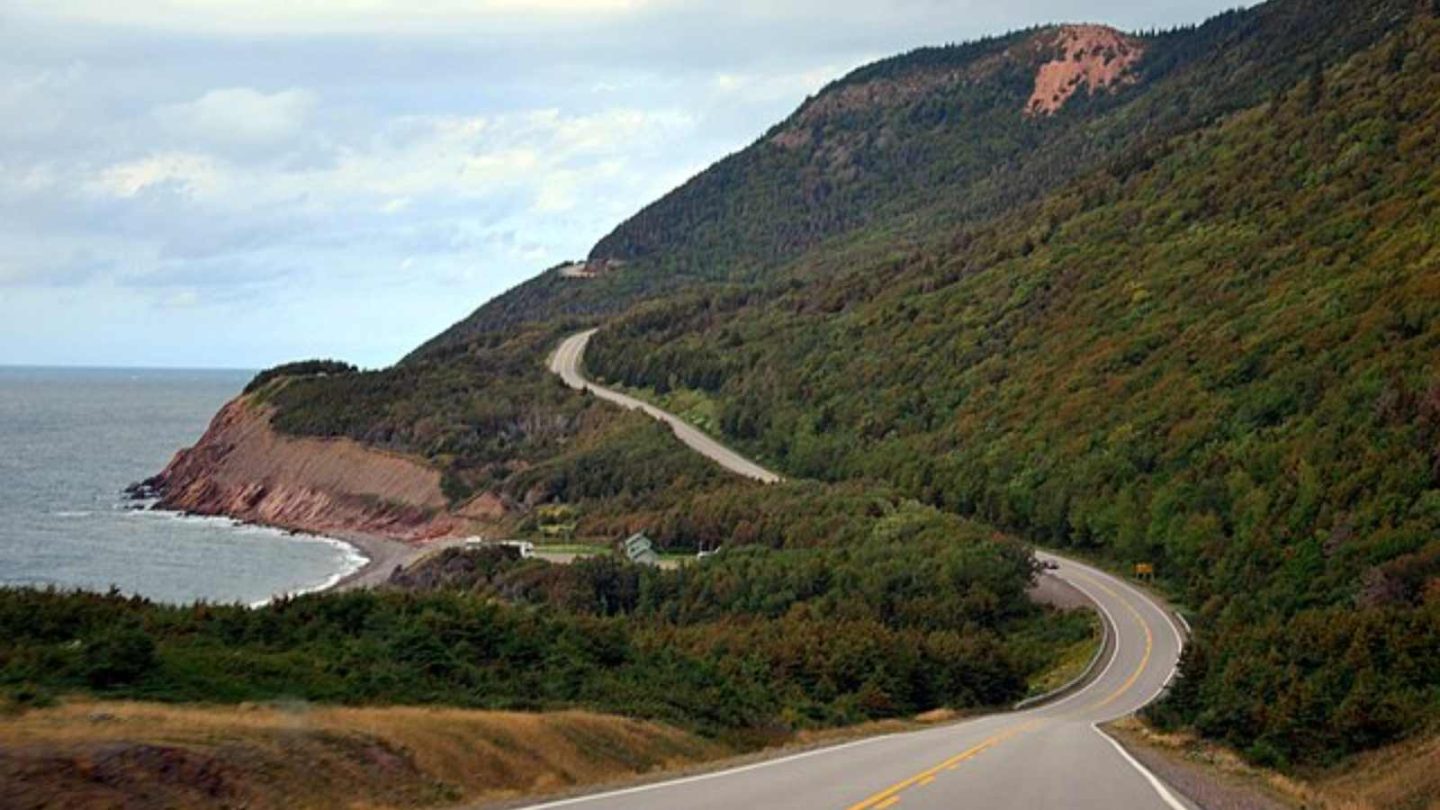
Two million tourists visited Nova Scotia in 2024, generating $3.5 billion in tourism earnings —a 10% increase from 2023. Cape Breton Island functions as an extraordinary economic force within the province because of its status as the site of the famous Cabot Trail. Cape Breton Island generates almost 20% of Nova Scotia’s tourism revenue, although it contains only 13.6% of the province’s population. The tourism economy operates at high efficiency, producing a significantly greater economic impact than its size would suggest.
Here’s a remarkable fact: Tourism expenditures on Cape Breton Island produce up to $2.63 in economic benefits for each dollar spent, and this figure exceeds the $2.20 generated throughout the rest of Nova Scotia. The financial impact of your adventure here exceeds that of other areas of the province.
Tourists primarily view the Cabot Trail as a short, scenic route, but this mindset presents a substantial business opportunity. The local economy would benefit from an additional $63 million to $252 million if visitors were persuaded to explore the island’s hidden spots and various activities for more extended periods. The island’s prosperity would rise if transient visitors became immersed adventurers through more profound, more engaging adventure experiences.
Churchill, Manitoba: Polar Bear Encounters, a Journey of a Lifetime

You can easily witness polar bears in their natural environment at Churchill, which stands out as one of the few places where this experience is available. ResearchGate reports that between 6,000 and 15,000 tourists visit Churchill each year, with most arriving by air.
People visit Churchill as a “last chance tourism” destination to witness vanishing natural environments and wildlife. The heartbreaking contradiction lies in the fact that the air travel required to reach this location produces greenhouse gas emissions, which contribute to the melting of sea ice and endanger the existence of polar bears. According to Maclean’s research, the carbon footprint of traveling to Churchill is up to 34 times that of everyday global tourist travel due to its remote location.
The population of Western Hudson Bay polar bears near Churchill has decreased by more than 27% from 2016 to 2021, while tourism has increased despite a total population drop of 50% since the 1980s. The primary reason for this population decline is their reliance on sea ice, which they use for hunting, but which has now disappeared.
Expert analysis reveals that although polar bear tourism generates significant economic activity in Churchill, it provides only minimal financial benefits to residents, except for those involved in the arts and handicrafts. The economic benefits in Churchill depend heavily on a single attraction, making the town’s financial health highly vulnerable to environmental issues and posing significant concerns regarding community resilience in the future should that attraction continue to decline.
Auyuittuq National Park, Nunavut: Arctic Majesty, a Trek to the Top of the World
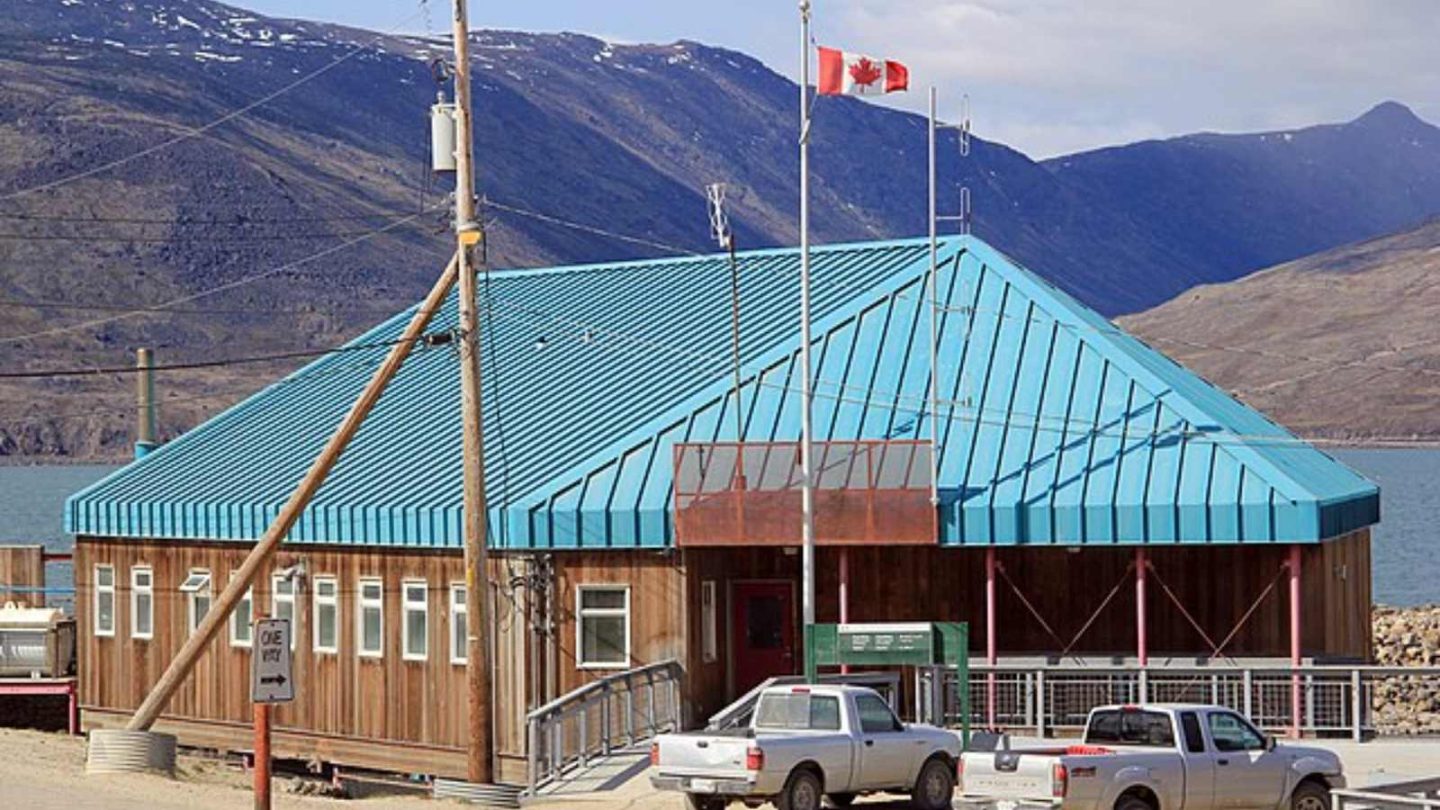
The national park of Auyuittuq dominates the landscape of Baffin Island since its location spans almost the entire Arctic Circle and stands as Canada’s most extensive protected wilderness area. CBC states that only a small number of dedicated visitors explore this challenging location each year, with attendance figures ranging from 253 to 1,191 from 1994 to 2000, and maintaining around 253 visitors in 2023-24.
Since 2005, Arctic marine tourism activities have expanded, with an increasing number of ships accessing waters that have become increasingly ice-free. Expedition cruises and pleasure craft now favor the Northwest Passage because of its historical significance and stunning vistas. The enhanced accessibility to the Arctic region presents economic opportunities, yet amplifies the effects of climate change and poses serious environmental threats to its delicate ecosystem.
Despite this growth, Nunavut faces significant challenges. The combination of extreme remoteness from major population centers, undeveloped infrastructure, and regulatory complexities results in visitor numbers to the Northwest Passage being lower than those to destinations such as Greenland or Iceland. Although climate change enhances accessibility to extreme northern regions, developing sustainable tourism there remains challenging due to significant logistical and regulatory hurdles.
Here’s a surprising fact: High-income passengers who pay premium prices for Arctic cruises only spend roughly $700 for shore activities during their trip and less than 50 CAD daily while visiting Nunavut.
Canol Heritage Trail, Northwest Territories: The Ultimate Wilderness Challenge

The Canol Heritage Trail offers an extreme trekking experience across Canada’s Northwest Territories, which attracts only the most dedicated wilderness enthusiasts. Travelers must navigate through harsh wilderness, which features dense growth and dangerous washouts as well as multiple freezing river crossings.
The harsh landscape of the trail presents a profound mental and emotional challenge, forcing adventurers to confront their fragility while acknowledging the natural world’s complete indifference, as they grasp how easily they could die out there. Adventure travelers drawn to this segment enjoy both the beautiful scenery and the extreme challenges, which require self-reliance and force them to encounter raw wilderness in a humbling way.
Its historical importance stands as the primary reason it captivates people like no other destination. The trail features numerous artifacts from the massive World War II Canol pipeline project, which remains largely forgotten. The trail marks the story of human determination and hardship as you encounter abandoned bunkhouses and rusting 1940s pickups alongside remnants of pumping stations in the North.
The extreme conditions and remoteness of this area have preserved its historical landscape without intentional human intervention. The landscape of certain regions has undergone negligible change over the past 60 years, as the tire tracks made during the 1940s remain visible today. Visitors who crave physical challenges and historical connections find their ideal experience in this niche where adventure meets historical discovery.
WinSport (Canada Olympic Park), Calgary, Alberta: Olympic Legacy, Urban Playground
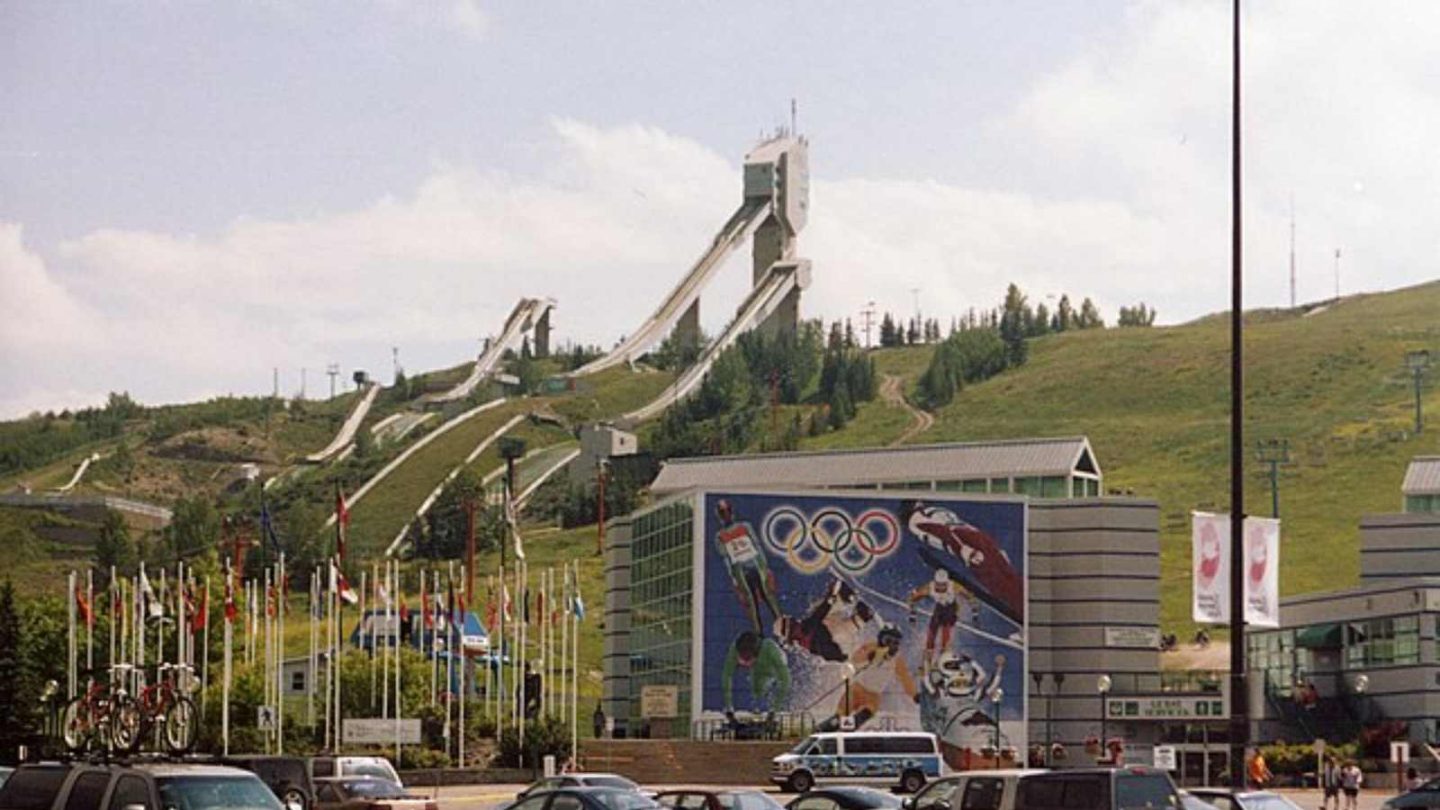
WinSport stands as the lasting legacy of the 1988 Calgary Winter Olympics, while also functioning as a vibrant year-round urban adventure destination. WinSport attracts approximately 1.2 million visitors annually, resulting in a $120 million economic boost and supporting 1,200 full-time equivalent jobs in Calgary. The facility shows how specialized Olympic venues can be converted into general tourism assets by combining elite sport training with accessible recreational activities within the city.
This isn’t just for elite athletes! North America’s fastest zipline operation, along with Western Canada’s largest tube park and Alberta’s sole lift-assisted mountain bike trails, can be found at WinSport.
During summer months, visitors can experience bobsleigh rides down the Olympic track under the guidance of a professional. Affluent families who enjoy city-based, thrilling activities find WinSport particularly appealing because it offers a diverse range of entertainment options.
Algonquin Provincial Park, Ontario: Canoe Country, Nature’s Sanctuary
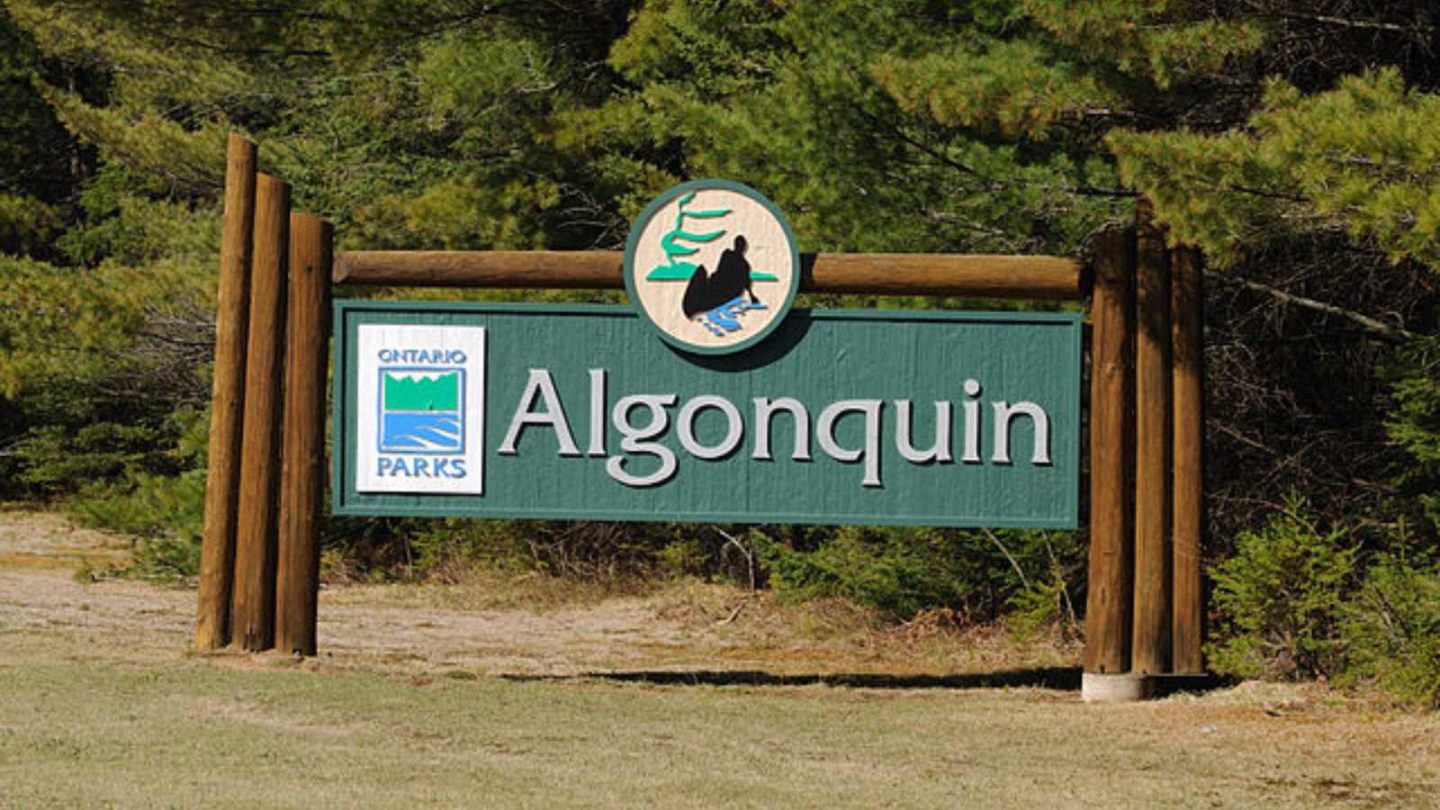
Ontario established Algonquin Provincial Park as its first provincial park in 1893 to protect 7,630 square kilometers of forested land and lakes. The park offers 1,500 km of canoe routes and 170 km of backpacking trails, which draw more than half a million visitors each year. As a nature preserve, Algonquin Park offers significant economic benefits for the province through its tourism industry.
The most significant economic benefits to the park come from visitors traveling from other regions of Ontario, which highlights its importance for regional economic health through domestic tourism.
Algonquin Park offers experiences for a diverse range of adventure seekers, whose spending patterns exhibit significant variations. The most expensive visitors to the lodge spend an average of $1,600 per group per trip and $230 per person per night. Day visitors spend approximately $710 per group, with each person contributing $150 per day. Campers in camper vans and those with cars spend less money per night than other visitors, but they play an essential role in creating the park’s lively atmosphere.
Bruce Trail, Ontario: Hiking Through History, Preserving Nature’s Path
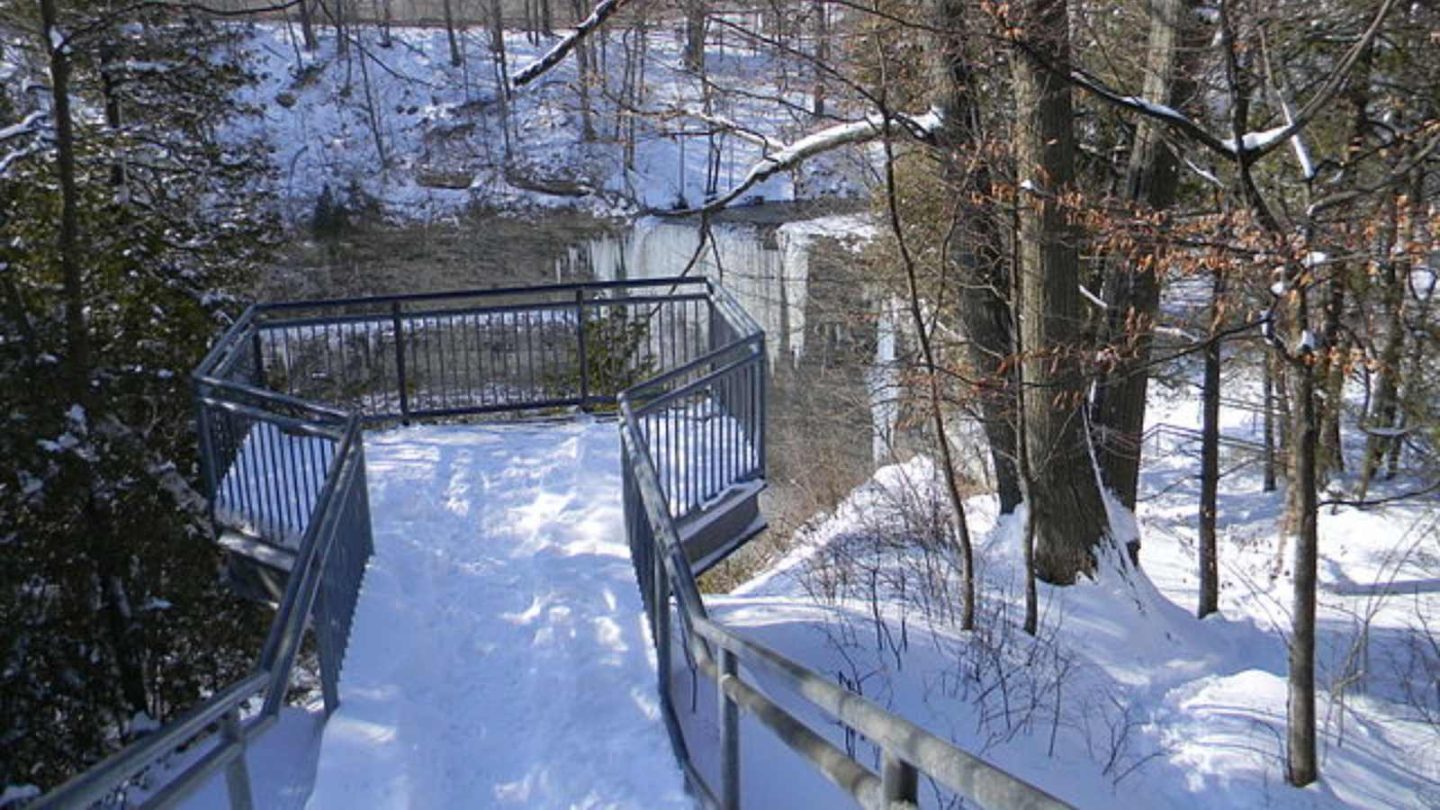
Stretching through Canada’s longest marked footpath along the UNESCO-designated Niagara Escarpment Biosphere, the Bruce Trail presents fantastic hiking prospects. The Bruce Trail serves as a significant attraction, playing a worthy role in bolstering Bruce County’s thriving tourism economy. Bruce County welcomed 2.5 million tourists in 2019, who generated a substantial economic impact of $326.7 million for tourism.
According to the 2019 Economic Impact of Tourism report, using Bruce County data, it was found that more than 95% of visitors indicated plans to revisit, spending an average of $224 per visit. Bruce County statistics show that domestic in-province visitors accounted for over 80% of total visitors, according to the report.
The Bruce Trail Conservancy is the leading organization for the Bruce Trail, with over 12,500 members who support its mission. Through a special program, BTC welcomed 1,251 new Canadians as members to develop their connection to nature. During the 2023-24 period, the BTC hike leaders guided nearly 20,000 people into natural environments.
The trail’s success stems from engaging the community in meaningful ways, which directly supports conservation efforts. Through community participation, they are implementing innovative solutions to combat invasive species, which include boot brush stations at trailheads to enhance the visitor experience while supporting key conservation efforts.
Charlevoix, Quebec: Trail Running’s Epic Stage, UNESCO Beauty
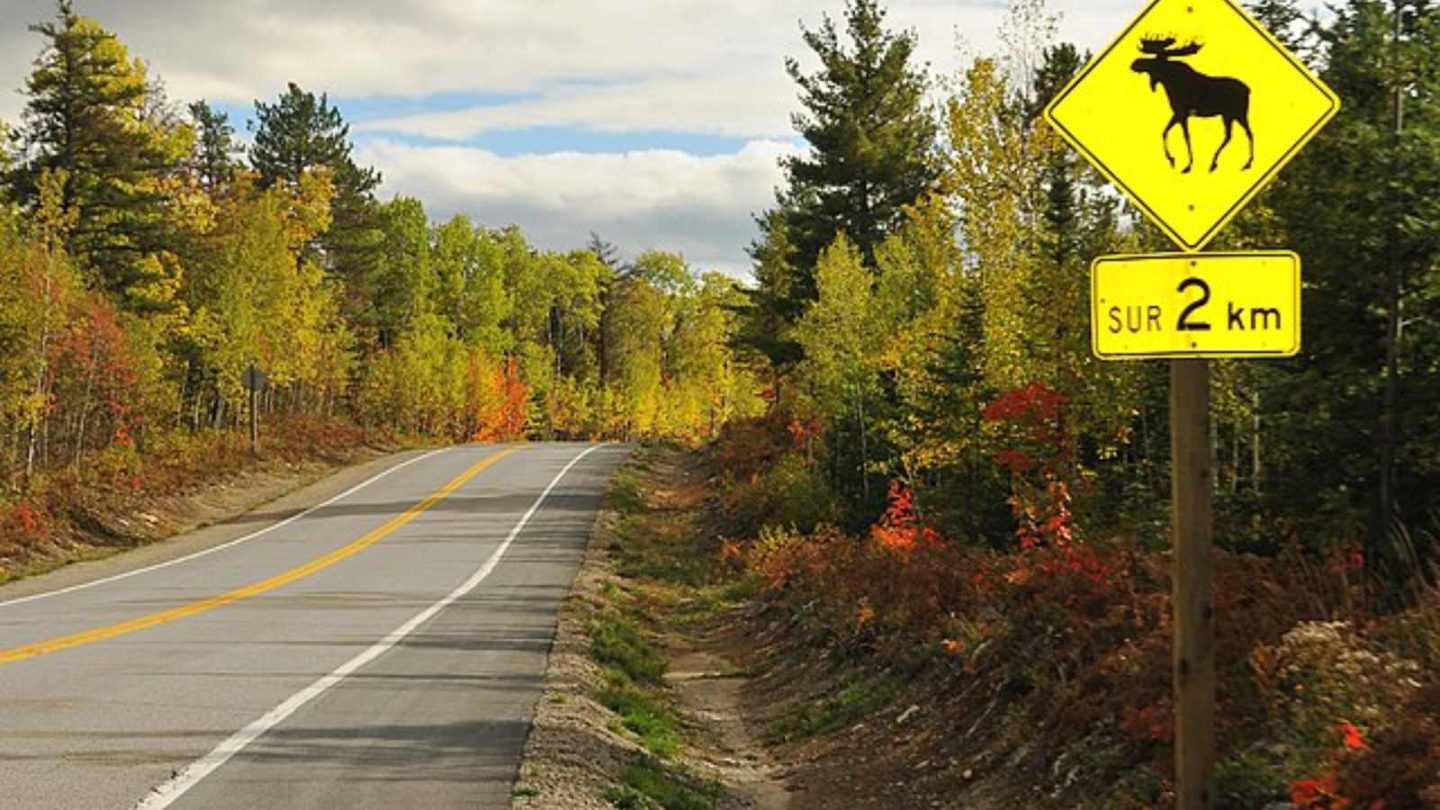
As a UNESCO World Biosphere Reserve, the Charlevoix region in Quebec provides Canada’s wild backcountry with an exceptional trail running experience. The trails offer dense natural beauty and abundant wildlife, while summits emit scents of the St. Lawrence River and boreal forest through the wind. Adventure travelers find this multi-sensory wilderness experience attractive because it offers an immersive connection with nature that goes beyond physical challenges.
Serious runners find their playground at the Ultra-Trail Harricana du Canada (UTHC). The Ultra-Trail Harricana du Canada stands as one of Eastern Canada’s toughest races with its 65 km route that includes over 1,800 meters of elevation gain alongside muddy single-track trails. A specialized event featuring rugged terrain in a distinctive natural environment attracts a devoted international audience, which helps to raise the region’s profile beyond typical tourism.
Key Takeaway: Beyond the Postcard, Into the Adventure

Having scrolled through endless possibilities and imagined countless adventures, you should now seek to comprehend the reasons behind Canada’s irresistible charm and discover how your journey can create a meaningful impact.
The Canadian Tourism Data Collective reports that the tourism sector in Canada is a significant economic powerhouse, generating over $124 billion in annual revenue and supporting 1.1 million jobs, while outperforming traditional resource industries. Your journey to Canada serves as a vital component that enhances national prosperity. Canadian adventure tourism will primarily focus on environmental sustainability.
A powerful trend towards accessible travel that respects the environment and supports local communities is growing, as new-age adventurers prioritize ecological stewardship and the positive impact on local communities. Whistler Blackcomb and Tofino destinations implement sustainable practices while Indigenous partnerships create an authentic and respectful tourism environment.
Canada offers a unique range of activities, from adrenaline-pumping experiences in Whistler and WinSport to wilderness adventures along the Canol Trail and natural spectacles in Fundy and Charlevoix. All adventures, from long treks to family activities, benefit local economies while supporting conservation and building connections between visitors and this amazing land and its people. Canada faces new challenges stemming from its success, including managing high visitation rates in Banff and infrastructure pressures in Tofino. Still, it remains committed to implementing more innovative strategies for sustainable development. The “last chance tourism” situation in Churchill underscores our shared responsibility to protect fragile ecosystems, which we must preserve for future generations.
Traveling to Canada means joining an ongoing story of spectacular natural wonders alongside vigorous economic growth and a dedicated pursuit of sustainability. This call to action invites visitors to explore new places, form meaningful connections, and make a positive impact. Your journey begins with a profound experience that will exceed your expectations!
Disclaimer – This list is solely the author’s opinion based on research and publicly available information. It is not intended to be professional advice.
You Might Also Like:

How To Stick To Your Holiday Budget and Avoid Debt: With the holiday season in full swing, many face high expenses. The anticipation of gift-giving, coupled with the desire to create unforgettable moments, often leads to the common tradition of seasonal spending, with the average holiday budget reaching a considerable sum.