The Right Way to Cook These 15 Foods You’ve Been Getting Wrong
Have you ever taken a bite of something you cooked and thought, “This could have been… better?” Oops, I mean, a lot of people feel that way. It turns out, there’s a good chance you’ve been cooking some foods the “wrong” way. But don’t worry—I’m here to help.
Cooking isn’t just about throwing ingredients together; it’s often about nuance. The temperature, cooking method, and even equipment you use can drastically change the flavor, texture, and overall experience of a dish. The good news? With a bit of guidance, you can stop making these common mistakes and start making food that genuinely wows you, your family, or whoever’s lucky enough to be at your table. Here’s how to cook 15 common foods the right way—not the way you’ve probably been doing it.
Eggs

Scrambled eggs shouldn’t feel rubbery, and fried eggs shouldn’t stick to the pan. The secret? Low temperatures and patience. Instead of cranking the heat, cook your eggs slowly on medium or low heat while gently stirring for fluffier results. And when frying? Use a non-stick pan and a little butter or oil.
Example: Ever notice how diner scrambled eggs are so much silkier than the ones you make at home? That’s because they’re cooked low and slow.
Steak
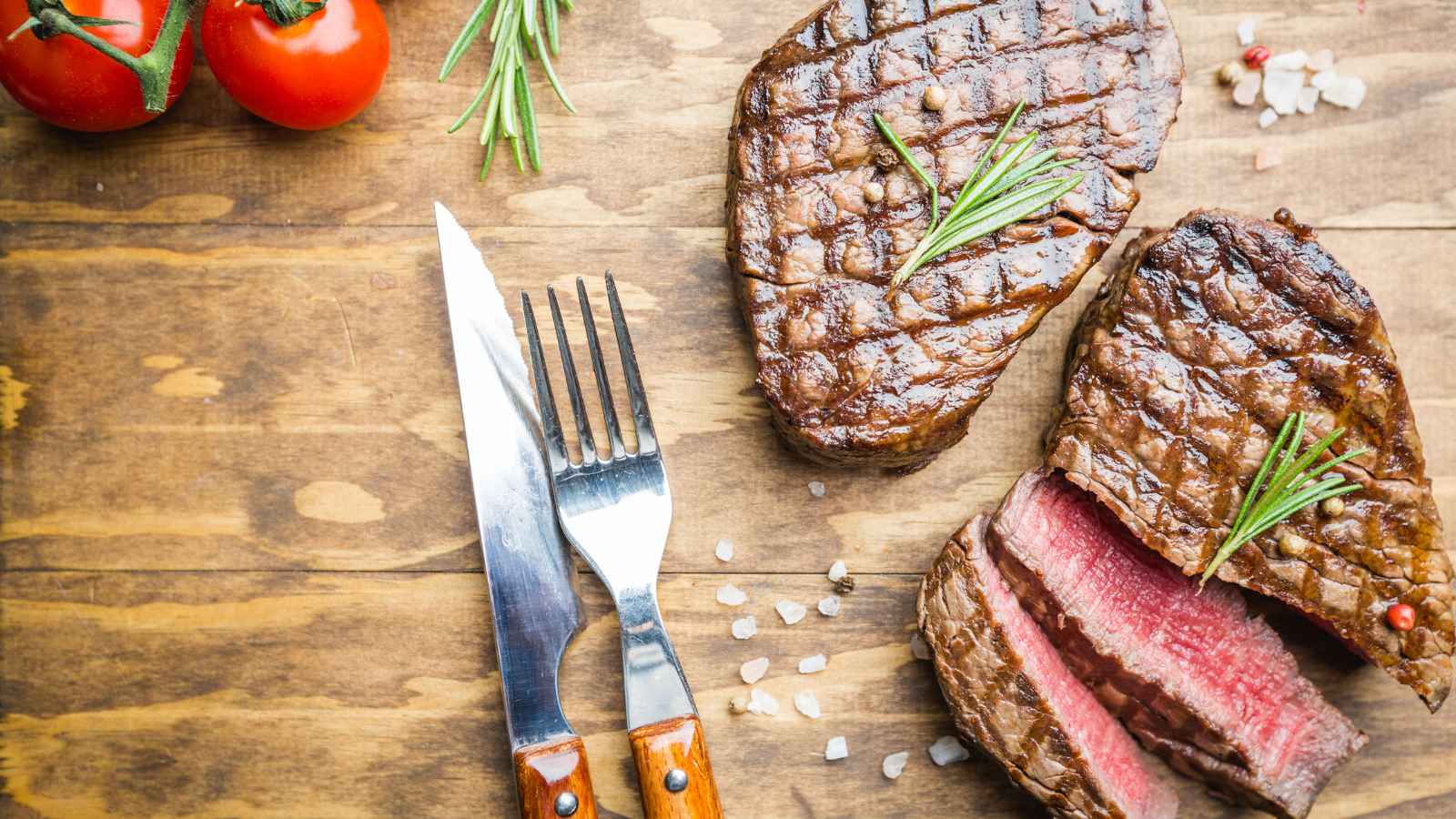
If you’ve been grilling steak straight out of the fridge, stop right there. For tender, evenly cooked steak, always bring it to room temperature first. And please, resist cutting it immediately after cooking. Give it a 5-10 minute rest to keep those juices locked inside.
Key Tip: Invest in a meat thermometer and pull it off the heat when it’s five degrees shy of your target temperature. It’ll finish cooking on its own.
Pasta

If you rinse your pasta after cooking, I’ve got bad news: you’re washing away the starch, which helps your sauce cling to those noodles. And while we’re at it, salt the water generously—as salty as the sea. That’s where your pasta gets its flavor.
Trivia: Did you know Italians save some pasta water to mix into their sauce for extra thickness? Try it next time.
Chicken Breast
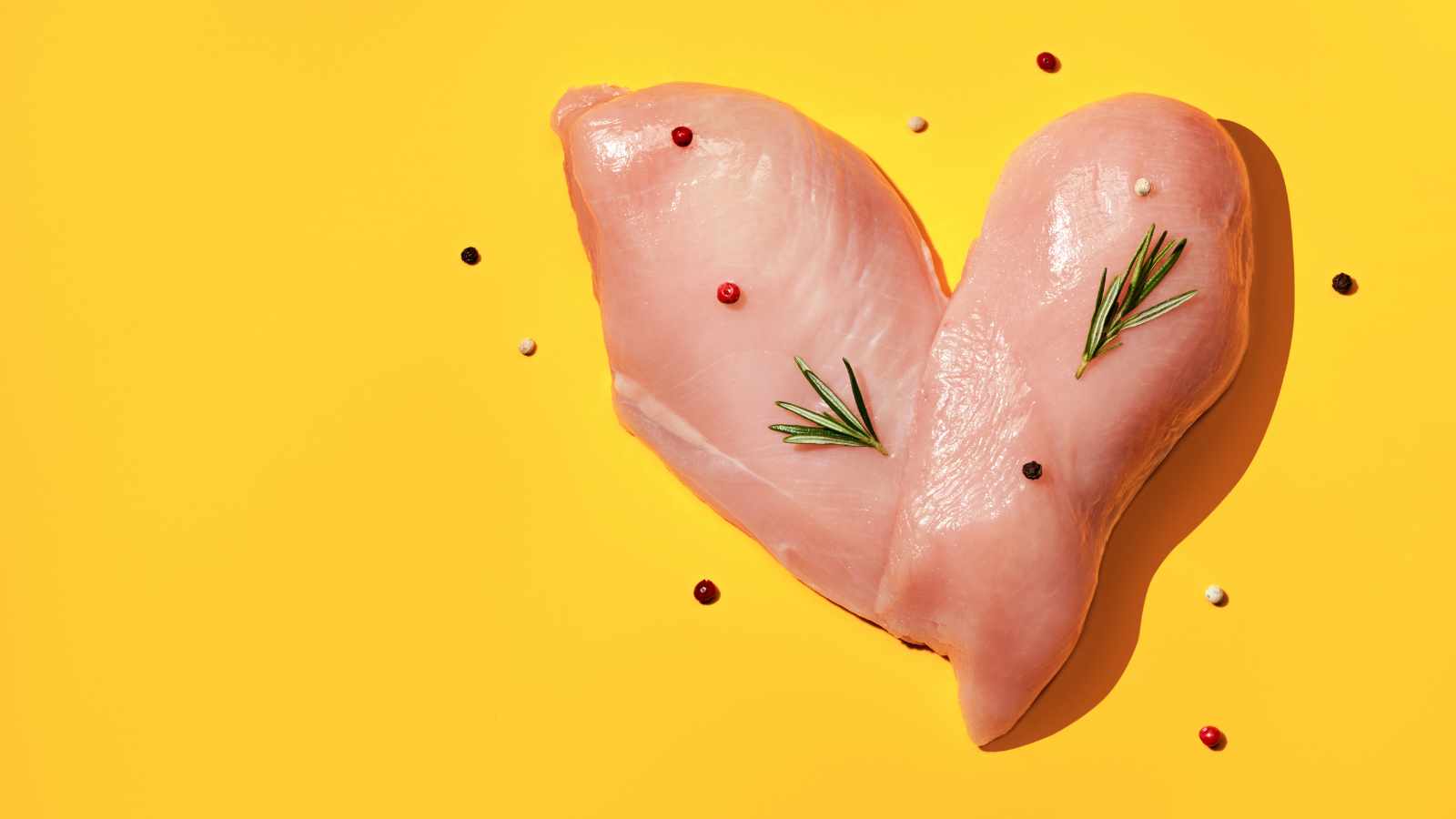
Dry chicken is probably why this protein gets such a bad reputation. The fix? Brine it! A simple water and salt mixture for just 30 minutes can change the game, keeping your chicken juicy and flavorful.
Pro Move: Pound your chicken breasts to an even thickness for more consistent cooking.
Rice
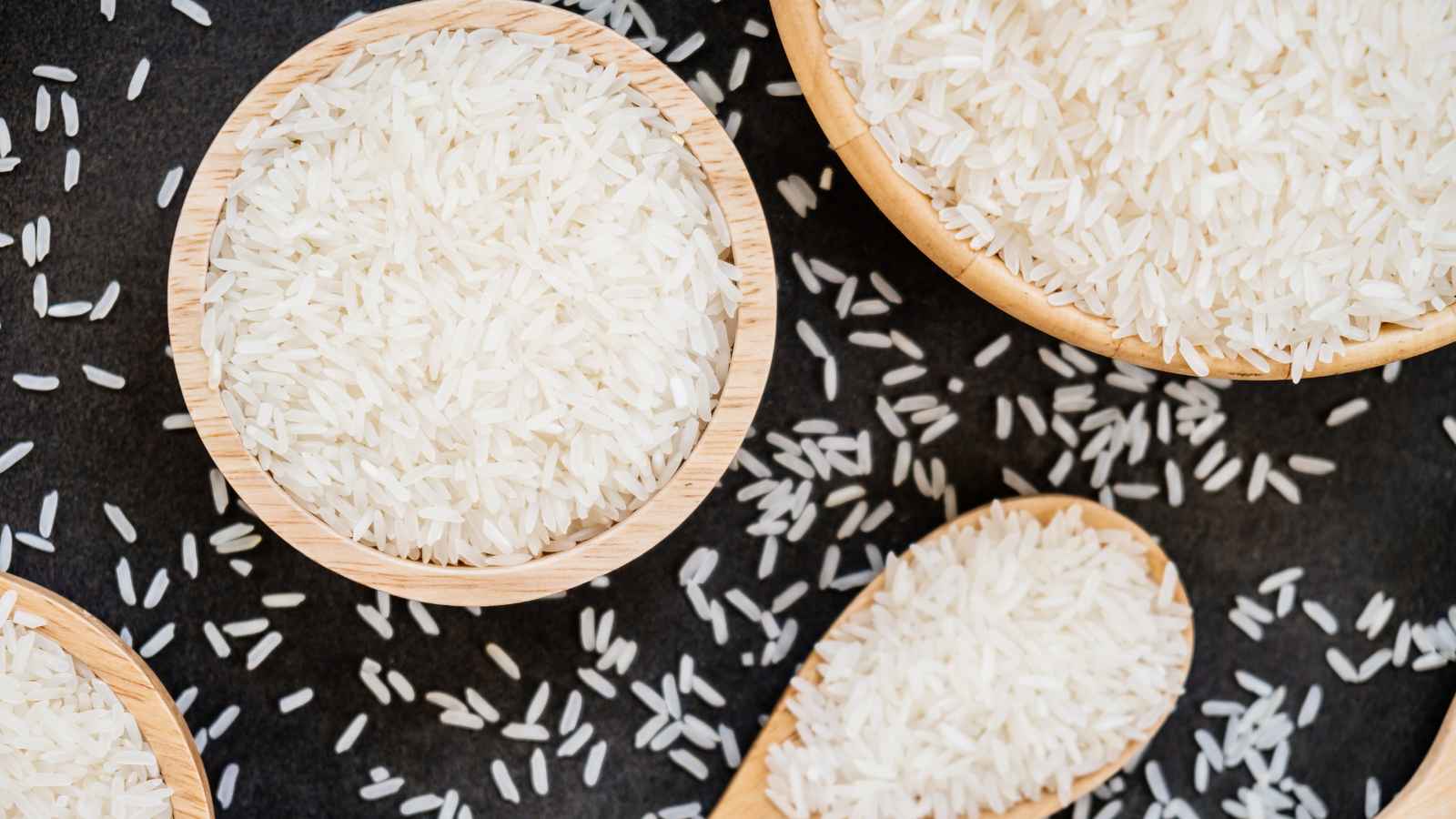
Stop cooking rice without measuring water-to-rice ratios. Always rinse your rice to remove excess starch, which makes it sticky. Then, cook it covered until all the water is absorbed. No peeking!
Memory Trick: A general rule is one cup of rice to two cups of water, though it can vary depending on the grain.
Salmon
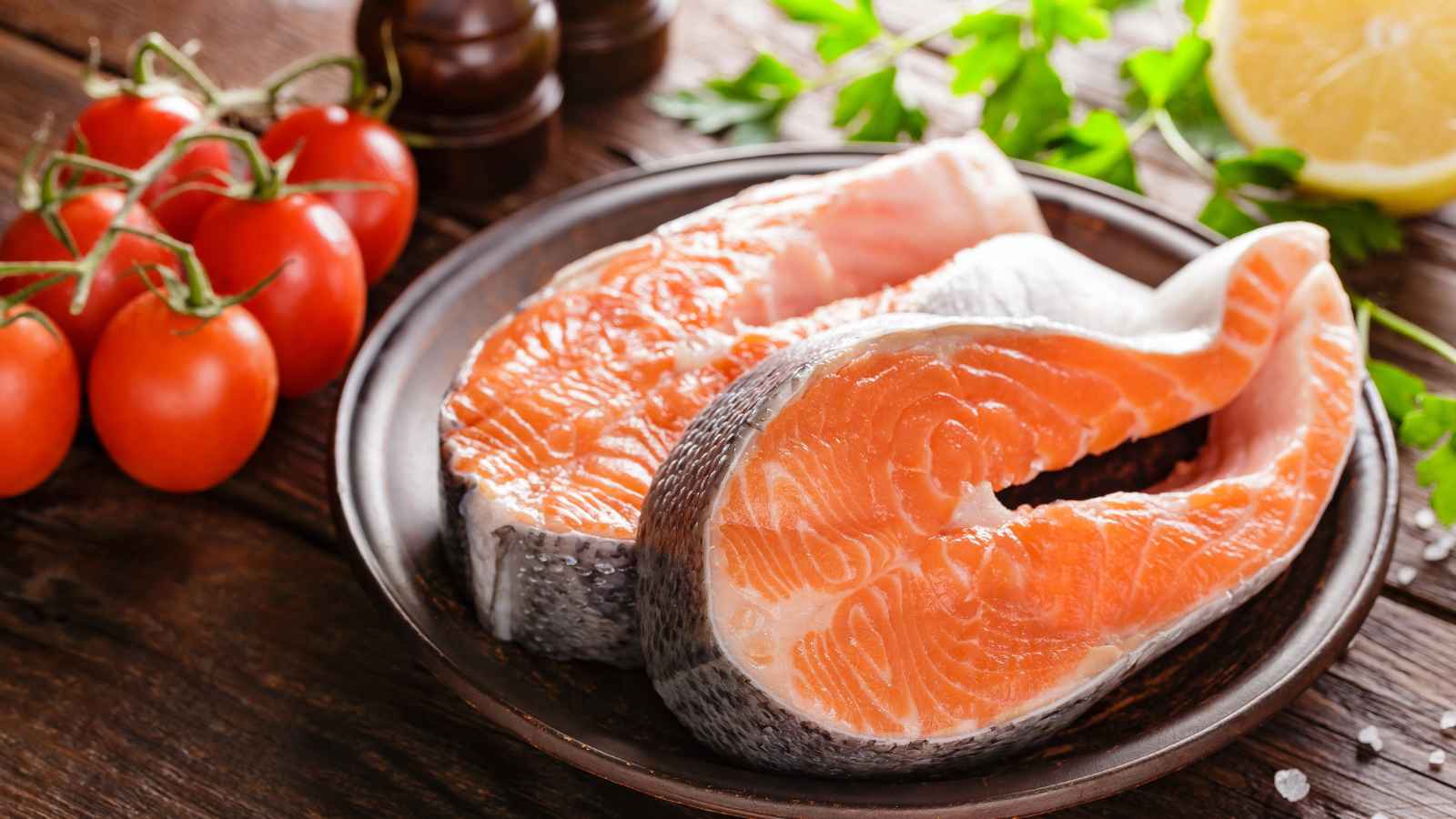
Salmon can go from perfect to overcooked in minutes. To avoid this, bake or pan-sear it until just opaque, then remove it from the heat immediately. And for that crispy skin? Pat it dry before cooking.
Note: Brushing with olive oil or butter and seasoning simply with salt and pepper enhances its flavor without overwhelming it.
Vegetables

Overboiling veggies turns them into mush and kills nutrients. Steam or roast instead. Roasting brings out natural sweetness and adds a delicious char. All you need is olive oil, salt, and a hot oven.
Pro Tip: Aim for a temperature of 400°F to caramelize without burning.
Potatoes
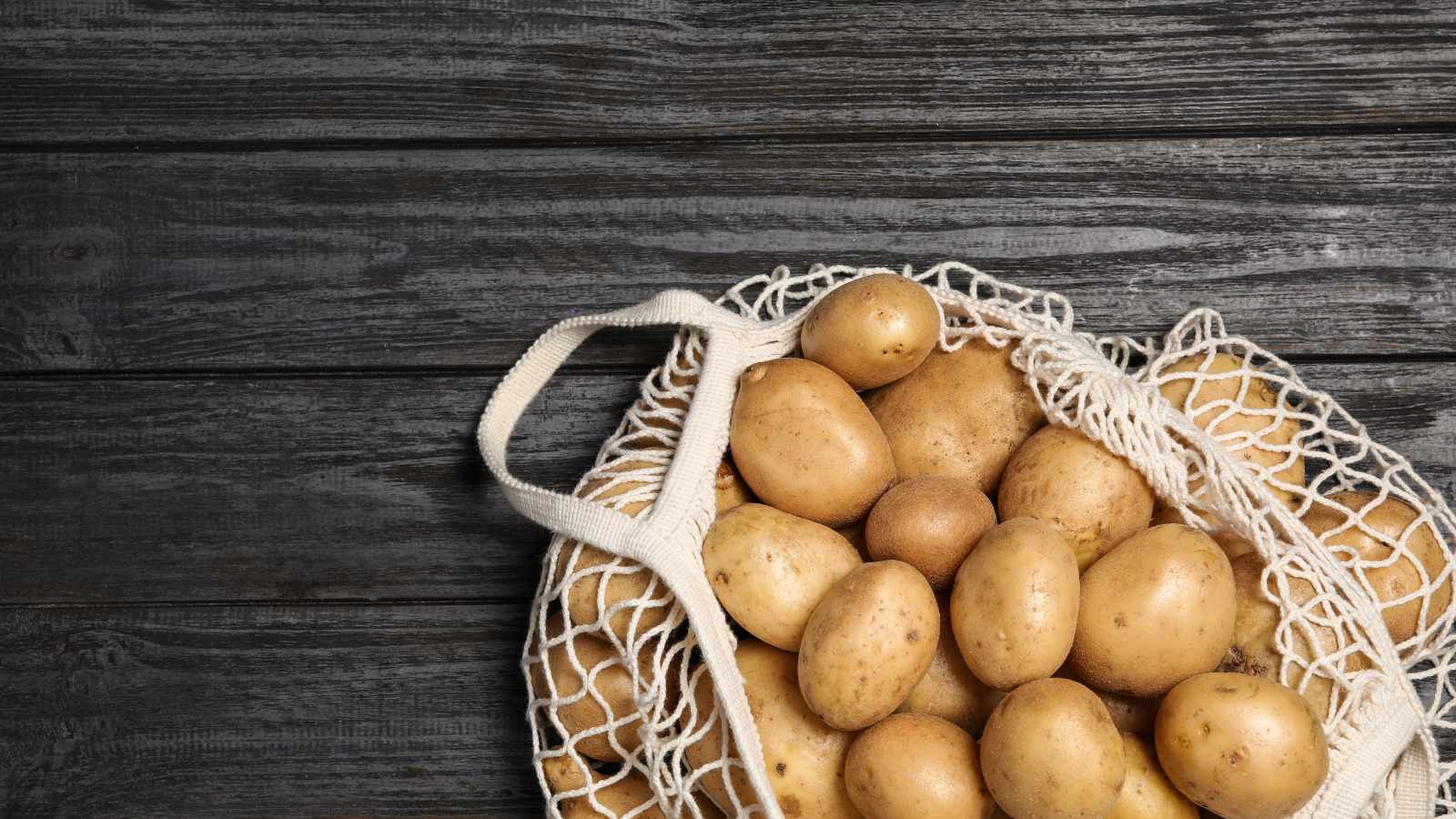
Ever wonder why your roast potatoes don’t turn out golden and crispy? The secret is parboiling before roasting. It softens the inside and sets up the outside for perfect crispiness.
Insider Info: Shake them up in the pot after boiling to create little edges that get super crispy while roasting.
Bacon

If you’re frying bacon directly on a pan over high heat, try baking it instead. Lay your strips on a sheet pan with parchment paper and bake at 400°F. It’s crispy, evenly cooked, and mess-free.
Fun Fact: Rendered bacon fat from this method can be saved and used for cooking other dishes.
Burgers

Pressing down on your burgers while they cook? Never again! This squeezes out the juices and dries them out. Instead, form your patties with a small indent in the center so they cook evenly.
Quick Hack: If you’re grilling, only flip once for the juiciest results.
Quinoa

Most people skip an essential step with quinoa: rinsing. Rinsing removes the bitter coating (called saponin) that can ruin its earthy flavor. Cook it with a 2-to-1 water-to-quinoa ratio for fluffy perfection.
Breaded Chicken

Are your breadcrumbs falling off? That’s because you’re not flouring your chicken before dipping it into egg wash and breadcrumbs. Without flour as a base, the coating doesn’t stick as well.
Pro Move: Press the breadcrumbs firmly to lock everything in place.
Shrimp

Rubbery shrimp are the worst. Always aim to cook them for just 2-3 minutes per side, depending on size. The moment they turn pink and opaque, they’re done.
Mistake to Avoid: Overcooking is easy; keep an eye out.
Pancakes
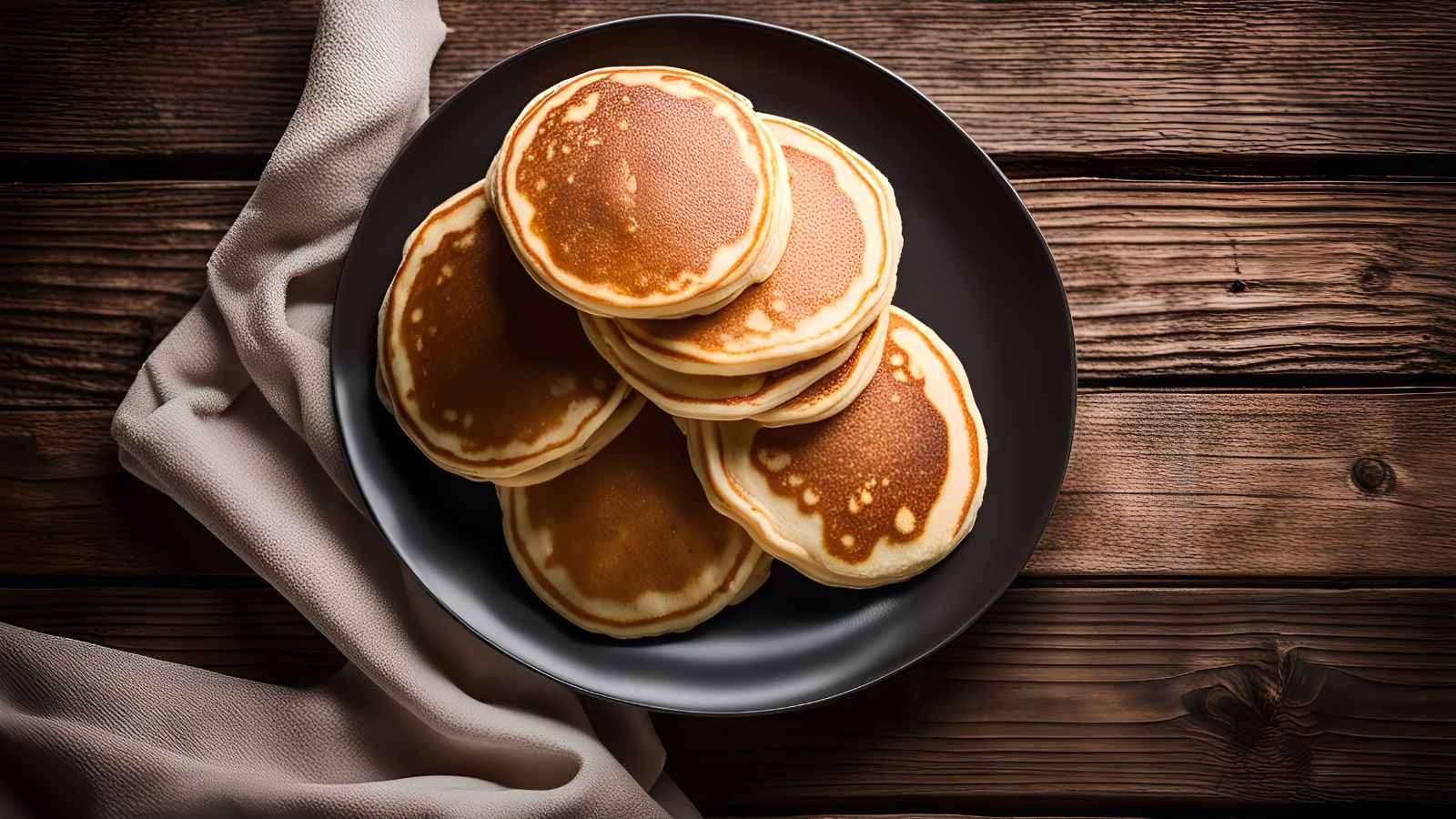
Flipping pancakes too soon ruins them. Wait until bubbles form on the surface before flipping. For fluffier pancakes, don’t overmix your batter; lumps are okay!
Coffee
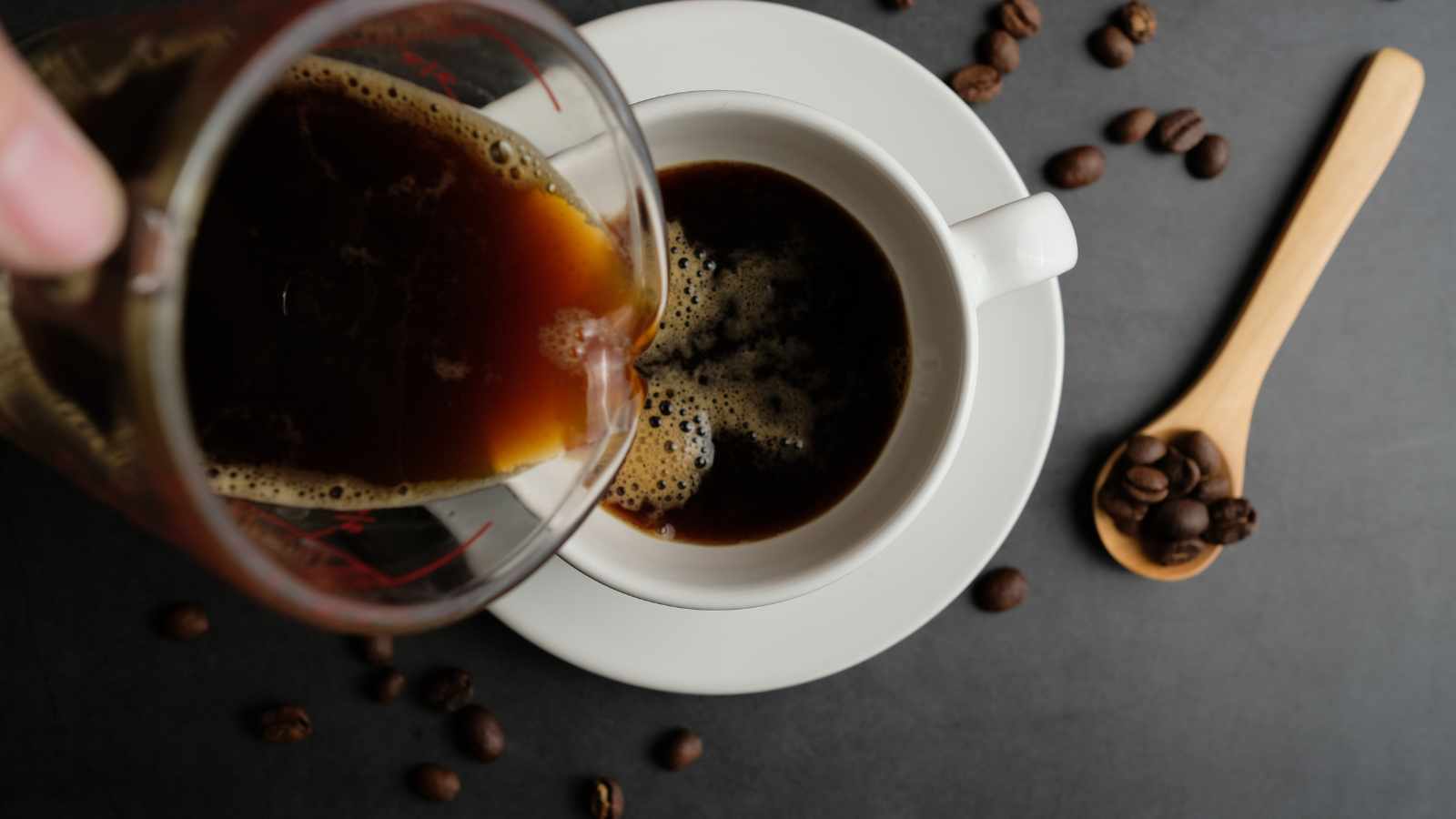
Boiling water burns your coffee grounds. Use water just under a boil (~200°F) for the best brew. And for consistency? Weigh your coffee and use the same ratio every time.
Quick hack: The Gold Standard is 16 grams of water per gram of coffee.
Disclaimer – This list is solely the author’s opinion based on research and publicly available information. It is not intended to be professional advice.
You Might Also Like:

10 Greatest Travel Apps To Help You Save Money: Travel apps are essential for travelers who want to maximize their experiences while saving money. These innovative travel applications have revolutionized how we plan, book, and experience travel. Here are ten such travel apps.
- 10 Extreme Measures People Took To Travel on the Cheap
- Ultimate Guide To Picking The Best Travel Credit Card