17 Countries Where Rising Heat Is Driving Tourists Away
Climate change is making the world hotter, and that effect extends beyond just polar bears, who struggle with the warmth. Tourists adjust their travel plans because they seek cooler destinations as temperatures rise. Popular tourist spots are facing declining visitor numbers as global tourism suffers from literal heat waves.
The World Tourism Organization reports that rising temperatures resulting in extreme weather events discourage approximately 15% of international tourists each year. The heat creates more than just discomfort, as it turns outdoor tours into unbearable experiences and disrupts ecosystems, posing life-threatening dangers.
The combination of extreme summer temperatures and insufficient shade, along with health risks such as heatstroke, drives tourists away from once-popular destinations. The effects of global warming are evident in both cities, which are frequently affected by heat waves and glaciers that are rapidly melting. This list shows 17 countries where extreme heat has hurt their tourism industries. Are you rethinking your next vacation yet?
Spain

Spain’s hot summers have become intolerable for many people. Recent years have seen Seville experience unprecedented temperature peaks above 114°F.
Flamenco and food tours experience reduced attendance as pavement temperatures reach oven-like levels. The soaring sun poses a challenge for Andalusia, as fewer tourists visit the region. People who visit the beaches of Costa Blanca choose to stay away because the increasing risk of heat exhaustion becomes too dangerous.
The constant heat makes traditional siestas ineffective for activities such as walking tours and outdoor dining. The expense of staying in air-conditioned hotels is making budget travelers avoid these destinations.
The United Arab Emirates
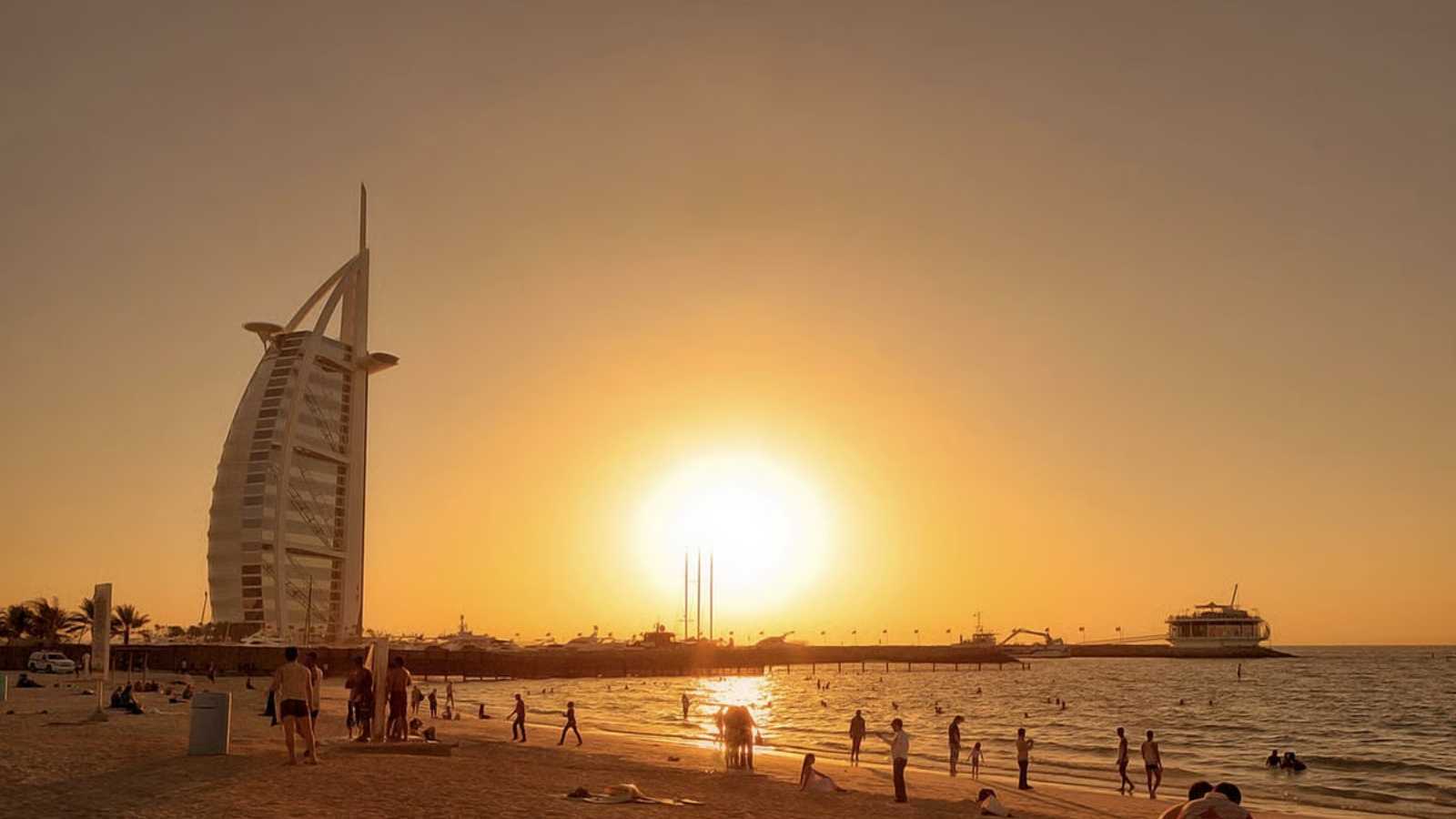
The UAE has achieved indoor luxury mastery, but outdoor temperatures that reach 122°F prohibit extensive open-air activities. Sun exposure risks now deter thrill-seekers from visiting the deserts that once attracted them.
Rising midday temperatures lead to fewer visitors booking camel rides at sunset or touring Bedouin camps. Tourists abandon Dubai’s famous souks for mall culture while seeking indoor shelter. This trend indicates that climate change impacts destinations regardless of their level of wealth.
Italy
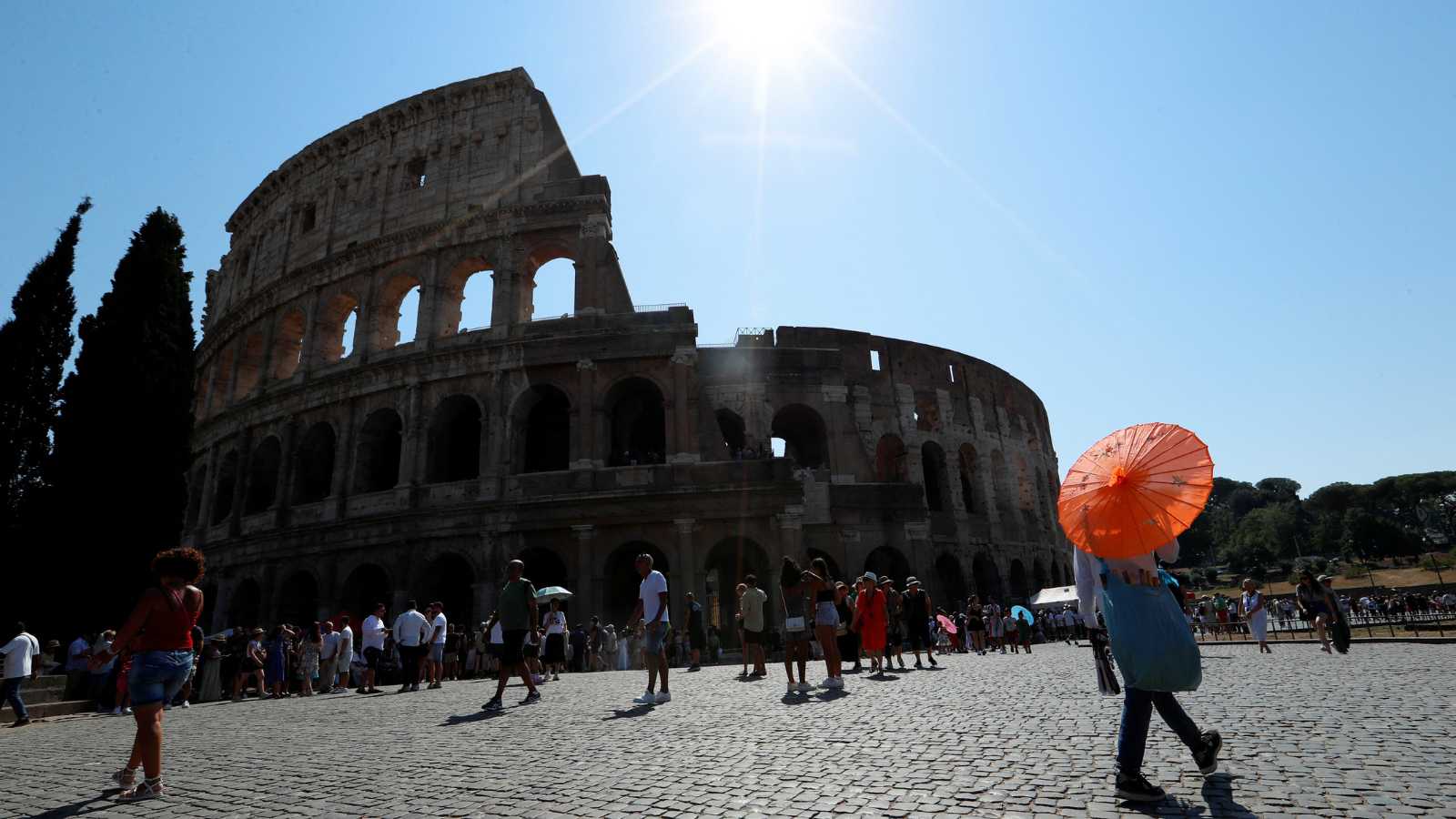
Can you imagine having fun at the Colosseum when temperatures reach 104°F? Many don’t. Tourists avoid Italy’s historic locations because rising temperatures turn these sites into unbearable heat traps—the summer heat drives away visitors from Rome’s piazzas and Milan’s lively streets.
Tourists now favor destinations with milder temperatures over the city of Florence, which was once a romantic hotspot. The retreat of mountain glaciers makes the Italian Alps less attractive for quaint getaways. Visitors opt for comfortable experiences rather than enduring extreme heat to capture Instagram-worthy photos.
Thailand
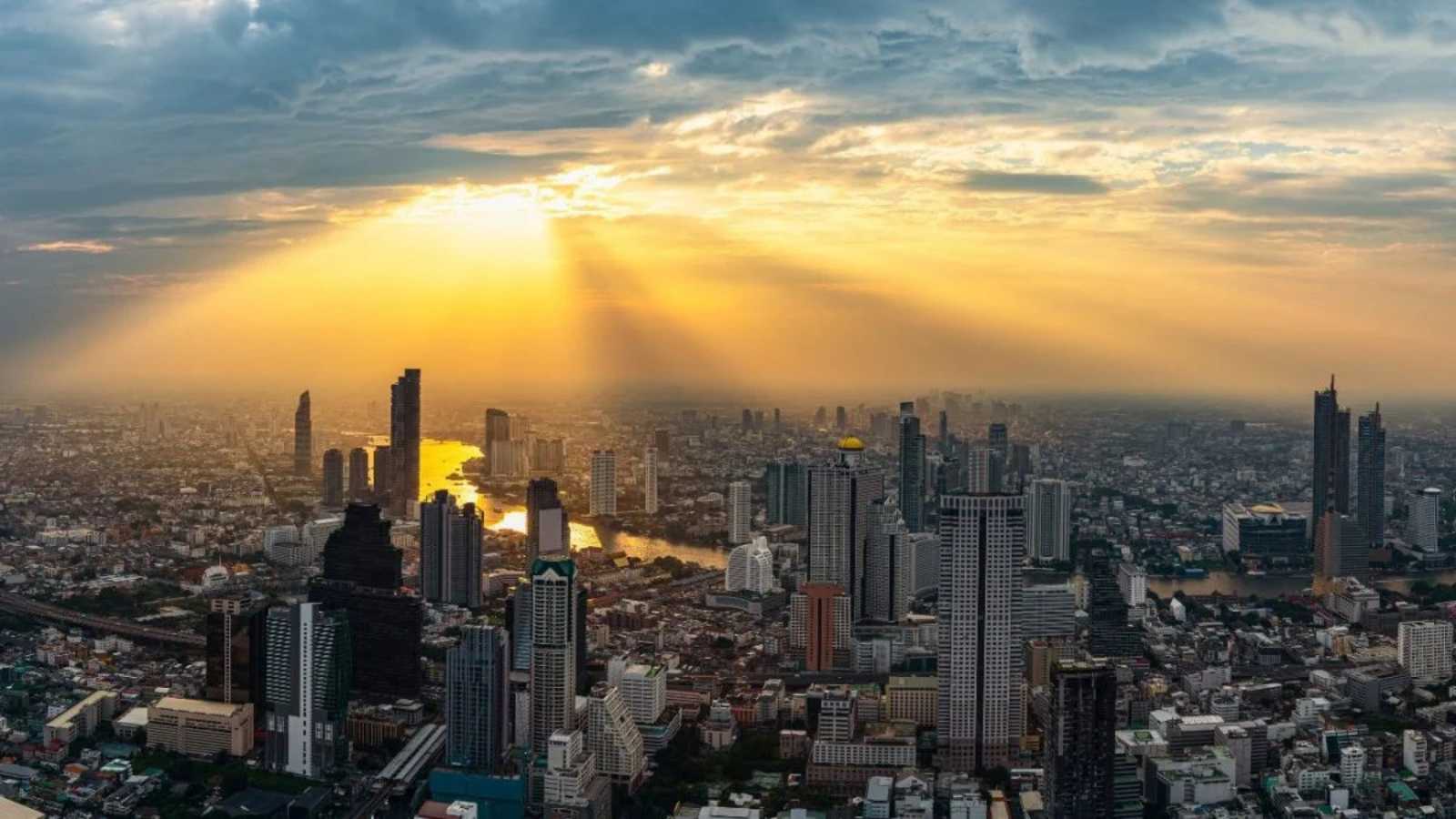
Now recognized for its rising heat and humidity levels, Thailand has shifted from its former status as a budget-friendly tropical haven. Bangkok experienced a heatwave of 105°F in 2024, which caused tourists to struggle with excessive sweating. The allure of street markets and tuk-tuk rides diminishes when people are seeking shade.
Tourists choose cooler destinations when they leave Phuket and Koh Samui behind during their quiet seasons to avoid oppressive heat. Tour operators face significant challenges because the extreme heat index saps more energy from tourists than it enables them to engage in adventurous activities.
Greece

Despite Greece and its famous islands, such as Santorini, being ideal destinations, their appeal diminishes due to extreme heat conditions. Many travelers choose to skip the July and August peak season because heat warnings have become a frequent occurrence.
Hiking tours to ancient sites such as the Acropolis are becoming less appealing because visitors are uncomfortable in extreme heat. Intense heat waves overpower coastal breezes, which reduces the romantic appeal of seaside dinners.
India
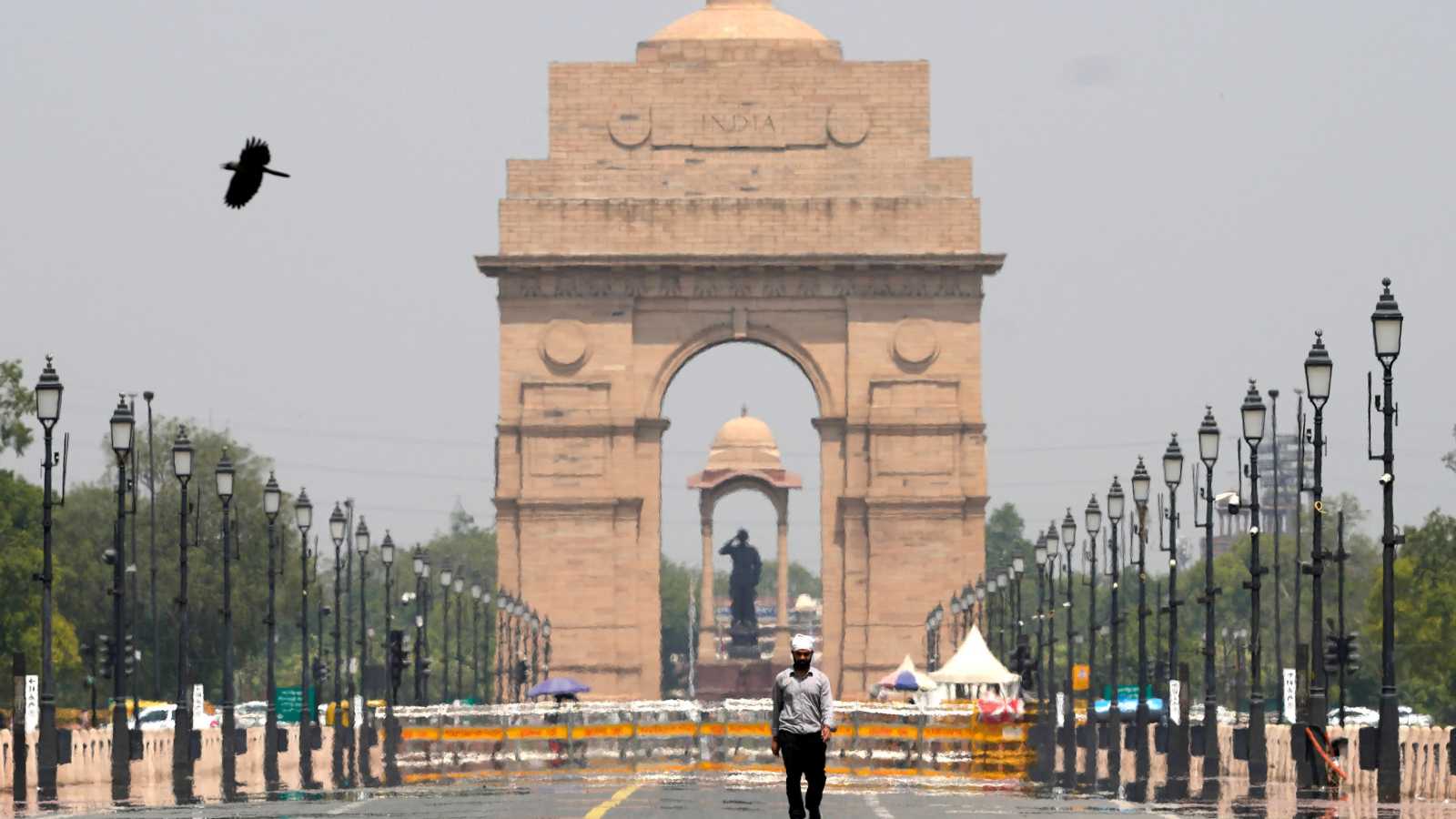
The Himalayas of India are facing mounting threats from climate change, which is damaging glaciers and reducing the appeal of high-altitude tourism. Hotter temperatures are melting glaciers faster. Lowland urban centers, such as Delhi, face continuous temperatures of 110°F, which frequently dissuade tourists from visiting.
Tourism numbers have dropped in both the Manali-Leh trekking routes and cultural attractions in Rajasthan as tourists are choosing destinations with milder climates.
Australia
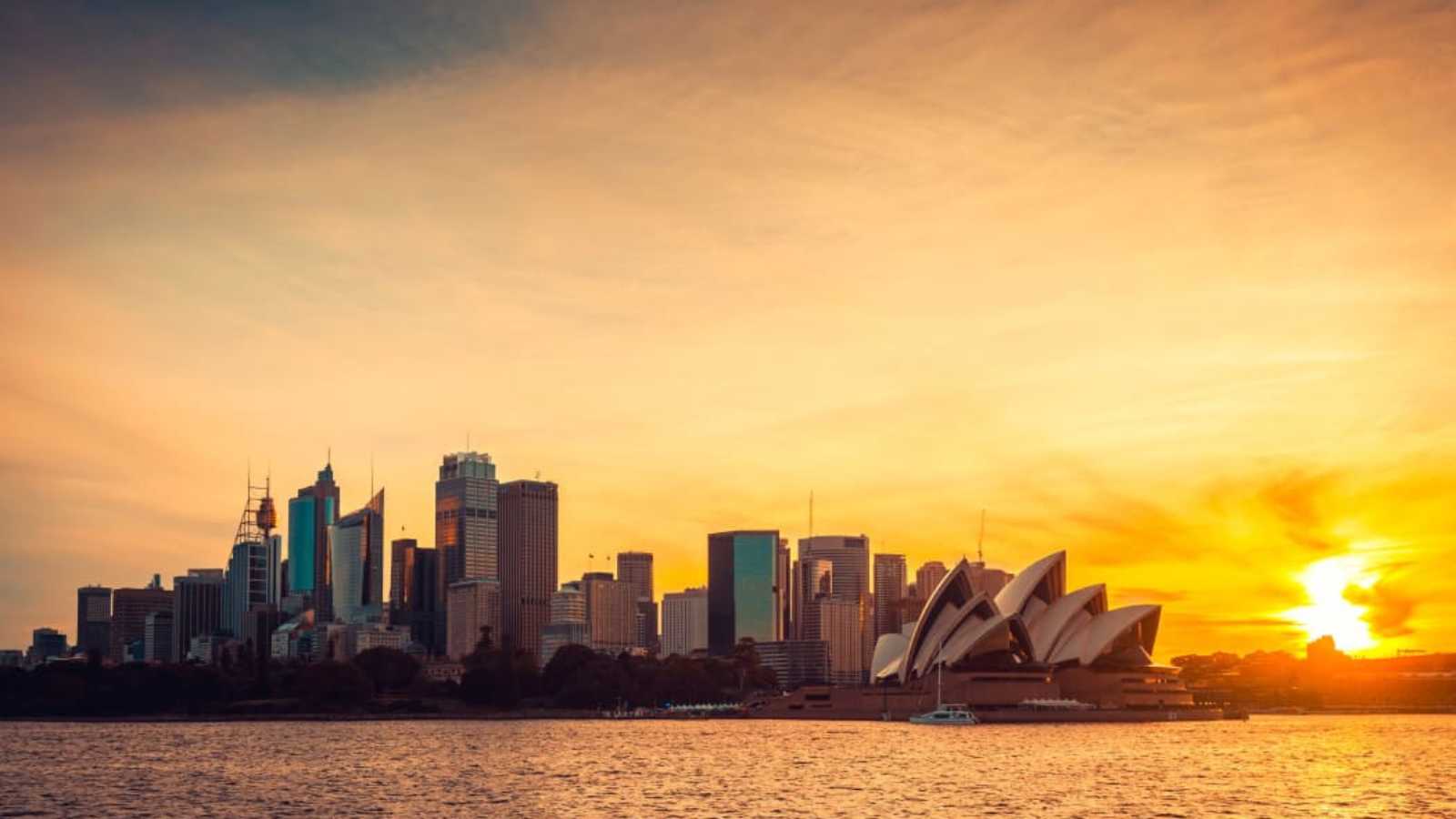
Australia’s tourism industry faces challenges due to increasingly hotter and prolonged summer seasons. For several decades, Sydney and Melbourne have registered temperatures surpassing 113°F. The iconic Bondi Beach visit and Great Barrier Reef tours face challenges due to increasing heat. The combination of coral bleaching and harsh conditions reduces the appeal of Australian summer travel for tourists.
France
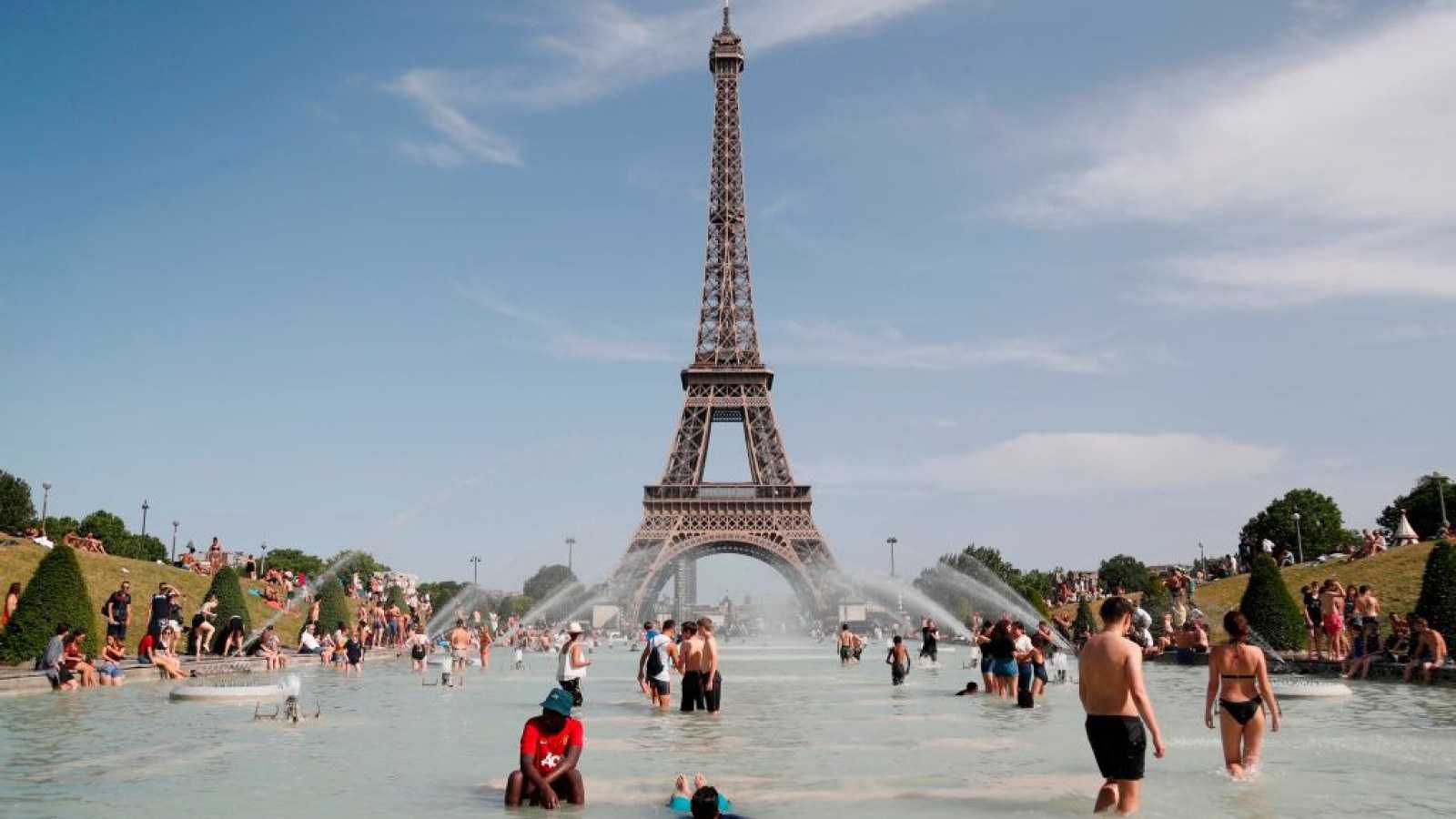
The allure of France is fading from Paris rooftops to Provence vineyards under the relentless heat. The 105°F summer temperatures are causing visitors to rethink their travel itineraries. The Loire Valley, known for its traditionally mild climate, is now experiencing substantial warming.
Tourists avoid France in the summer because viewing the Eiffel Tower can turn into a sweaty ordeal, leading to fewer arrivals as travelers seek cooler destinations.
Japan
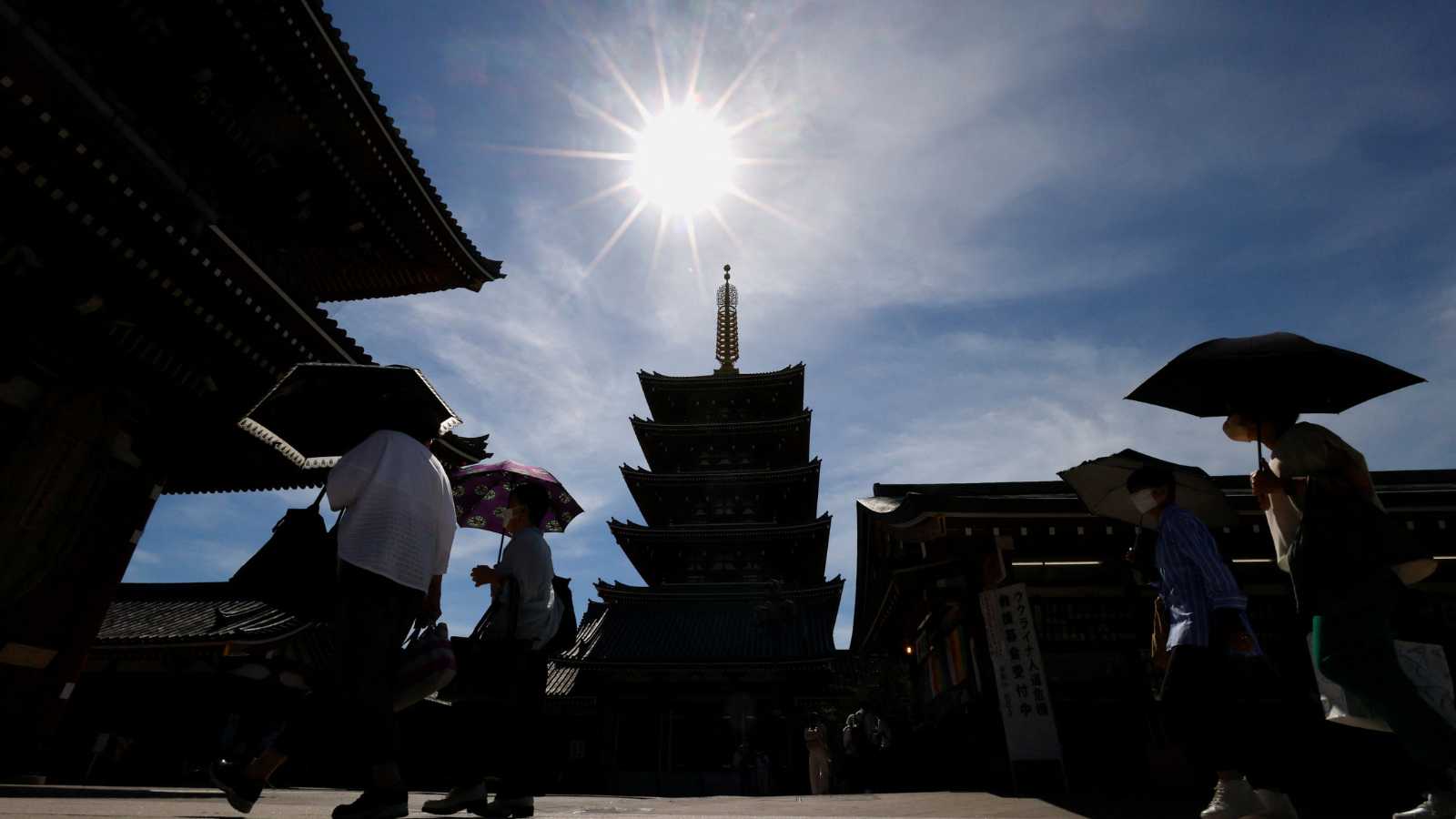
Visitors now avoid Japan’s muggy season because Tokyo and Kyoto experience temperatures that reach 104°F. Traditional tea gardens and outdoor shrines now experience sweltering heat instead of the tranquility they once offered. Mountain retreats are facing increasing temperatures, which result in fewer summer visitors.
Travelers now choose springtime or autumn tours to experience mild weather and view Japan’s renowned cherry blossoms or colorful fall foliage. Tour operators now focus their advertising on autumn and spring periods to attract tourists who seek both comfort and attractive scenery.
Egypt

The Great Pyramid of Giza faces deterioration as it endures relentless exposure to the sun’s heat. Temperatures rising to mid-40°C (over 104°F) during Egyptian summers deter tourists from exploring the nation’s cultural treasures. The extreme heat makes Cairo desert camel tours unattractive to tourists. Choosing cooler seasons has transformed from an option to an essential decision.
Turkey
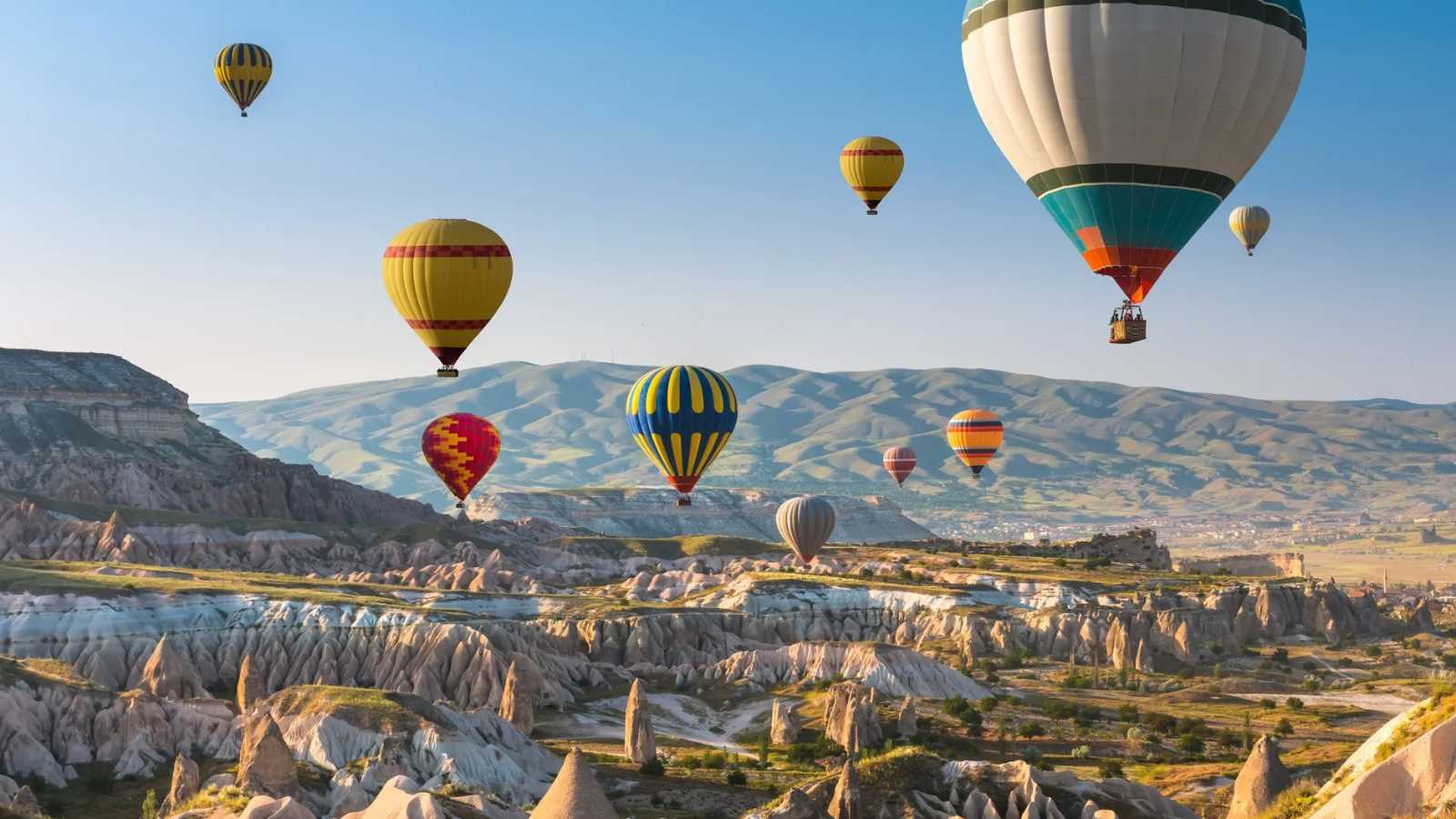
Weather safety concerns due to hotter conditions threaten to cancel Turkey’s iconic Cappadocia balloon rides. Tourist foot traffic at Istanbul’s grand bazaars and outdoor restaurants declines during midday heat spikes.
The Aegean and Mediterranean coastal beaches are experiencing reduced peak tourism periods due to heat waves discouraging visitors. Travelers are opting to avoid extreme heat by booking trips to northern areas or choosing off-season travel times.
Morocco
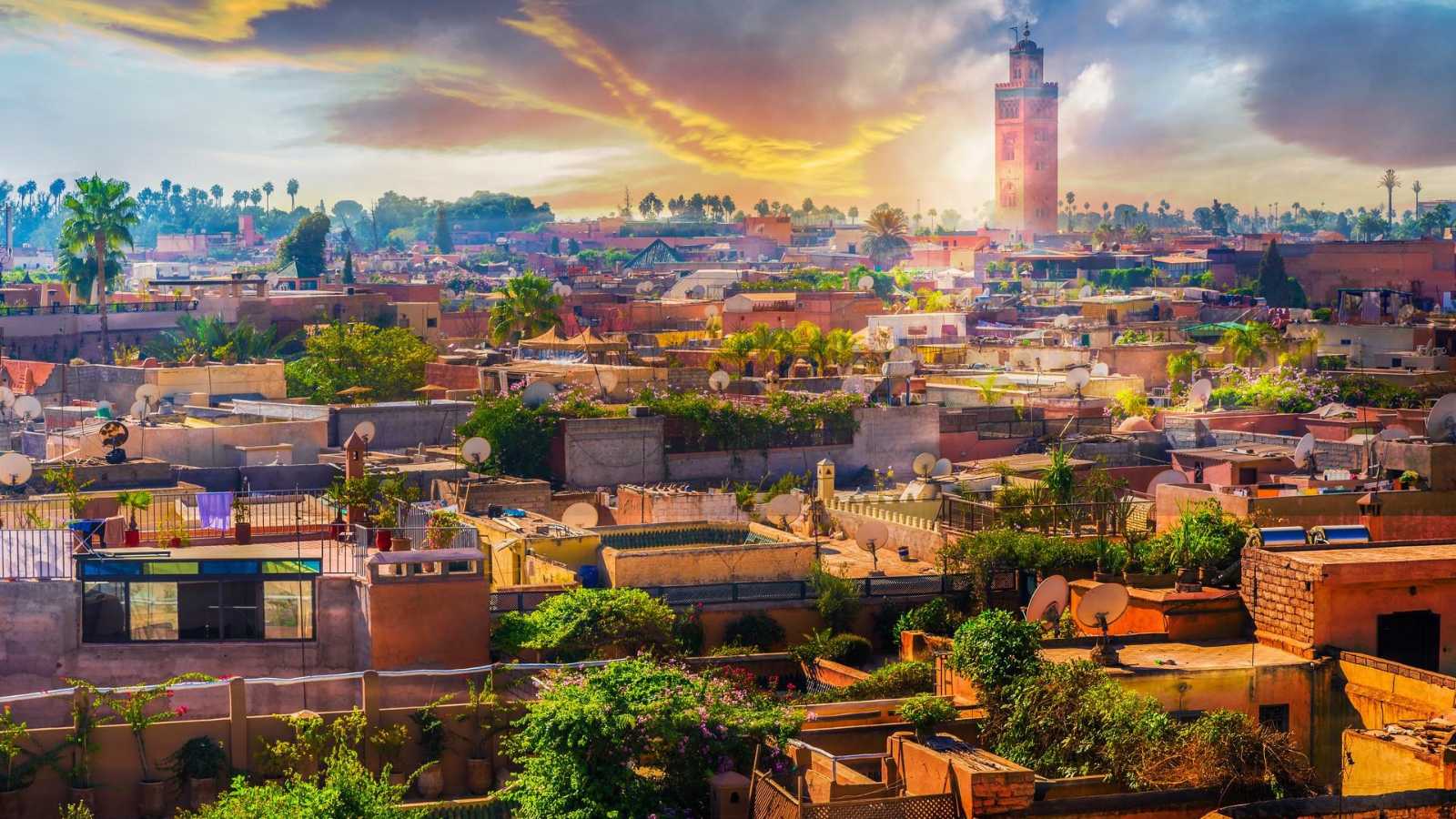
The summer heat, which often exceeds 115°F across Morocco from Marrakech to Casablanca and the Saharan dunes, leads to fewer visitor numbers as travelers seek cooler seasons to explore these areas. Tourists now visit medinas at night as daytime crowds have reached their lowest levels.
The peak summer months now lead to fewer people choosing camel treks and desert camping, which were once key activities for adventurous travelers. More tourists now choose coastal destinations, such as Essaouira, to experience the cooling Atlantic breeze, which provides relief from intense heat.
Portugal

The Atlantic coast of Portugal remains popular among beach lovers, but inland towns like Evora struggle with temperatures reaching 104°F. Tourists find outdoor festivals and vineyard tours less appealing because they experience discomfort during these events.
The number of visitors shopping at local stores and dining at restaurants while visiting cultural attractions has declined for businesses operating in these areas. Methods to bring tourists back include developing shaded walking paths and encouraging travel during less busy seasons.
Brazil
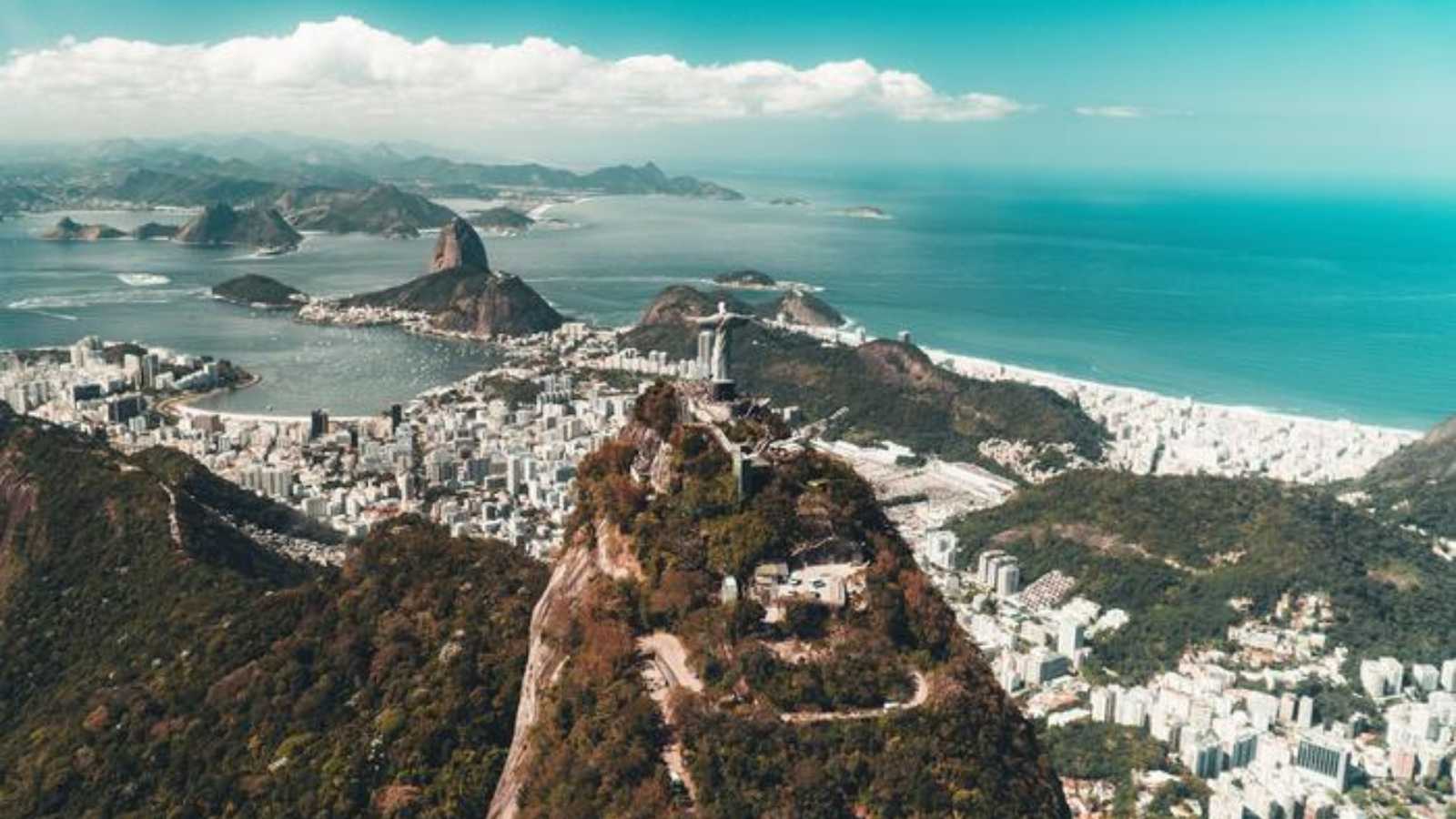
Brazil’s Amazon region is facing increasing difficulties due to its tropical climate, which is experiencing unprecedented levels of heat and moisture. Casual tourists find jungle treks more challenging to complete as extreme rainfall leads to significant drops in participant numbers.
Local tourism operators, as well as their neighboring communities, which depend on tourist dollars, face consequences from this shift. The region requires innovative eco-tourism projects and enhanced climate adaptation measures to sustain tourist interest in this vital area.
Mexico
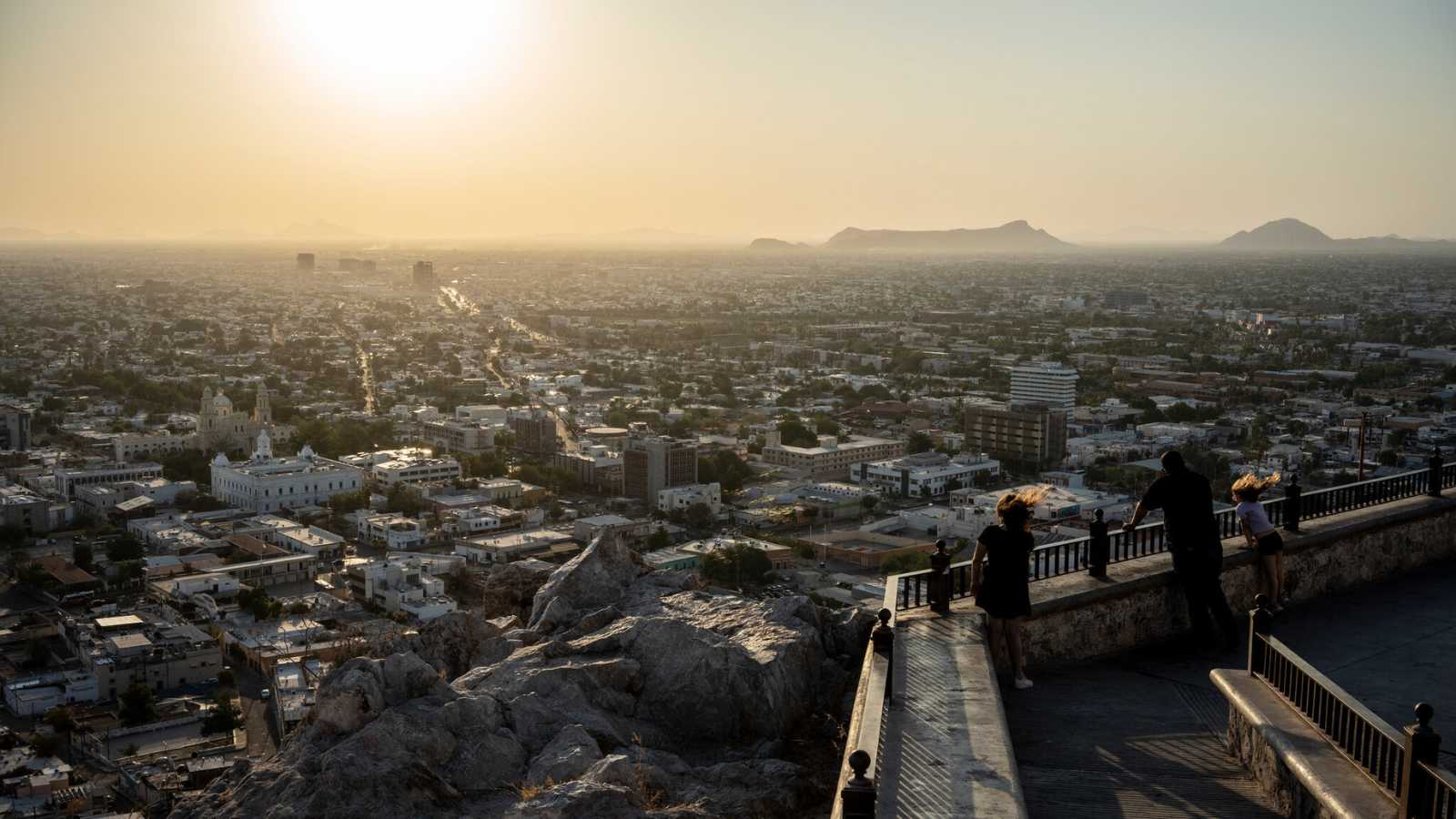
During peak travel months, Cancun and Playa Del Carmen experience temperatures near 100°F, which causes a decline in visitor numbers. The tourism industry maintains robust activity throughout the year, but encounters decreased occupancy during the summer months because tourists tend to choose destinations with cooler climates.
Resort proprietors enhance guest comfort by adding more shaded outdoor spaces and air-conditioned facilities in their establishments. The region now promotes sustainable tourism practices that enable visitors to enjoy their surroundings responsibly while minimizing their environmental impact.
Nepal
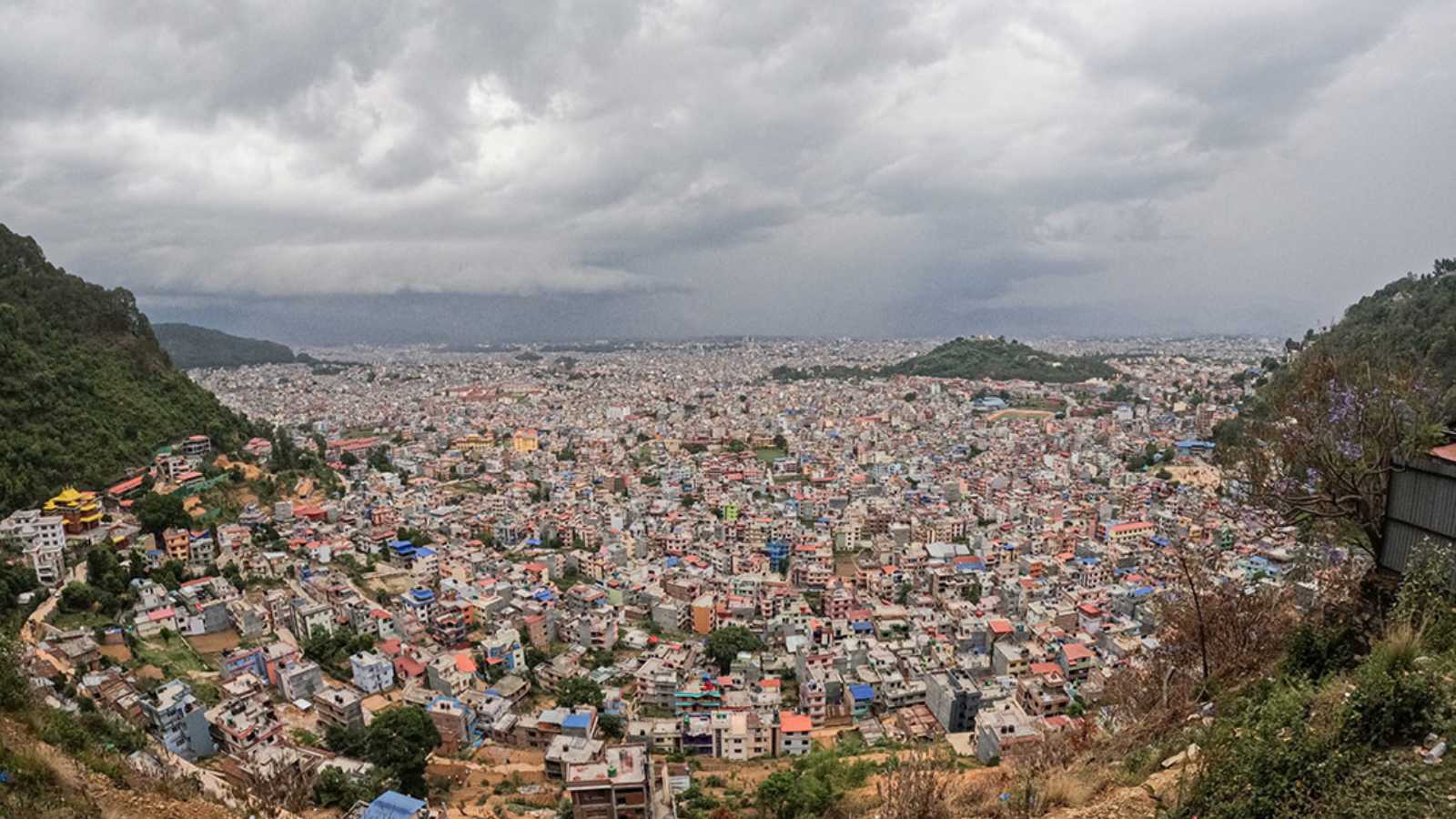
Climate change is leading to significant environmental shifts at popular trekking sites such as Everest Base Camp. The decline of snow cover and glacier retreat serves as a deterrent to climbers and tourists alike.
Tourism-dependent local communities face economic impacts, as well as the natural beauty of the region, which is being affected by these changes. Current initiatives aim to educate travelers about eco-friendly trekking methods to preserve these vulnerable environments for upcoming generations.
The Maldives
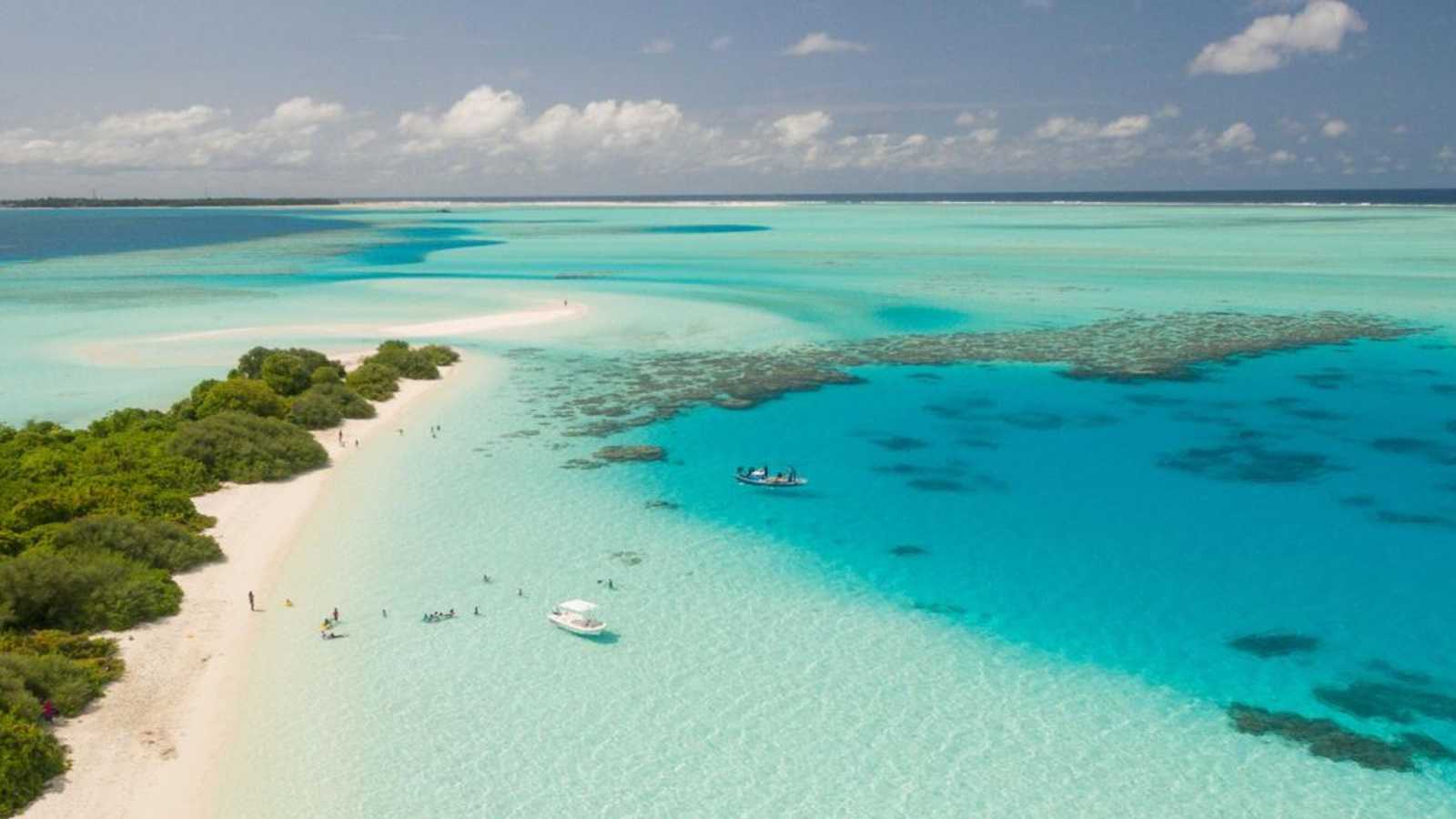
Despite its luxurious appeal and beautiful beaches, rising sea levels and intense heat during peak seasons lead to a decrease in tourist visits to this sought-after destination. Tourists now tend to delay their travel plans until the cooler and drier periods arrive.
Travel patterns now exhibit an enhanced awareness of climate impacts among tourists. The situation demands prompt actions to address these difficulties while protecting the Maldives’ natural beauty for future generations.
Disclaimer – This list is solely the author’s opinion based on research and publicly available information. It is not intended to be professional advice.
You Might Also Like:

10 Greatest Travel Apps To Help You Save Money: Travel apps are essential for travelers who want to maximize their experiences while saving money. These innovative travel applications have revolutionized how we plan, book, and experience travel. Here are ten such travel apps.
- 10 Extreme Measures People Took To Travel on the Cheap
- Ultimate Guide To Picking The Best Travel Credit Card