15 Classic Dishes You’ll Rarely Find on Restaurant Menus Anymore
Ever flipped through an old family recipe book and wondered why Aunt Mildred’s famous Baked Alaska isn’t at your favorite restaurant? Certain items that were once found on restaurant menus, dinner tables, and during family get-togethers have discreetly disappeared from modern menus. These recipes, once regarded as the pinnacle of culinary, have given way to current trends.
Get ready to dig in (and maybe hop in a time machine) as we serve up 15 iconic meals that have vanished from today’s menus. Discover their fascinating backstories. Why did they disappear? And take a delicious trip down memory lane. Feel the nostalgia, satisfy your cravings, and gain a whole new appreciation for culinary history.
Lobster Thermidor
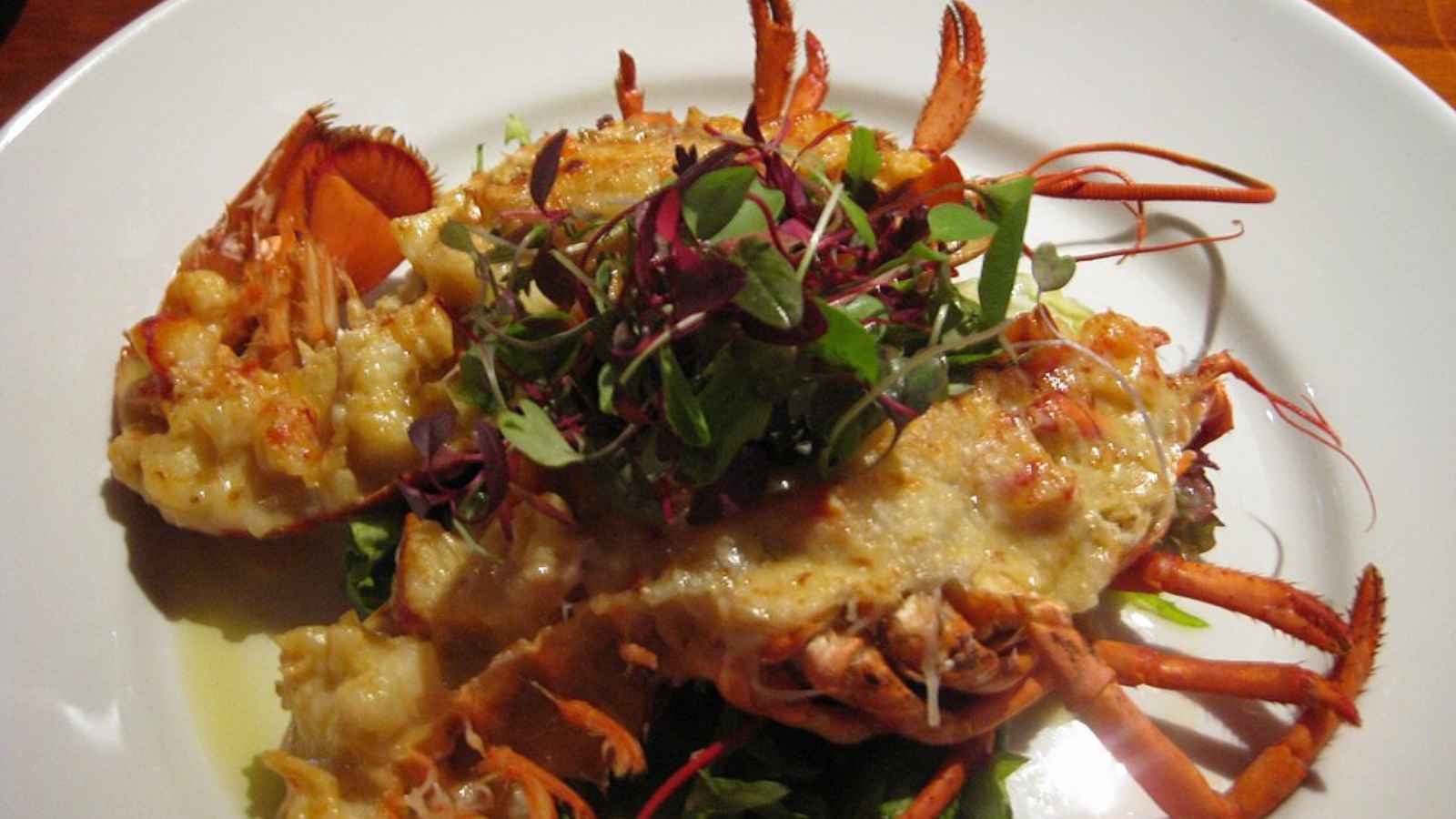
Lobster Thermidor was a classic of the elite restaurants of the first half of the 20th century, a symbol of French gastronomic splendor. This fancy dish consisted of lobster meat with a creamy sauce of egg yolk and cognac, put back in the shell, and covered with a golden brownish crust that was broiled.
It was a menu king at high-end restaurants, but has since lost its place because it takes labor-intensive preparation procedures, and the price of lobster meat has skyrocketed.
As lobster rolls and simpler versions gain popularity, Lobster Thermidor is increasingly complex to find, relegated to old recipe books and special occasions featuring historic foods.
Beef Wellington

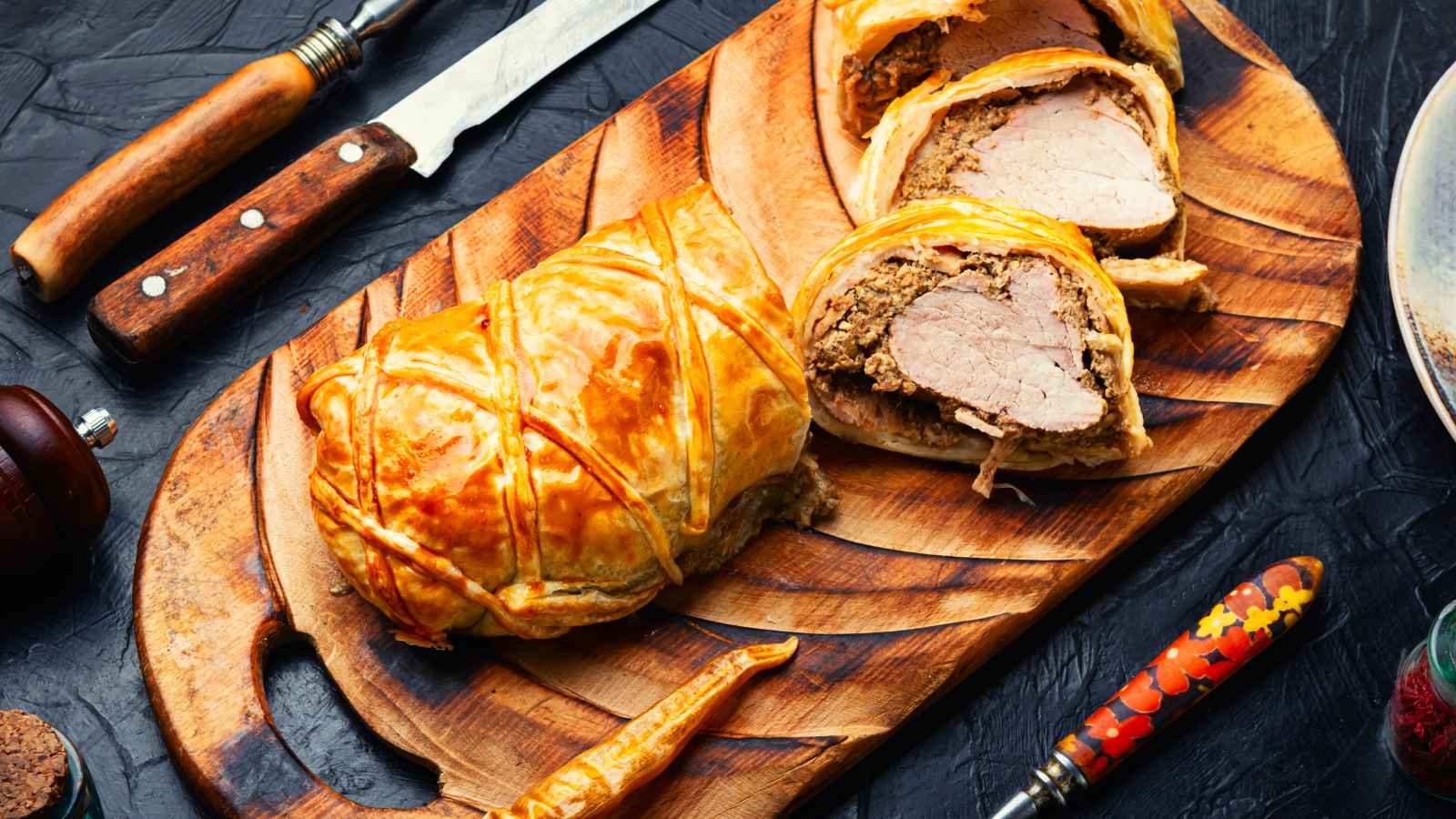
Beef Wellington is undoubtedly one of the most theatrical and decadent meals, comprising a mixture of beef tenderloin, delicious mushroom duxelles, and flaky puff pastry cooked to a golden state.
This British classic is thought to be named after Arthur Wellesley, the 1st Duke of Wellington, in honor of his victory at the Battle of Waterloo, as highlighted by National Geographic. Its elaborate preparation (cautious assembly to meticulous baking) has, however, led to it becoming lost to the mainstream menus.
Today, Beef Wellington has made it through to modern times by featuring in cooking shows, where chefs have tried to rekindle its pomp and recollect in the minds of viewers how good it was even in the past.
Baked Alaska
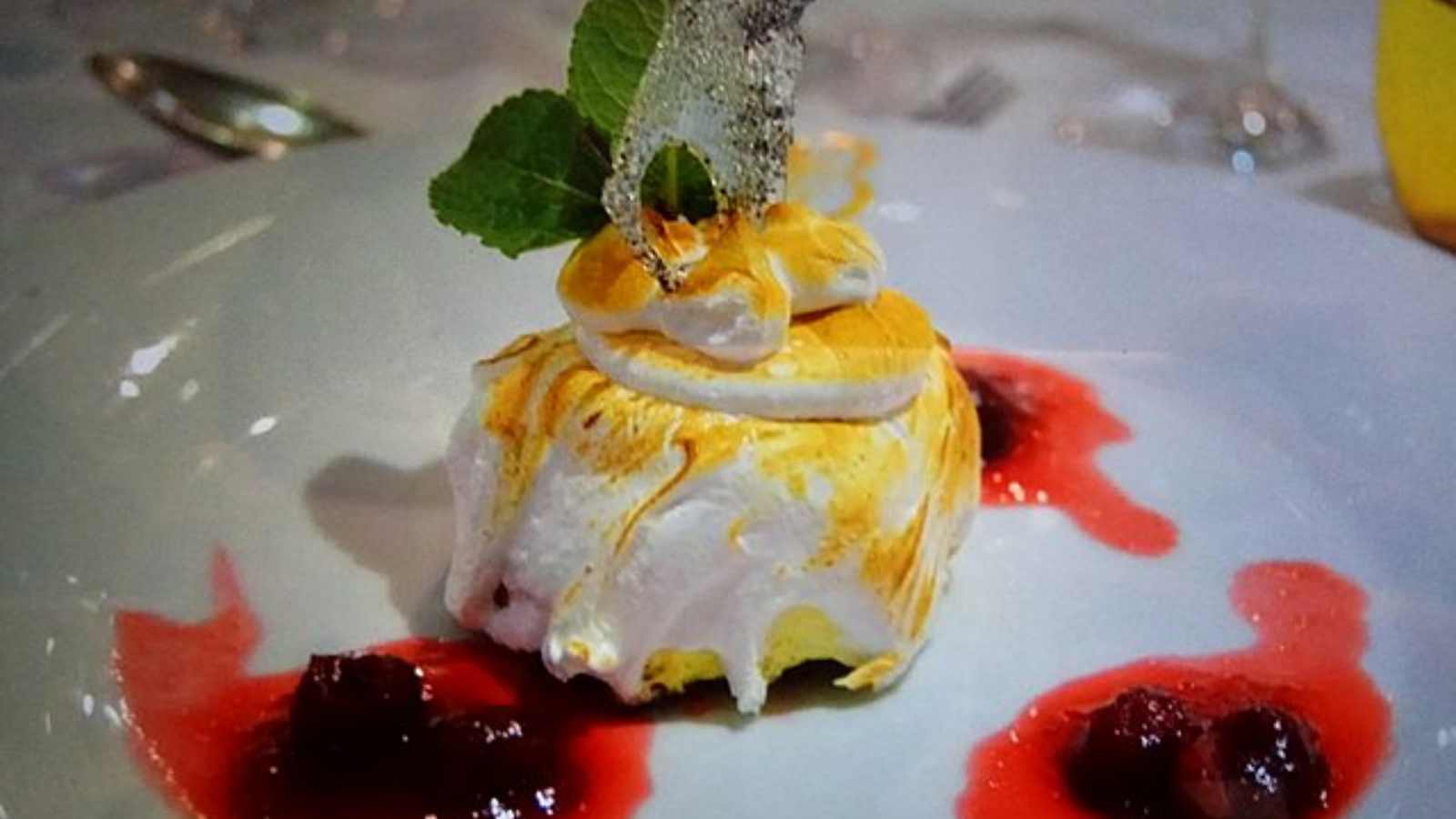
Part science project, part dessert theatre, Baked Alaska is a retro dish that thrilled restaurant patrons with its dramatic flaming. It is a dessert that consists of ice cream and cake, which are packed together in meringue and then flambed at the table.
It was trendy in the middle of the twentieth century and signified hedonism and partying. But the elaborate Baked Alaska has now become a rare dessert since the advent of such easy desserts as molten lava cake and no-bake cheesecakes.
It has reappeared in retro events of the modern chefs but not in the upper hand of the dessert menus as it used to be.
Shrimp Cocktail

Las Vegas casinos, notably the Golden Gate Casino, the oldest casino in downtown Las Vegas, made the dish an icon in the United States by serving cheap, plentiful shrimp cocktails since 1959. It was served in whimsical glasses with chilled shrimp dangling over the edge.
It was accompanied by zesty cocktail sauce, and it was sophisticated without being excessively extravagant. Nevertheless, this once king of appetizers has now taken a back seat due to changing seafood trends and diners’ preferences. Although it is not entirely dead, Shrimp Cocktail is more of a dinosaur of the past dining experience.
Welsh Rarebit
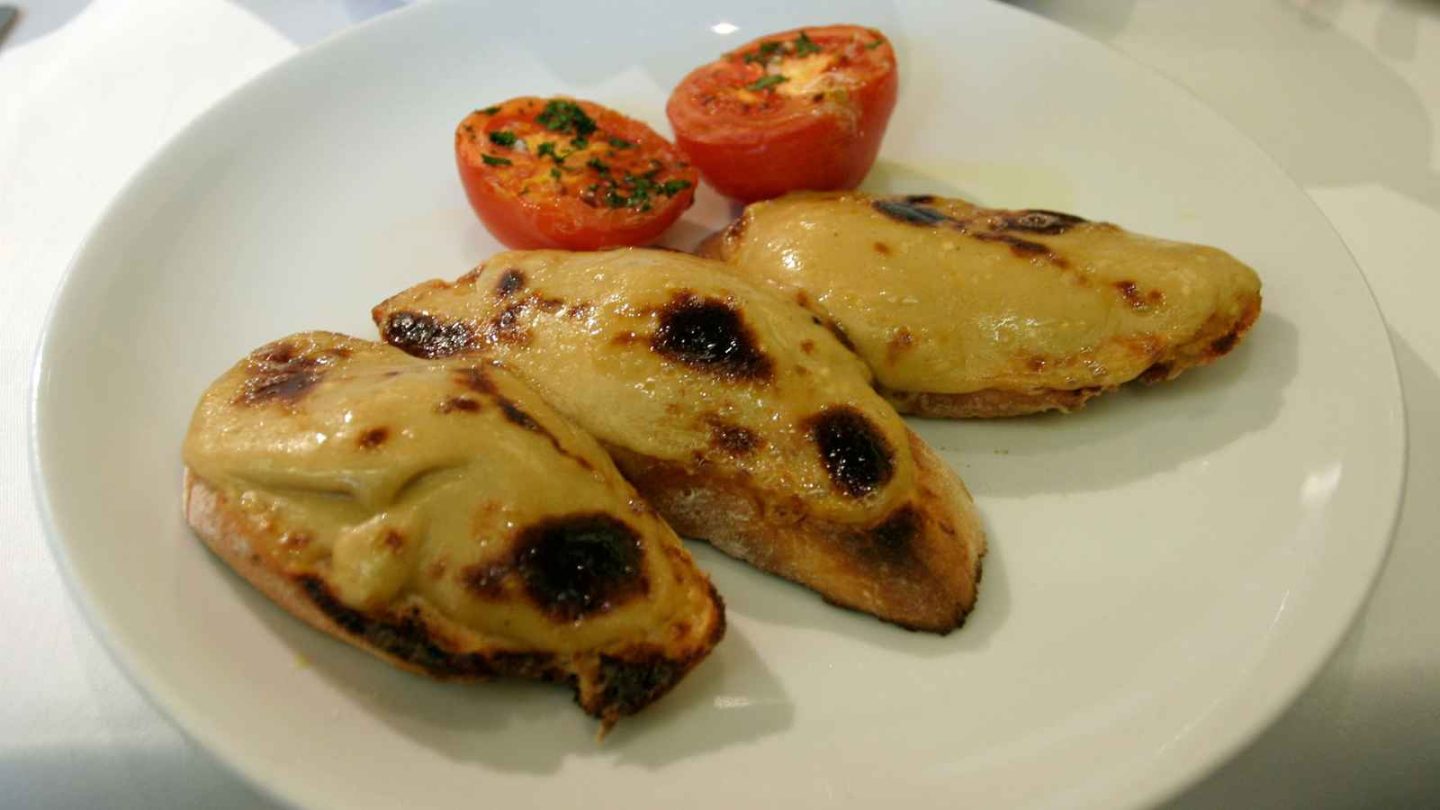
Welsh Rarebit transforms simple bread into something spectacular by covering it with a rich cheese sauce made with beer or ale. Pubs and homes embraced it as one of the most popular dishes, representing the sensual and unpretentious style of the 20th century.
However, trendy options like avocado toast and brie-covered crostini have overshadowed rarebit, especially in international markets. Conservatives continue to favor this classic dish, but it rarely appears elsewhere..
Oysters Rockefeller
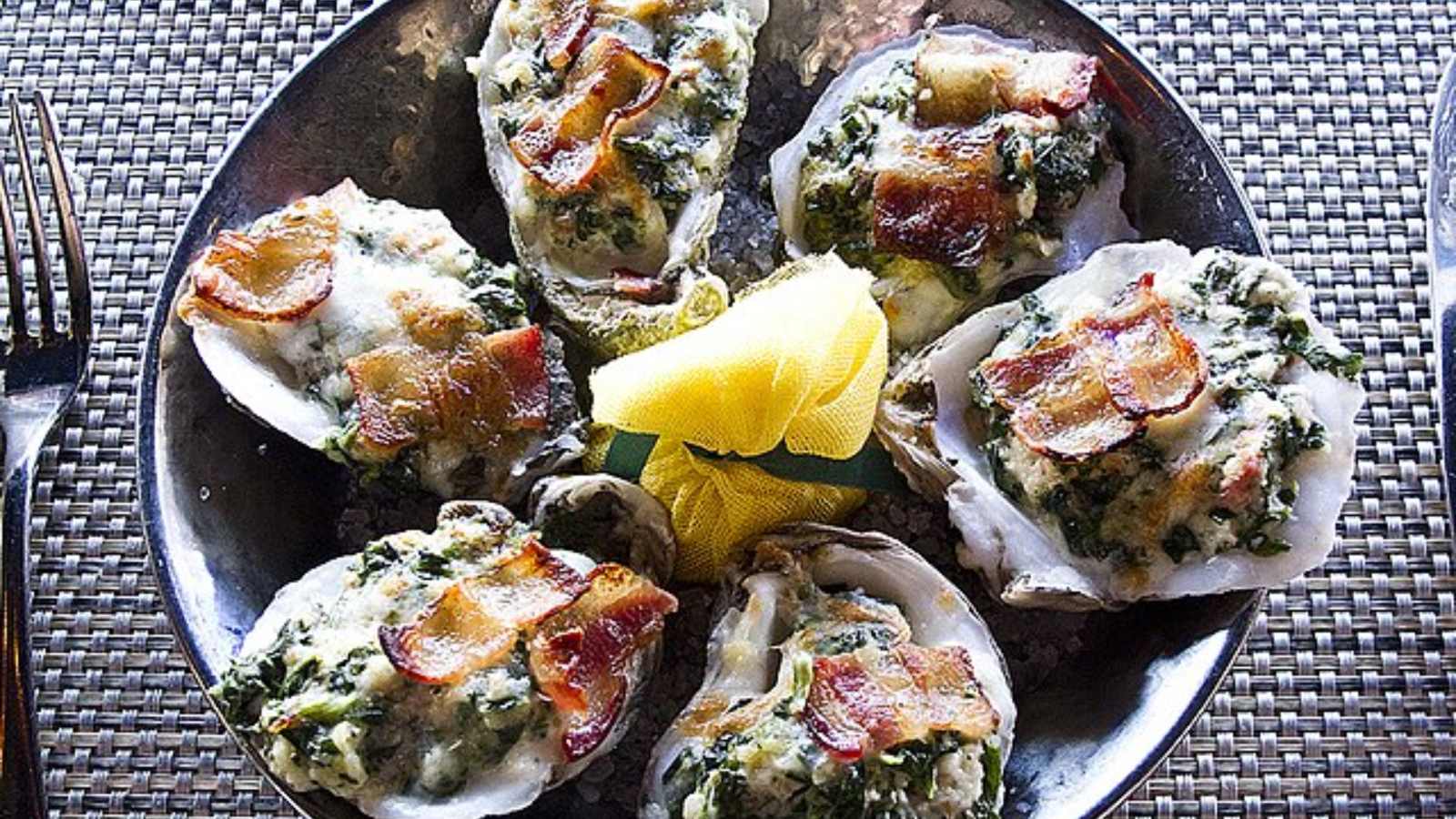
Oysters Rockefeller was born in 1899 in New Orleans, presenting the reckless luxuriousness of creamed butter, herbs, and breadcrumbs combined and grilled on top of the delicate oysters. The dish was called after John D. Rockefeller and symbolized the Gilded Age extravagance.
This dish has fallen off mainstream menus due to its tedious preparation and the changing trends in oyster consumption. Nowadays, raw oysters on the half-shell, which are simpler and fresher, are more commonly found than Oysters Rockefeller, which is now an occasional treat.
Lobster Newberg

Lobster Newberg exploded onto the restaurant scene in the late nineteenth century, dazzling diners with its rich combination of butter, cream, cognac, and sherry. Once a shining star on upscale menus, this decadent dish faded from popularity as tastes changed and lobster prices rose.
Today, it occasionally appears on historic fine-dining menus, offering a rare chance to experience high-brow nostalgia.
Jellied Salads

Postwar cuisine of the 50s introduced jellied salads, a bizarre invention featuring fruit, vegetables, and garnish encased in brightly colored gelatin molds. Dishes like tomato aspic or lime Jell-O with shredded carrots symbolized domesticity and earned praise for their convenience.
“Jell-O is kind of associated nowadays in our culture with illness and frailty and vulnerability. So it certainly doesn’t have the fun associations that it did when I was growing up,” said Rachel Herz, a neuroscientist and the author of “Why You Eat What You Eat.”
However, the rise of fresh and nutritious salads pushed these molded curiosities off the menu. Today, people remember them more as comic artifacts of mid-century dinners, though they still spark nostalgic conversations among those who recall their jelly-like glory days.
Chicken à la King
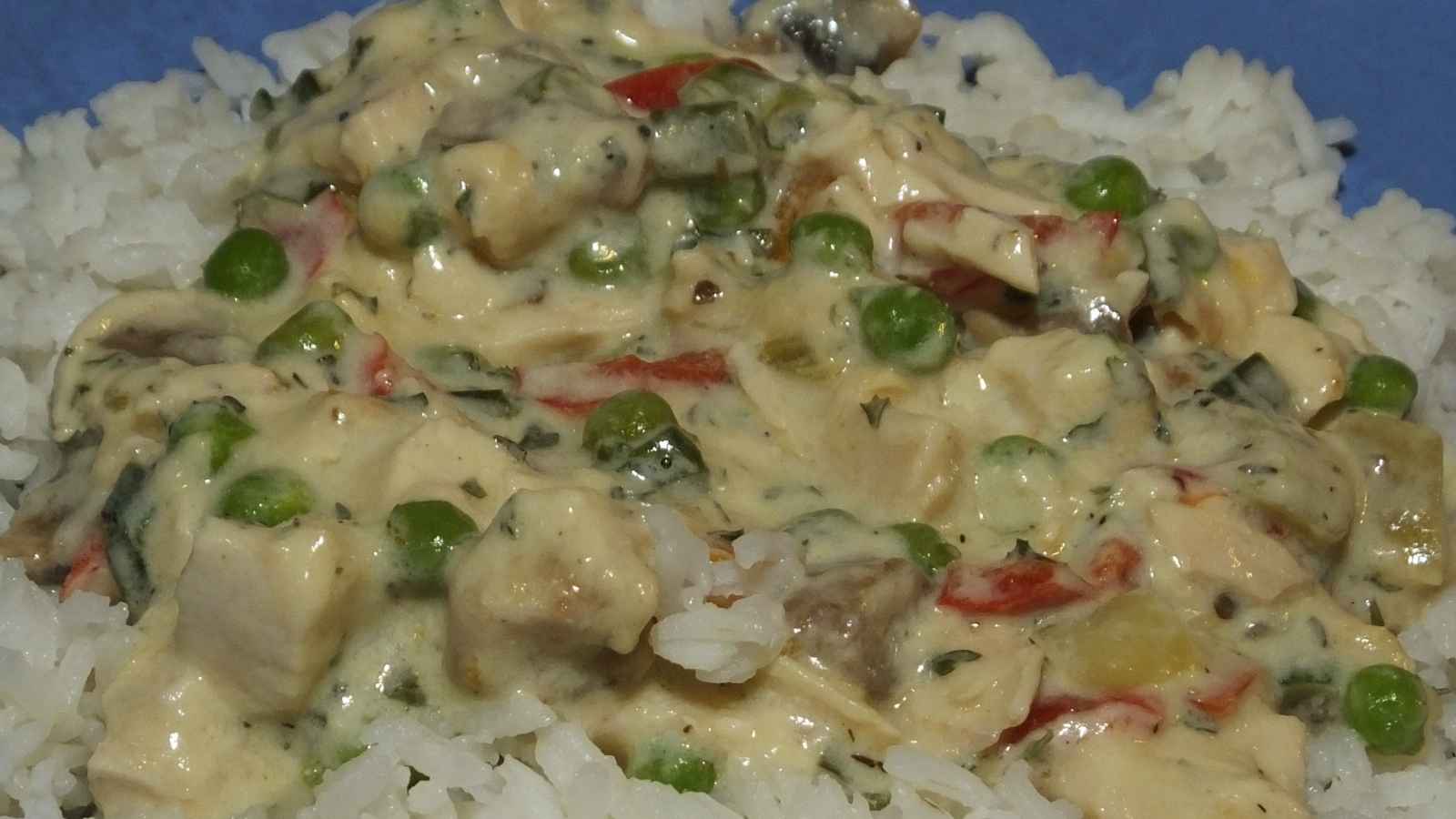
Rich, but sophisticated, Chicken à la King used to rule mid-century banquets and restaurants. Such a creamy mixture of chopped chicken, mushrooms, peppers, and sherry sauce over puff pastry or rice was a taste of heaven. Its origin is the subject of some controversy, but the fact that it is leaving is too clear.
How did it decline? Convenience reigned supreme, with faster, leaner chicken recipes replacing the former popular fare. Leaving it to dusty old history books and culinary throwbacks.
Deviled Ham
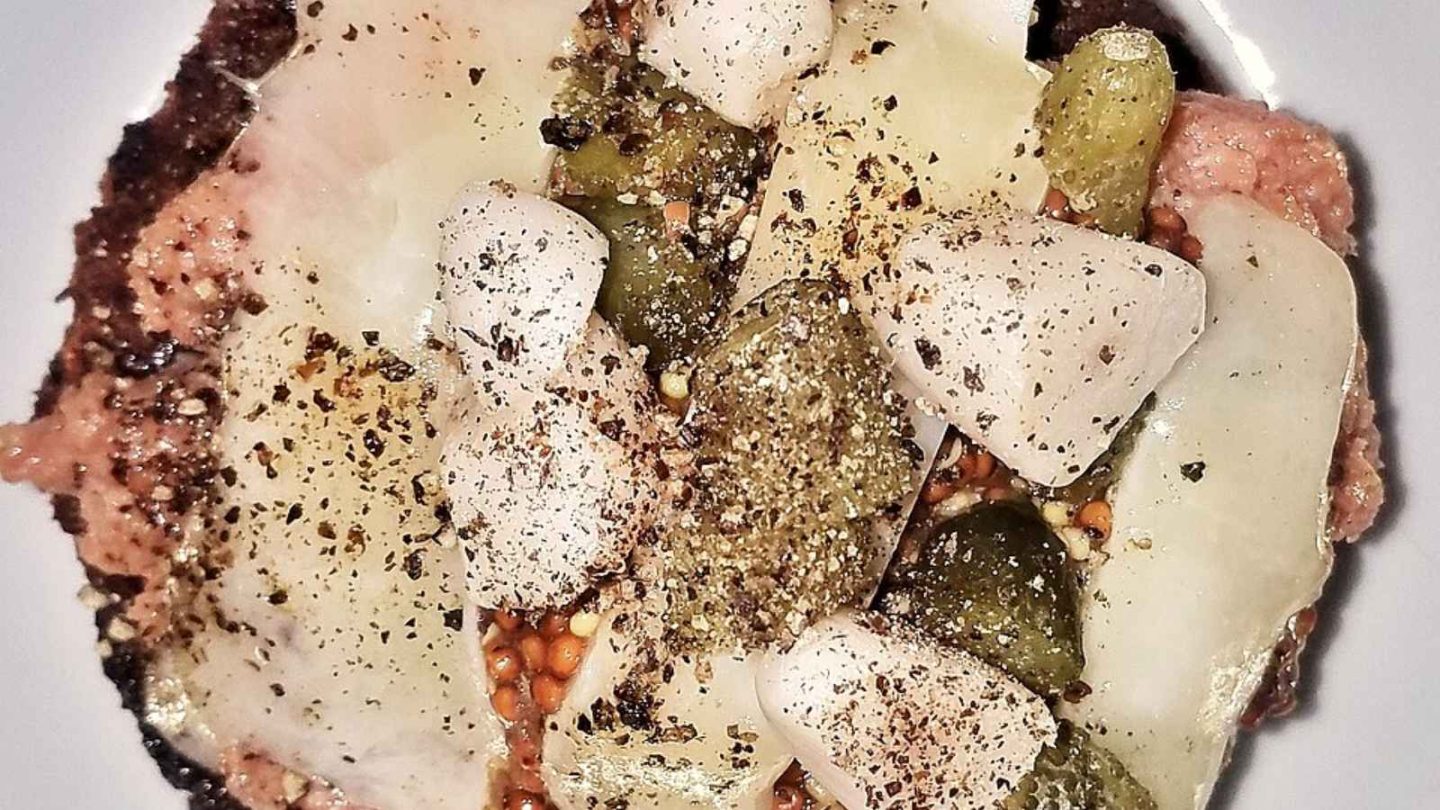
The National Park Service notes that deviled ham was first commercially produced in the United States by the William Underwood Company. Founded in Boston in 1822, it introduced this classic product to the U.S. Army during the Civil War.
Back in the mid-20th century, deviled ham was a beloved favorite for sandwiches. Mixing cooked ham with spices, mustard, and mayonnaise for a tasty and slightly spicy treat. The branded versions helped boost its popularity, especially among busy homemakers.
However, as deli sandwiches and gourmet charcuterie grew in popularity, they became staples in many households. And Deviled ham lost its prominence and became more of a specialty novelty than a lunchtime staple.
Steak Diane

Diane illustrates the 1950s tableside theatrics perfectly. Chefs broil beef medallions until blistered, flame them in cognac, and serve them with a creamy, herbed sauce. This performance-based dish makes customers feel like royalty when chefs cook it in front of them.
However, rising preparation costs and changing steak trends, such as grass-fed options and no-frills serving, have almost wiped it off modern menus.
Creamed Chipped Beef
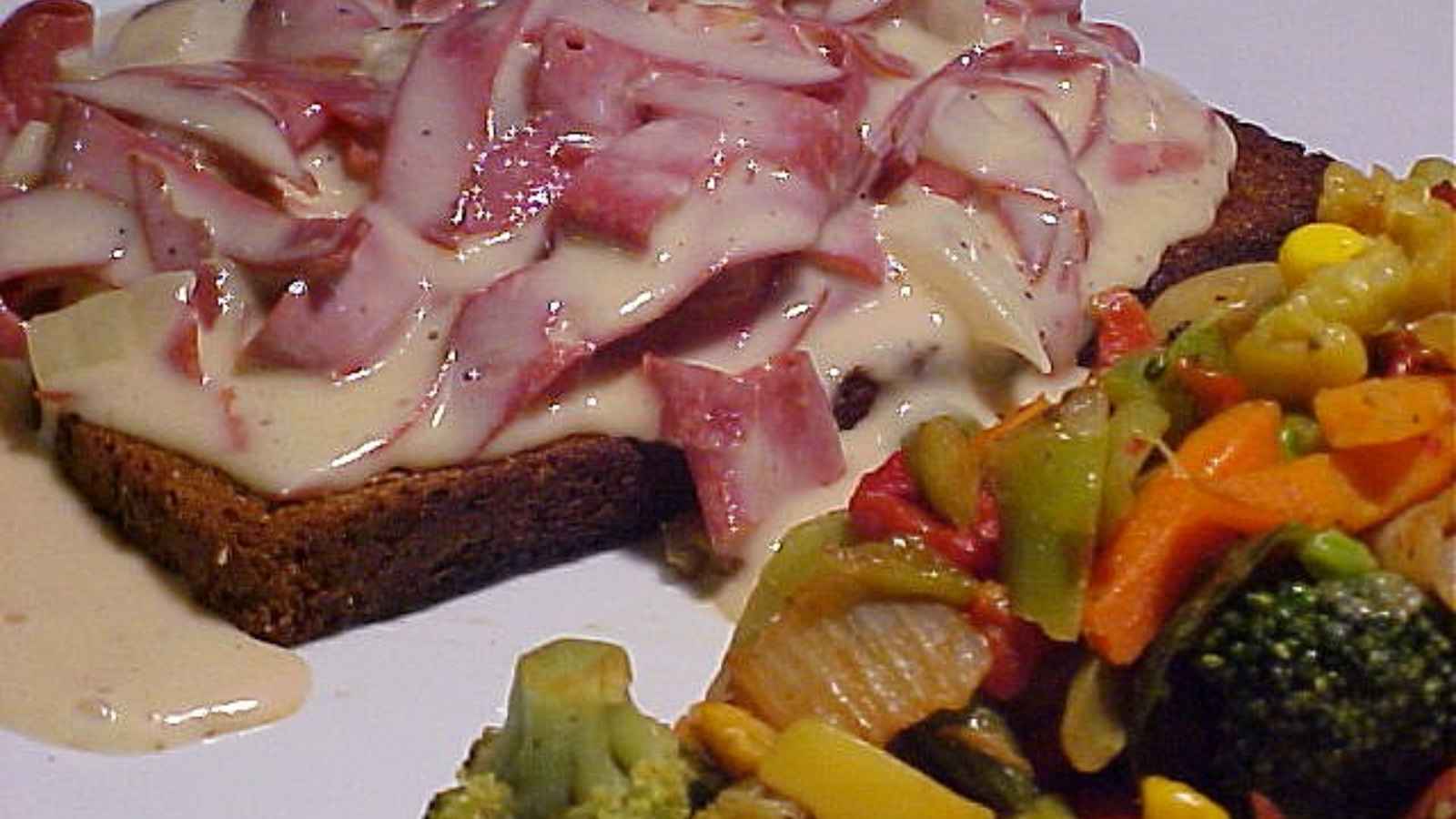
Though often associated with military mess halls and budget-conscious households, Creamed Chipped Beef, famously nicknamed “S.O.S.” (Save Our Stomachs or another less polite version), found its way into diners and cafeterias as a comforting, hearty breakfast item.
This creamy, salty dish was inexpensive, filling, and easy to prepare, and it could be served on toast or a biscuit. It was, however, its excessively processed image that did not align well with the late 20th-century health-conscious eating trends. It has since been replaced with newer, more nutritious alternatives.
Vienna Sausages

Vienna Sausages used to be a common casserole topping or a hasty side dish, or even a snack fresh out of the can. These tiny sausages were iconic in the middle of the previous century and had a hint of cheapness and durability.
But when gourmet sausages and charcuterie boards skyrocketed to fame, Vienna Sausages became much less appealing. They now have a place on a nostalgia shelf in most grocery stores rather than a coveted place in restaurant menus.
Chicken Kiev
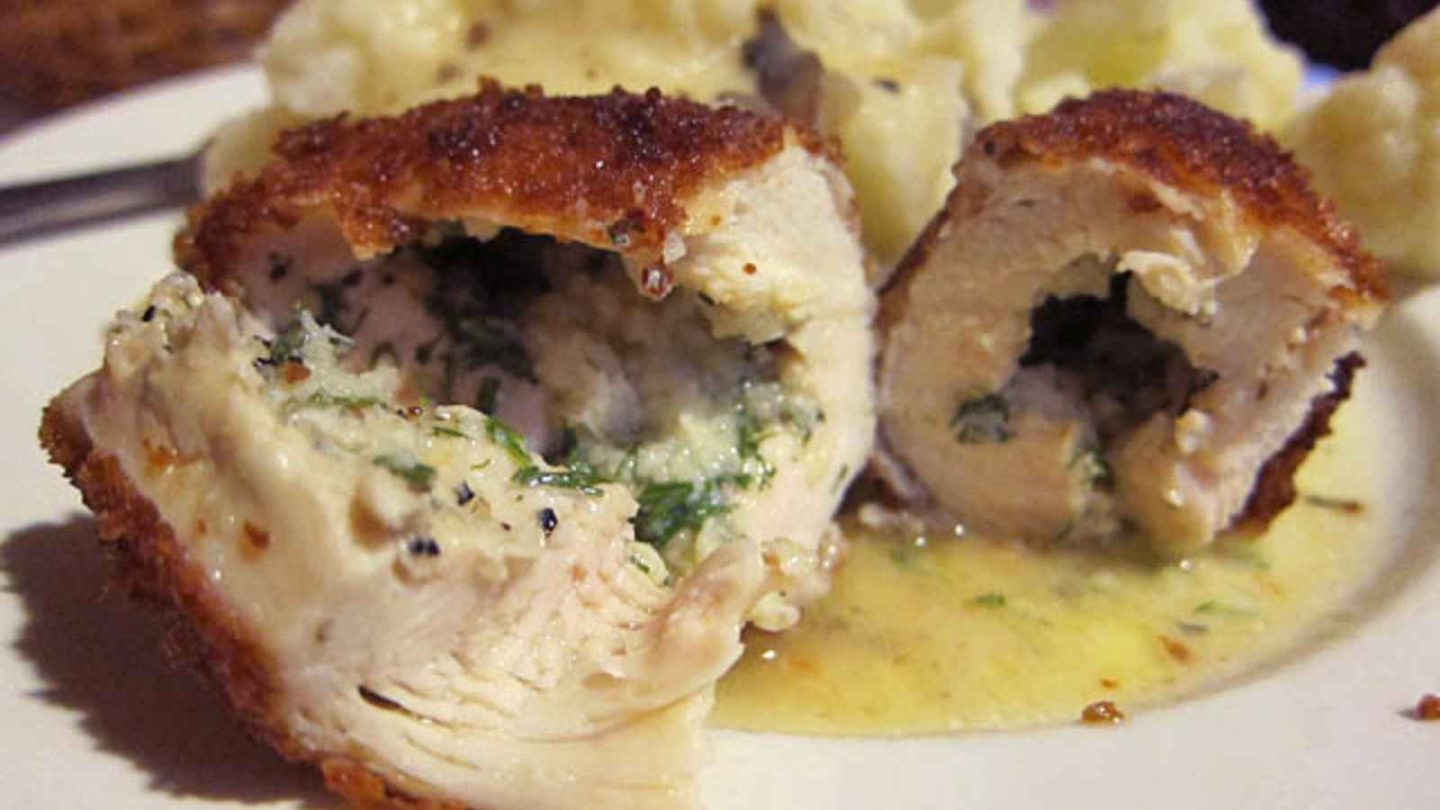
Chicken Kiev? This dish is so glamorous that it drips (literally). Originating in Russia. This appetizer captured the hearts of mid-century restaurant patrons with its crunchy, golden-breaded crust that houses a cold, garlicky herb butter that is just waiting to escape the moment someone cuts.
It was a dinnertime showstopper from the 1940s through the ’70s, and for good reason. Preparing it takes both finesse and a taste for a little culinary drama (hi, butter leakage mishaps!).
Still, the rewards are worth it. A beautifully juicy piece of chicken with a lot of flavor that has found its way into family dinner tables. Nowadays, you’ll catch nostalgic home cooks recreating it for that magical, buttery moment, while finding it on a modern restaurant menu is a rare treat.
Disclaimer – This list is solely the author’s opinion based on research and publicly available information. It is not intended to be professional advice.
Read More: