15 Stunning Archaeological Finds That Shaped the World As We Know It
“The past is never dead. It’s not even past.” — William Faulkner.
Archaeology is much more than looking at ancient ruins; it is uncovering stories that recast what we know about human history. Through the decades, groundbreaking discoveries have given important insights into human history, origins, cultures, and some of humanity’s deciding moments.
According to UNESCO, there are more than 1,100 World Heritage Sites worldwide, many of which have archaeological significance, linking them to the bridge between history and modernity. These find more than a connection to our ancestors; they are rewriting the stories of how we live together as humans.
Every one of these discoveries isn’t just a relic—it’s a key that opens doors to the mysteries of ancient civilizations. These mysteries help shape our understanding of who we are as individuals and societies, how civilizations have evolved, and scientific and artistic progress.
Here are 15 mind-blowing archaeological finds that have forever changed how we view the world.
Tutankhamun’s Tomb (Egypt)
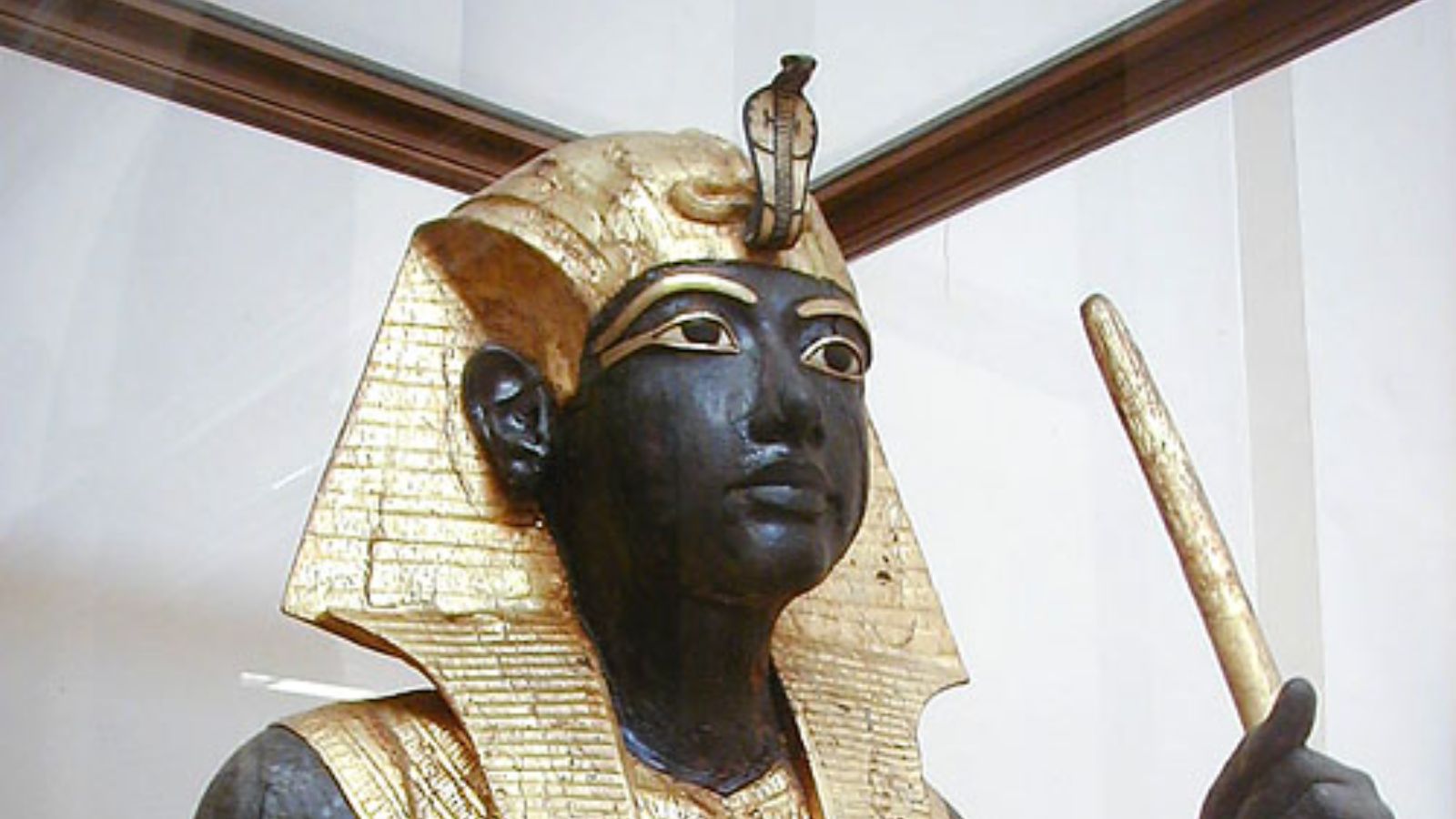
It was indeed a find at which the world gasped when Howard Carter uncovered the nearly intact tomb of Pharaoh Tutankhamun in 1922. In the box were golden artifacts that tell us much about ancient Egypt’s craftsmanship and burial practices, including the death mask.
However, while the tomb was relatively small, the riches inside made it one of the most famous discoveries ever, and archaeologists scratched their heads at what it could have been. It brought unprecedented global attention to archaeology and was a snapshot of life in Egypt’s 18th dynasty.
The Rosetta Stone (Egypt)
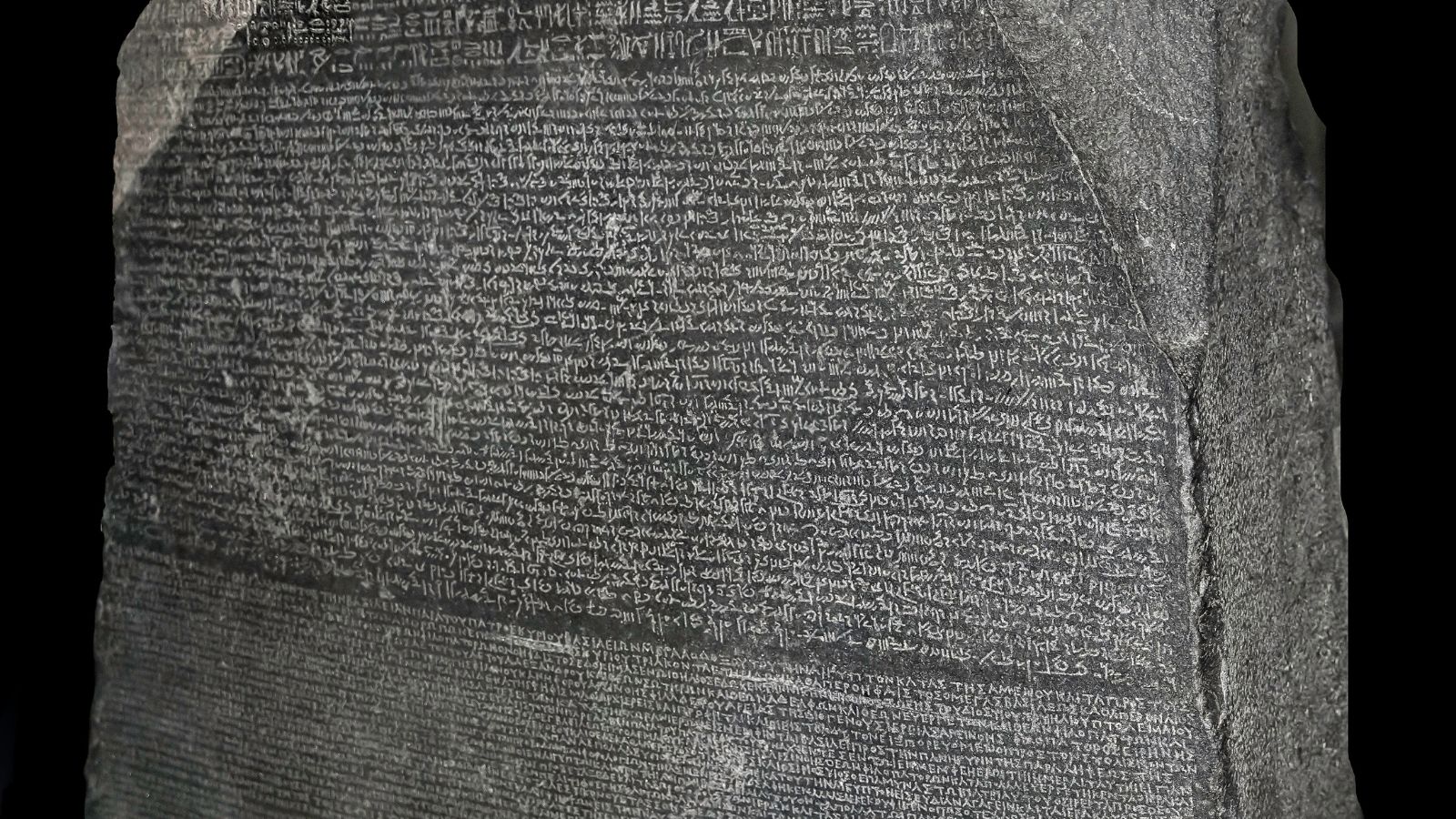
Funding French troops in 1799, the Rosetta Stone was found to be the key to deciphering ancient Egyptian hieroglyphs. Much of what is inscribed on it has been deciphered, and its Greek, Demotic, and hieroglyphic scripts cracked the secrets of a lost language by 1822.
This breakthrough would allow scholars to learn thousands of years of Egyptian history. Today, that point is pivotal in understanding ancient scripts.
Pompeii (Italy)
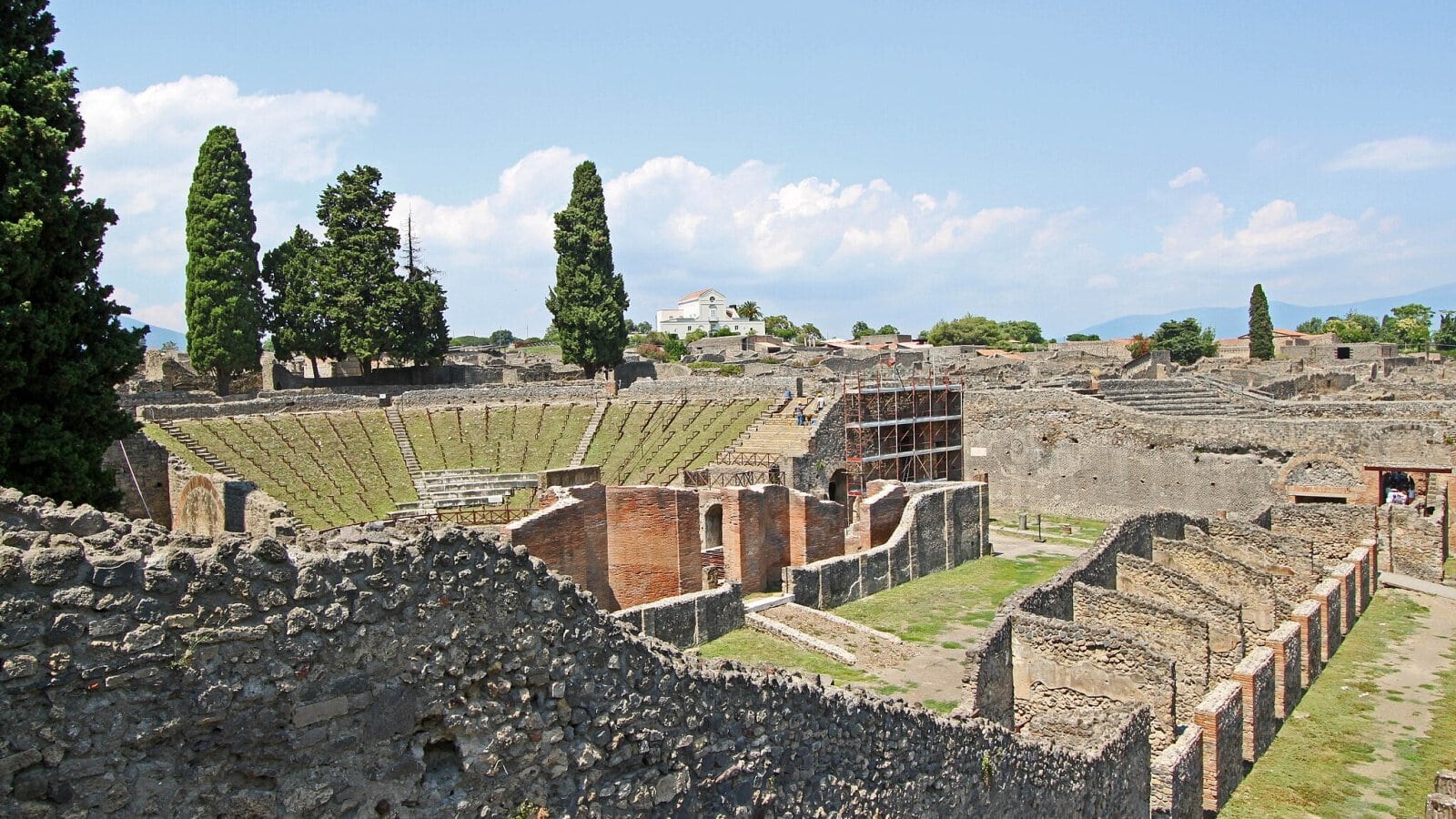
When Mount Vesuvius erupted in 79 CE, the ancient Roman city of Pompeii was frozen in time. The city was rediscovered in the 18th century, and its remarkably well-preserved buildings, mosaics, and even casts of its inhabitants gave a vivid snapshot of Roman life.
It’s a fact-filled time capsule showing everything from Roman architecture to how people lived, worked, and dressed daily.
Machu Picchu (Peru)
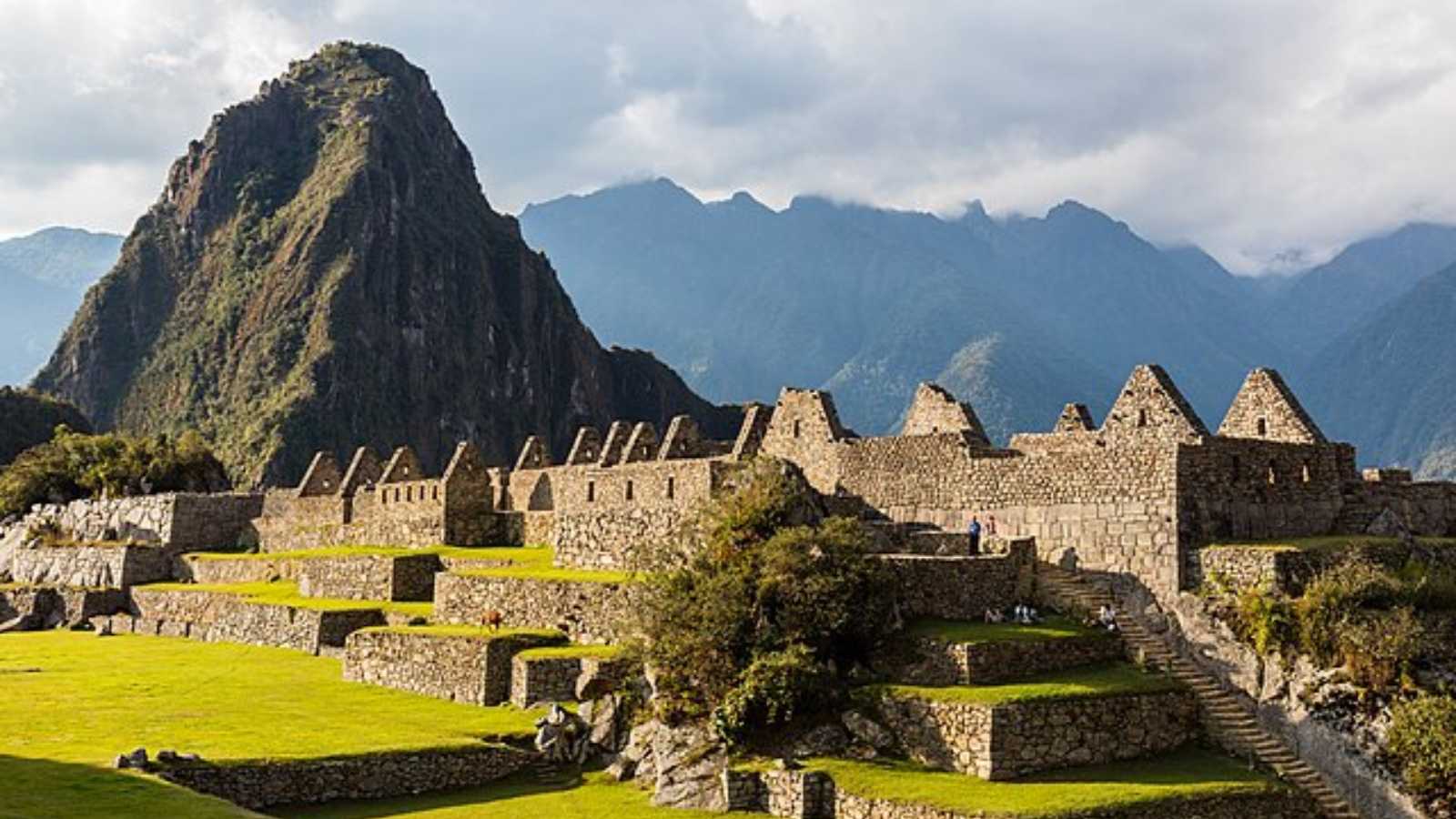
Built high in the Andes as a royal estate in the 15th century for Inca ruler Pachacuti, Machu Picchu offers a harrowing test for intrepid climbers.
This site, rediscovered by Hiram Bingham in 1911, is spectacular. It features incredible engineering feats, such as terraced fields and precision-cut stone buildings. It represents the pre-columnar architecture of the Inca civilization.
The Terracotta Army (China)
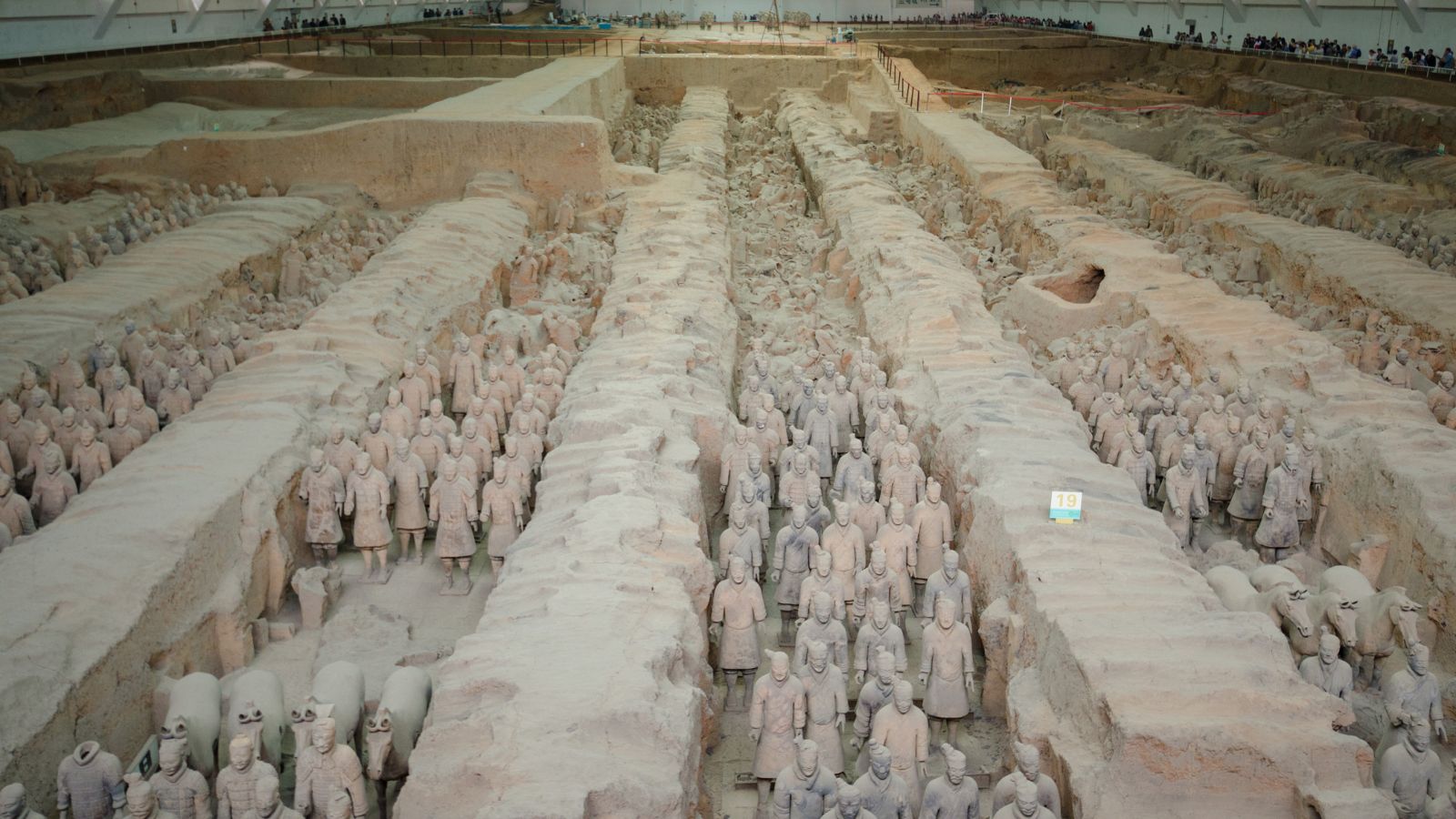
Excavated in 1974 near Xi’an, this life-sized clay army of over 8,000 soldiers was unearthed to protect Emperor Qin Shi Huang in his afterlife. Horses, chariots, soldiers, and musicians accompany the site.
Unparalleled insights are given about the structure of ancient Chinese society, military practices, and artistry.
Göbekli Tepe (Turkey)
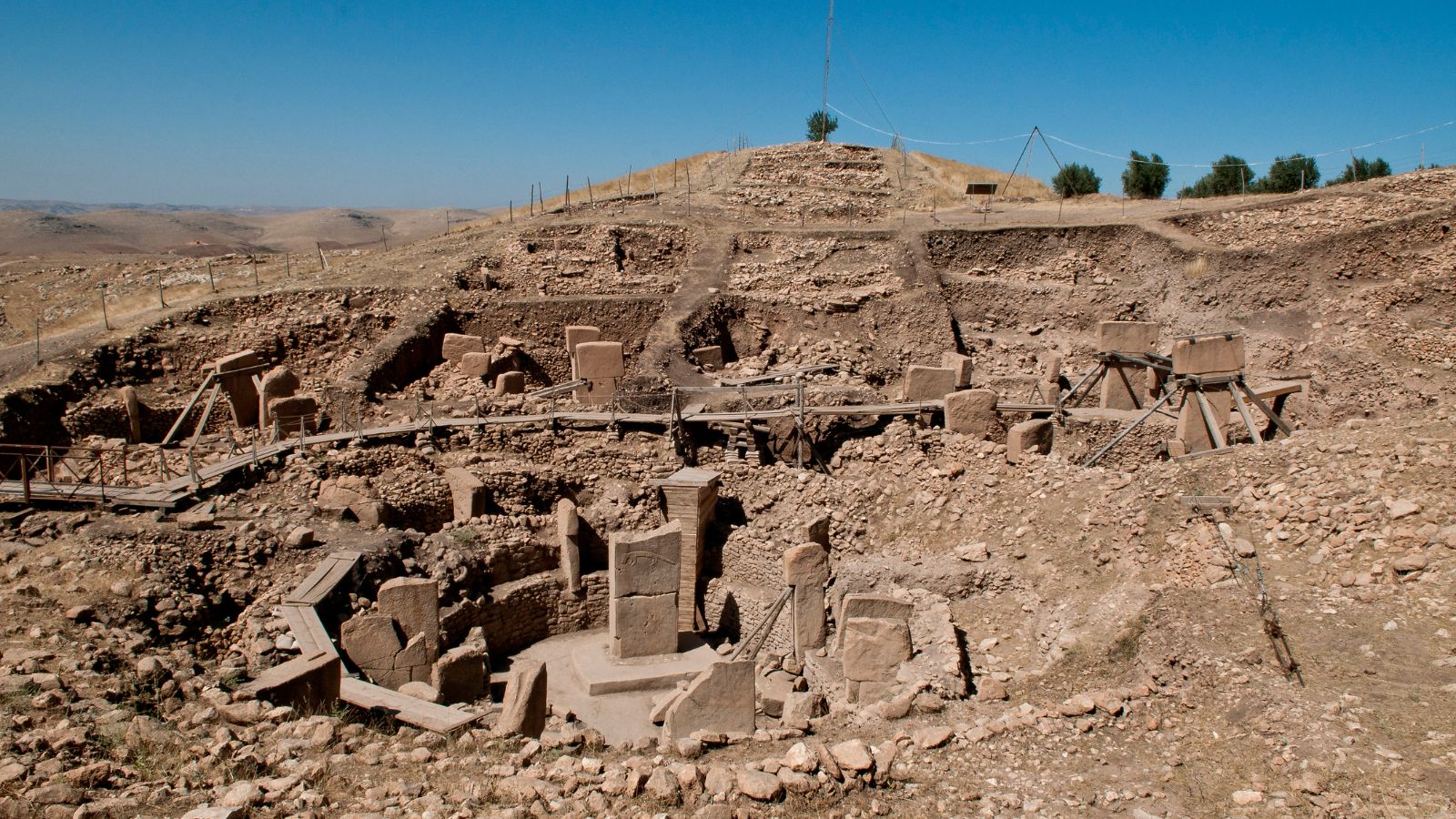
Göbekli Tepe, the world’s oldest known temple complex, dates from around 9600 BCE. Its massive stone pillars, carved with animal motifs, were the work of hunter-gatherers centuries before agriculture was born.
It flips traditional timelines upside down, demonstrating that complex societies could have existed earlier than we thought.
The Dead Sea Scrolls (Israel)
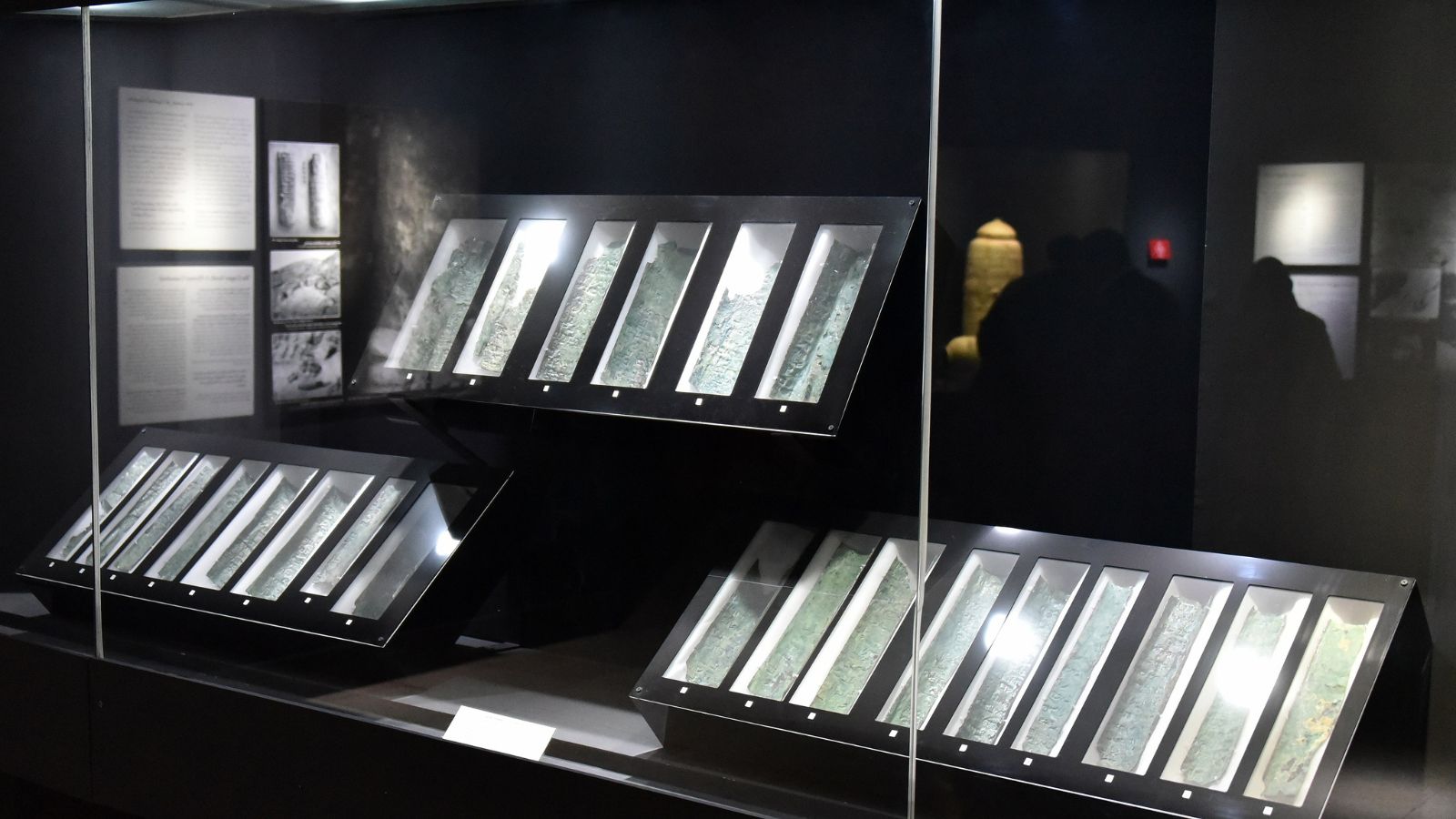
Some of the oldest biblical texts from the 2nd century BCE sit between the pages of these ancient manuscripts, discovered between 1947 and 1956 in Qumran caves. They’ve revolutionized our understanding of Jewish history, early Christianity, and biblical scholarship.
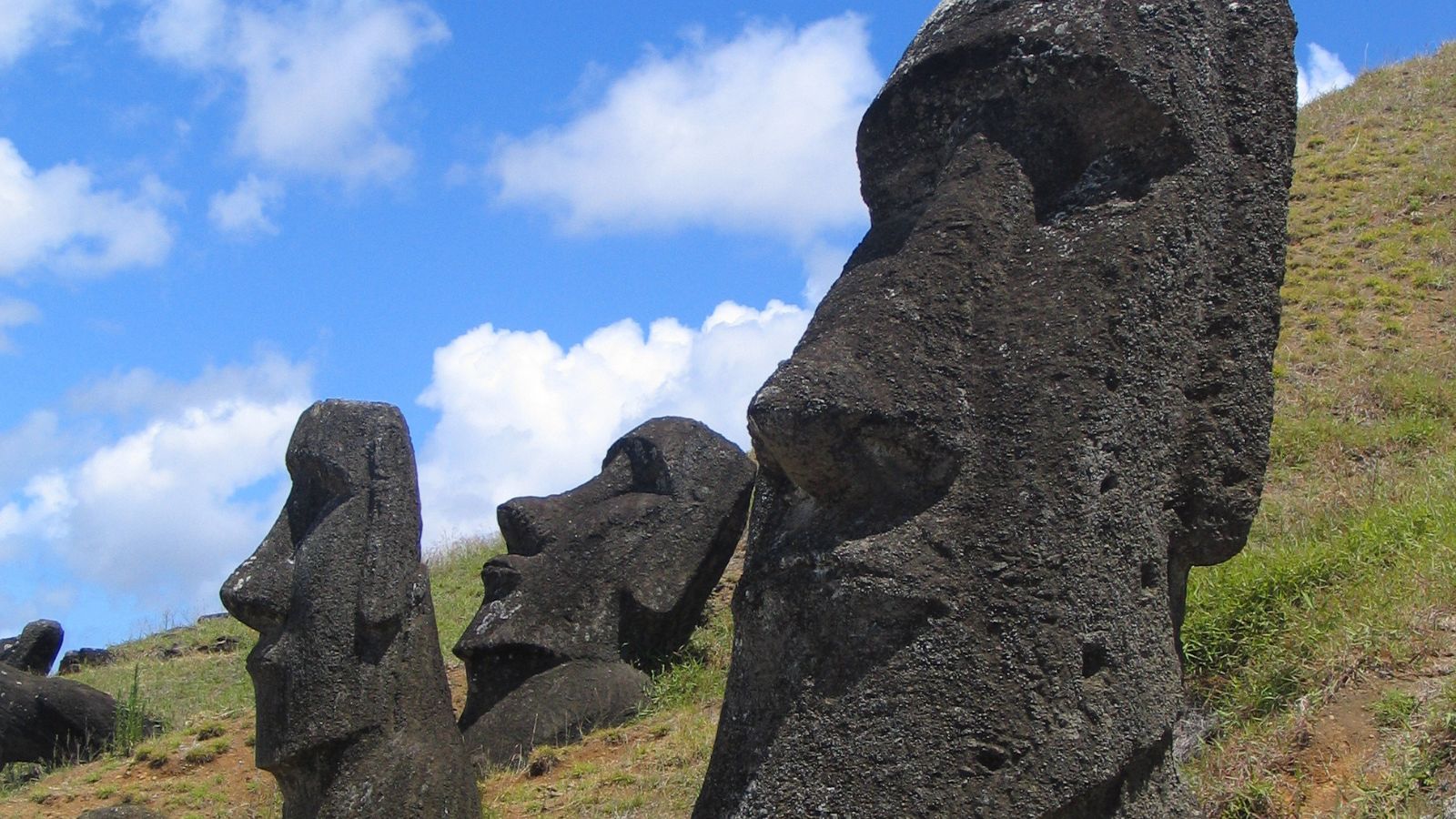
Moai Statues of Easter Island (Rapa Nui)
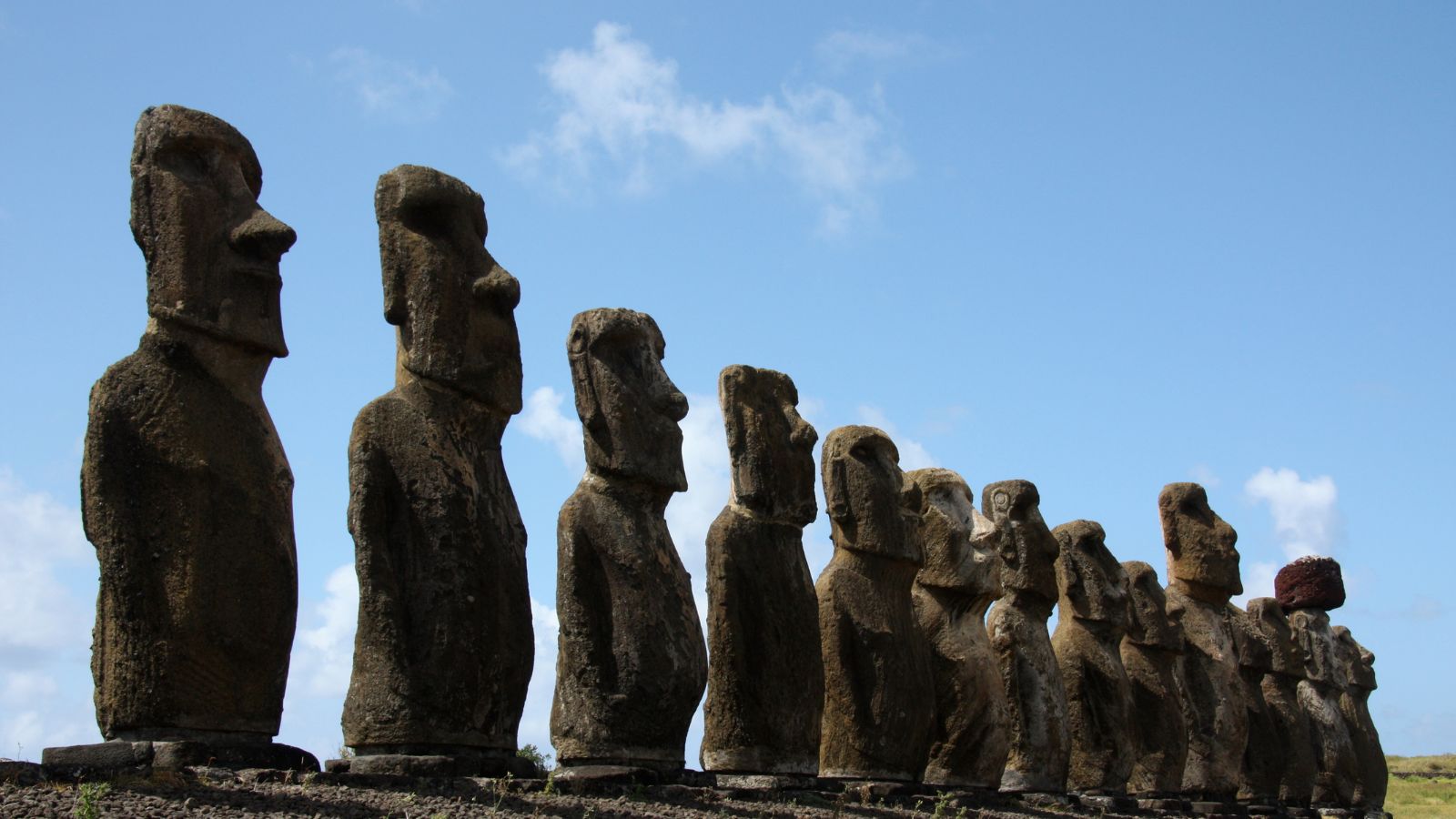
The heads carved between 1100 and 1600 CE did a good job of curating intrigue among the visiting public. Some 900 statues and recent studies have shown they formed complete torsos that had been buried underground.
The Rapa Nui people utilized ingenuity with limited resources, evident in the creation, transportation, and what these serve.
L’Anse aux Meadows (Canada)
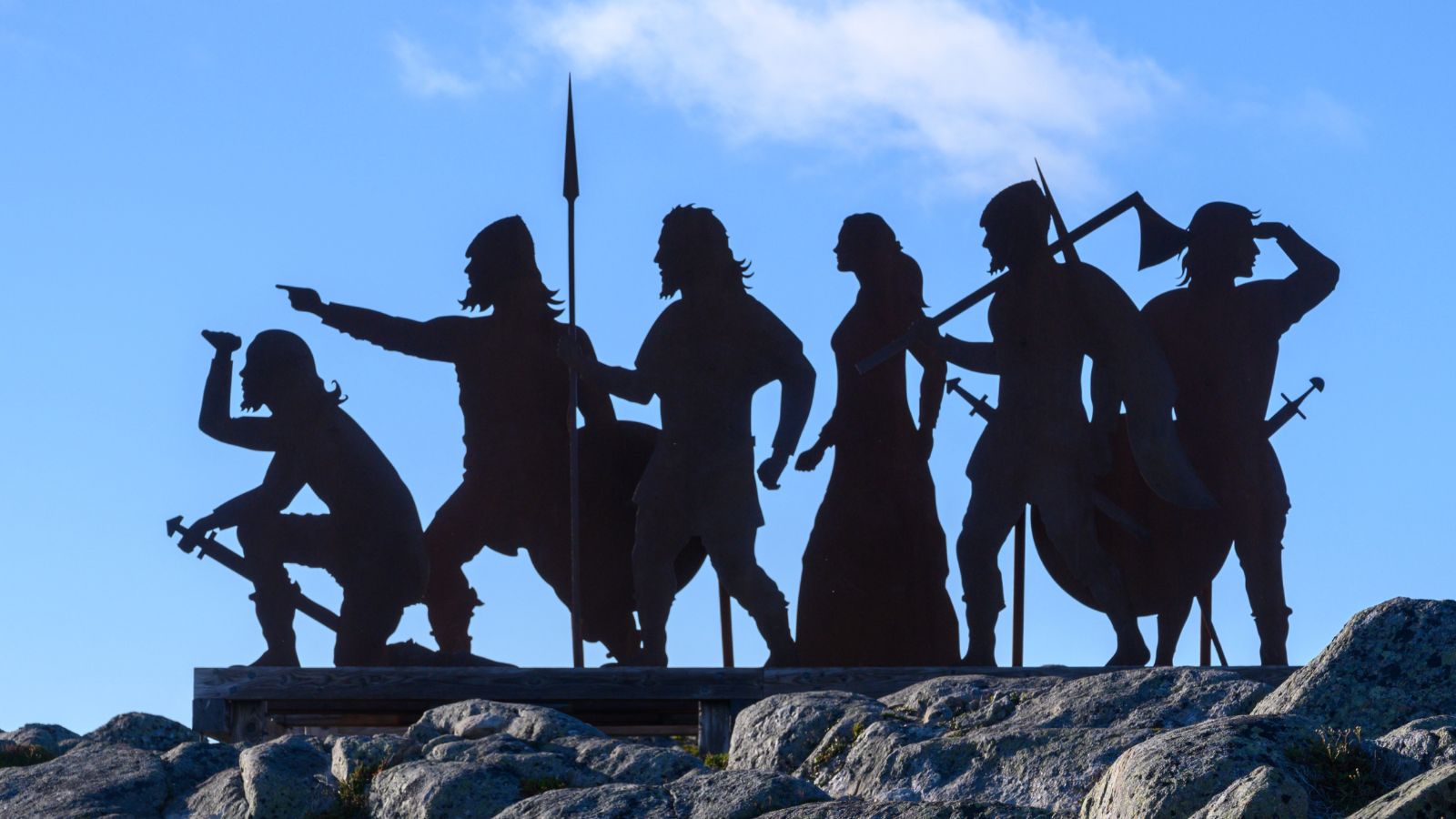
When this Viking settlement was discovered in Newfoundland in the 1960s, archeologists confirmed that the Norse had explored North America in about 1000 CE — 500 years before Columbus.
It changed the image of early European exploration of the Western Hemisphere.
Stonehenge (England)
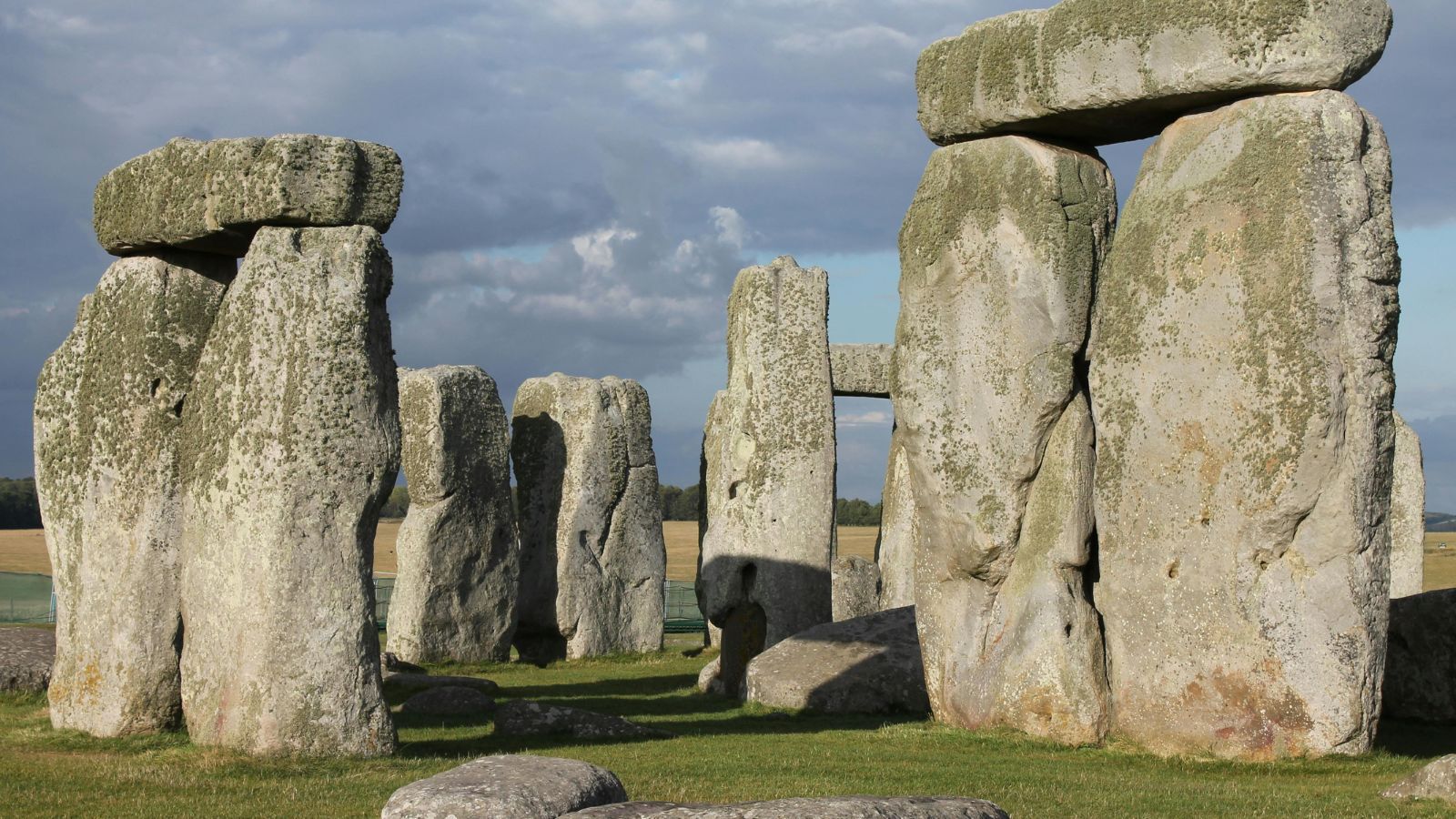
This prehistoric monument, more than 4,000 years old, still baffles archaeologists. It transported the remains over long distances and arranged them into a circular formation, all aligned with celestial events.
Still one of the most incredible and mysterious ancient sites, it gives us insights into Neolithic engineering and ritual.
The Library of Ashurbanipal (Iraq)
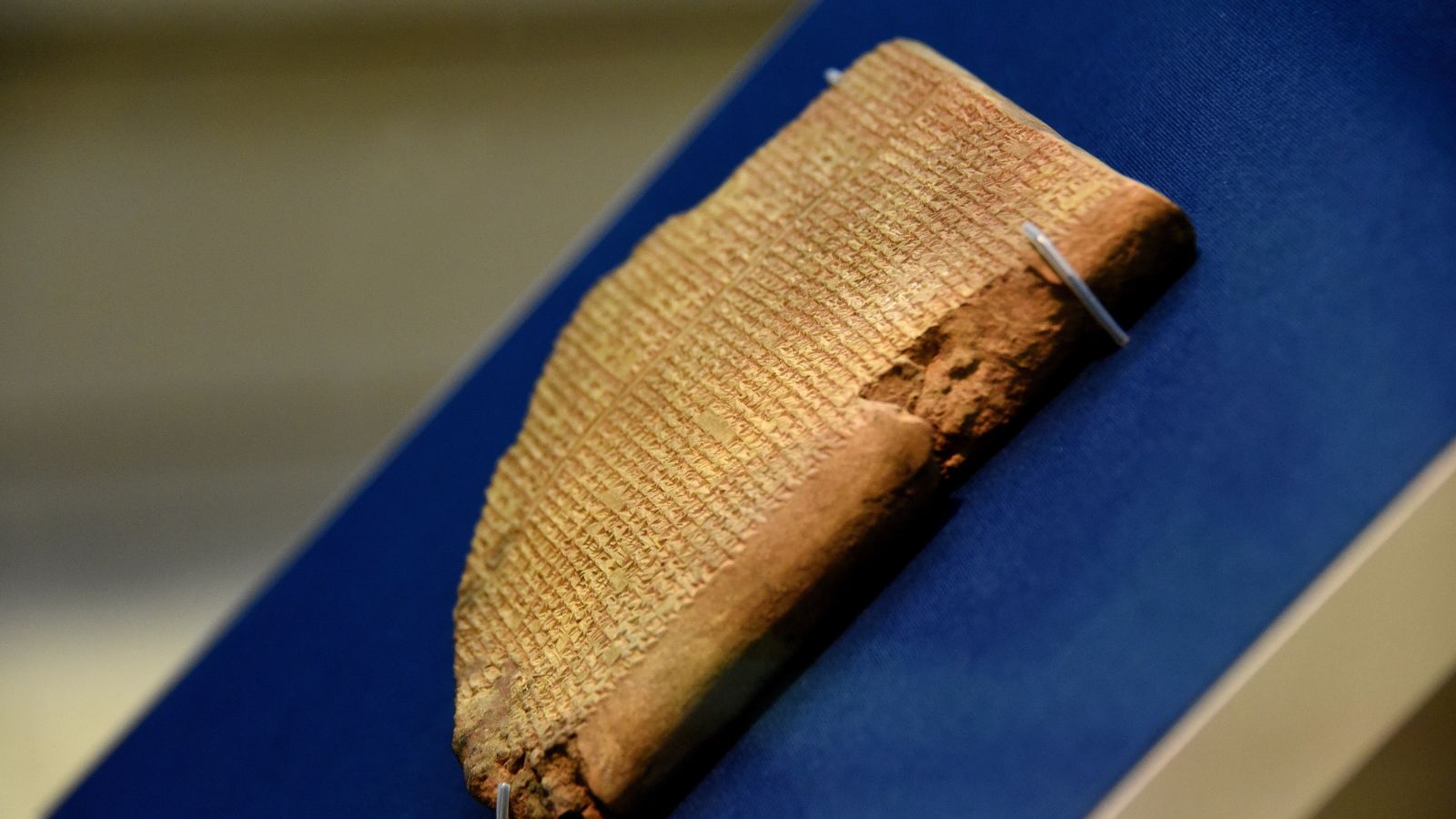
This 7th-century library comprised over 30,000 cuneiform tablets inscribed in Nineveh in the mid-19th century. The tablets included administrative documents and the Epic of Gilgamesh.
The competing options make it the primary source for unparalleled knowledge of ancient Mesopotamian culture, literature, and governance.
Nazca Lines (Peru)
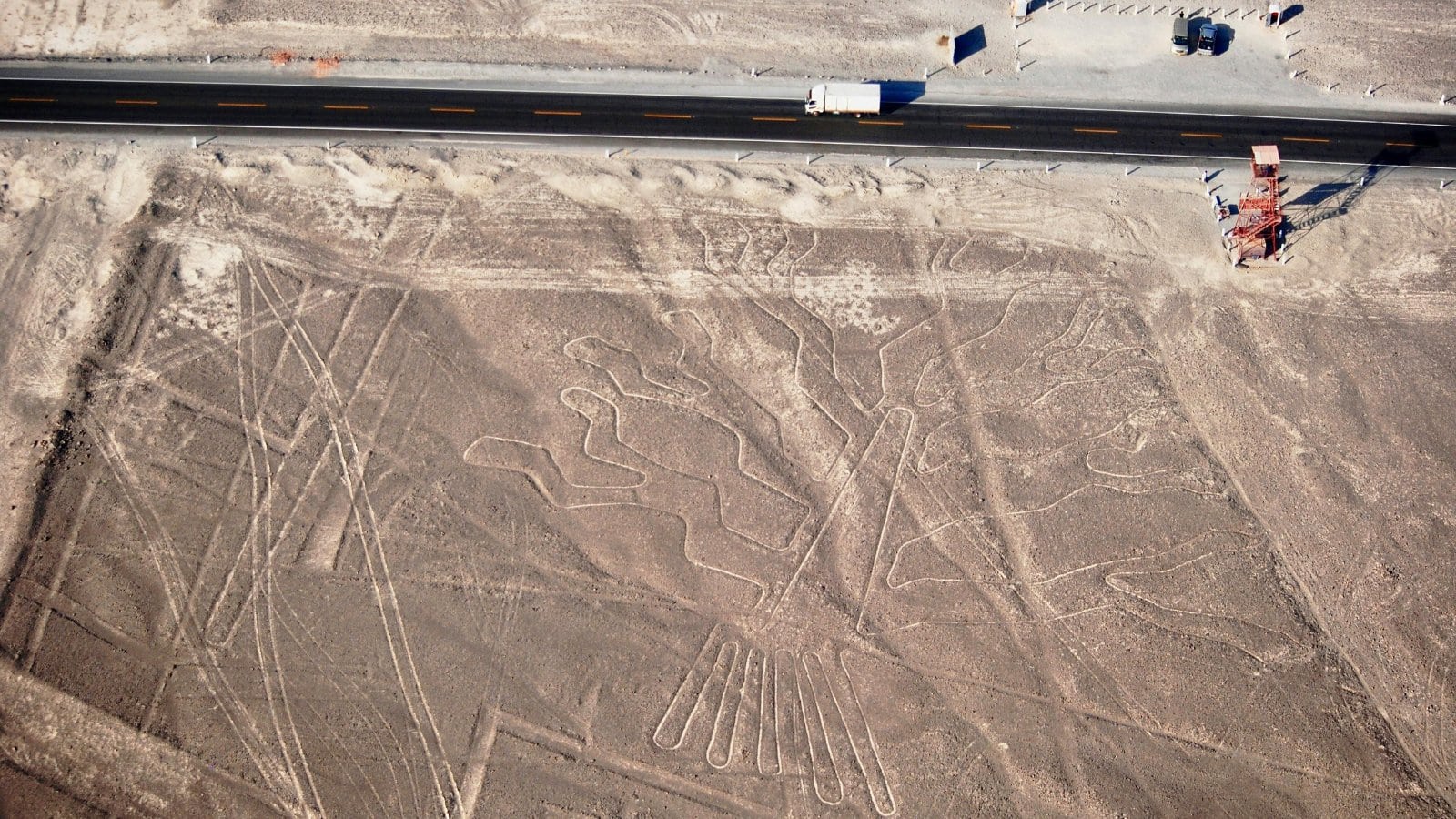
The period from 500 BCE to 500 CE spawned these enormous geoglyphs and their countless animal, plant, and geometric art, possibly the height of achievement of this prehistory era. However, their purpose is unknown and may be related to astronomy and religious rituals.
Pre-Columbian culture shows planning and artistic skill in the development of these items.
Sutton Hoo (England)
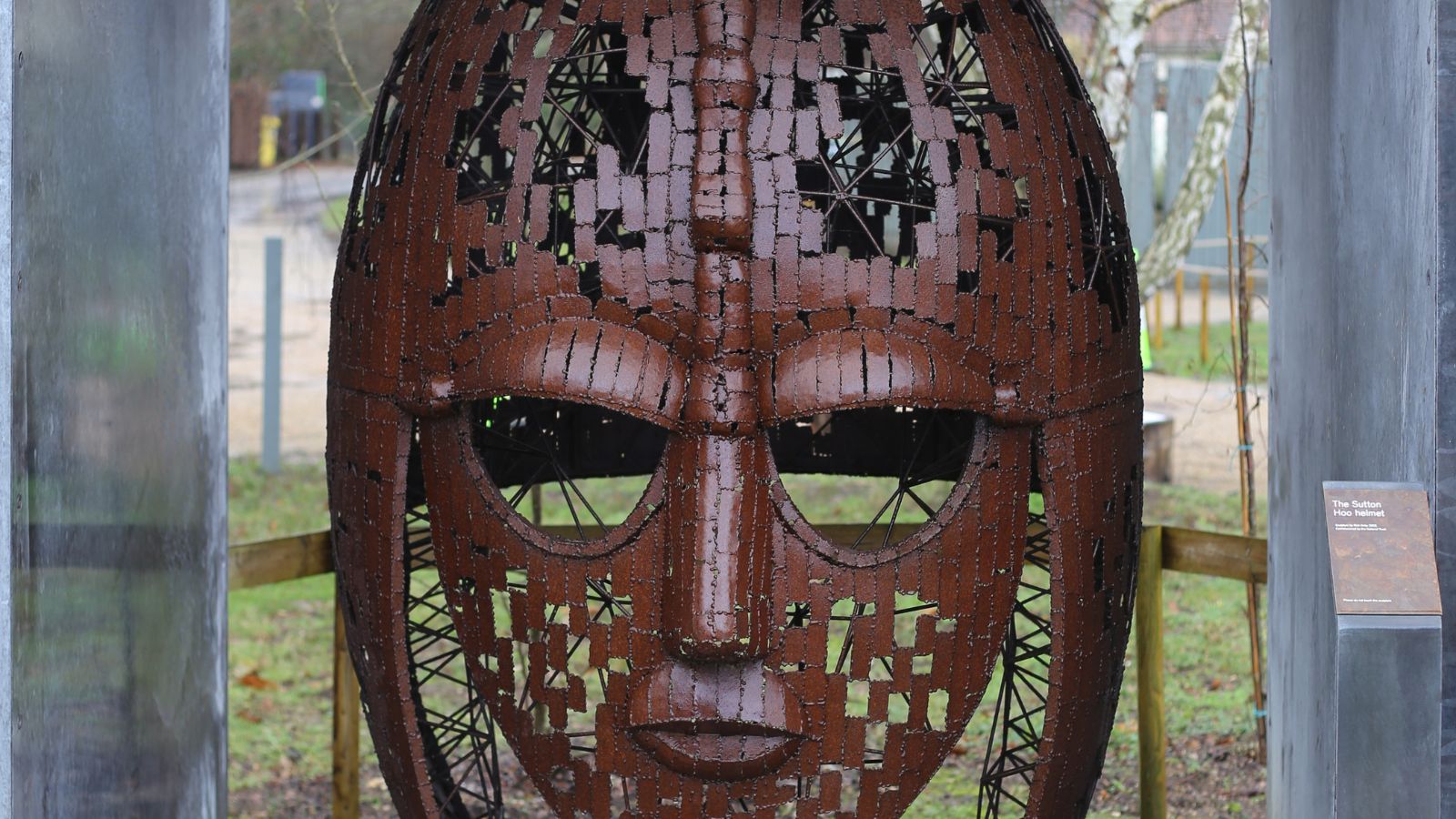
This was an Anglo-Saxon ship burial found in 1939. The treasure, including weapons from the time and a ceremonial helmet, showed the wealth and artistry of the time. It debunked myths about the Dark Ages.
Durrington Walls (England)
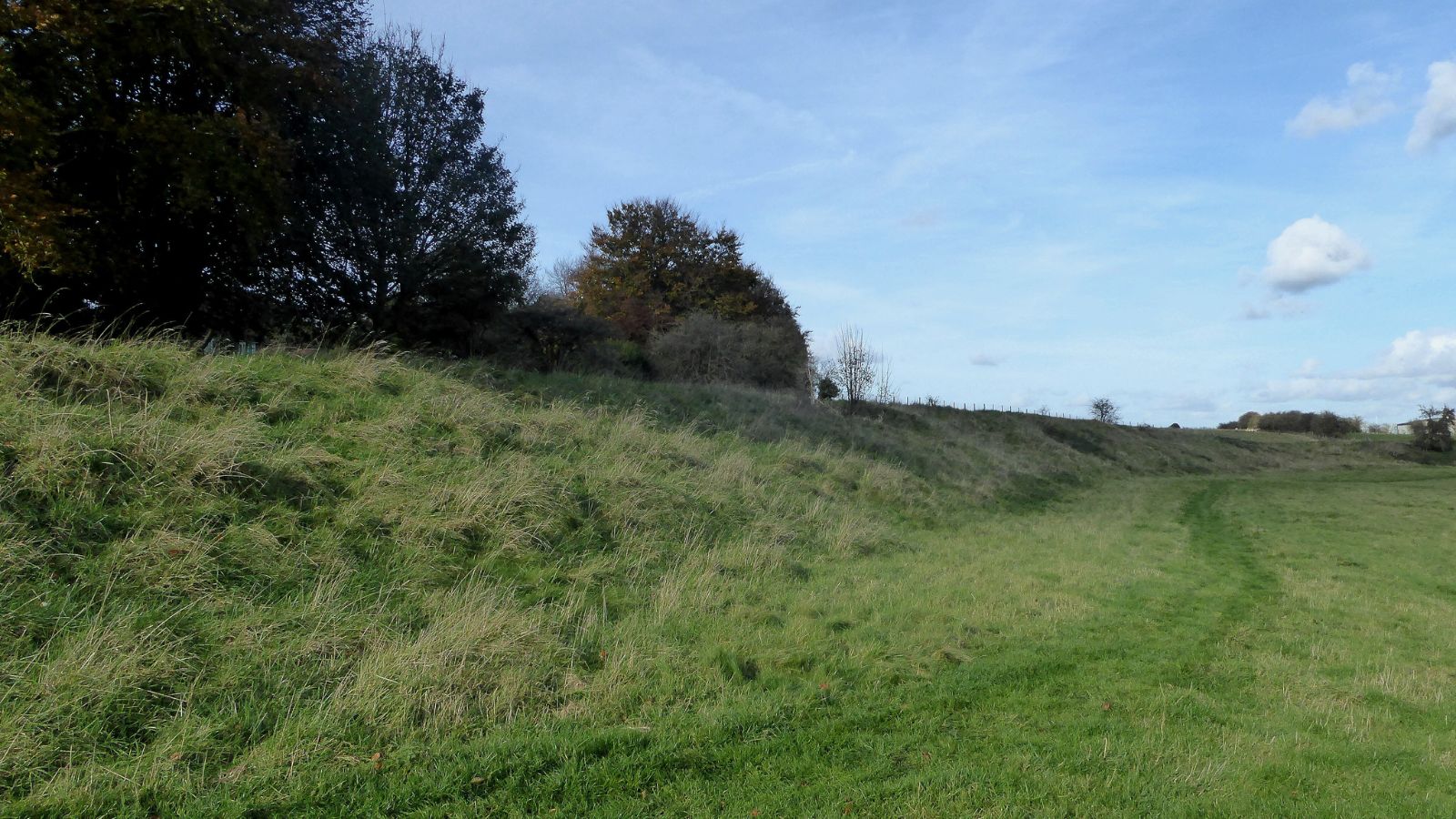
This Neolithic site, a vast circular settlement revealed near Stonehenge, provides information about community life and rituals, possibly including feasts connected to Stonehenge.
It deepens our understanding of prehistoric societies and their monumental constructions.
Atlantis (Myth or Reality?)
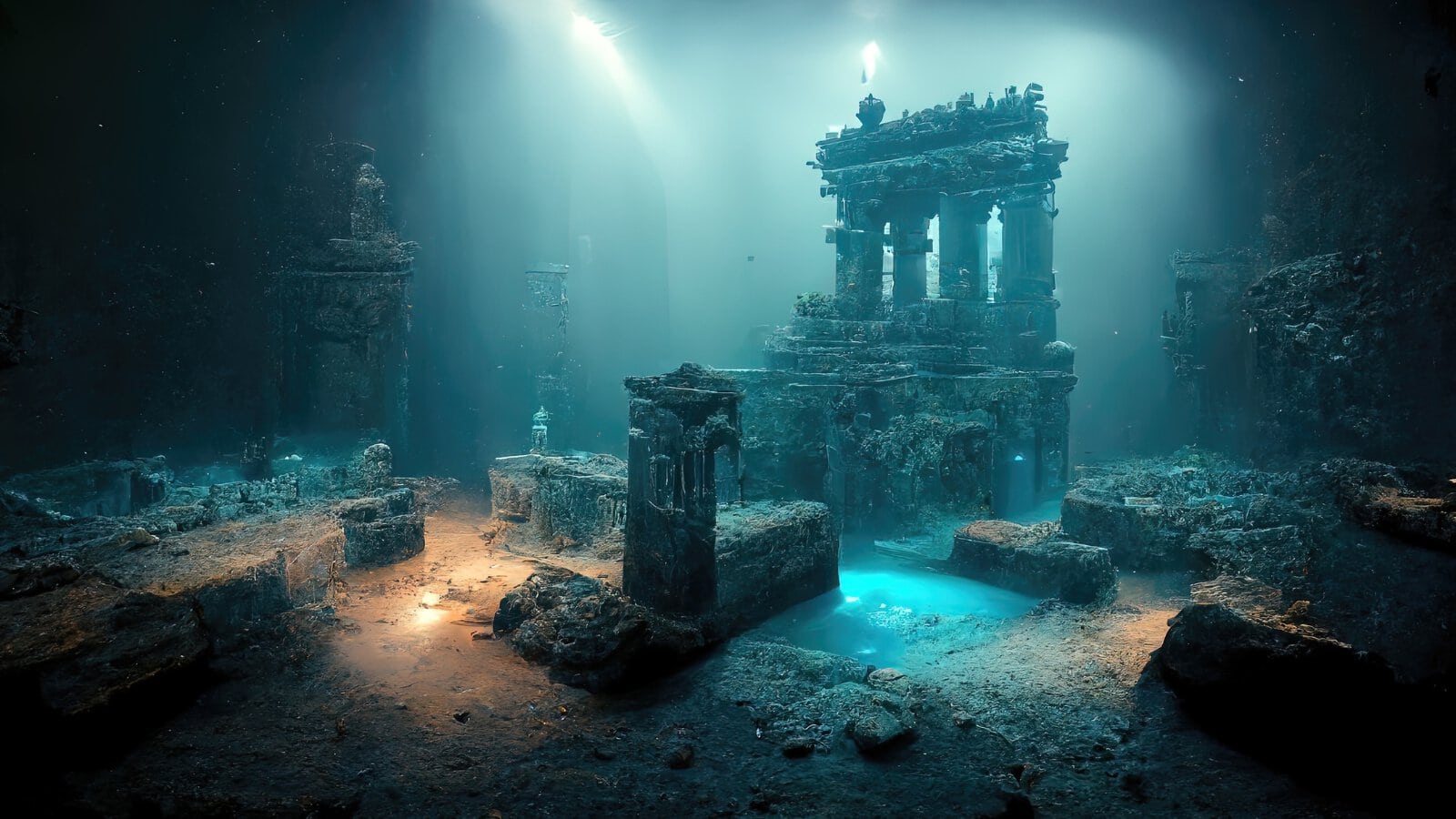
Although many regard the lost city of Atlantis as a myth, archaeologists and the debate surrounding it have been abuzz.
Some researchers say the legend may be based on real-world locations such as Santorini. As its story reveals, it draws on humanity’s never-ending fascination with lost civilizations and their secrets.
Disclaimer: This list is solely the author’s opinion based on research and publicly available information.
15 Most Beautiful Beaches in the World

15 Most Beautiful Beaches in the World
Discover the Ultimate Beachfront Dream: Top 10 Places to Buy Your Perfect Waterside Home in America!

Discover the Ultimate Beachfront Dream: Top 10 Places to Buy Your Perfect Waterside Home in America!
10 Popular Places in The US. That Have Tent Cities Today