
Avoid These 10 Mistakes When Buying Your Next Flight Ticket Online
Booking a flight online sounds easy until you’re staring at a dozen tabs, juggling travel dates, and wondering why the price keeps jumping every time you blink. One wrong click and you could end up paying more than you should, picking the wrong seat, or missing out on perks you didn’t even know existed.
Most travelers fall into the same traps. It’s not about being careless. It’s often about rushing through the process or trusting the first deal that looks good. If you’ve ever looked back at a booking and thought, “I could’ve done better,” you’re not alone. These common mistakes sneak up on even the most frequent flyers.
Skipping The Seat Map

Default seat assignments can place you next to the bathroom or separate you from your travel partner. Even if you’re not picky, checking the seat map helps avoid unpleasant surprises. A few extra dollars can get you better legroom or a spot away from high-traffic areas.
Booking Without Comparing

Jumping on the first deal might feel like a win, but it’s usually not the best. Use search engines like Google Flights or Skyscanner to compare across multiple platforms. Then, double-check the airline’s direct site. Sometimes, the best deal isn’t the cheapest fare; it’s the one with better cancellation terms or fewer stopovers.
Forgetting To Check Baggage Policies

Some tickets look cheap until you see what they don’t include. Budget fares often skip extras like seat selection or checked luggage. Always review what comes with your ticket. If you’re flying with bags, that basic fare might not be a bargain once you add fees.
Picking The Wrong Days

Flying on a Friday might sound perfect, but it often comes at a premium. Tuesdays and Wednesdays typically have lower fares. Use the flexible dates tool to find cheaper travel days around your preferred time. A one-day shift can make a big difference in cost.
Using Debit Instead Of Credit

Credit cards usually offer better protection for travel purchases. They’re easier to dispute in case of cancellation or fraud. Some cards even offer travel perks, such as insurance or bonus points. Debit cards, conversely, don’t come with many of those benefits, and refunds can take longer.
Overlooking The Airport Location

Some cities have multiple airports, and the cheaper fare might land you far from where you need to be. Always double-check the airport code before booking. A low-cost flight to a far-off terminal could cost you more time, money, and frustration.
Not Signing Up For Alerts

Fares always drop, but blink, and you’ll miss it. Signing up for price alerts helps you track changes and catch better deals. Whether you book early or wait, alerts notify you when the price is right, eliminating the need to refresh the page every hour.
Missing The Refund Or Change Policy

Plans change, flights get canceled, and if you book a non-refundable ticket, you’re out of luck. Look for flexible fares or at least understand the airline’s policy. It’s not just about money; it’s peace of mind if something goes sideways before your trip.
Overcomplicating With Add-Ons

Travel insurance, extra bags, early boarding, and priority security add up. Ask yourself what you need. Sometimes, these extras are bundled into your booking by default, and you end up paying for things you didn’t ask for. Uncheck the boxes before checking out.
Ignoring Incognito Mode
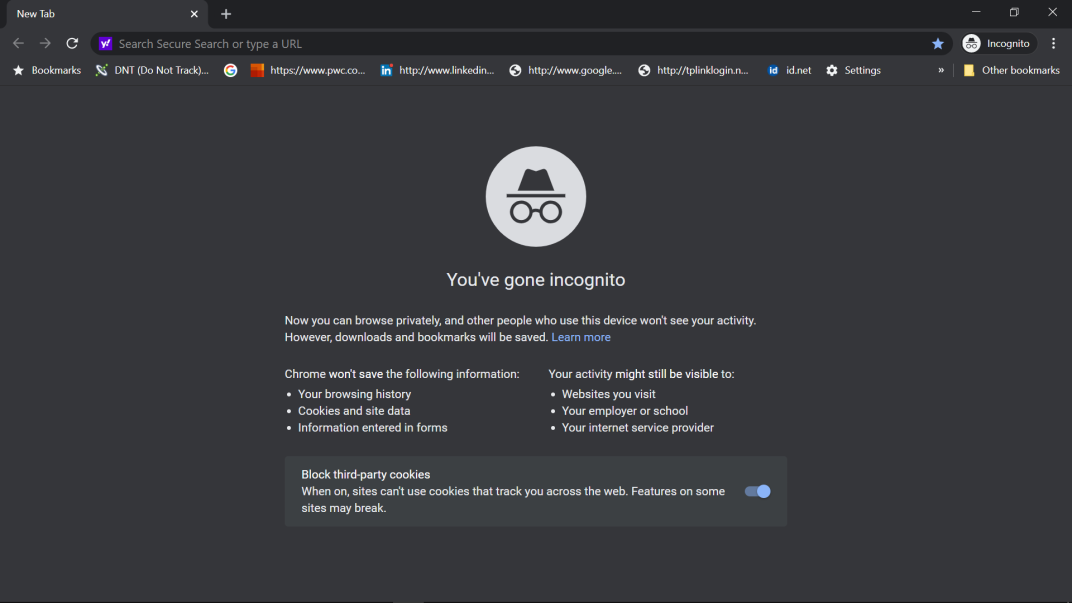
Flight prices can spike after just a few searches. Airlines and booking sites often track your activity and may show higher rates the next time you check. Switching to incognito or private browsing can help avoid this digital price hike. It’s a small trick, but you can keep your fare from creeping up while you decide.
Disclaimer: This list is solely the author’s opinion based on research and publicly available information.
You Might Also Like:

How To Stick To Your Holiday Budget and Avoid Debt: With the holiday season in full swing, many find themselves facing high expenses. The anticipation of gift-giving, coupled with the desire to create unforgettable moments, often leads to the common tradition of seasonal spending, with the average holiday budget reaching a considerable sum.


