13 U.S. National Parks with Dangerous Wildlife You Should Be Aware Of
Visiting U.S. national parks is often a mix of awe and adventure. Towering cliffs, deep forests, and open plains offer something unforgettable. But behind those sweeping views and photo ops, there’s something else: animals that don’t care about your hiking boots or granola bars. Some are curious. Some are territorial. And a few are just plain bad news if you surprise them.
Wildlife isn’t there to make your trip exciting; it’s just trying to survive. But when your path crosses with theirs, things can get dicey. That’s why knowing who lives in each park isn’t just helpful; it’s smart. You don’t need to panic, but you do need to pay attention. Here’s a list of parks where wildlife may pose a serious risk if you don’t respect their space.
Yellowstone National Park

Bison seem slow and lazy until they aren’t. People tend to get too close for selfies and end up airborne. They can sprint at 35 mph and weigh over a ton. They’ve charged tourists multiple times. Grizzlies also roam here, and they don’t give warnings. Keep a wide berth, use bear spray, and make noise on trails.
Glacier National Park
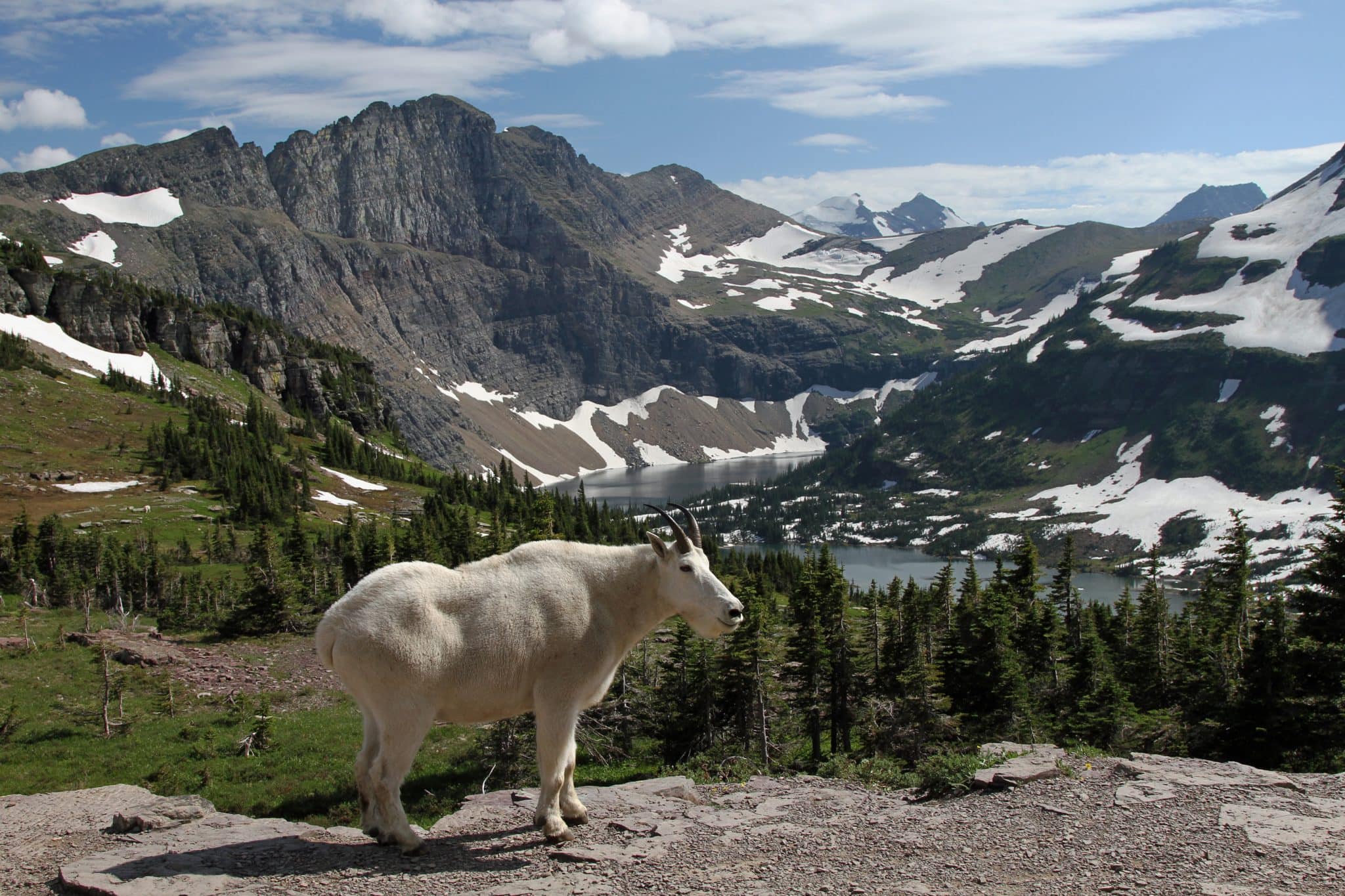
Grizzly bears make regular appearances here, too. They’re not just wandering but hunting, protecting cubs, or staking out territory. Most encounters happen because someone surprises them. That rarely ends well. Stick to groups, don’t hike at dusk or dawn, and keep food sealed tight.
Great Smoky Mountains National Park

Black bears are the primary concern here. They’re smaller than grizzlies but no less dangerous if they feel threatened or smell snacks in your backpack. This park sees more bear-human contact than any other. Some trails close during active bear periods. Don’t test your luck.
Denali National Park

Moose are more dangerous here than bears. They look awkward and goofy, but can charge without warning if they feel cornered. They’ve stomped cars and sent hikers running for trees. Bears are still around, but moose are the unpredictable ones. Give them a vast space, especially if their calves are nearby.
Everglades National Park

Alligators are the headliner, but don’t forget the invasive Burmese pythons. These snakes aren’t shy, and they’ve taken over parts of the park. Gators sunbathe on trails, near water, and even in parking lots. Don’t try to walk around them; back away. Keep pets far from the edge of any water.
Katmai National Park
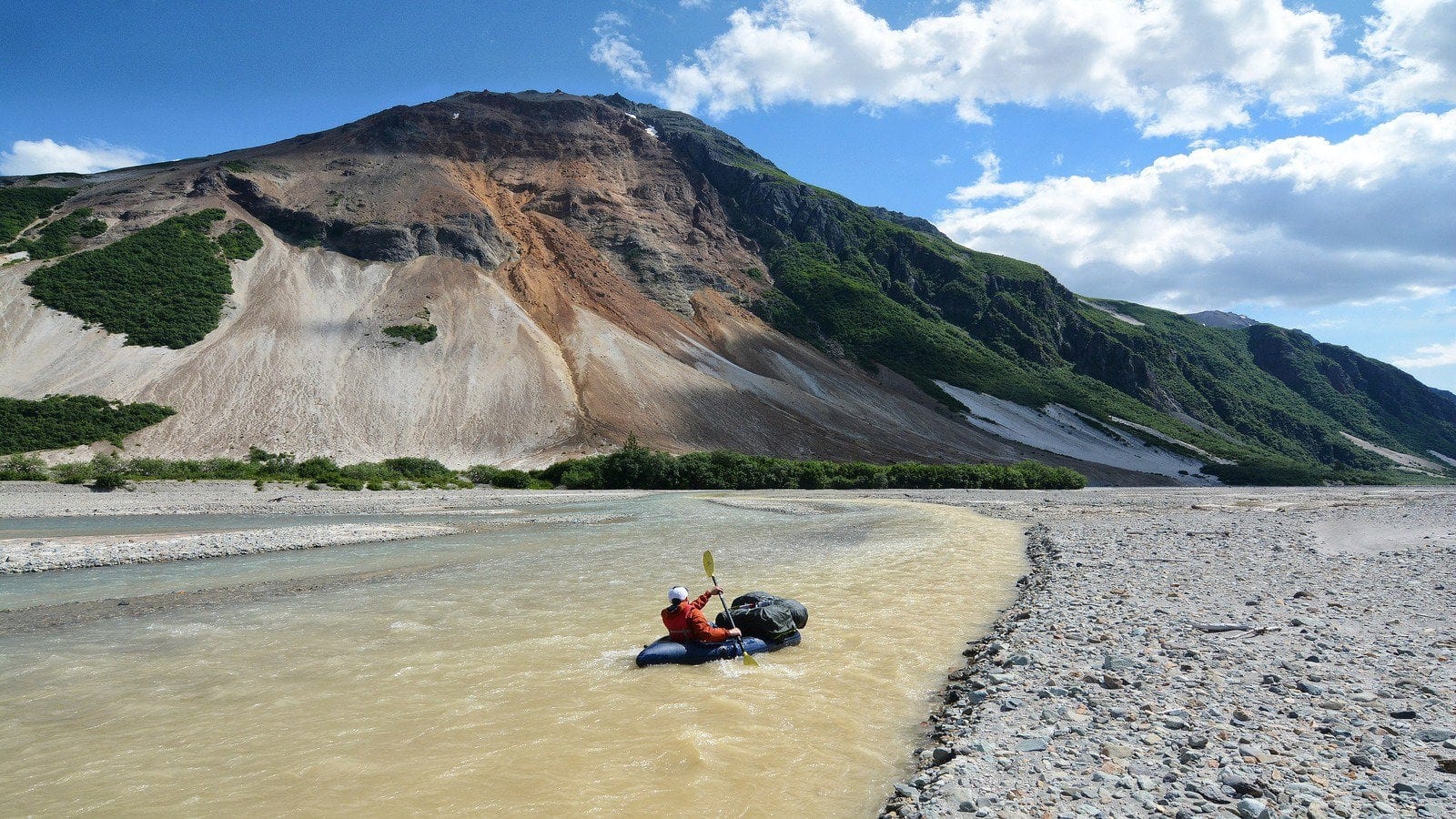
This Alaskan park boasts one of the highest brown bear densities in the world. People visit to watch them fish for salmon, but that doesn’t mean you’re safe. Bears are focused during feeding and don’t want surprises. Always stay on designated platforms. Wandering off isn’t just risky; it’s foolish.
Grand Teton National Park

Grizzlies and black bears both live here, along with elk and moose. Spring and fall are peak times for conflict. Grizzlies are highly protective in the fall, and elk are aggressive during mating season. A zoom lens doesn’t replace distance. Don’t assume a calm animal is a safe animal.
Rocky Mountain National Park

Mountain lions roam these peaks, though sightings are rare. If you see one, don’t run, triggering the chase instinct. Black bears are more common, especially near campsites. Keep food in bear boxes. If you’re hiking solo, carry bear spray and other insect repellents, and know how to use them effectively. The mountains aren’t just a scenic backdrop.
Sequoia And Kings Canyon National Parks

Bears here are bold. Some have learned to break into cars for food. They’ve peeled doors off like tin cans. If your food smells even a little, they’ll find it. Use food lockers and follow every posted rule. The parks aren’t kidding around. And don’t underestimate rattlesnakes; watch where you step.
Big Bend National Park

Mountain lions and black bears make their home here, but heat adds another layer of risk. Dehydration or heatstroke can leave you vulnerable and less alert to the presence of wildlife. Cougars stalk quietly and don’t always show themselves until late. Make noise. Stay hydrated. Don’t hike alone in remote areas.

Olympic National Park

This coastal gem houses black bears, cougars, and elk. Elk might seem harmless, but they are powerful and quick to charge during rutting season. There have also been aggressive goat incidents; some have gored hikers. Treat every animal like it has zero patience. Stay aware and stay loud.
North Cascades National Park

This park is home to wolves, black bears, and the occasional grizzly. Most animals avoid humans, but cubs change the equation. A mother bear with cubs will not wait for you to move. The terrain here is rugged, and you’ll likely run into trouble off-trail. Stick to marked paths and keep your eyes open.
Isle Royale National Park

This remote island park has moose and wolves in close quarters. The moose are surprisingly aggressive, especially if they feel cornered. Wolves usually keep their distance, but unpredictable behavior happens in isolated populations. Since help is far away, one bad encounter can turn serious fast. Don’t get cocky just because the park feels quiet.
Disclaimer: This list is solely the author’s opinion based on research and publicly available information.
You Might Also Like:

How To Stick To Your Holiday Budget and Avoid Debt: With the holiday season in full swing, many find themselves facing high expenses. The anticipation of gift-giving, coupled with the desire to create unforgettable moments, often leads to the common tradition of seasonal spending, with the average holiday budget reaching a considerable sum.