
12 U.S. Cities Where Home Prices Are About to Plummet
Home prices in many U.S. cities have climbed steadily over the last decade, making homeownership challenging for many, but the housing market rarely moves in a straight line. Several cities now show signs that prices might be heading downward soon. This shift could create new opportunities for buyers and challenges for sellers.
Changes in local economies, interest rates, and migration patterns often drive these shifts. Watching these trends closely can help you anticipate where the market might turn. Here are 12 cities where home prices could be on the decline.
Phoenix, Arizona

Phoenix saw rapid home price growth fueled by low interest rates and population growth. Rising mortgage rates and affordability concerns have cooled buyer enthusiasm. More homes sit on the market longer, pushing sellers to reconsider their asking prices. Expect some downward price pressure as the market balances out.
Boise, Idaho

Boise’s rapid growth created a seller’s market with fierce bidding wars. Recent interest rate hikes and increased inventory have eased that frenzy. Some homeowners who bought recently at peak prices may face losses if they sell soon. This could push prices down further in the near term.
Austin, Texas
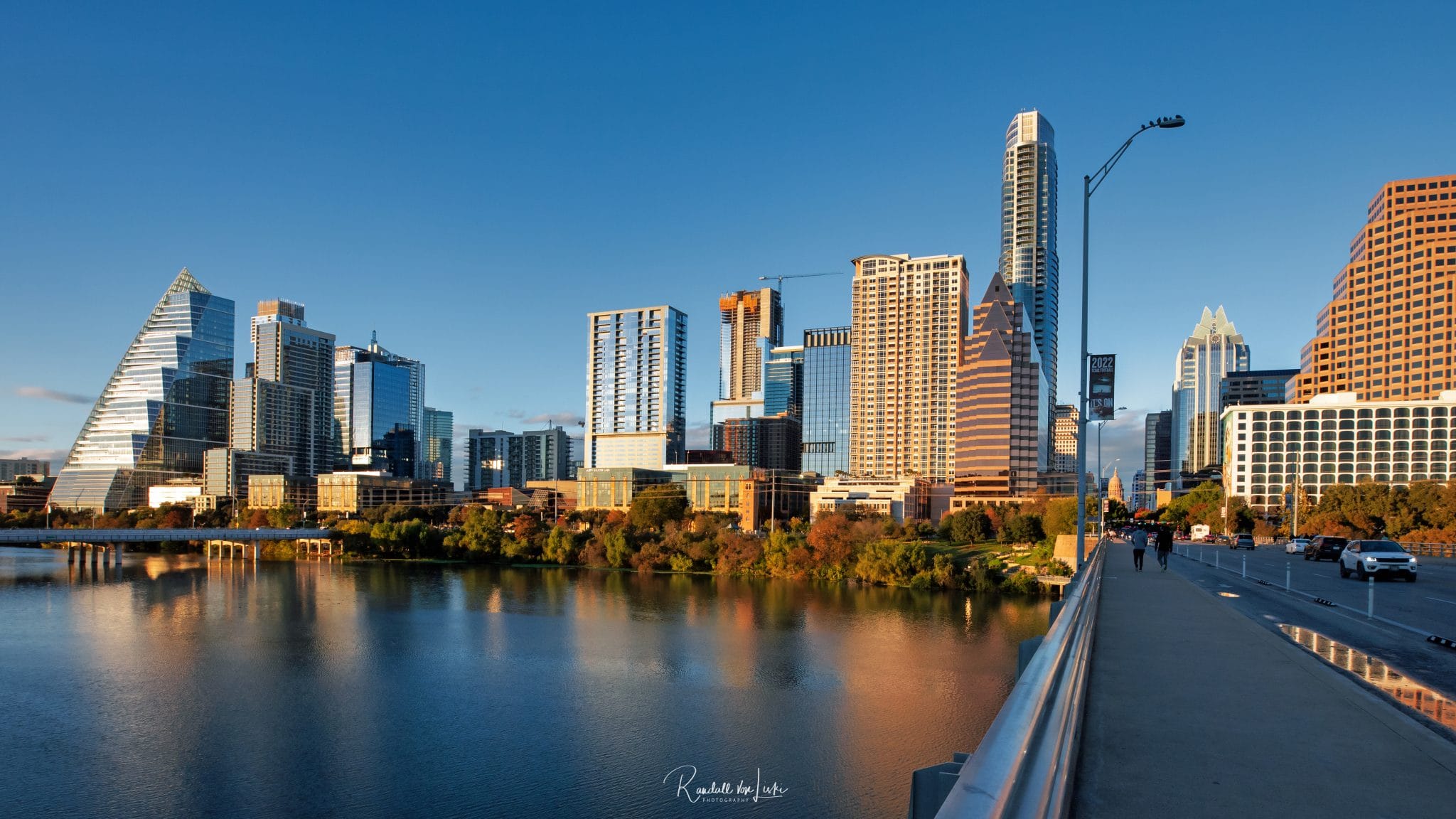
Austin’s housing market boomed during the pandemic as tech workers flooded in. With some companies scaling back remote work and a cooling job market, demand has slowed. Inventory is growing, and sellers are lowering prices to attract buyers. This shift may continue as the city adjusts to a new economic rhythm.
Salt Lake City, Utah
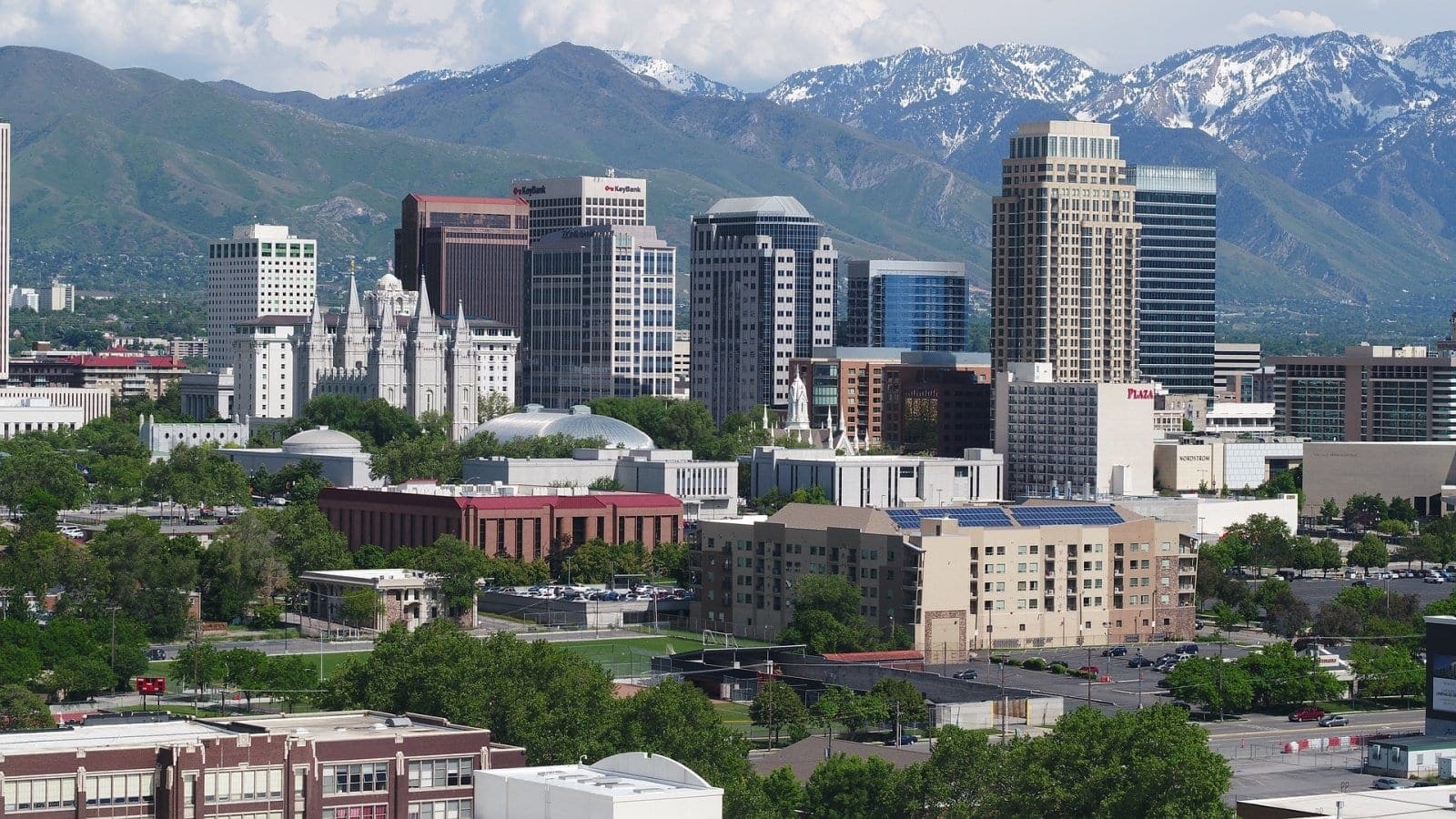
Salt Lake City’s diverse economy helped it thrive during the housing boom. However, rising mortgage rates and a shift in buyer preferences toward affordability are slowing demand. More homes available mean sellers may need to adjust prices downward to move properties quickly.
Charlotte, North Carolina

Charlotte attracted many new residents for its job market and quality of life. However, as housing costs climbed, some buyers have stepped back, waiting for better deals. This cooling demand and steady new listings could lead to lower prices as the market finds its footing.
Tampa, Florida
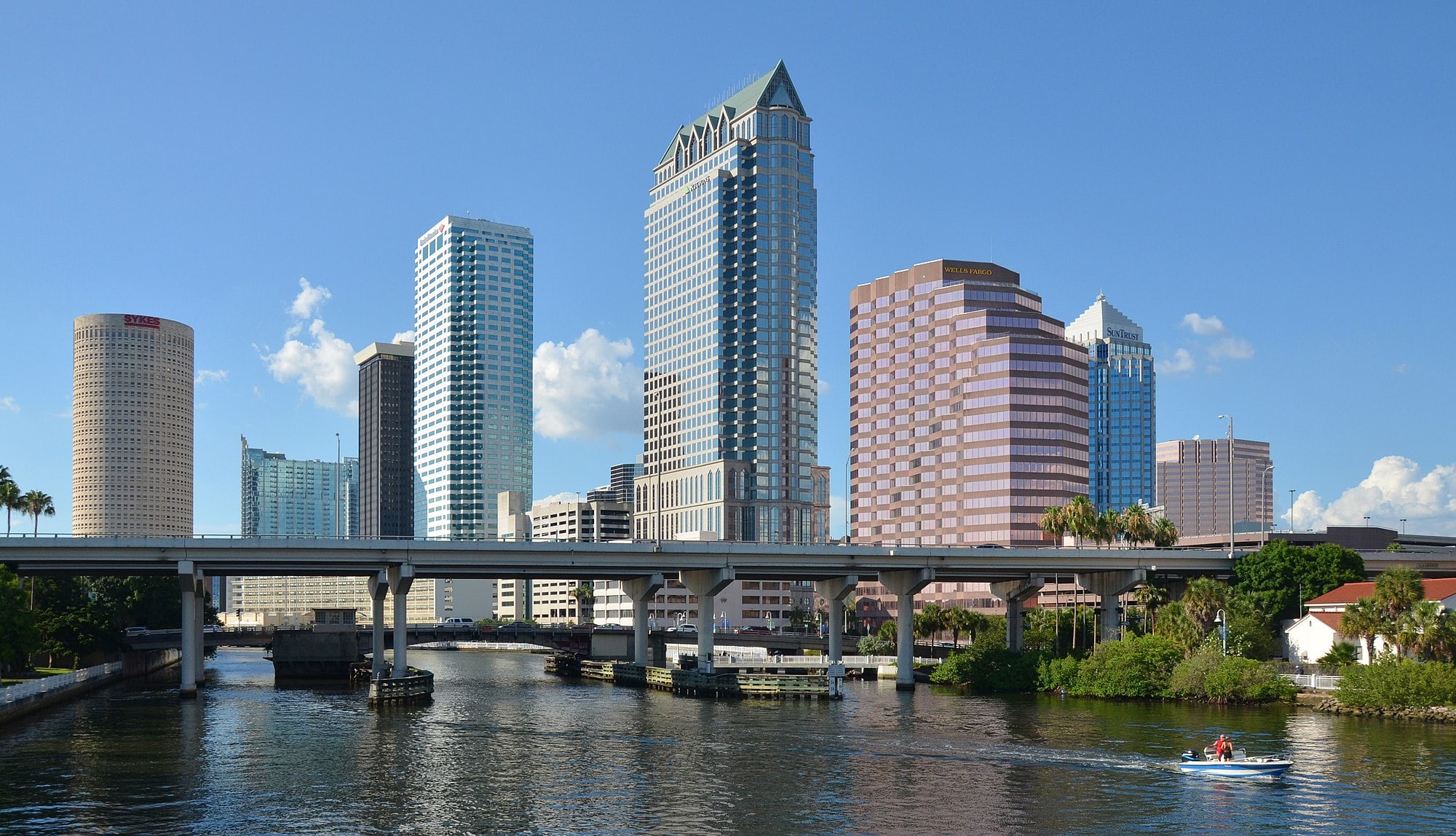
Tampa’s market overheated as buyers chased limited homes. With interest rates higher and affordability strained, buyer urgency has dropped. Inventory is rising, and sellers face tougher competition, often needing to reduce prices to close deals.
Denver, Colorado

Denver’s housing market was red-hot but now faces headwinds from higher borrowing costs. Buyers are more cautious, and sellers are seeing fewer offers. A rise in available homes pushes prices toward more balanced levels, signaling a potential dip.
Nashville, Tennessee

Nashville’s rapid price gains have slowed as affordability limits buyer pools. Higher mortgage rates and a growing supply add pressure on sellers to cut prices. The market may soften as buyers wait for more attractive offers.
Raleigh, North Carolina
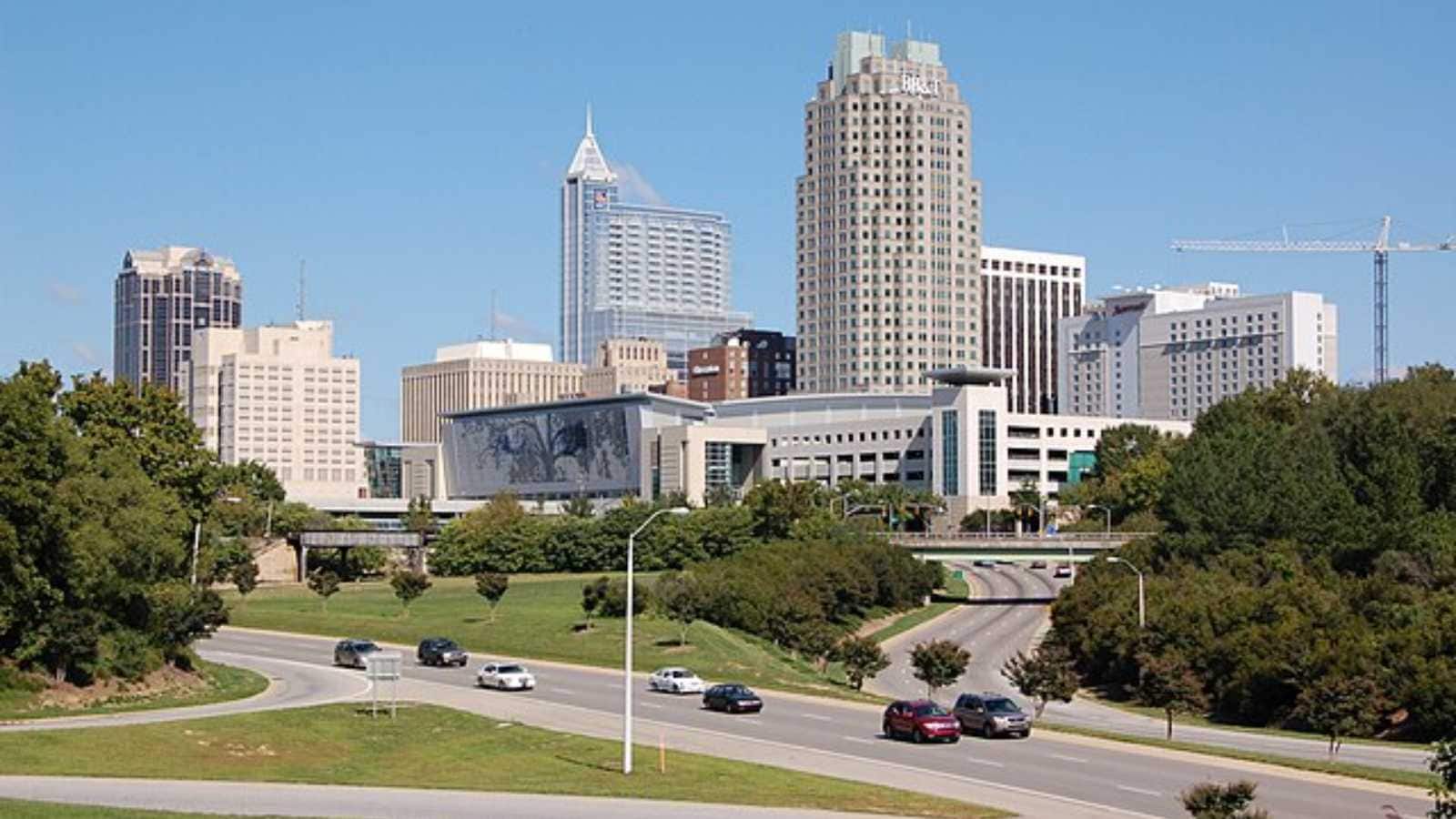
Raleigh’s strong job market kept prices climbing, but recent rate increases and a larger selection of homes are cooling the pace. Sellers may need to adjust their expectations as buyer demand moderates.
Las Vegas, Nevada

Las Vegas drew buyers with low prices and expanding job opportunities. Rising interest rates and inflation concerns are cooling enthusiasm. More listings and slower sales suggest prices may fall in the coming months.

Portland, Oregon
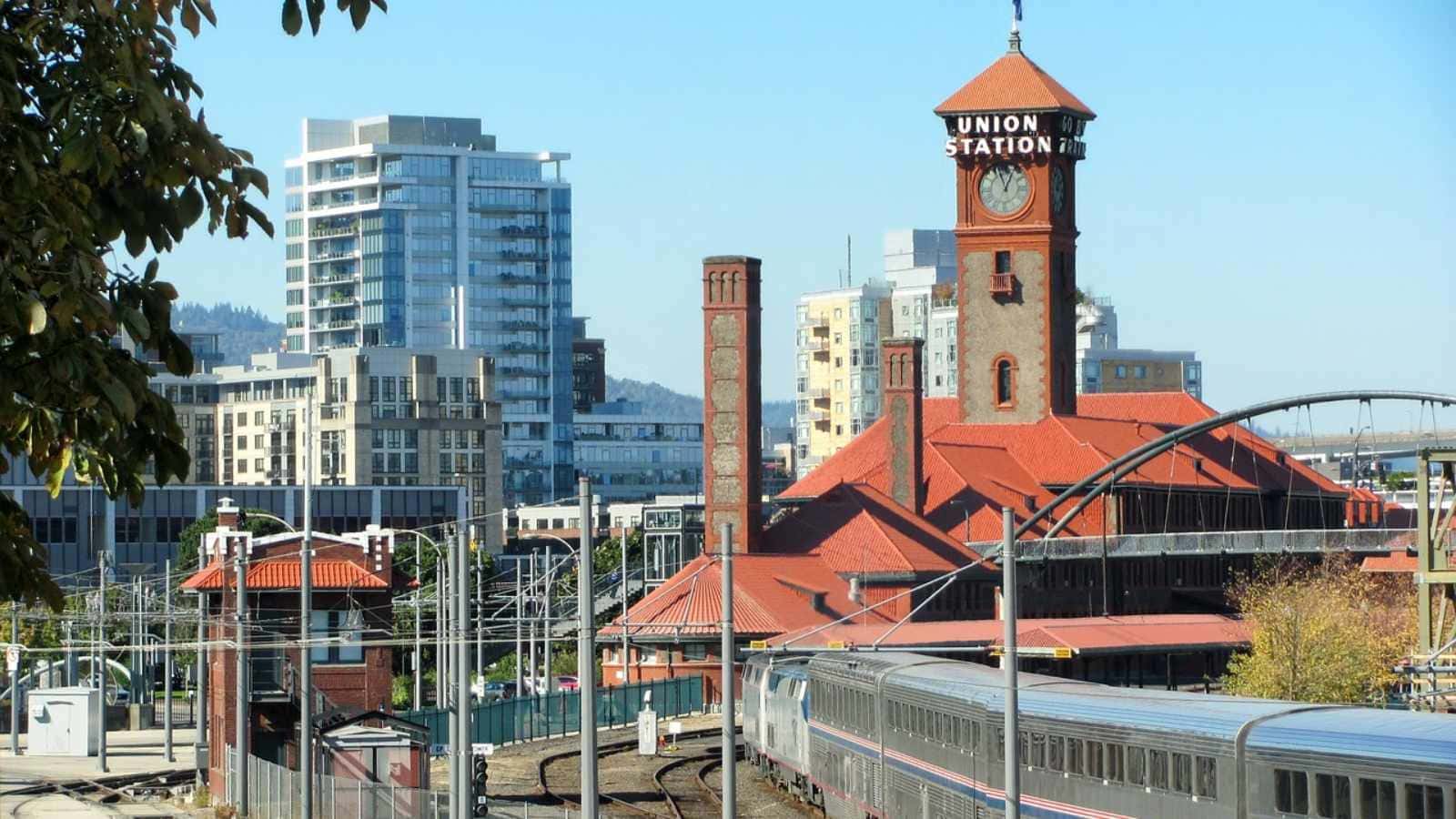
Portland experienced a surge in prices from urban buyers seeking space, but shifting economic conditions and rising interest rates have cooled demand. Inventory has grown, and sellers are facing increased competition, which may lead to potential price drops.
Seattle, Washington
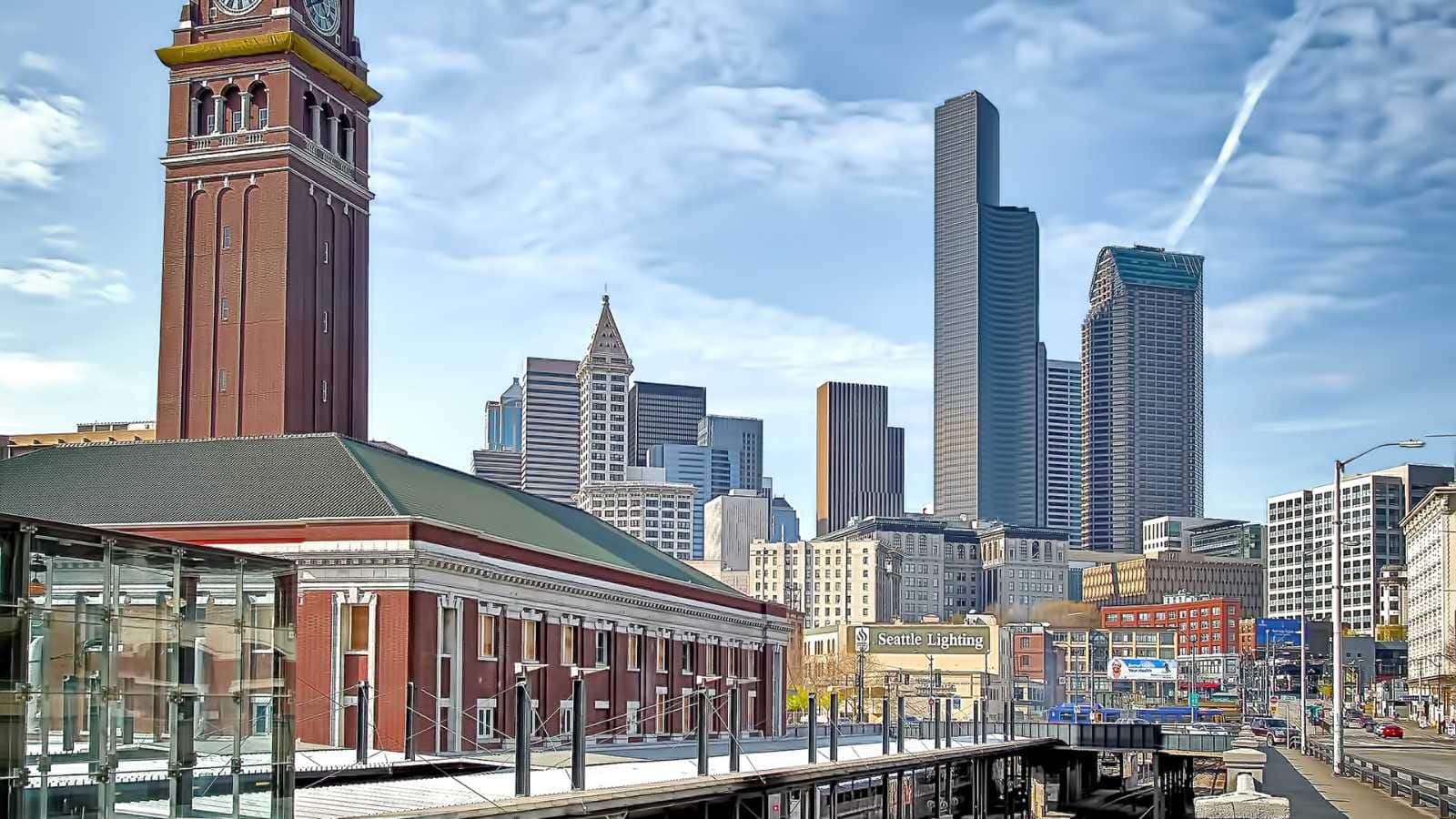
Seattle’s tech-driven market cooled as layoffs and changes to remote jobs altered housing needs. More homes are available, and sellers may need to lower prices to attract cautious buyers. This trend is likely to continue as the city adapts to new market forces.
Disclaimer: This list is solely the author’s opinion based on research and publicly available information.
You Might Also Like:

How To Stick To Your Holiday Budget and Avoid Debt: With the holiday season in full swing, many find themselves facing high expenses. The anticipation of gift-giving, coupled with the desire to create unforgettable moments, often leads to the common tradition of seasonal spending, with the average holiday budget reaching a considerable sum.


