15 Red Flags That Scream ‘Run’ When Dining At A Restaurant
You sit down, unfold your napkin, glance at the menu, and suddenly something feels off. It’s not always easy to say what it is, but sometimes your gut knows before your brain catches up. And let’s be honest, nobody wants to spend good money on bad food, or worse, a health hazard waiting to happen.
Some warning signs should send you packing before the appetizers even hit the table, whether you’re grabbing a casual bite or treating yourself to a night out. Here are 15 red flags you should never ignore when eating out.
Confused or Clueless Staff

If the server doesn’t know what’s on the menu, can’t answer simple questions, or seems lost, that’s not a good sign. It typically indicates inadequate training or ineffective management. Either way, you’ll likely pay for it with your time, patience, and appetite.
Sticky Floors and Tables

If your shoes make that squeaky sound when you walk or your hand sticks to the table like a Post-it, that’s bad news. Cleanliness matters. If they’re not wiping down visible surfaces, imagine how they treat places you don’t see, like the kitchen.
Overwhelming Odors

A strong smell of bleach might mean they’re overcompensating for something. A funky, musty, or fishy smell? You shouldn’t be there. Restaurants should smell like food, not a mop closet or a fish market at closing time.
Too Many Empty Tables

Sure, it might be a slow night, but if it’s 7 p.m. on a Friday and the place is nearly empty, people are probably staying away for a reason. A consistently dead restaurant might mean trouble: bad food, poor service, or worse.
Sticky or Dirty Menus

Menus should never feel like flypaper: sticky, stained, or worn-out menus send the wrong message. If they’re grimy, torn, or appear to haven’t been replaced in years, it reflects a clear lack of attention to detail. While it may seem like a minor or harmless oversight, it often signals deeper hygiene or maintenance issues occurring in the kitchen or elsewhere in the establishment. Clean, well-maintained menus demonstrate that the restaurant prioritizes presentation, cleanliness, and the overall customer experience.
No One Greets You

First impressions count. If you walk in and no one acknowledges you, or worse, ignores you completely, ask yourself if that’s a place worth your money. If they don’t care when you arrive, they won’t care if you’re happy when you leave.
Unclear Pricing

Menus should have clear prices. If items are listed as “market price” without explanation, or if specials are mentioned at a rapid pace without specifying the cost, be cautious. Some places rely on confusion to drive up your bill.
Bad Lighting

If it’s too dark to read the menu or you feel like you’re eating in a cave, that’s not ambiance; it’s avoidance. Poor lighting can hide messy tables, dirty floors, or even unappetizing food. There’s a reason they don’t want you seeing things clearly.
Strange Sounds From the Kitchen
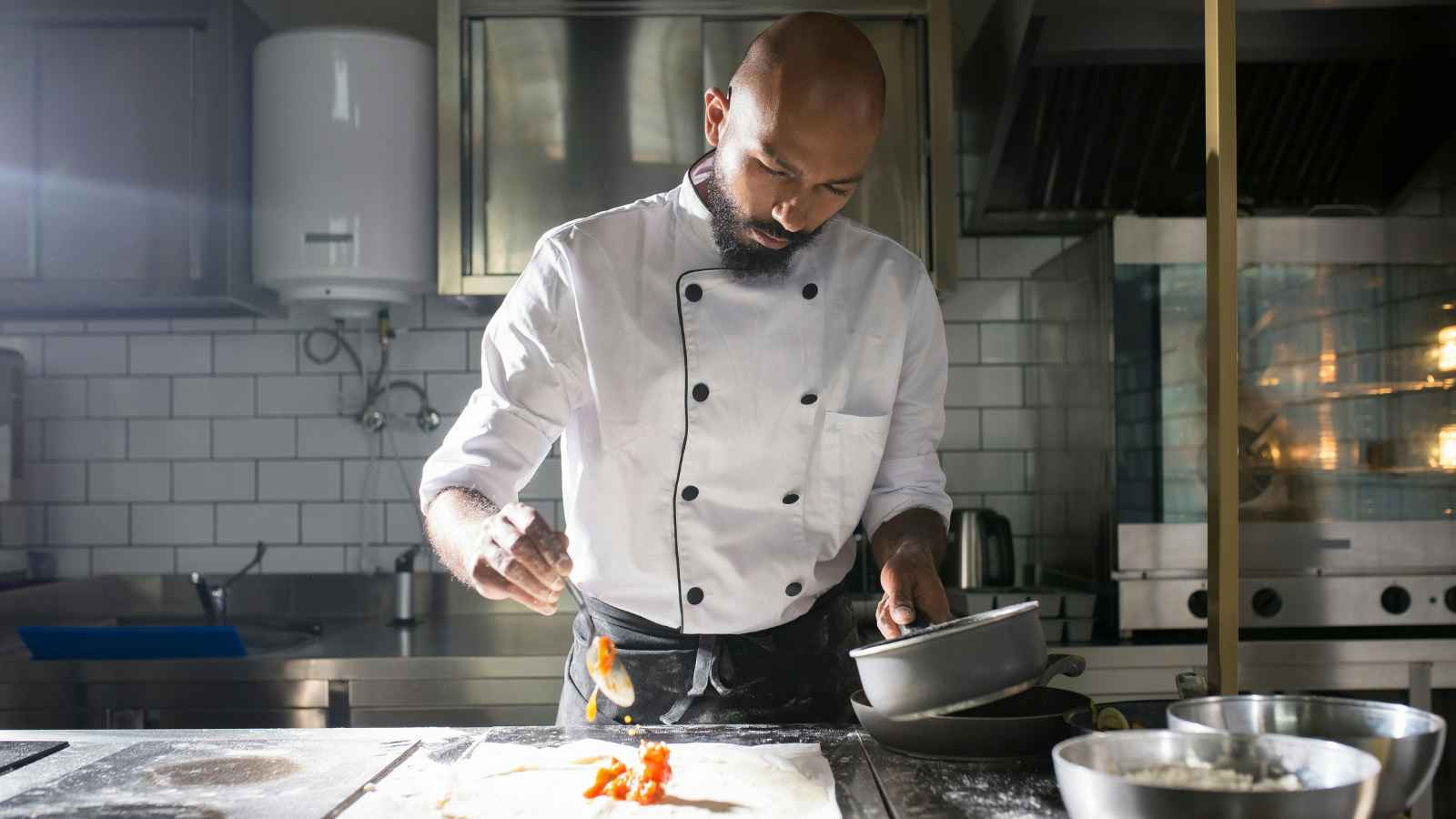
Loud shouting, repeated banging, or persistent clattering that continues for more than just a minute or two should immediately raise concerns about what’s going on behind the scenes. While it’s true that kitchens are naturally busy and full of activity, a constant sense of disorder or overwhelming noise coming from the back often signals deeper issues in the kitchen staff’s coordination or management; problems that can easily show up in the quality, presentation, or timing of the food served at your table.
Long Wait With Empty Tables

If the place is half-empty and you’re still waiting 20 minutes to be seated, something’s off. That usually signals understaffing, poor organization, or a kitchen in a state of disarray. None of those will end well for your meal.

Lack of Basic Hygiene

Watch how servers handle cutlery, glasses, and plates. Are they touching the rims or wiping their hands on their pants? Are they coughing into their hands? If you notice anything that suggests a lack of cleanliness, it is best to leave rather than risk contracting an illness. One bad habit like that can ruin an entire meal or your entire weekend.
No Soap in the Bathroom

Yes, you should always check the restroom. If it’s dirty or there’s no soap or paper towels, leave. That same lack of care usually extends to the kitchen, which can result in improper sanitation, food poisoning, and other health issues. This is why some restaurants have failed.
Weird Menu Overload

If the menu reads like a novel and has sushi, tacos, burgers, and pad Thai on the same page, that’s a problem. A good restaurant focuses on doing a few things well. A place trying to do everything probably does nothing well.
Cash-Only in 2025

Sure, some small spots still operate as cash-only restaurants, but in most cases, it’s sketchy. If the credit card machine is “down,” and there’s an ATM by the door charging a fee, that’s a red flag. It can mean poor business practices or worse.
Bad Reviews That Match Your Experience

Take a glance at the online reviews, especially the recent ones. If you notice people mentioning rude staff or slow service, and then you’re experiencing the same thing, trust the pattern. People often give the benefit of the doubt online, so repeated complaints carry weight.
Disclaimer: This list is solely the author’s opinion based on research and publicly available information.
You Might Also Like:

How To Stick To Your Holiday Budget and Avoid Debt: With the holiday season in full swing, many find themselves facing high expenses. The anticipation of gift-giving, coupled with the desire to create unforgettable moments, often leads to the common tradition of seasonal spending, with the average holiday budget reaching a considerable sum.