12 Tips for Packing Checked Luggage
Packing checked luggage always feels like a bit of a gamble. You want to bring just enough but not too much, and you don’t want to be that person repacking at the counter in front of a long, impatient line. Between weight limits, security rules, and the hope that your bag arrives with you, it’s easy to overthink it all.
But packing smart doesn’t need to feel like prepping for a high-stakes game show. You can pack like a pro without breaking a sweat with a few solid habits and some practical hacks. Whether flying across the country or crossing oceans, these tips will help you stay organized, avoid messes, and reduce last-minute stress.
Choose the Right Bag

Start with a suitcase that fits your trip. Hard-shell bags offer better protection for delicate items, while soft ones provide more flexibility. Four-wheeled spinners are easier to maneuver, especially in crowded terminals. Avoid oversized luggage; it may tempt you to overpack and could result in extra fees due to weight restrictions.
Stick To A Packing List

It sounds basic, but it works. A written packing list saves you from tossing in extras “just in case” and helps you remember essentials like chargers or prescription meds. Cross items off as you go, and you won’t have to tear your bag apart wondering if you packed that one thing.
Use Packing Cubes

These little zippered compartments keep your clothes sorted and compressed. Shirts in one cube, underwear in another, and so on. They’re a game-changer for staying organized and make unpacking at your destination faster and easier.
Roll, Don’t Fold

Rolling clothes saves space and helps prevent creases. It also makes it easier to spot items without having to dig through everything. To distribute weight better, stack heavier rolled items at the bottom and lighter ones on top.
Keep Liquids Sealed

Checked bags get tossed around. To avoid leaks, seal bottles in plastic bags or use travel-size containers with tight caps. Double-bag items like shampoo or lotion and place them near the top of the suitcase in case security needs a closer look.
Place Shoes Smartly
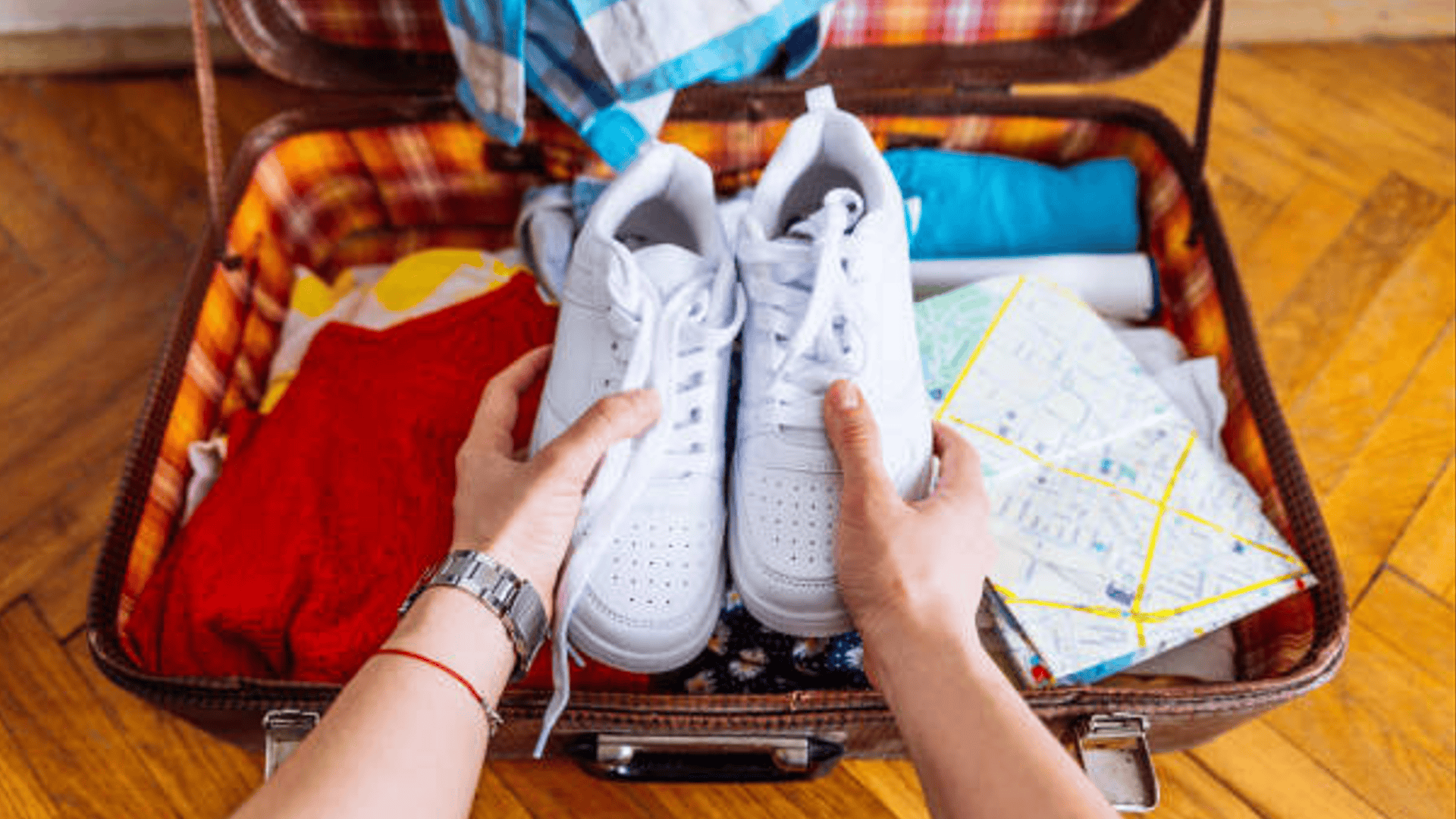
Pack your shoes heel to toe at the bottom of your bag. Use shower caps or plastic bags to prevent shoes from dripping on your clothes. You can also stuff socks or small items inside them to save space and keep their shape.
Limit Your “Just In Case” Items

It’s tempting to pack for every possible scenario. But overpacking leads to clutter and excess weight. Focus on what you use during a typical week. If you need something later, you can buy it at your destination.
Weigh Your Bag At Home

Don’t rely on guesswork. Use a luggage scale or stand on a bathroom scale holding your suitcase. Airlines charge steep fees for overweight bags, and shifting items around at the airport is no fun. A quick check saves time and money.
Pack A Change Of Clothes

Toss a spare outfit and underwear in a plastic or fabric pouch near the top of your bag. If your suitcase gets delayed or soaked in transit, you’ll have something clean to wear. This trick has saved many travelers from a rough start.
Protect Fragile Items

Wrap breakables in soft clothes like sweaters or tuck them between layers. Place them in the center of your bag for a cushion. Avoid packing anything you’d be devastated to lose, or that can’t be replaced easily.

Label Inside And Out
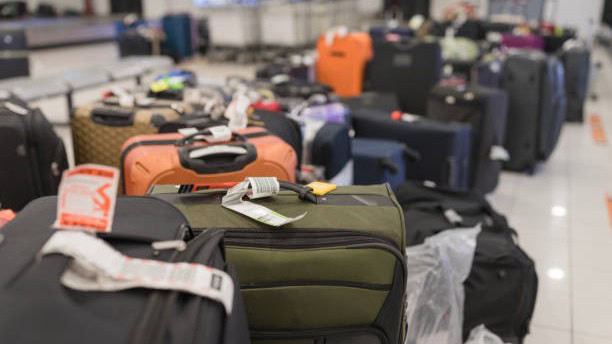
External tags can be ripped off. Place a card with your name, phone number, and email address inside the bag. If your bag goes missing, this increases your odds of returning it. Use a luggage tag that stands out, is nothing fancy, and is easy to spot on a carousel.
Don’t Lock It Too Tight
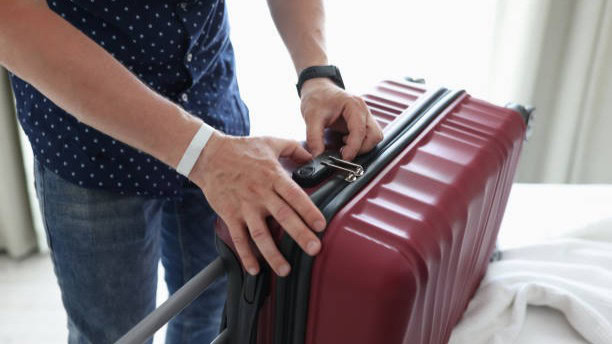
TSA may need to open your bag for screening. Use TSA-approved locks or zippers that can open without breaking. A busted lock or torn zipper is a headache you don’t want when you land. Leave zippers accessible but secure enough to avoid accidental openings.
Disclaimer: This list is solely the author’s opinion based on research and publicly available information.
You Might Also Like:

How To Stick To Your Holiday Budget and Avoid Debt: With the holiday season in full swing, many find themselves facing high expenses. The anticipation of gift-giving, coupled with the desire to create unforgettable moments, often leads to the common tradition of seasonal spending, with the average holiday budget reaching a considerable sum.